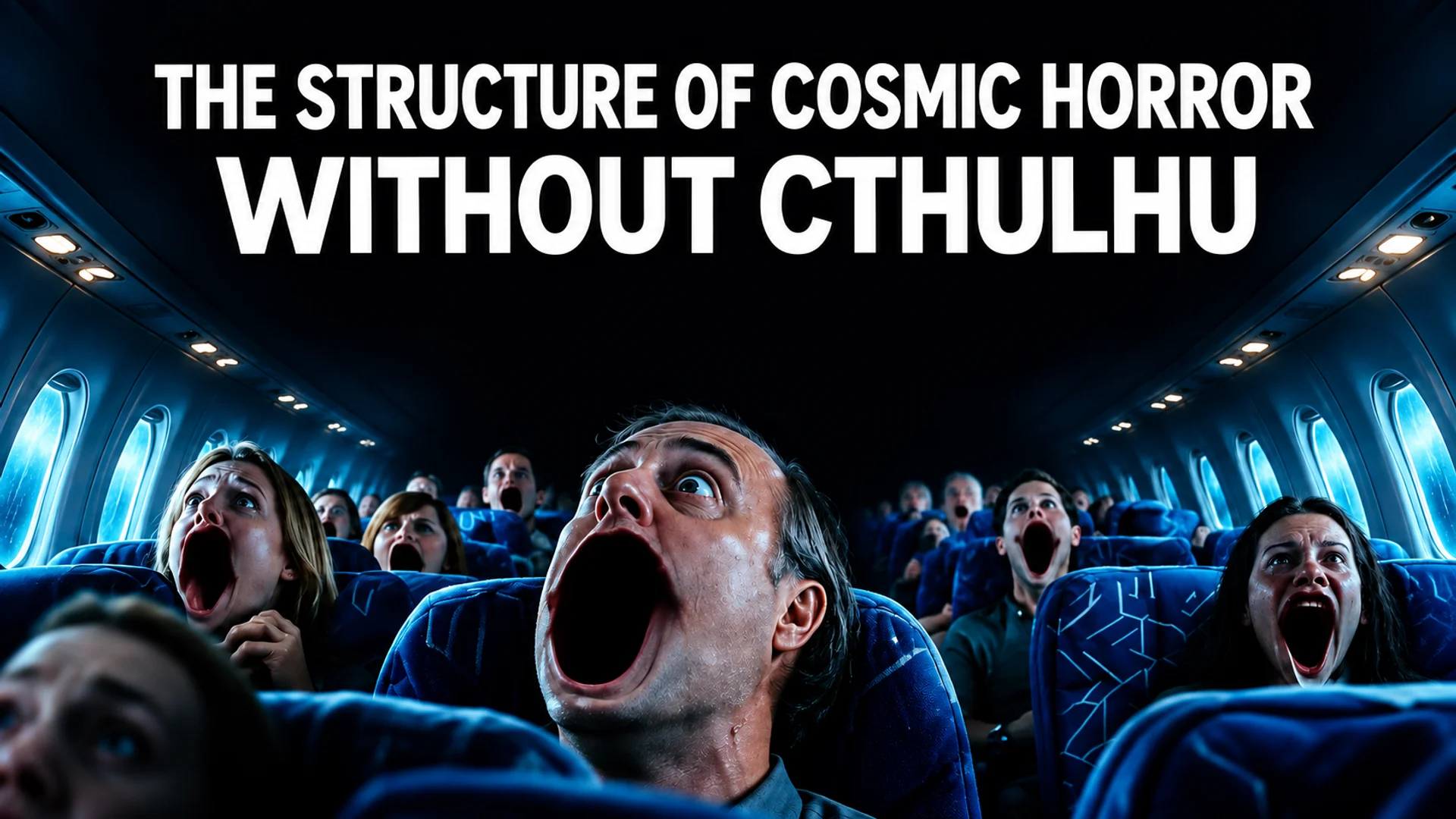
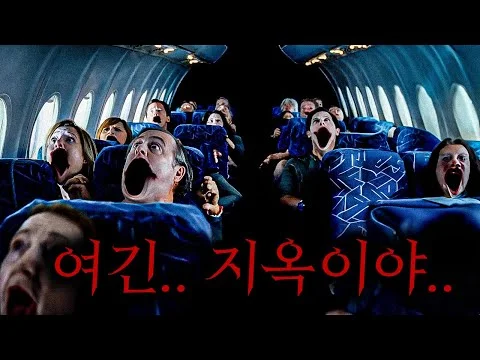
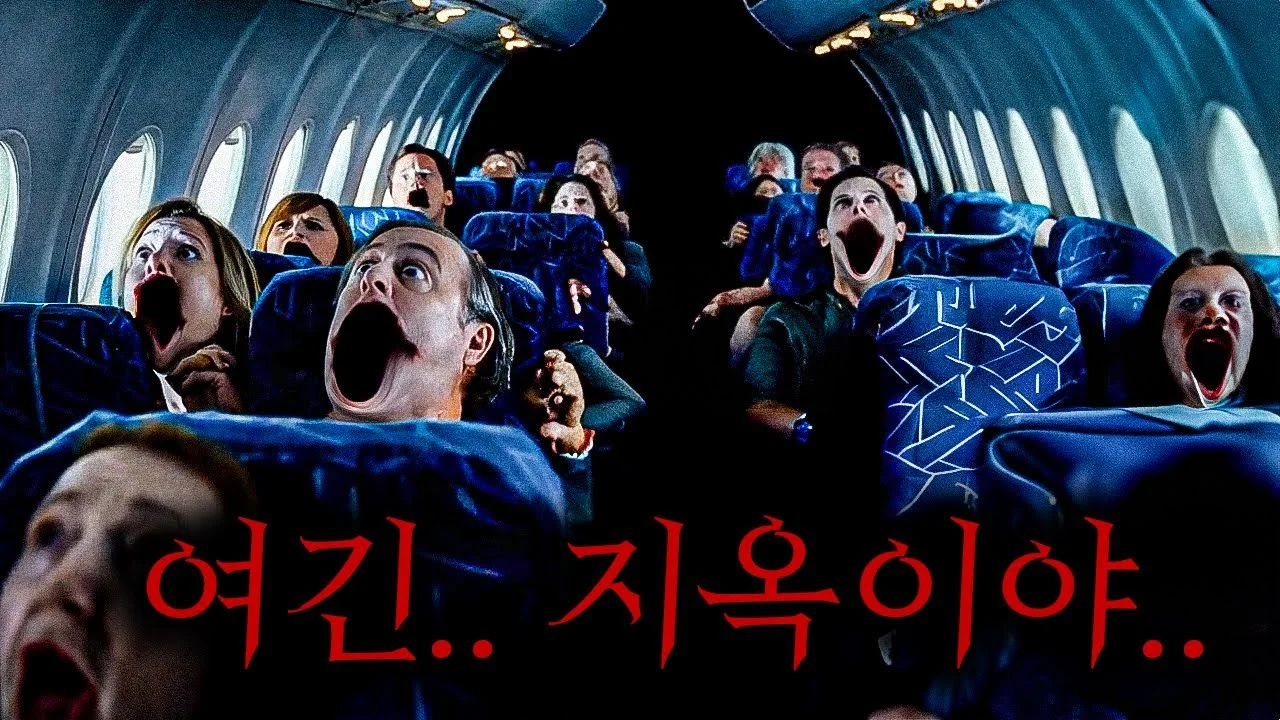
In December 2024, a video published by the YouTube channel 'Hong Cinema' begins with the interior of a plane taking off under clear skies. One hour into the flight, black clouds envelop the aircraft, and a female passenger, who glimpses a massive form and countless eyes outside her window, is seized by terror. The cabin lights flicker off and on, causing every passenger to simultaneously raise their heads toward the ceiling and freeze motionless. A black, living liquid spreads across the floor. Ultimately, the woman is left alone on the plane, which descends into a formless darkness where neither land nor city is visible. Although '#Cthulhu' and '#cosmic horror' are explicitly stated in the title and tags, neither the Cthulhu Mythos nor any of its signature creatures or narratives actually appear in the video 1. Videos grouped under the name 'cosmic horror' on YouTube do not recount stories featuring specific characters created by H. P. Lovecraft. They follow a horror structure based on the feeling of 'powerlessness' experienced in the face of an immensity beyond human comprehension. This structure was formatted through the creepypasta culture of internet forums in the 2000s and is now being utilized by YouTube narration and AI video channels that add visual effects to their productions.
An Essay That Defined Powerlessness
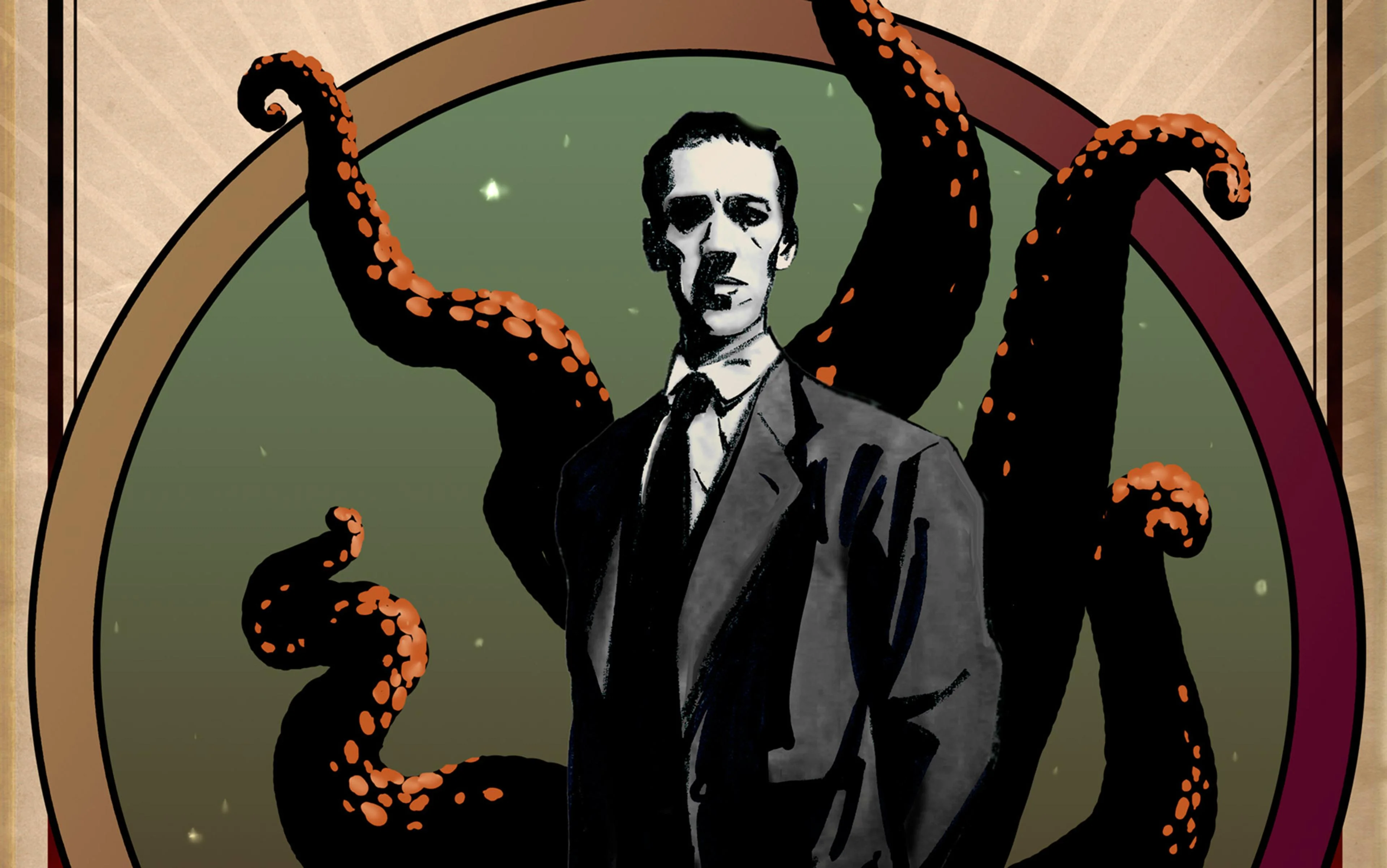
The term 'cosmic horror' originated with H. P. Lovecraft, a horror novelist and critic of the early 20th century. In his 1927 essay Supernatural Horror in Literature, he analyzed the essence of horror literature and defined the characteristics of this genre 234. Abroad, this is also referred to as 'Cosmicism' or 'Lovecraftian horror' 234.
At the core of cosmic horror, as defined by Lovecraft, lies not the fear of a specific monster or physical threat. It refers to the 'sense of powerlessness and being overwhelmed' felt when encountering an overwhelming and vast entity that humans cannot combat, resist, or even properly comprehend 24. The essence of this genre is the emphasis on how trivial and powerless all aspects of human existence—such as reason, will, and civilization—become when confronted with irresistible forces that reveal the limits of human cognition, such as gods, fate, infinity, time, the universe, and the deep sea 24.
Lovecraft viewed this type of fear not simply as the thrill of being chased by a monster, but as the despair encountered when hitting cognitive limits. As illustrated by his metaphor, "We live on a placid island of ignorance in the midst of black seas of infinity," cosmic horror deals with the psychological state in which humans lose their reason or choose extreme escape when they accidentally break through ignorance to grasp the terrifying prospects of reality. The entities appearing in this horror structure may not necessarily hold malice toward humans. However, the typical grammar of cosmic horror is the arrival of ruin when an alien entity, for which neither contact, understanding, nor resistance is possible, touches a human 4. The Cthulhu Mythos is merely a representative example illustrating these genre characteristics; it is not a synonym for the term 'cosmic horror.' Indeed, the tendency for visual clichés such as tentacled monsters or ancient gods to be perceived as mandatory requirements of cosmic horror is closer to a misunderstanding that focuses on physical threats rather than the cognitive powerlessness emphasized by Lovecraft.
Internet Forums Replicate the Grammar of Horror
This abstract philosophy of horror, left by Lovecraft through novels and essays, became the backbone of 'Creepypasta' culture in the mid-to-late 2000s as it passed through English-speaking internet communities, evolving into repeating and modifying forms 35. Creepypasta refers to internet urban legends that spread through communities like 4chan and Reddit by undergoing repeated copying and modification 35.
In an essay contributed to Aeon in 2013, Will Wiles analyzed that creepypasta only becomes a good ghost story when it satisfies the 'atmosphere of inexplicable fear' and 'horror implying a violation of natural laws' as defined by Lovecraft 3. As the internet learned and replicated horror, Lovecraft's philosophy was translated into concrete formats suited to forum environments where texts are shared.
Within the creepypasta ecosystem, non-existent monsters were created and expanded. 'Zalgo' includes grotesque visual elements applied to a large, unspecified audience and is categorized as an internet meme with significant similarities to Lovecraft’s Cthulhu Mythos 5. Creepypasta adopted a method of leaving room for imagination by offering only incomplete information and clues, rather than explicitly revealing the source of horror. This approach is a reproduction of Lovecraftian 'fear of the unknown' adapted to the internet environment. Hong Cinema’s airplane video is a result that fully inherits these structural characteristics of creepypasta culture.
Formats Reconstructed as YouTube Videos
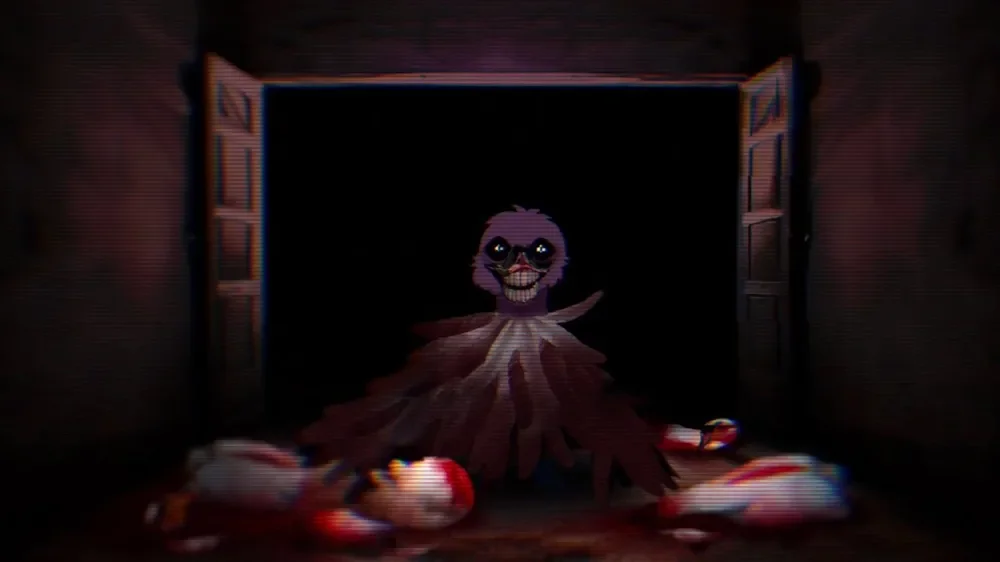
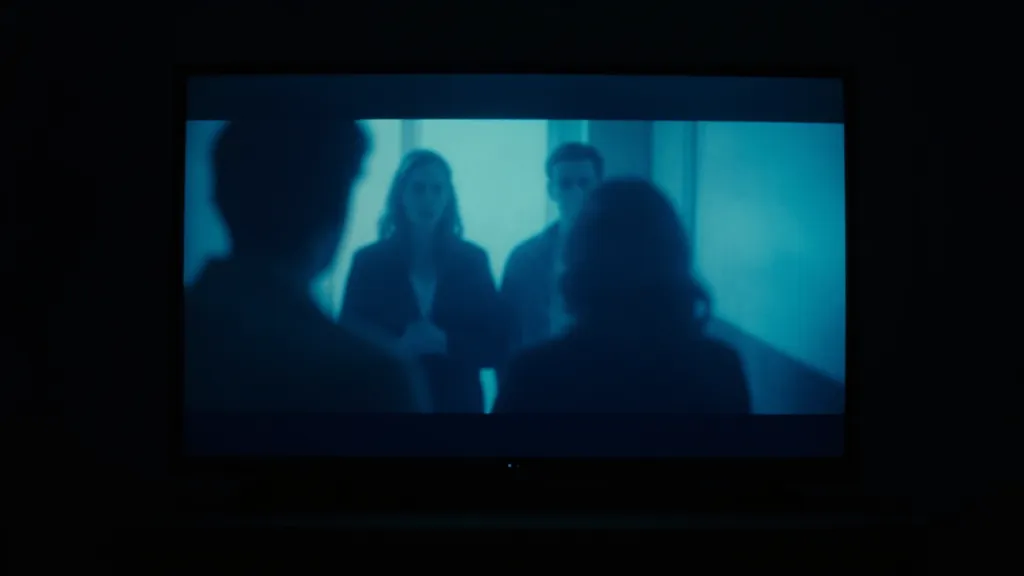
The combination of Lovecraftian horror and creepypasta merged with various visual formats upon encountering the YouTube platform. The most representative is 'Analog Horror,' which established itself as an independent genre thanks to the popularity of Chris Straube’s 'LOCAL58' series in 2015 and Alex Kister’s 'The Mandela Catalogue' in 2021 6. Analog Horror is a production technique that evokes a strange and eerie atmosphere by imitating the low resolution and noise of VHS tapes or television screens from the 1980s and 1990s 6.
Analog Horror also expands into the category of cosmic horror. The 'GEMINI HOME ENTERTAINMENT' series, which deals with rogue planets mutating life forms between Neptune and Pluto, is often praised for its strong cosmic horror tendencies due to these characteristics 6. Analog Horror utilizes the physical defects and low resolution of old VHS tapes as a medium for horror. In the digital age, where clarity is equated with truth, distorted and interrupted screens prevent viewers from fully grasping information, stimulating anxiety. This is similar to the way creepypasta intentionally withholds revelation, representing the implementation of cosmic horror’s theme of 'cognitive limits' through visual devices.
The tag 'cosmic horror' is used as a comprehensive term encompassing not only videos featuring characters from a specific mythological system, but all videos that stage massive threats beyond human understanding through various video grammars.
A Domestic Horror Ecosystem Completed Through Narration and Visualization
The domestic YouTube ecosystem also follows a pattern of combining this horror structure with narration-centered explanatory videos or visual productions. The channel 'BangAl,' opened in August 2020, specializes in conveying creepypasta creatures and various horror themes through Korean narration. According to Socialrus data, as of November 8, 2026, it has recorded approximately 17,000 subscribers and 4.74 million cumulative views 7. While creepypasta was primarily distributed through text and low-resolution images, the domestic YouTube ecosystem reconstructs it using narration and visual materials. The method of introducing and explaining creepypasta narratives in Korean, as seen on channels like BangAl, can be viewed as a variation optimized for visual media from the copy culture of English-speaking forums.
Channels are also increasing in number that create short videos by combining AI-driven visual productions with narration-based horror content. Hong Cinema is a representative example. Hong Cinema, which tags its channel description with '#aiMovie #ai #shortFilm,' simultaneously stimulates hearing and vision through visual effects such as 'countless eyes in black clouds,' 'frozen passengers,' and 'a plane descending into formless darkness' 1. The female passenger in Hong Cinema’s video ultimately walks out of the plane into the darkness in response to the call of an unknown entity, without accurately understanding the massive form outside the window 1. The video does not explain the identity or cause of this entity until the end; it concludes with a mysterious disappearance, marked by a caption stating that the plane was not found in the news 1. This is not because a monster named Cthulhu appeared, but because it follows Lovecraft’s grammar of horror, dealing with 'powerlessness' before an immensity that humans can neither combat nor understand. YouTube’s 'cosmic horror' videos are not the Cthulhu Mythos itself, but rather the result of the structure of horror defined by Lovecraft in 1927 being copied in creepypasta formats on forum boards, and then reconfigured through YouTube’s various video grammars and visualizations.