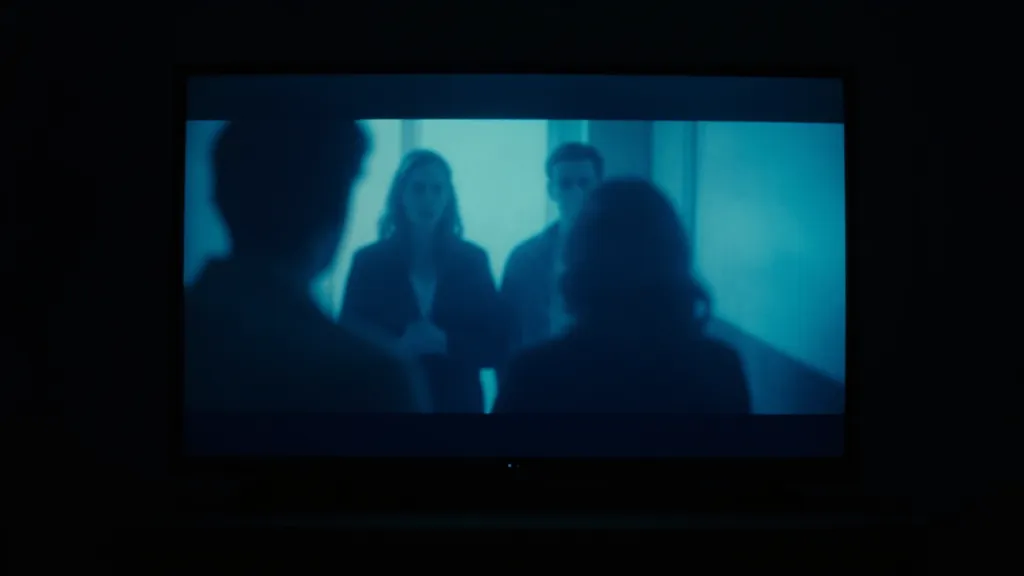
Last night, I turned off the lights, lay in bed, and pressed play on a new true crime documentary on Netflix. The moment the blurry CCTV footage appeared on the screen accompanied by tense background music, a cold chill ran down my spine.
Suddenly, a question occurred to me: "Is what I am watching right now actually real?"
Beyond being just scary stories, are you aware that the "based on true events" content we trust and watch is currently walking a strange tightrope between mystery and distortion in the year 2026?
A PD's Lost Memories in the Well, and the Vanished Truth
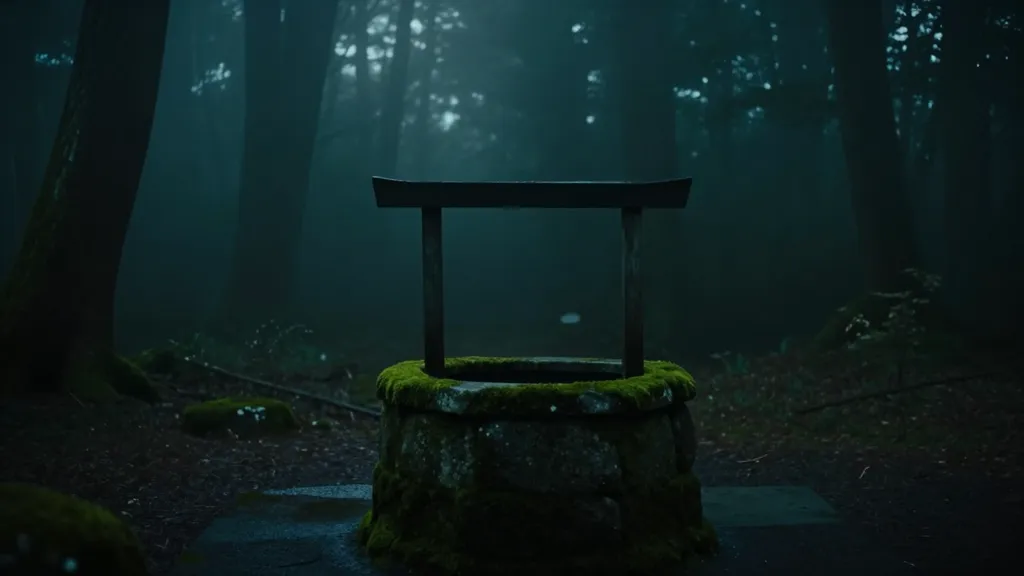
A few years ago, a story covered by a mystery channel gave me quite a shock. It was the story of a production crew investigating the "Ghost Well" near Mt. Shishio in Ibaraki Prefecture, Japan, in the late 90s.
As soon as they arrived at the scene, a bizarre phenomenon occurred where a staff member lost consciousness, and the walls of the well were covered in desperate scratches, as if made by someone's fingernails. The most chilling part came next. The PD at the time had forcefully demanded that the reporter be lowered into the well, but the very next morning, that same PD acted as if he had lost his memory, claiming, "I never made such a demand yesterday."
It was as if his memory had been manipulated by supernatural forces. This story, coupled with the theory that it served as the motif for the well of Sadako in the movie The Ring, transcends a simple ghost story and approaches us as a palpable horror.
However, the point we should focus on here is not the "existence of ghosts." It is the uncertainty of memory and the forms of horror reconstructed by the media. In this way, strange real-life events are constantly reinterpreted through online platforms, posing the question to us: "What is real?"
Screams from 20 Years Ago, the Truth of a Cold Case Reawakened
Horror does not stop at supernatural phenomena. The brutal crimes committed by humans also drive us into the deepest terror.
Recently, in April 2026, the re-examination of the 2001 Yeongdong Jeong So-yun case through the YouTube channel 'Kim Sang-ga-un-di' left many hearts heavy. Although 20 years have passed, digital archiving technology and modern analytical methods are bringing back clues that were overlooked at the time.
In particular, the state of the severed wrist and the mysterious traces left on the fingernails strongly suggest that this was not a simple accident, but that there was third-party intervention. The process of re-examining the insufficient investigation of the early 2000s through a modern lens provides the thrill of a gripping mystery on one hand, but on the other, it instills a sense of ethical responsibility toward the victim who perished unfairly.
Why does this True Crime genre enjoy such fanatical popularity? Psychologists say it is because, while watching abnormal crimes, we learn 'self-protection instincts' and simultaneously feel a sense of relief by indirectly experiencing real-world dangers from the safety of our living rooms. However, in this process, there is always a risk that the case might be consumed merely as 'entertainment.'
Edited Truth, the Tears of Participants, and the Excuses of Producers
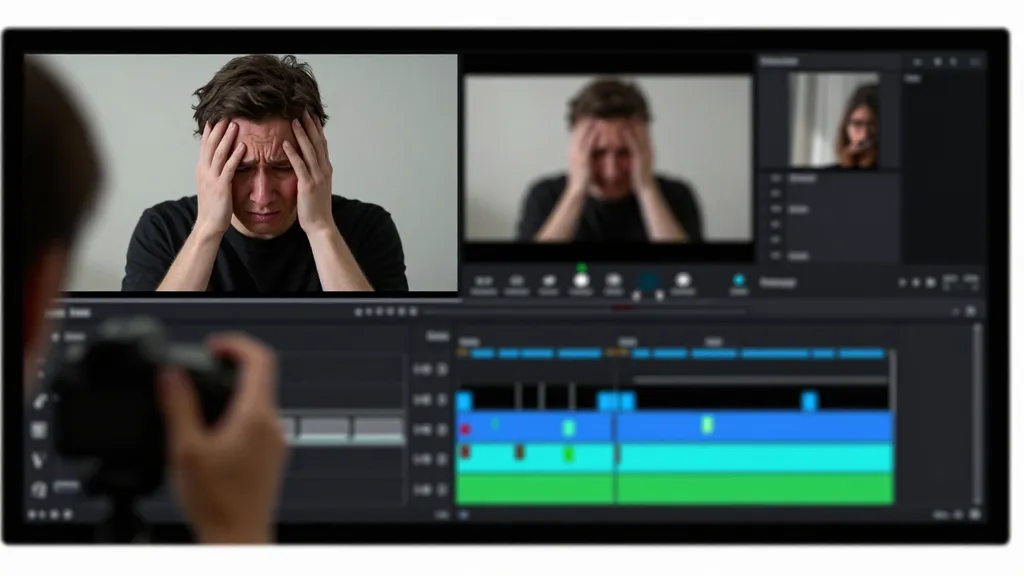
Here, we face the most uncomfortable question: "Are documentaries truly objective?"
Recent controversies surrounding Netflix documentaries directly answer this question. In a certain work dealing with human trafficking victims, participants vented their indignation, claiming their reputations were damaged because they were edited in ways they never intended. A single specific photo may be used as decisive evidence of a crime, yet the context of that photo can be completely distorted by the production team's editing.
The subjective editing hidden behind the authority of a documentary as a 'record of facts' is a double-edged sword that can cloud the viewer's judgment.
Similar controversies occur domestically as well. A representative case is when the production team of the program 'Destiny War 49' received criticism for using contradictory phrases in their statement following a controversy: "We sincerely apologize" and "We will clear up the misunderstanding." Experts point out that 'an apology (Sorry) and an explanation (Explanation) are distinctly different genres.' This is because their sincerity varies completely depending on whether it is a confession admitting wrongdoing or an excuse to evade responsibility.
The suspicion that the screen we see might be an 'edited truth' reassembled according to the producer's intentions—this is the sharpest perspective a modern media consumer should possess.
AI and Synthetic Media: The End or Evolution of Documentaries?
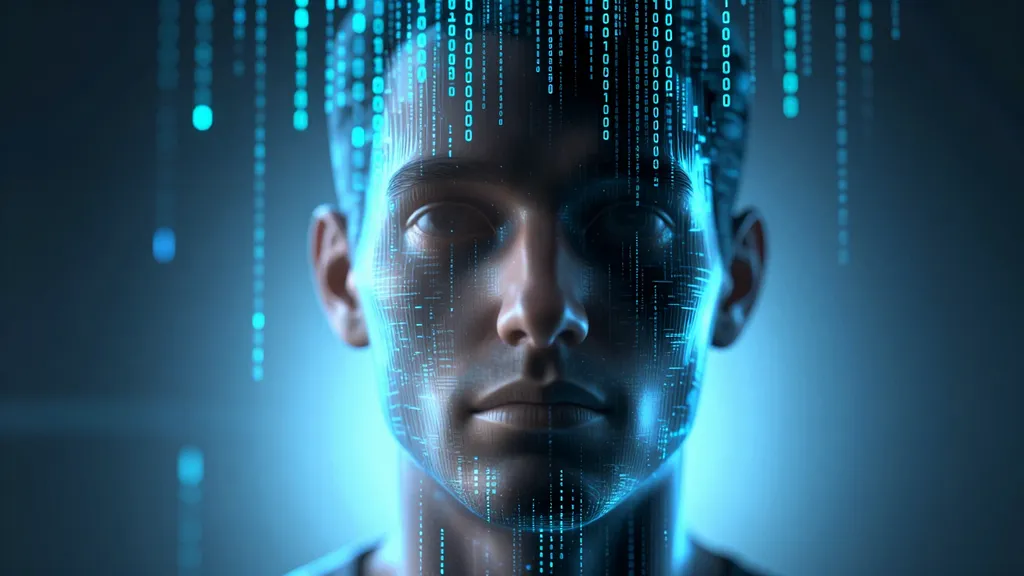
Now, the realm of horror is expanding into the realm of technology. Deepfakes and synthetic media, which have become a hot topic since the end of 2025, are shaking the very essence of documentaries.
Generative AI is now being used to restore the voices of deceased individuals (synthetic resurrection) or to clearly enhance low-quality historical records (archive restoration). This appears to be an innovative tool that helps preserve records. However, at the same time, when 'plausible images' created by AI are used as evidence of actual events, what are we to believe?
While technology expands the production methods of documentaries, it simultaneously maximizes the uncertainty of the 'truth claim.' An AI-generated image is merely the result of data computation, not a physical reality. Nevertheless, we are at risk of being deceived by its sophistication and accepting it as 'fact.'
What We Must Do to Distinguish the 'Real'
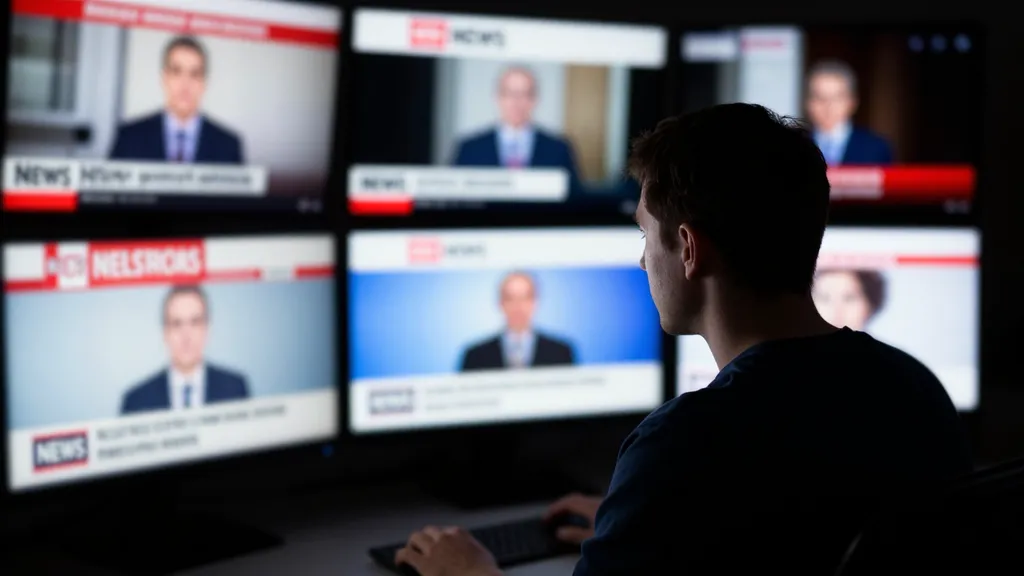
As we have seen, mystery content in 2026 takes on very complex forms, ranging from supernatural ghost stories to the re-examination of crimes and AI technology.
To summarize:
- Mysteries dealing with supernatural phenomena maximize horror when combined with the uncertainty of memory.
- True Crime is walking a precarious tightrope between social justice and ethical consumption.
- The subjective editing of media and the advancement of AI technology force us to constantly question the 'truthfulness' of the videos we watch.
Ultimately, what matters is our attitude as consumers of content. Rather than being immersed in the stimulation provided by the intense images on the screen, we need eyes that can critically view the producer's intentions and the possibility of technical distortion hidden behind them.
Horror comes from ignorance, and truth begins with doubt.
Among the documentaries you have watched recently, was there a video that made you feel, "This seems a bit too manipulated"? Let us know your thoughts in the comments.
References
- 기묘한 미스터리와 실제 사건들..2026년 3월 미스터리 영상 몰아보기 ... · youtube.com
- 그것이 알고싶다 김상가운디 - TikTok · tiktok.com
- 너네는 그 사진이 그녀가 인신매매 당했다는 증거라고 생각 안 해..? · reddit.com
- 운명전쟁49 제작진 공식 입장문인데 프로그램 자체의 기획의도와 컨셉 ... · instagram.com
- 그것이 알고싶다 - 나무위키:대문 · namu.wiki
- 한국 트루 크라임 다큐멘터리 장르 심층 분석 - 마틴 시드 매거진 · ko.martincid.com
- 심야괴담회 - 나무위키:대문 · namu.wiki
- 단지 새로운 것?: 딥페이크 이후 합성 미디어와 다큐멘터리 영화 · dockingmagazine.com