In 2026, the theatrical market is showing a clear polarization, with large-scale blockbusters commanding overwhelming spectacles and mid-budget thrillers delivering tight tension, each drawing distinct audience segments. In the first half of 2026 alone, theaters drew approximately 37.369 million admissions, recording a sharp recovery of 74.9% compared to the same period in the previous year 1, while the second half has seen a succession of ultra-high-budget productions, including "Hope" and "The Odyssey," opening their curtains. Yet, behind the scenes of this lavish scale, mid-budget thrillers and genre films such as "Assassins" and "Lost Paradise" have secured top spots on the box office during specific periods, earning solid support from audiences 2, 1.
Audiences are not fixated solely on the glamour of the big screen. When fatigue from massive visual experiences accumulates, demand for mid-budget thrillers with narrative intensity and high immersion surges significantly. In this market environment, making wise theater choices requires understanding how screen formats and screening hall conditions maximize a film's specific strengths. We will analyze in detail the visual and auditory mechanisms offered by each screen type and the viewing methods best suited to them.
Explosive Recovery and Polarization of Screen Formats
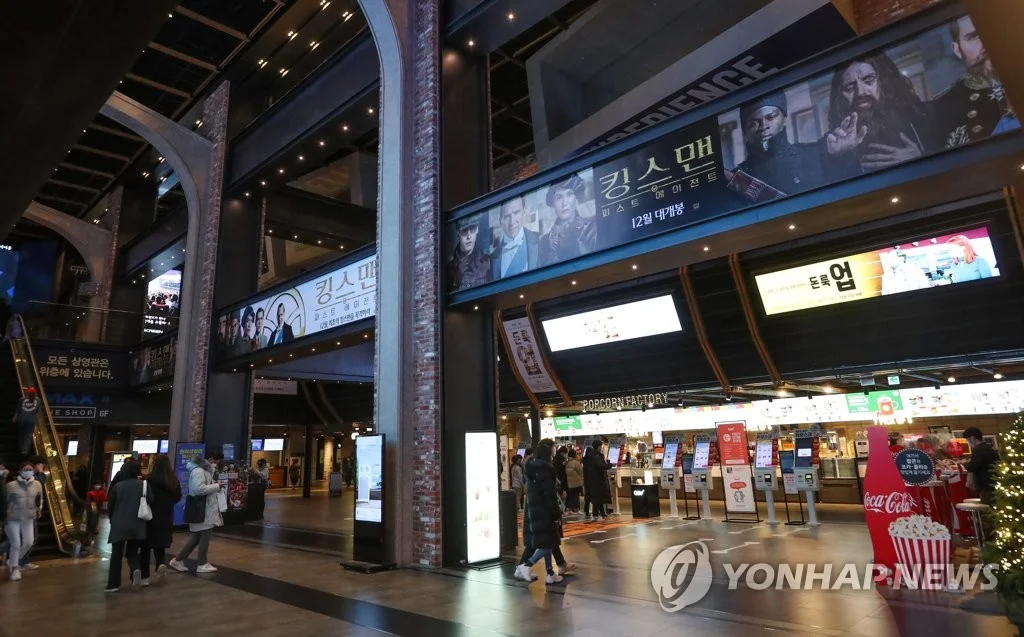
The core driver of the revival of the Korean theater market in the first half of 2026 was clearly "killer content." According to data from the Korean Film Council (KOFIC), theater revenue in the first half reached 370.2 billion KRW, marking an 81.7% growth compared to the same period last year. This figure exceeds the admission growth rate of 74.9% 3, 1. This indicates that audiences sought out high-quality screening halls even if it meant paying higher ticket prices. In particular, the distinct expansion in demand for special format screens and the increase in weekend night showtimes drove up the average ticket price 3. The strength of these large screening halls proves that audiences are willing to pay for "overwhelming visual experiences only available in theaters."
Conversely, the market is not filled solely with blockbusters. While the three multiplex chains—CGV, Lotte Cinema, and Megabox—are pursuing survival strategies focused on premium experiences through special format screens like IMAX and 4DX 3, audience fatigue regarding weekend ticket prices reaching 15,000 KRW is simultaneously accumulating within the theater industry 3. It is at this juncture that audiences fatigued by blockbuster spectacles begin to shift their gaze toward mid-budget thrillers enjoyed in standard or small screening halls.
The simultaneous popularity of the physical pleasure of large-format screening halls and the narrative focus of small screening halls is not merely a matter of preference. It suggests that viewing choices are flexibly divided based on the audience's available time, financial flexibility, and psychological state on any given day.
Structural Background of "Blockbuster Fatigue" and Visual Excess
Audience expectations for large-budget films are higher than ever. Director Na Hong-jin's "Hope," a mega-budget SF thriller produced with over 50 billion KRW, topped the pre-sale charts as early as 11 days before its release, proving the market's explosive anticipation 4, 1. The combination of prominent actors such as Hwang Jung-min, Jo In-sung, and Michael Fassbender has been hailed as the most international project in Korean film history 4, promising a scale that would fill the largest screens.
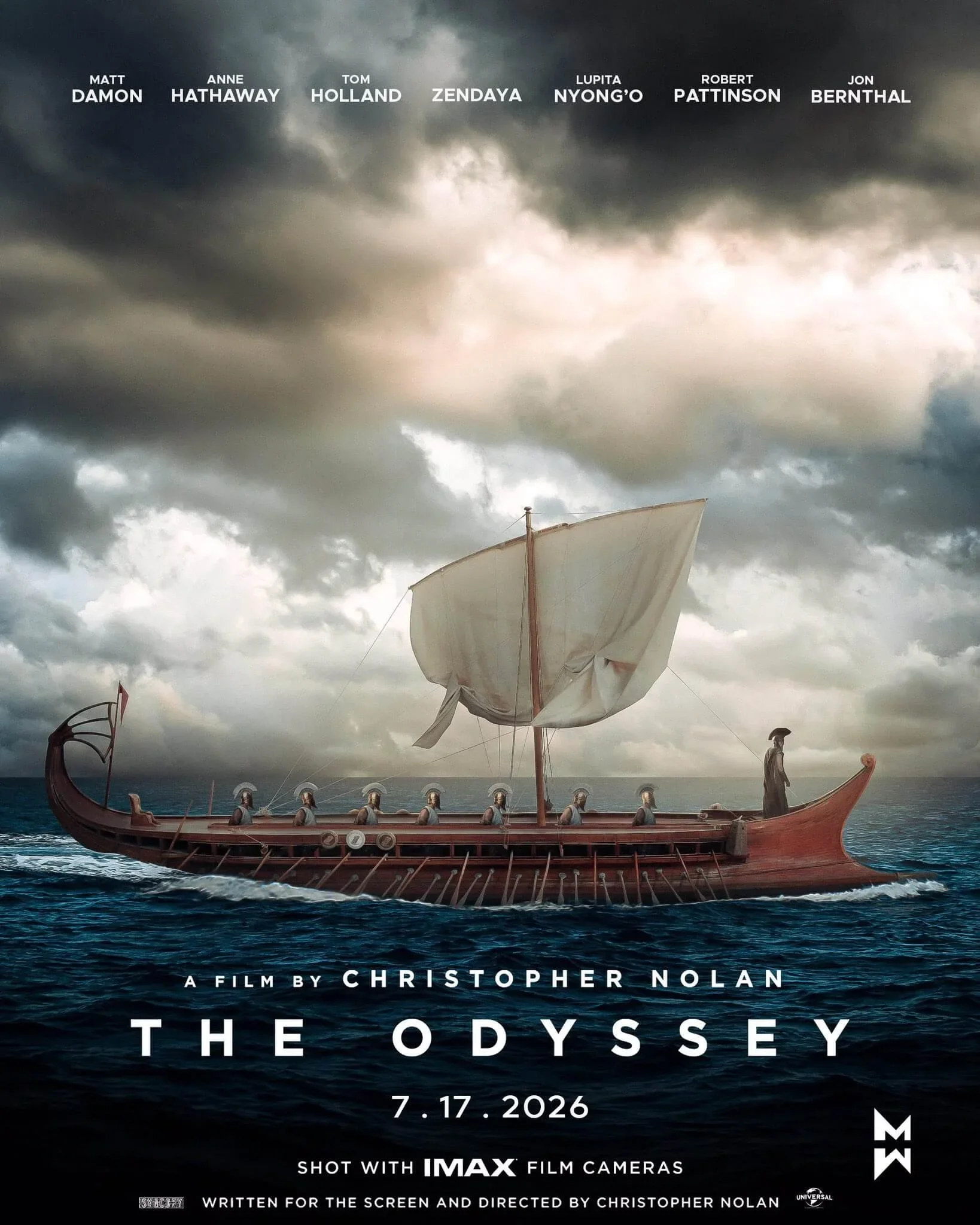
Director Christopher Nolan's "The Odyssey" is a case that pushed these expectations to the extreme. On its opening day, August 5, 2026, it mobilized 290,018 admissions to take the number one spot, a figure that overwhelmed the opening scores of domestic 10-million-admission hits "The Man Living with the King" and "Swarm" 5. Audiences praised "The Odyssey" as a "true cinematic experience" featuring "Christopher Nolan's signature overwhelming direction," highly appreciating the harmony between its massive scale and sound design 5.
However, when such waves of ultra-high-budget productions persist, audience senses inevitably adapt. Visual excess initially provides overwhelming pleasure, but when repeated, it dulls narrative tension. Immediately after fully enjoying the visual language of traditional historical dramas with "The Man Living with the King," which surpassed 16 million cumulative admissions by mid-May 3, the subsequent arrival of "Hope" and "The Odyssey" during the summer peak season demands both physical and psychological energy from audiences. The mechanism whereby flashy CGI or massive screen compositions of large blockbusters induce fatigue from one-sided visual stimulation serves as the structural background for "blockbuster fatigue."
The Counter-Journey of Mid-Budget Thrillers and the Power of "Ultra-Close-Contact"
When fatigue over massive scales grows, "ultra-close-contact, high-density genre films" become the protagonists of this counter-journey. This issue of the Korean Film Council's webzine, "Webzine Korean Film," deeply explores the survival formula of mid-budget genre films, guided by the motto: "Smaller Scale, Higher Immersion." This refers to a production style that maximizes audience immersion within narrow, limited physical spaces, rather than pouring massive budgets into creating visual grandeur 2, 2.
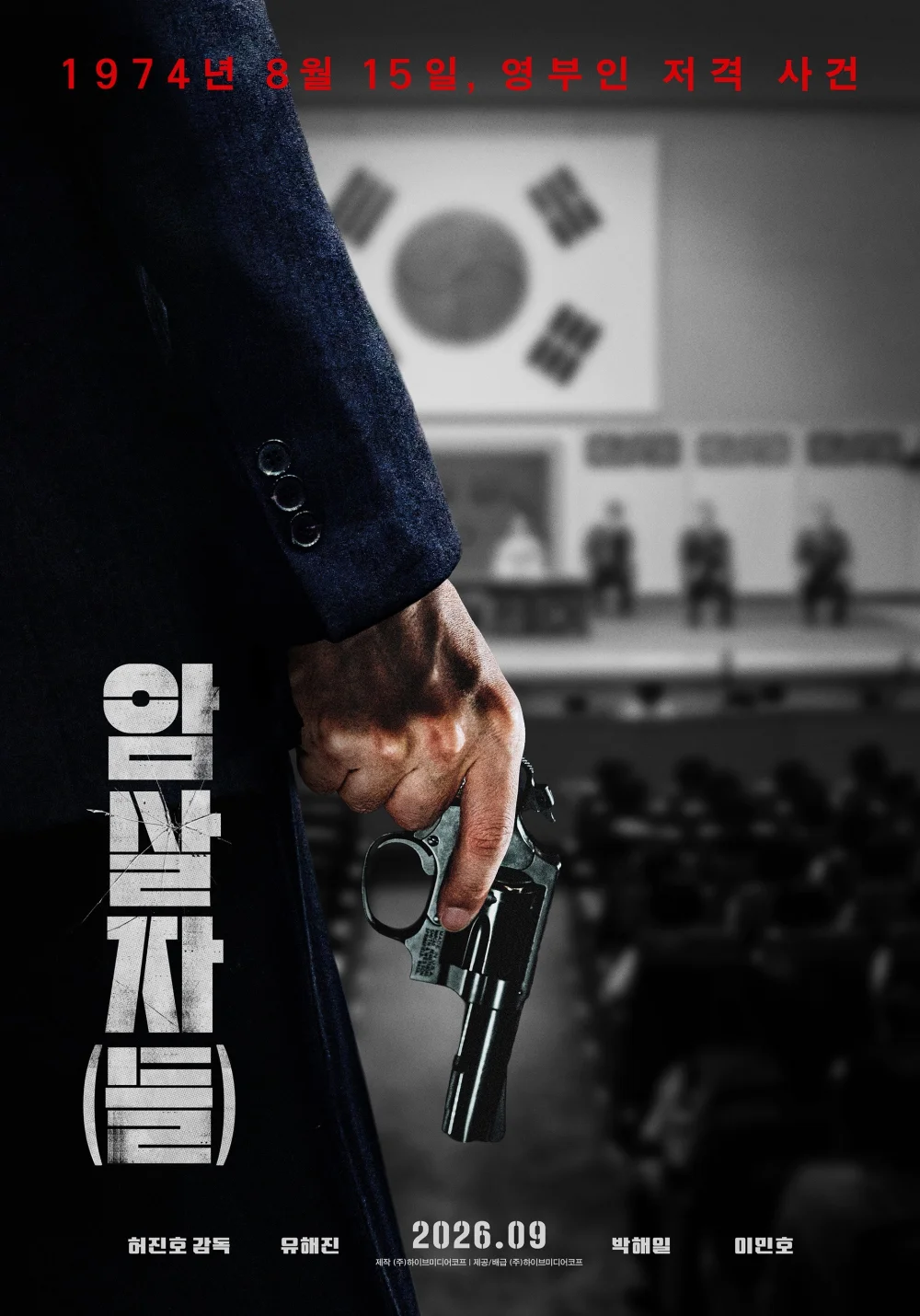
The box office results for the fourth week of October 2026 clearly demonstrate the reality of this shift. "Assassins," starring Ryu Hyeon, Park Hae-il, and Lee Min-ho, released on September 23, and "Lost Paradise," released on October 21, settled in second and third place, respectively 2, 1. "Assassins," a noir action thriller targeting the Chuseok holiday special, recorded 130,000 admissions and 1.2 billion KRW in revenue after its release 1, 2, proving how firmly demand for specific genres persists alongside blockbusters.
In particular, "Lost Paradise" is a mid-budget work drawing attention for its narrative depth, so much so that it landed in the top three box office rankings while simultaneously prompting an in-depth critique in the webzine "Webzine Korean Film" under the theme "How to Live Without Paradise" 2. It shifts focus away from the scale of vast universes or massive wars, narrowing the lens to human interiority and the tension of daily life. Instead of physical size filling the screen, mid-budget thrillers stimulate the five senses through tight framing and meticulous narrative structures. This tense storytelling is the decisive secret to its counter-journey, providing definite catharsis to audiences fatigued by visual stimulation.
Optimal Viewing Tips by Screen Type
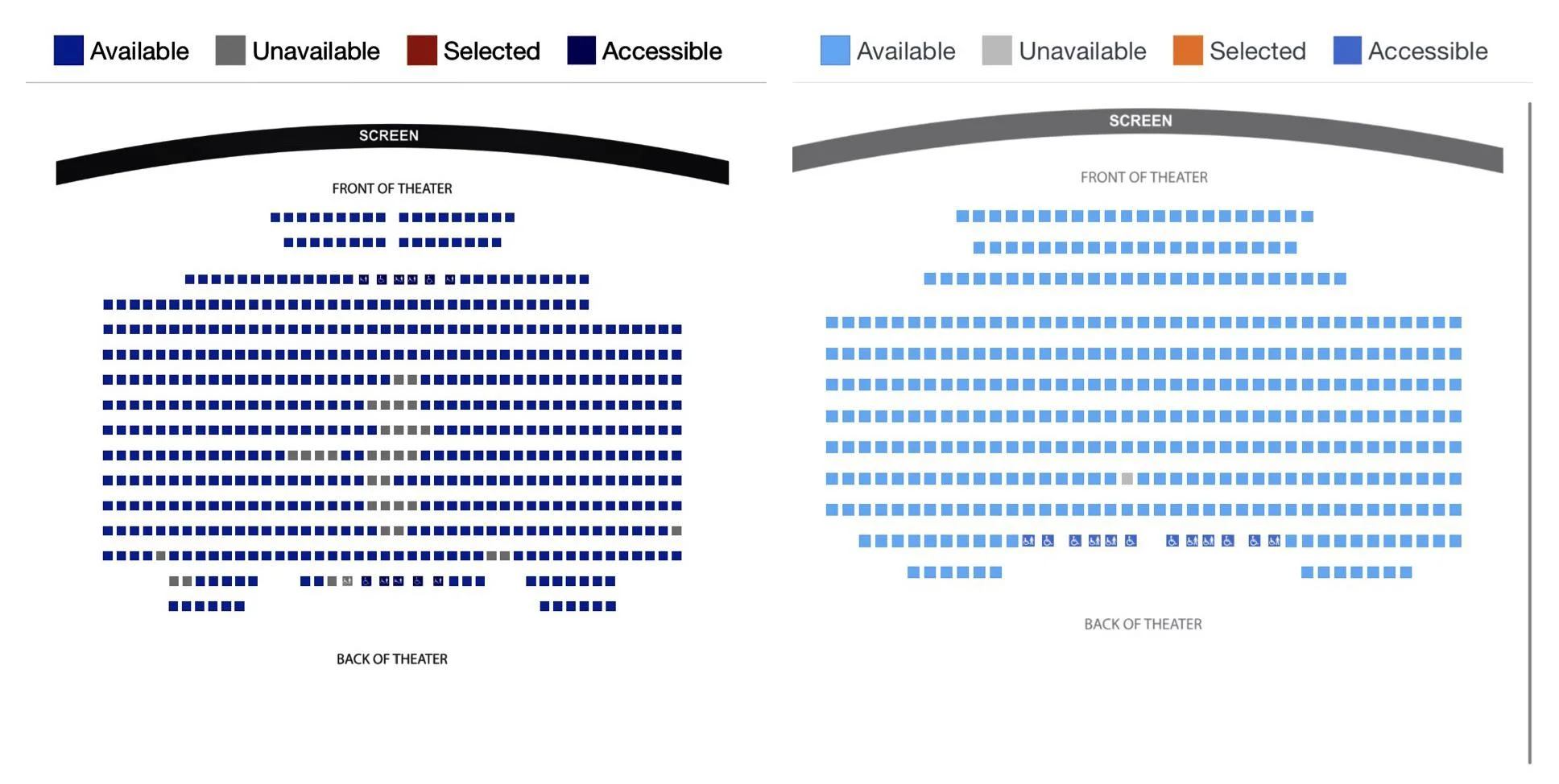
To wisely enjoy both the visual overwhelmingness of blockbusters and the narrative immersion of mid-budget thrillers, a precise understanding of screen types and screening hall environments is essential. Identifying the structural characteristics of the theater maximizes viewing satisfaction.
Blockbusters must be selected in optimized large-format screening halls. Epic narratives like "The Odyssey" lose half their value when watched in standard 2D halls. IMAX screens, a focus of the three major theater chains, offer an overwhelming aspect ratio (full edge-to-edge projection) and a unique soundscape 3. Audience reviews noting that "sound, art direction, and other elements of completion harmonize with the large-scale production" 5 are possible because these special format screens provide the underlying physical spectrum. Sitting slightly back from the central axis of the large screen, at the "sweet spot," is the golden position for viewing blockbusters, reducing visual fatigue while capturing the entire frame.
Conversely, counter-journey hits among mid-budget thrillers are optimized for standard or general screening halls that can maximize "acoustic reverberation and focus." Since this is a genre where theater noise can undermine narrative tension, viewers should choose seats at a moderate distance from the sound speakers and where eye level aligns exactly with the screen. For films with deep aesthetic and philosophical value like "Lost Paradise" 2, it is necessary to avoid environments where eye level wavers due to looking down at or too close up at the screen. Only then can audiences fully experience the subtle emotions in the dialogue and the intimate feel of the space.
Wise utilization of discounts is also essential. The government distributed approximately 2.05 million discount coupons for 6,000 KRW ticket prices to stimulate the market in the second half of 2026 1. As experienced in the week following the distribution in May, when revenue surged by 47.9% compared to the previous week 1, discounts are a powerful catalyst that lowers the audience's psychological resistance. When watching blockbusters, one should secure special format specs despite the high price resistance. In standard halls where discounts apply, enjoying the tight narrative pleasure of mid-budget thrillers or genre films is the most economical and rational viewing strategy.
Rediscovering the Reason for Stepping Into the Theater

The fact that killer content such as "If We Were Us," "The Man Living with the King," and "Swarm" brought 37.36 million audiences back to theaters in the first half of 2026 3, 1 demonstrates that the vitality of cinemas remains alive. Despite the ubiquity of OTT, audiences continue to seek physical screens that can satisfy both visual pleasure and narrative catharsis. However, this trend is not unilaterally skewed toward large blockbusters.
In phases where the spectacle of large screens causes visual excess and fatigue, the tight narratives and ultra-close-contact tension of narrow spaces found in mid-budget thrillers provide audiences with a definite escape and satisfaction. Audiences are internalizing complex tastes, simultaneously enjoying visual ecstasy through SF or epics of massive cosmic scale and experiencing the chill of human interiority in suffocating thrillers set within narrow rooms. Careful consideration of screen types and sizes when choosing where to watch is the most surefire way to enjoy the value of true immersion offered by films in the 2026 theatrical landscape, where the glamour of blockbusters and the tension of thrillers intersect.
References
- 상반기 관객 75% 급증한 극장가…하반기 대작·할인권 들고 ‘회복세 굳히기’ · sports.donga.com↩
- 웹진 한국영화 · magazine.kofic.or.kr↩
- 2026 상반기 극장가 부활 신호탄, 여름 텐트폴 대전 막 올랐다 · issueinsight.co.kr↩
- 2026년 하반기 극장가 기대작 10선! · d-art.co.kr↩
- '오디세이', 개봉 첫날 29만 관객 돌파…박스오피스 정상 등극 [투데이 '픽'/iMBC연예뉴스] · youtube.com↩