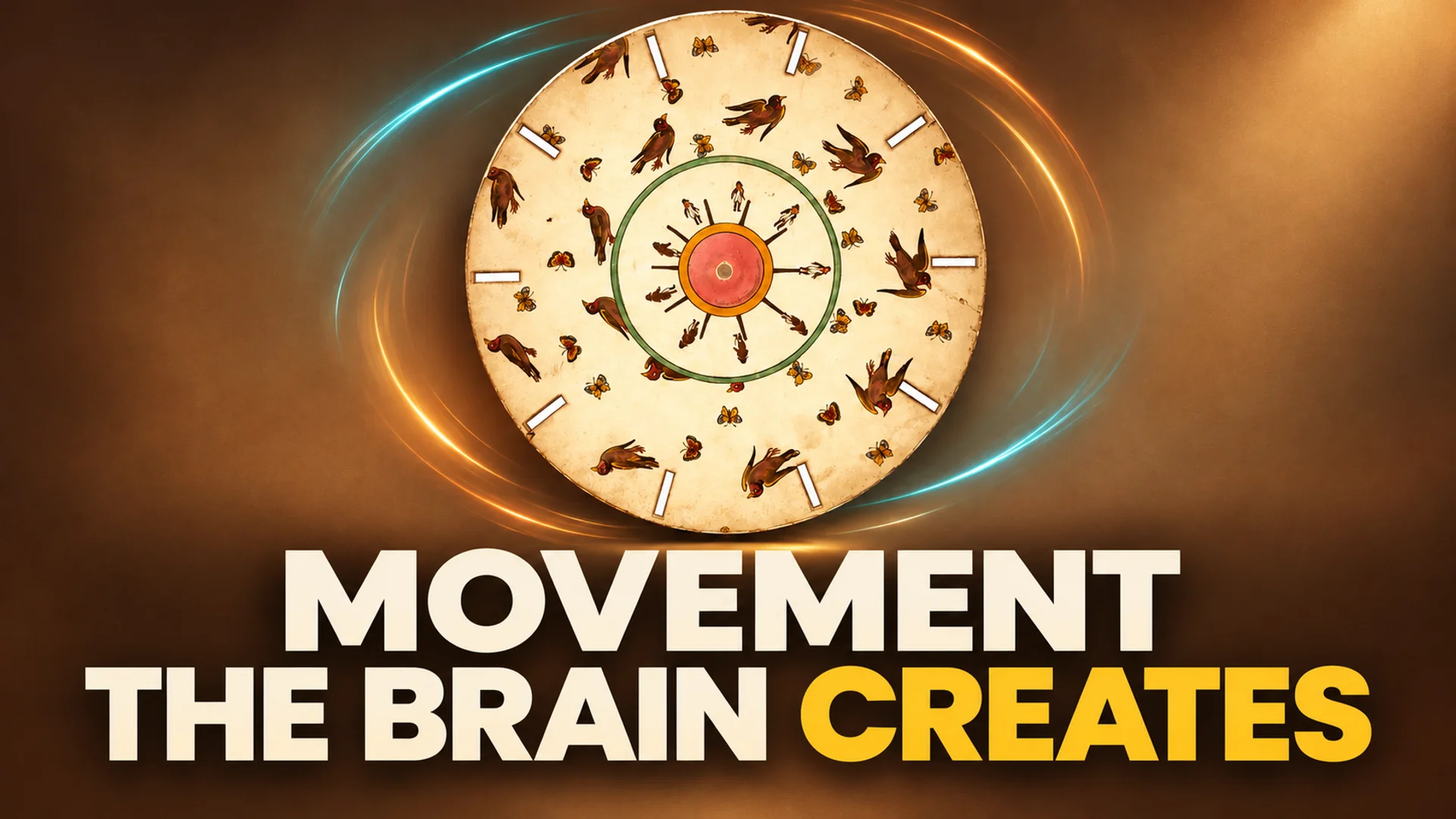
When four LEDs are mounted on a square frame and illuminated electronically in sequence, no one sees "four lights." Instead, they see "a snake creeping along the edges of the square." In reality, no object is actually moving. This happens because the brain binds the information of stationary light arriving at different times into a single continuous motion, creating an illusion. This phenomenon is called 'Beta movement'1.
Animation is a technology that leverages this illusion of the brain. Whether drawing by hand, moving 3D models with a computer, or instructing an AI to generate video, the fundamental principle remains the same. It involves displaying static images rapidly in succession, causing the brain to interpret them as movement1. The only thing that has changed is the 'method' by which the static frames are produced2. We will examine how these technologies—from the principles of how the brain perceives motion to traditional cel animation, 3D rigging, and recent AI video generation—apply the same principle in different ways.
The Illusion of Motion Created by the Brain
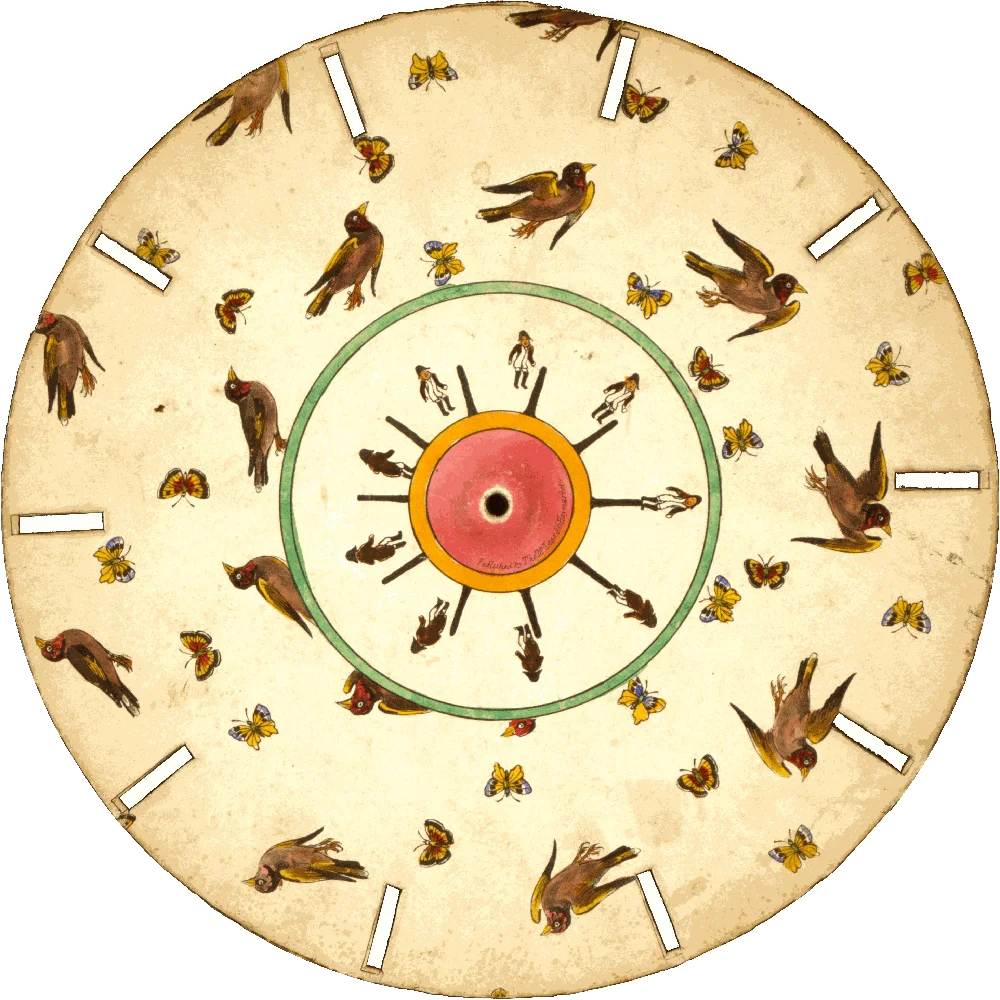
This perceptual characteristic functions not only in laboratory LED setups but also in LED displays encountered in everyday life1.
The basic unit traditional animation uses to implement this illusion is the 'frame.' Each individual drawing, flipping by rapidly, stimulates the brain's visual system, transforming a static array into dynamic perception1. Ultimately, creating animation is akin to meticulously assembling static images so that the viewer's brain completes the motion.
The Structure of Cel Animation: Making Hand-Drawn Images Come Alive
In the past, studios produced transparent plastic sheets, known as 'cells,' to induce this illusion in the brain. The term cel animation derives from the first part of the word Celluloid; it is a classic 2D technique that creates movement by drawing frames on thin, transparent plastic3.
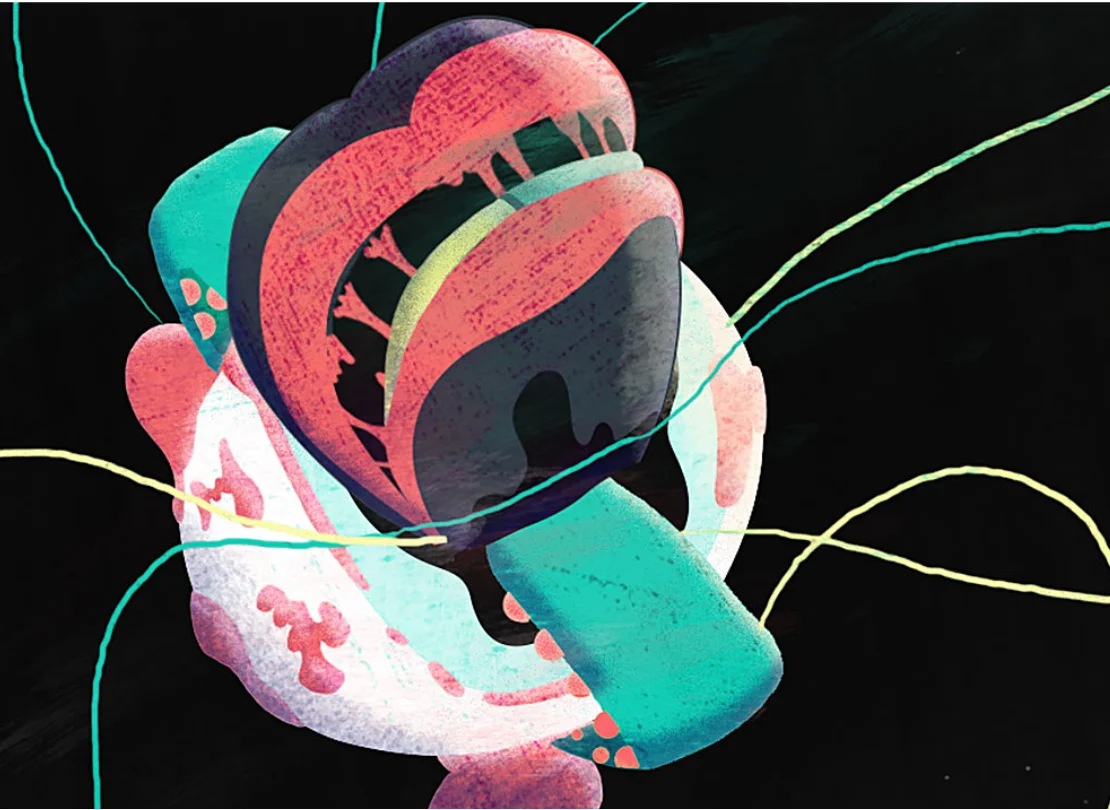
The workflow resembles a meticulous assembly process. First, the background is drawn separately in an opaque state, while characters have their outlines traced in black ink on transparent cells. Then, the sheets are flipped over, and colors are applied from the back to complete the coloring3. The completed cells are placed over the background and photographed one frame at a time to create video3. Since character cells could be swapped and placed over the same background, backgrounds were often depicted with greater detail than the characters themselves3.
The frame rate used during this process is typically between 12 and 24 frames per second3. With the introduction of digital tools, the use of physical cell sheets has decreased, but the underlying physical principle of creating static images for the brain to perceive has not changed3.
The Language of Animation: Creating a Sense of Physical Weight
If images are simply flipped at a rate of 12 per second, the brain may only perceive them as "a rapid change in screen." For movement to feel natural, mechanisms beyond simple positional changes are required to convey a sense of physical weight and inertia.
Disney animators Ollie Johnston and Frank Thomas developed these techniques as principles of animation4. These principles have become the baseline for designing motion not only in hand-drawn animation but also in current 3D workflows4.
For example, 'Squash and Stretch' imparts a sense of weight through object deformation. A ball flattens when it hits the ground and stretches when it bounces up4. The principle of 'Anticipation' creates realism through pre-action warm-up movements. A character might slightly crouch before jumping, allowing the audience to anticipate the upcoming motion4. These devices make the spaces between frames appear not as simple positional changes, but as if actual objects are experiencing impact and resisting gravity4.
The 3D Animation Pipeline: Implanting Bones and Computing Motion
In computer-based 3D animation, outlines are not manually drawn for each frame. Instead, motion is created through a 'pipeline' where people, hardware, and software work in a set sequence to produce the final output2.
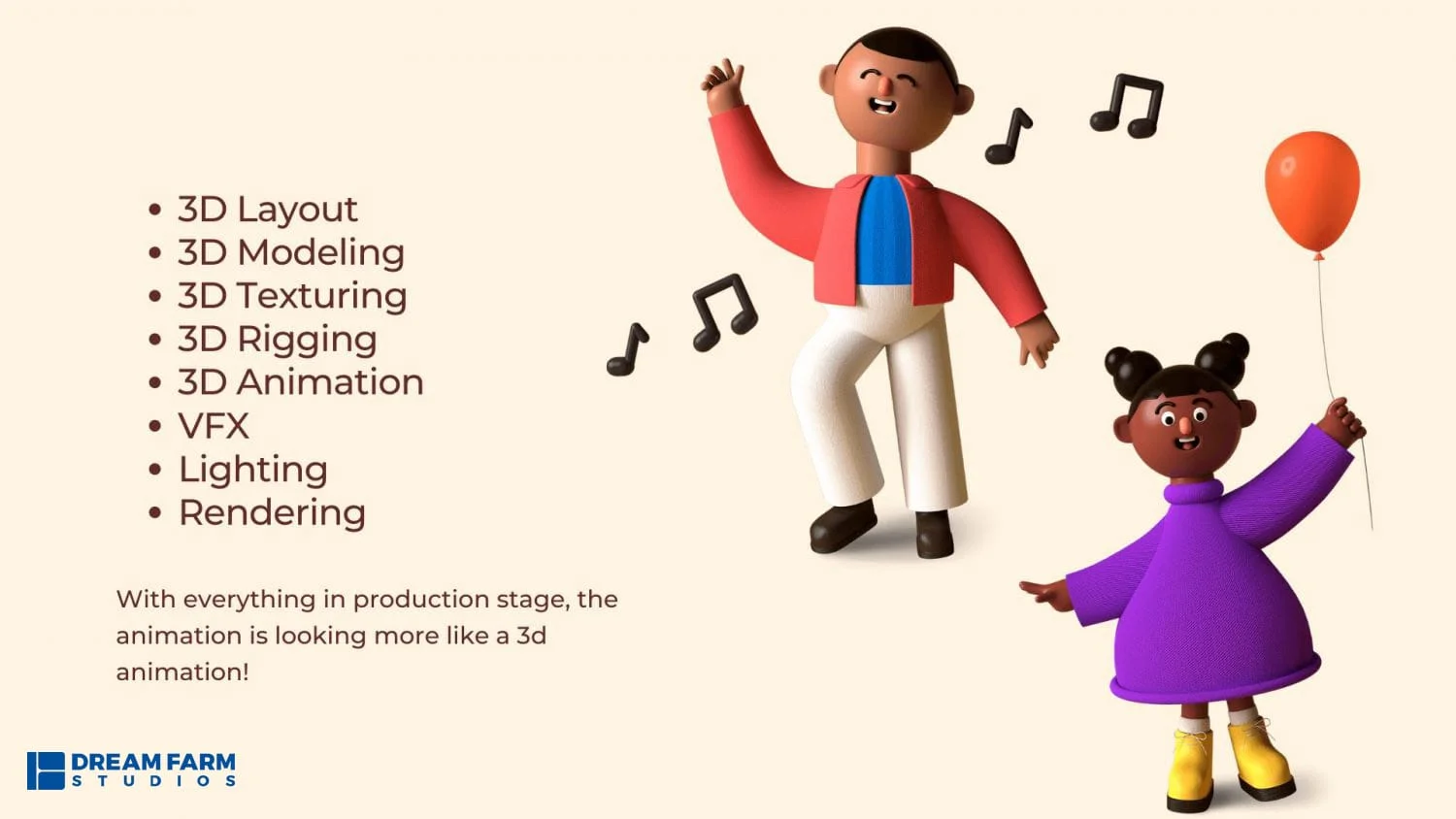
The core of this process is 'Rigging.' Rigging is the task of implanting a skeletal structure inside a 3D model, enabling animators to move complex geometric shapes quickly and efficiently by part2. The animation stage, where facial expressions and actions are applied to rigged characters, is the most time-consuming and critical task in the entire pipeline2.
Once the motion is defined, the 'Rendering' stage follows. Rendering is a computational process that converts 3D data into final 2D images or video layers2. In 3D animation, scenes are rendered in separate layers—including objects, colors, backgrounds, foregrounds, shadows, and highlights—which are then combined into a single frame during the post-production compositing stage2. Effectively, the method of creating the static screens delivered to the brain has shifted from physical photography to computer computation.
AI Video Generation: Bypassing Human Hands
Recent AI video generation technologies are changing the entity that creates the frames itself. In October 2025, Developer Kim Hyun-ho of KBDS, an IT subsidiary of KB Financial Group, shared an experiment using Google DeepMind’s AI video generation model 'Veo3'5.
Developer Kim Hyun-ho first converted a static image of the KB Financial Group mascot into a 'seaside background' using NanoBanana, then input it into Veo3. He added a short text instruction (prompt) describing a 'scene where the character waves lightly in greeting'5. Without 3D modeling, rigging, or hand-drawing, the static character generated a video where it actually waved its hand, complete with background and music5.
However, this method has limitations that require verification. According to Developer Kim Hyun-ho’s observations, the generated video exhibited phenomena where the shape of specific characters subtly deformed from frame to frame, or where facial consistency was reduced5. While AI strives to maintain consistency between frames, this case demonstrates that human refinement and adjustment remain necessary for full vitality5.
Just as the brain sees a snake when four LEDs light up, the fact that the viewer’s brain creates motion remains the same whether flipping cells, moving skeletons, or entering prompts1. Understanding that life is not entered into drawings, but rather that the brain weaves a series of stills into motion, clarifies the principle that runs through the past and future of animation.
References
- Beta movement and Phi phenomenon · mesosyn.com↩
- 3D Animation Pipeline: A Start-to-Finish Guide (2025 update) · dreamfarmstudios.com↩
- What Is Cel Animation & How Does It Work · jumbla.com↩
- RoleCatcher | 애니메이션의 원리: 기술 습득을 위한 종합 가이드 · rolecatcher.com↩
- [Tech] 이미지에서 영상까지: NanoBanana × Veo3 체험기 · blog.kbds.co.kr↩