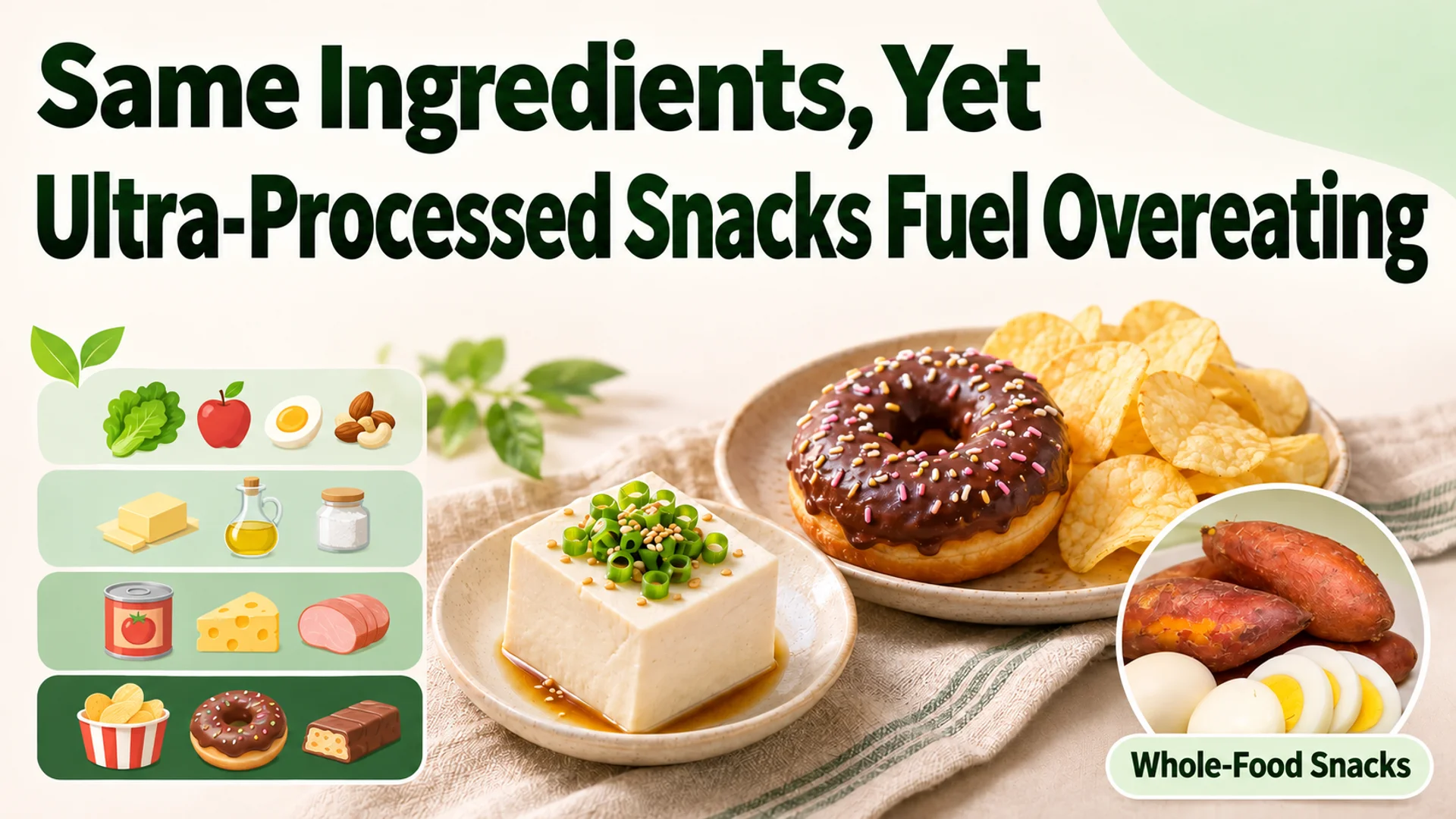
When we look at the back of a child’s snack package, figures like “protein: 10 g” or “low-fat” catch our eye. Since the nutrients appear adequately balanced, it is easy to believe that the child will neither overeat nor suffer adverse effects. However, a 2019 study by the research team of Dr. Kevin Hall at the National Institute of Diabetes and Digestive and Kidney Diseases (NIDDK) in the United States, published in the international journal Cell Metabolism, presented different results. The researchers prepared two diets in which total calories, sugars, sodium, fat, and dietary fiber had been pre-matched to be identical. Nevertheless, participants on the diet composed entirely of ultra-processed foods consumed an average of 508 kcal more per day than those on the minimally processed food diet and gained more weight. 1
Consequently, the value of “whole-food snacks” made at home lies not only in filling nutritional gaps but, more importantly, in eliminating the “industrial formulations” themselves that lead children into unnecessary overconsumption.
Ultra-Processed Foods Containing “Ingredients Not Found in a Home Kitchen”
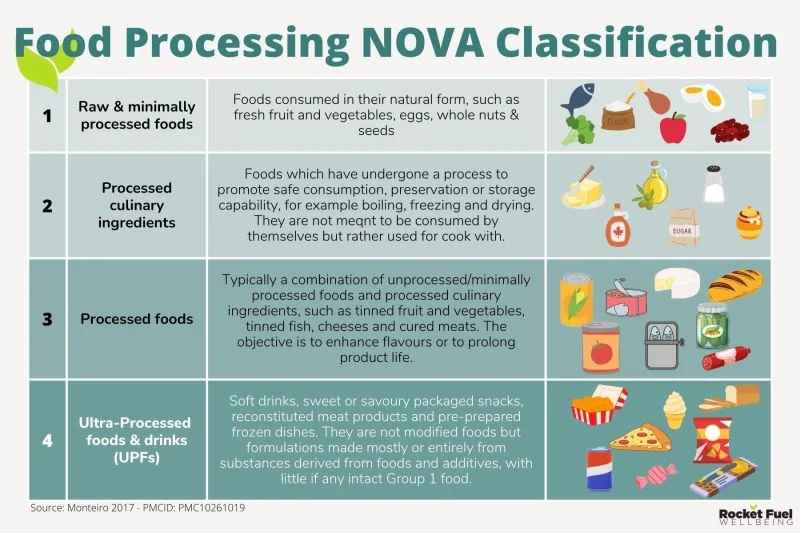
The NOVA classification system is widely used worldwide to categorize processed foods. It divides foods into four groups: minimally processed foods close to their natural state, culinary ingredients used for cooking such as salt or cooking oil, processed foods such as canned goods or cheese, and ultra-processed foods at the final stage. Ultra-processed foods are industrially formulated products containing emulsifiers, synthetic flavors, protein isolates, and modified starches, which are not found in an ordinary home kitchen. 21
When choosing snacks at the grocery store, the most practical criterion is the “ingredients list.” Instead of focusing on calorie counts or specific nutrient values on the nutrition facts panel, it is better to check for the presence of multiple ingredients that you would not actually use in home cooking. For example, commercially available protein bars may look like good foods based on the nutrition facts panel alone because they are high in protein. But the ingredients list often includes complex additives such as protein isolates, glucose syrup, palm oil, and flavors. In contrast, unsweetened yogurt is often listed with only “milk, live cultures” as ingredients. 2
It is also important to be cautious about relying solely on the label “sugar-free.” Sugar-free only means that sucrose was not added directly; it may still contain fruit juice concentrates or other forms of sugar. Therefore, the question “Does this use ingredients commonly used at home?” becomes the most intuitive and clear dividing line between whole-food snacks and ultra-processed snacks.
“Food Structure” That Makes People Eat More Despite the Same Nutrients
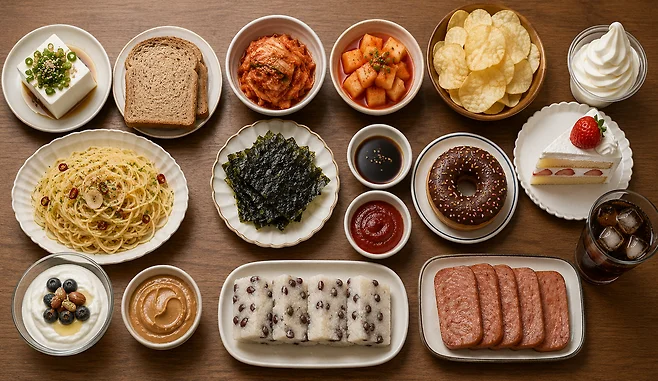
The significance of Dr. Kevin Hall’s study lies in the fact that it examined the effect of processing methods on intake while controlling all nutrient variables. Participants consuming the ultra-processed food diet exceeded their intake by an average of 508 kcal. The researchers attributed this outcome to excessive stimulation of the brain’s reward system. Ultra-processed foods artificially combine sugars, fats, and additives to maximize taste and texture. This combination strongly deceives the brain beyond actual nutritional needs, causing continuous consumption even when the stomach is full. 1
Home-made snacks do not form these overeating-inducing pathways in the first place. This is because they are not industrial formulations that artificially mix sugars and fats to drive excess intake, and they maintain the natural texture and structure of the food. Many epidemiological studies have reported statistical associations between ultra-processed food consumption and obesity, but the fact that a controlled trial with matched nutrients showed a difference in intake of over 500 kcal supports the conclusion that food structure, not just nutrient content, changes eating behavior. 1
The “10%” Impact on Children’s Emotional and Metabolic Indicators
Interestingly, a modeling (simulation) analysis in which part of the ultra-processed foods was replaced with minimally processed foods showed associations with symptom improvement.
Research by the Division of Obesity and Cardiometabolic Diseases at the Korea National Institute of Health, Korea Disease Control and Prevention Agency, published in November 2024 in the academic journal Nutrients, analyzed 149 obese children and adolescents aged 8 to 17 years. The group consuming the most ultra-processed foods had a 4.19 times higher risk of developing moderate or higher fatty liver compared to the group consuming the least. They also had a 2.44 times higher risk of insulin resistance. For every 10% increase in the proportion of ultra-processed foods in the diet, the prevalence of moderate or higher fatty liver increased by a factor of 1.37. 3
Naturally, the specific mechanism of emotional impact has not yet been fully elucidated, and because this is observational data analysis, it cannot be concluded that a single snack immediately causes problems. However, both studies offer feasibility through the “10%” figure. Modeling in the JAMA study suggested that switching to a 10% reduction in energy from ultra-processed foods was associated with improvements in behavioral and emotional symptoms, implying that replacing part of the daily snack with minimally processed whole foods may contribute to meaningful positive change.
Changes Actually Observed When Making Whole-Food Snacks
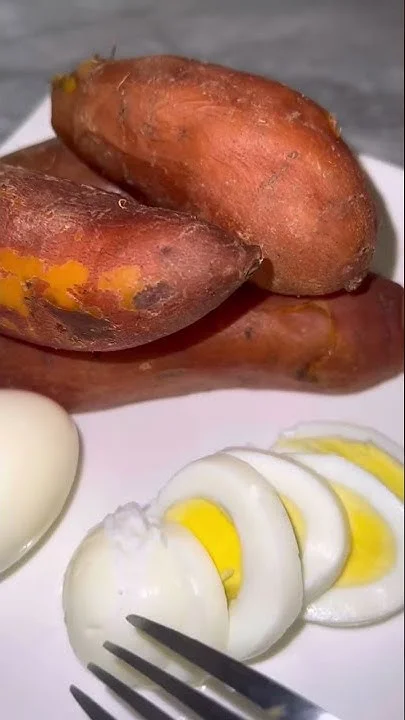
Whole-food snacks are usually composed of simple combinations of two or three ingredients, such as potatoes with olive oil and salt, or bananas with oats and eggs. This avoids the artificially high sugar and fat combinations used by ultra-processed foods and complex functional additives. Children naturally learn to acquire tastes within the range of “home-cooked flavors,” and because the physical structure of the food is preserved, the likelihood of distorted satiety signals is reduced. 1
Here are practical considerations when selecting snacks:
| Snack Type | Number of Ingredients | Characteristics and Cautions |
|---|---|---|
| Whole seasonal fruits (e.g., bananas, apples) | 1 | Preserves natural texture |
| Boiled eggs or roasted sweet potatoes | 1 | Prepared without added ingredients |
| Plain yogurt + honey | 2 to 3 | Check for unsweetened products without emulsifiers, etc. |
| Unsalted nuts (individually packaged) | 1 | Risk of choking in infants and toddlers |
The core question is not “How much to reduce processing?” but “How many ingredients not used at home to eliminate?” Even a product with a healthy image, such as whole-grain crackers, may fall short of whole-food standards if the ingredient list includes synthetic flavorings or sugar syrups. 2
Avoid the Fear That “Processed = Bad”
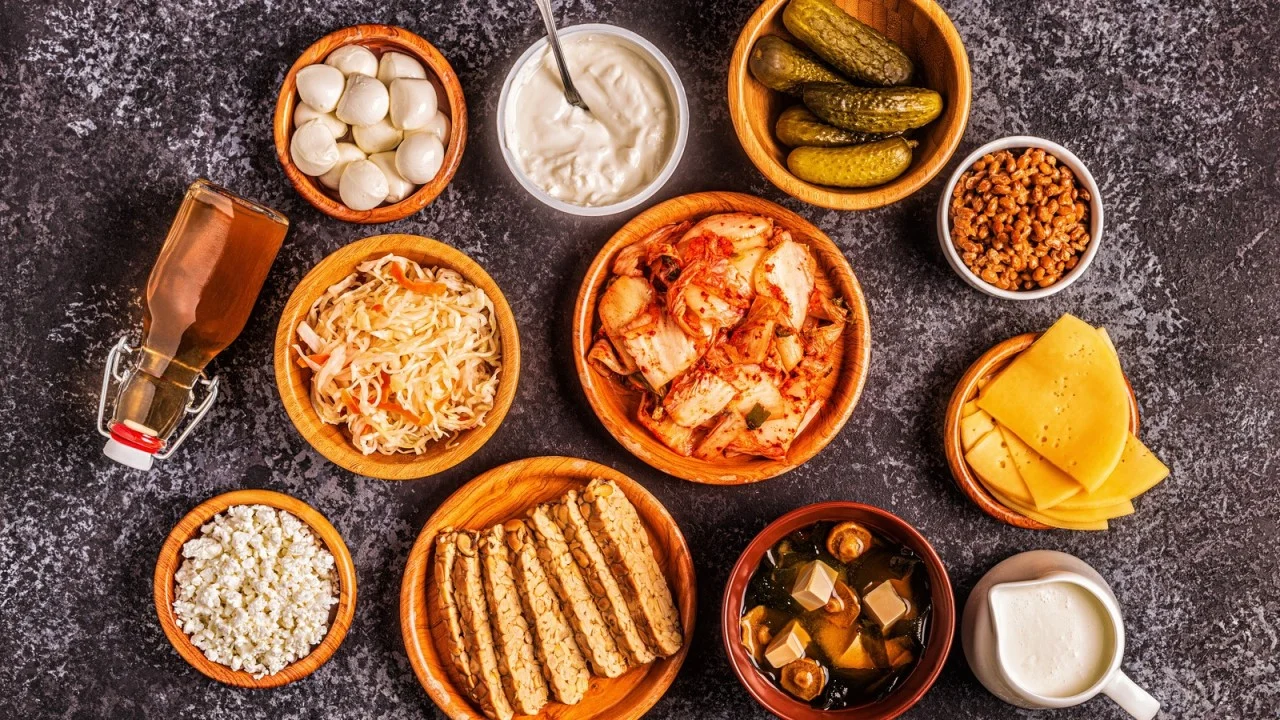
The NOVA classification is not perfect or absolute. Professor Susan Mayne at Yale University and Professor Arne Astrup at the University of Copenhagen in Denmark have criticized the criteria for not fully reflecting the nutritional composition of foods. Even highly nutritious whole-grain bread may be classified as ultra-processed if preservatives or enzymes are added during manufacturing. 1
Domestic research has also confirmed this ambiguity. In a study by Lee Seo-hyun, a researcher in the Department of Food and Nutrition at Seoul National University, 2,665 foods commonly consumed by Koreans were analyzed, and 13.5% had uncertain ultra-processing classifications. Among those, 43.6% were traditional foods such as kimchi, doenjang, and rice cakes. 1 Therefore, there is no need to categorically treat fermented foods like doenjang or kimchi as ultra-processed and avoid them. However, when choosing snacks for children, the most practical and effective standard remains avoiding “formulations that contain multiple ingredients not used at home.”
Ultimately, the proven difference between whole-food snacks and ultra-processed snacks lies not in the superiority of their nutrient profiles but in the food structure itself, which promotes overeating. Ultra-processed formulations that lead to an additional intake of over 500 kcal per day, even when nutrient contents are matched, can encourage indiscriminate overeating in children. Instead of forcing nutritional supplementation through snacks, we need to eliminate the structures that make children eat more than they need. This is the most tangible value of whole-food snacks made at home using just a few ingredients.
References
- 김치·된장도 포함된다고?...‘초가공식품 기준’ 그것이 알고 싶다 · v.daum.net↩
- 초가공식품의 시대, NOVA 분류로 식품 라벨을 읽는 법 · class.ibabynews.com↩
- 비만 아동의 초가공식품 섭취, 지방간 및 인슐린 저항성 위험 크게 높여 · baynewslab.com↩