When you boil vegetables, nutrients leach into the water. According to data from the U.S. Department of Agriculture (USDA), using the blanching water for soups or broths instead of discarding it can increase vitamin C and folate intake by up to 15%1. In other words, the nutrients lost during boiling effectively disappear down the drain with the water. So what about the microwave, which heats vegetables quickly using very little water? Many people regard the microwave as a “nutrient destroyer,” but established facts suggest the opposite. A study directly comparing various cooking methods found that vegetables prepared in a microwave retained the most vitamin C1. The true causes of nutrient loss are not the microwaves themselves but “water” and “heating time.”
Microwaves Do Not Break Molecules Apart
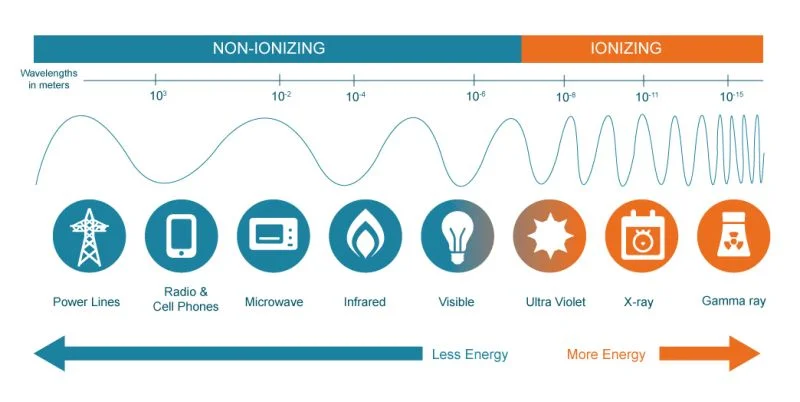
The term “radiation” used to describe microwave ovens can cause concern. However, the radiation referred to here is not “ionizing radiation,” such as that used in X-rays or CT scans, but “non-ionizing radiation,” like that used in mobile phones and Wi-Fi. Ionizing radiation can strip electrons from atoms and alter chemical structures, but microwaves lack this capability2, 3.
Inside a microwave, a component called the magnetron generates microwaves, which rapidly vibrate the water molecules in food. The friction between these vibrating water molecules generates heat, which then warms the food. The U.S. Food and Drug Administration (FDA) states that microwaves are simply converted into heat in food; the food itself does not become radioactive, nor does radiation remain in it3. Therefore, the common belief that “microwaves break the chemical bonds of nutrient molecules” does not hold up physically. Experts widely agree that cooking methods using less water are more effective at preserving nutrients in vegetables2, 4.
The Real Reasons for Nutrient Loss: Water and Time
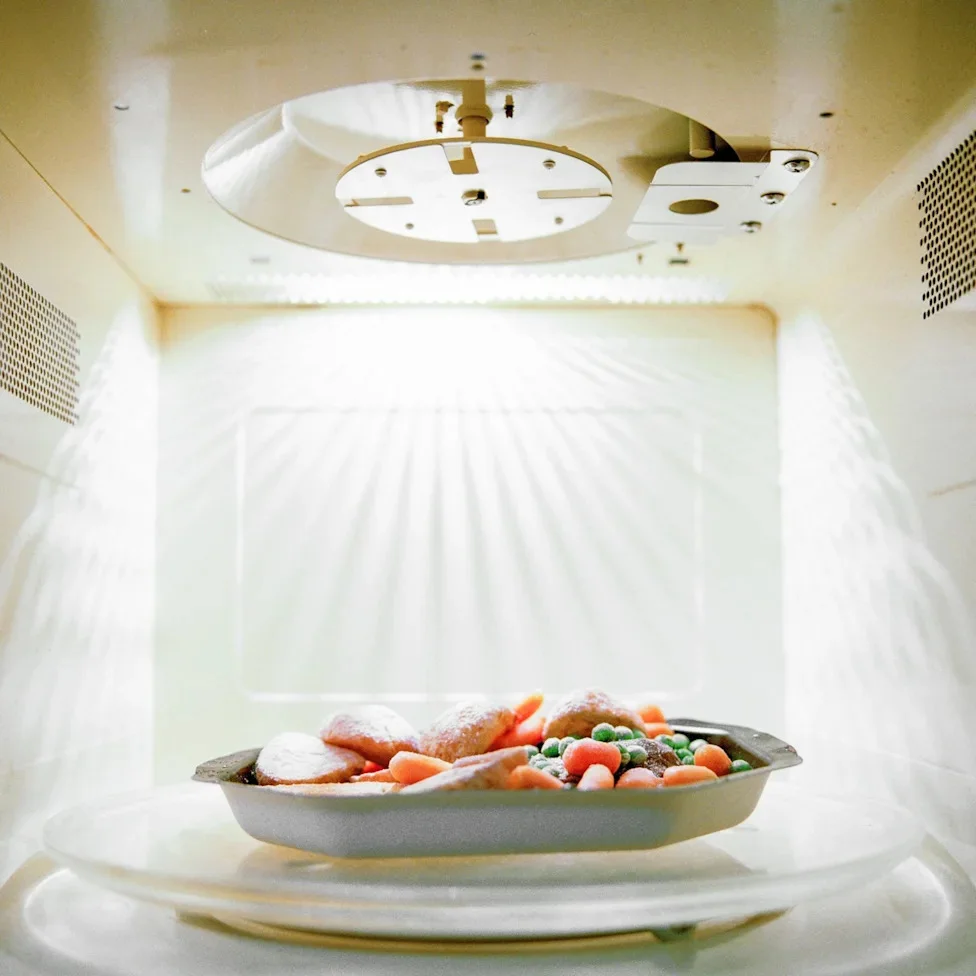
Among nutrients, vitamin C and B vitamins are “water-soluble.” Because they dissolve easily in water and are sensitive to heat, they leach out readily when exposed to high temperatures for long periods or come into extensive contact with water1. Paige Welsh, a registered dietitian at Cleveland Clinic, explains that boiling vegetables allows water to draw out vitamins and minerals, whereas this issue does not arise with microwave cooking2.
When using a microwave, the key variable to consider is “time.” Cooking methods involving prolonged baking in an oven expose food to high temperatures for longer periods, leading to nutrient degradation, whereas microwaving involves shorter cooking times, reducing thermal breakdown2. In summary, the two most important conditions for preserving nutrients are:
- Minimal water: Prevents nutrients from leaching into the water.
- Short duration: Minimizes thermal degradation.
Because microwaves and steaming effectively meet these two conditions, institutions such as the Harvard T.H. Chan School of Public Health and the World Cancer Research Fund (WCRF) view these methods positively in terms of nutrient preservation4.
Broccoli Experiment: Microwaving Preserved the Most Vitamin C
Beyond theoretical explanations, what do actual experimental results show? Research by Lee et al., published in the international academic journal Food Science and Biotechnology in 2017, provides an answer to this question. The research team precisely compared vitamin C retention rates after cooking various vegetables using diverse methods, including microwaving, boiling (in boiling water), steaming, and stir-frying1.
The results showed that, although some differences varied by vegetable type, vitamin C retention rates were overall highest when using a microwave. Conversely, boiling, which uses large amounts of water for heating, resulted in the lowest vitamin C retention rates1. This finding aligns with the principles described earlier. In boiling, significant loss occurs because vitamin C leached into the water is discarded, whereas microwaving reduces both thermal degradation and leaching losses by using little water and heating briefly.
Practical Tips for Preserving Nutrients at the Table
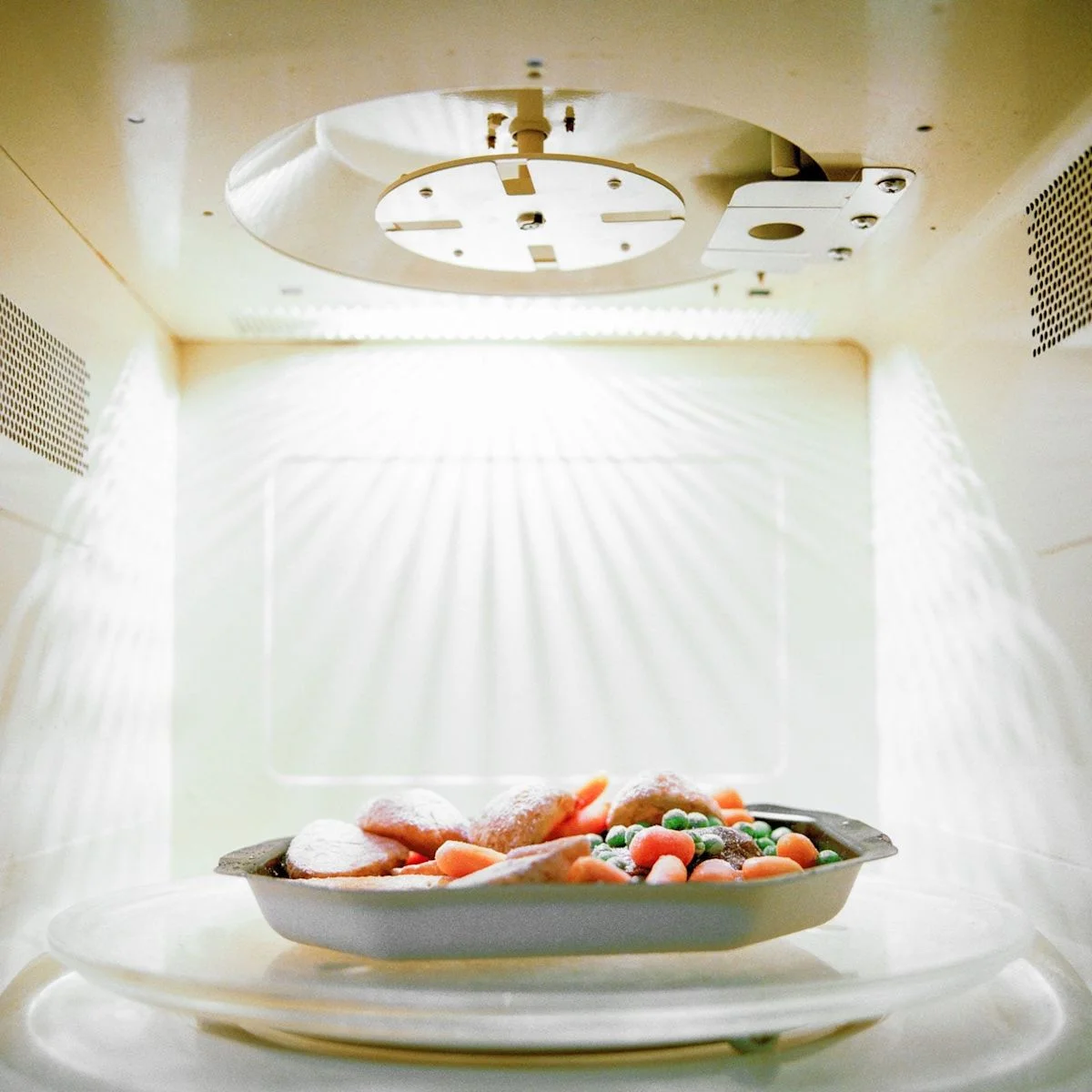
The following principles for preserving nutrients apply not only to microwave cooking but to all cooking methods.
- Minimize water. Use only a very small amount, just enough to prevent burning, or omit it entirely. Nutrients leach into the water released from vegetables1.
- Keep heating time short. Heat in short intervals to avoid overcooking, and stir or flip food midway to distribute heat evenly. Cutting thick foods into smaller pieces allows them to heat through quickly, preventing excessive exposure to heat2.
- Utilize any liquid released. If water remains after blanching vegetables, do not discard it. Using it in soups or stir-fries allows you to consume additional vitamin C and folate1, 4.
Ultimately, the common belief that “microwave = nutrient destroyer” is untrue. The real culprits behind nutrient destruction are water and time, not microwaves. By reducing the amount of water and minimizing heating time, the microwave can indeed become the cooking tool that best preserves vitamin C in vegetables.
References
- Does Cooking Vegetables Remove Nutrients? · ritual.com↩
- Is Your Microwave Safe? · health.clevelandclinic.org↩
- Are Microwaves Bad for You? Here’s What Expert Doctors Say · health.yahoo.com↩
- The Healthiest Way to Cook Vegetables: Boiling, Steaming, or Microwaving? · thomasbackandbody.com↩