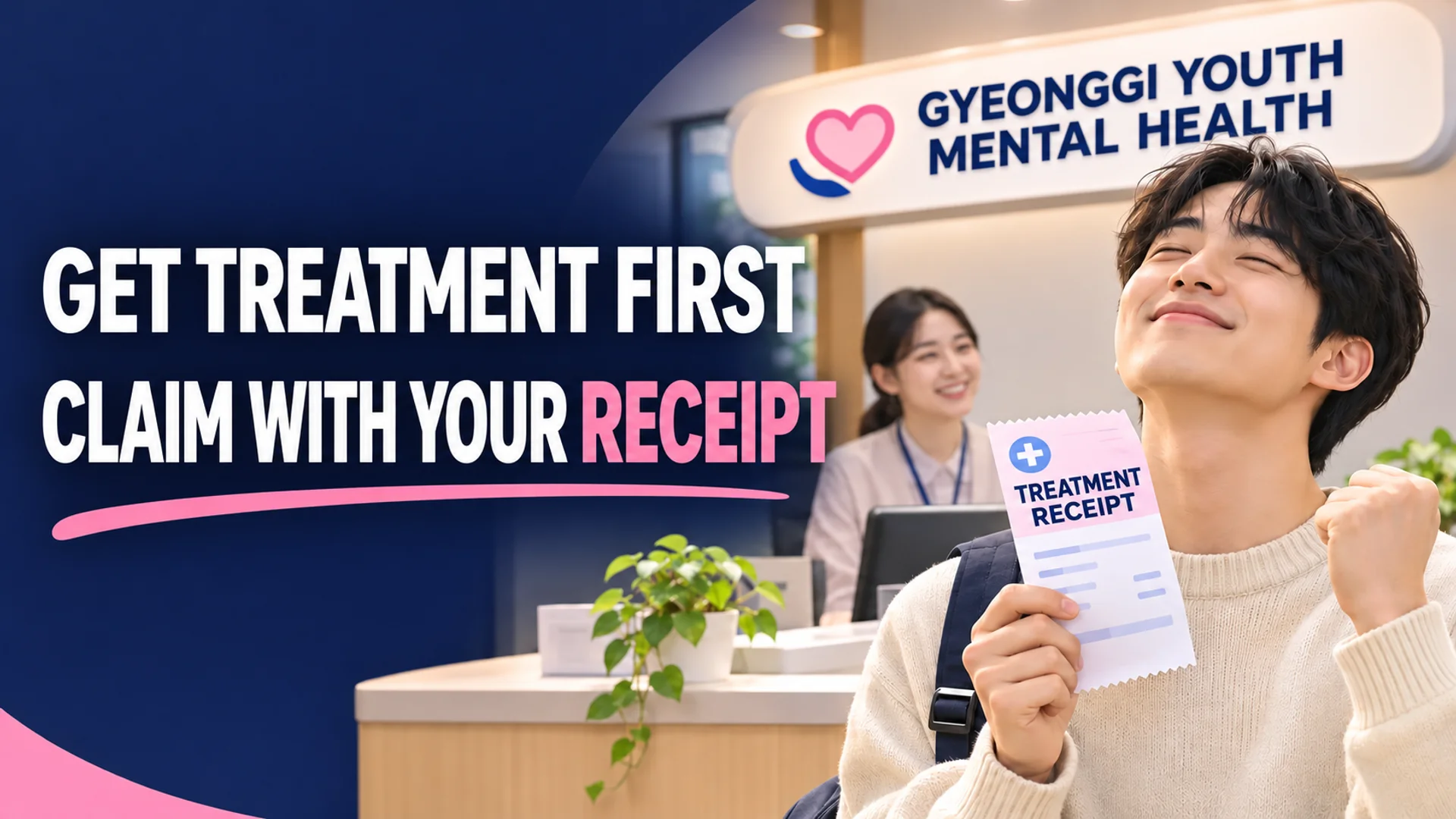
“Do I apply after receiving treatment? Or do I need to undergo screening before visiting a hospital?” This is a point of frequent confusion for young adults considering psychiatric care. Most welfare benefits follow a strict sequence of “pre-application → approval → service use.” However, the “Youth Mental Health Medical Fee Support” program implemented by Gyeonggi Province reverses this order. Instead of being held back by complex pre-screening procedures, individuals can receive treatment first and then submit their receipts. This article explains how this program, designed to lower the economic and procedural barriers faced by young adults in Gyeonggi Province, actually works, detailing specific eligibility requirements and application procedures.
Patient numbers more than tripled over 10 years, highlighting increased need for youth treatment
Statistics demonstrate that mental health issues among the younger generation have reached a level that can no longer be overlooked. According to data from the Health Insurance Review & Assessment Service, the number of young adults aged 19 to 39 diagnosed with depression surged by approximately 225% over ten years, from 112,573 in 2014 to 365,603 in 2023 1. In particular, the number of patients in their 20s increased by 127.1% between 2017 and 2021, showing the steepest rise among all age groups 1.
Surveys by the Ministry of Health and Welfare also revealed that the proportion of individuals at risk of depression among those in their 20s and 30s was 24.3% and 22.6%, respectively, the highest across all generations 2. Compared to the typical pattern where depression prevalence increases with age, a reversed trend is observed in South Korea, with younger generations exhibiting higher risk levels 1.
An unconventional procedure that omits “income” and “pre-registration” requirements
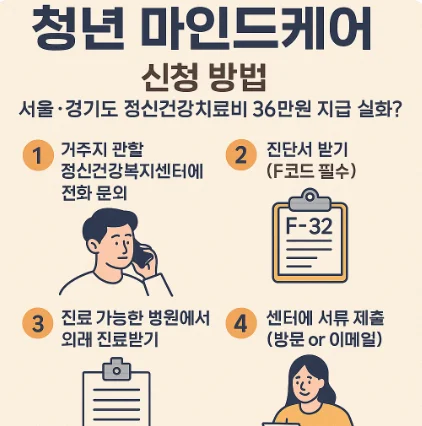
The money and time required to visit a hospital can be significant barriers. The “Youth Mental Health Medical Fee Support (Youth Mind Care)” program, implemented by Gyeonggi Province since 2020, focuses on lowering these entry barriers. The core of this program lies in the “significant reduction of pre-screening procedures.” 2, 3
Unlike typical welfare services for basic livelihood recipients or the near-poor, this support does not consider income criteria. Additionally, there is no requirement to be pre-registered as a user at a mental health welfare center to receive support. The eligibility requirement is clear and singular: young adults aged 19 to 34 residing in Gyeonggi Province who have been diagnosed with a psychiatric disorder for the first time within the last five years are eligible to apply.
The application process is as follows:
- Receive outpatient treatment at a psychiatric clinic first.
- Prepare the issued medical fee receipts.
- Visit a mental health welfare center in any of the 31 cities and counties in Gyeonggi Province to apply.
- After review, receive reimbursement of up to 360,000 KRW per person annually for outpatient medical fees.
This approach is designed to prevent young adults who urgently need treatment from delaying help due to administrative procedures.
Coverage expanded beyond schizophrenia and depression to include “stress-related disorders”
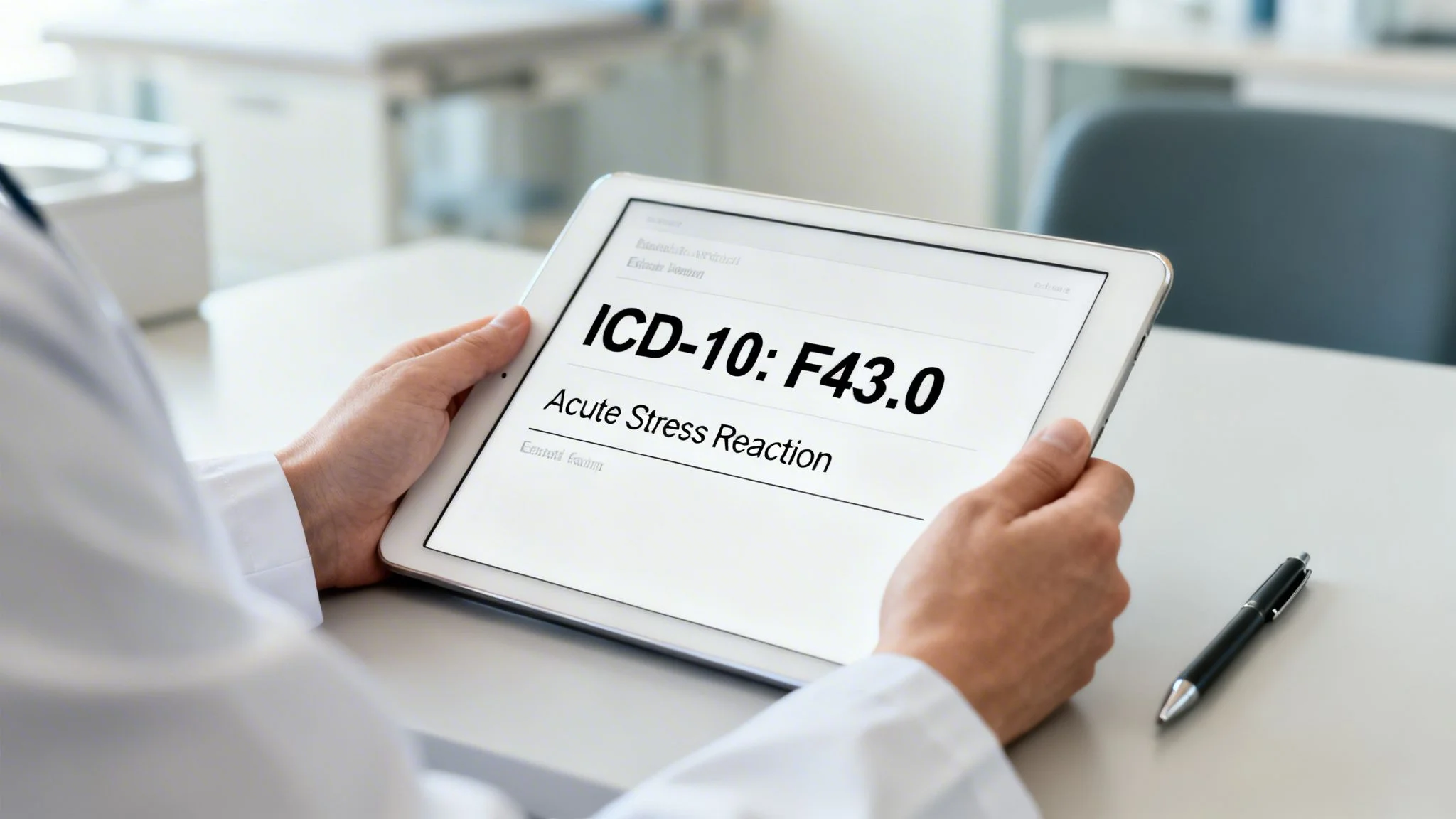
Expanding the scope of eligible conditions has also significantly increased practical assistance. Initially, supported diseases were limited to schizophrenia, schizotypal, and delusional disorders (F20–29) or mood disorders including bipolar disorder and depression (F30–39) 2. However, since August 2021, “neurotic, stress-related, and somatoform disorders (F40–48),” which include physical reactions caused by severe stress or anxiety, have been added to the support codes 2.
This change reflects the actual medical usage behaviors of young adults. According to 2019 treatment statistics in Gyeonggi Province, the number of patients treated for mood disorders (F30–39) was 181,000, while those treated for neurotic and stress-related disorders (F40–48) reached 176,000 2.
Young adults who hesitated to cross the threshold of medical care, thinking “I am not depressed; I am just severely stressed,” can now benefit from this expanded coverage. For example, a young adult in their 20s who visited a psychiatric clinic due to severe insomnia and neuralgia while preparing for employment and received a diagnosis within the F40–48 range qualifies to claim support using receipts, regardless of their income or whether they have previously used welfare centers. Furthermore, the condition has been relaxed so that individuals are excluded only if actual treatment is prevented by benefit restrictions, whereas previously, unpaid national health insurance premiums led to unconditional exclusion 2.
Challenges for building a social safety net that connects young adults after medical fee support
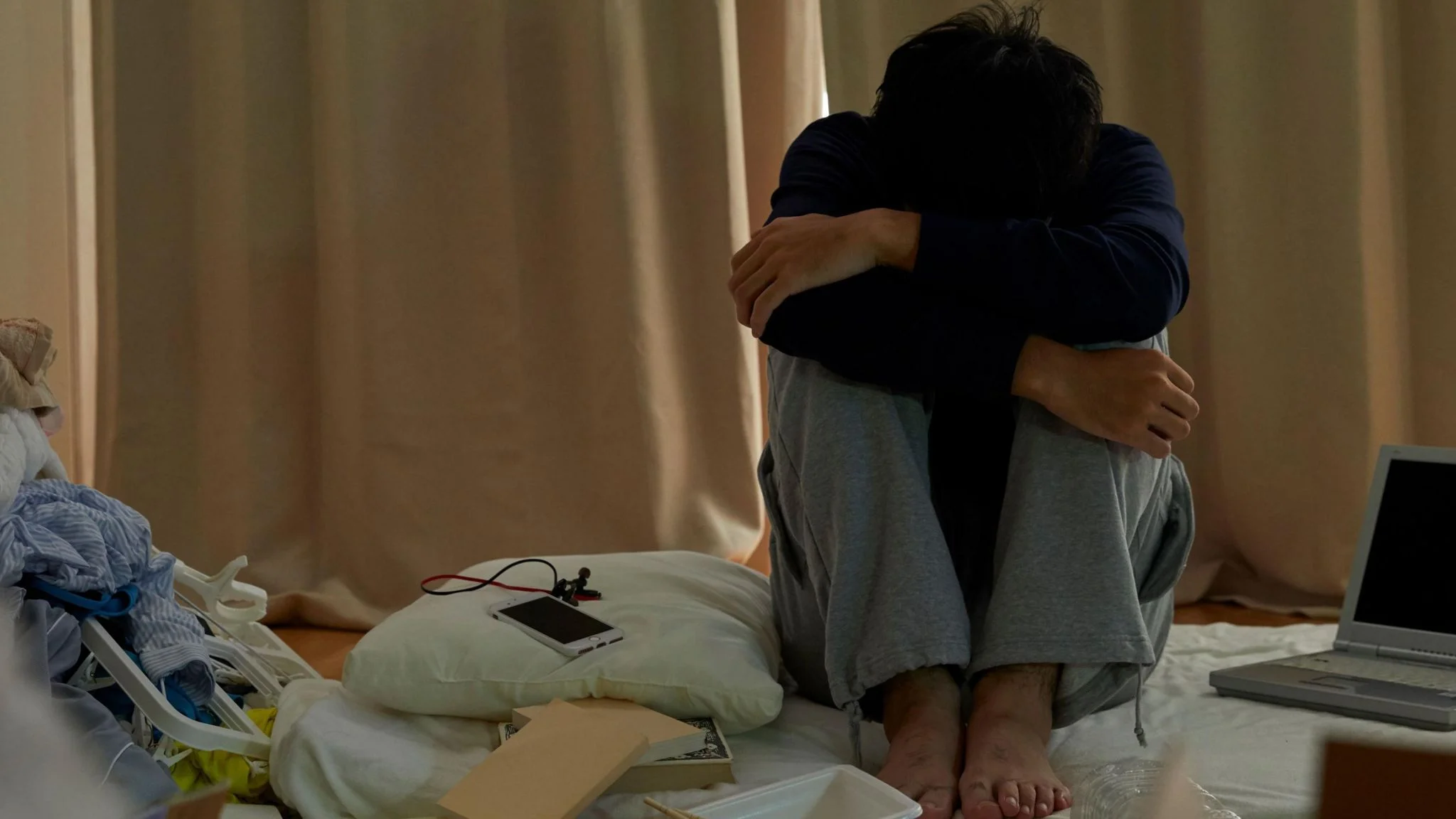
Receiving medical fee support is like buttoning the first button of recovery. However, even after the issue of cost is resolved, social challenges remain that leave young adults feeling lost. These are “isolation and reclusion.” According to a KBS documentary, the number of isolated and reclusive young adults is estimated to have exceeded 540,000 as of 2024, more than doubling compared to a survey conducted two years prior 4. When such isolation becomes prolonged, the severity escalates, with three out of four individuals reporting experiences of considering suicide 4.
To assist young adults who have received treatment but cannot re-enter society, national-level movements have begun, such as the establishment of legal foundations in early 2025 4. However, currently, only Seoul and Gwangju, among the 17 metropolitan cities and provinces nationwide, operate dedicated institutions 4.
Ultimately, Gyeonggi Province’s medical fee support program serves as an important conduit for helping young adults overcome realistic barriers such as “treatment costs” and “cumbersome administrative procedures” to receive medical help. Nevertheless, the next task is expanding subsequent social and economic safety nets that connect those who have crossed this threshold back to daily life. It is necessary to effectively utilize the current system, which allows young adults to knock on the door of healing with a single receipt, and to closely observe how policy support for subsequent social reintegration will unfold.
References
- 괜찮지 않은 청년들, 우울을 말하다 - 부경언론사 · press.pknu.ac.kr↩
- ‘코로나 블루’로 늘어난 청년 정신건강 관리 나선 경기도 · docdocdoc.co.kr↩
- 경기도 청년 정신건강 외래치료비 지원 사업 「경기도 청년마인드케어」 · youtube.com↩
- "저는 정말 쓸모없는 사람인가요?" 2030 청년들의 진짜 이야기 | KBS 20250420 방송 · youtube.com↩