When adult ADHD is suspected, is there a practical workbook that can help manage emotional and executive-function chaos without professional assistance? The Korean translation of Mastering Your Adult ADHD is a structured adult ADHD Cognitive Behavioral Therapy (CBT) workbook designed as client-facing material for patients already receiving medication, to be used in conjunction with specialists and counselors. It is currently out of print 1.
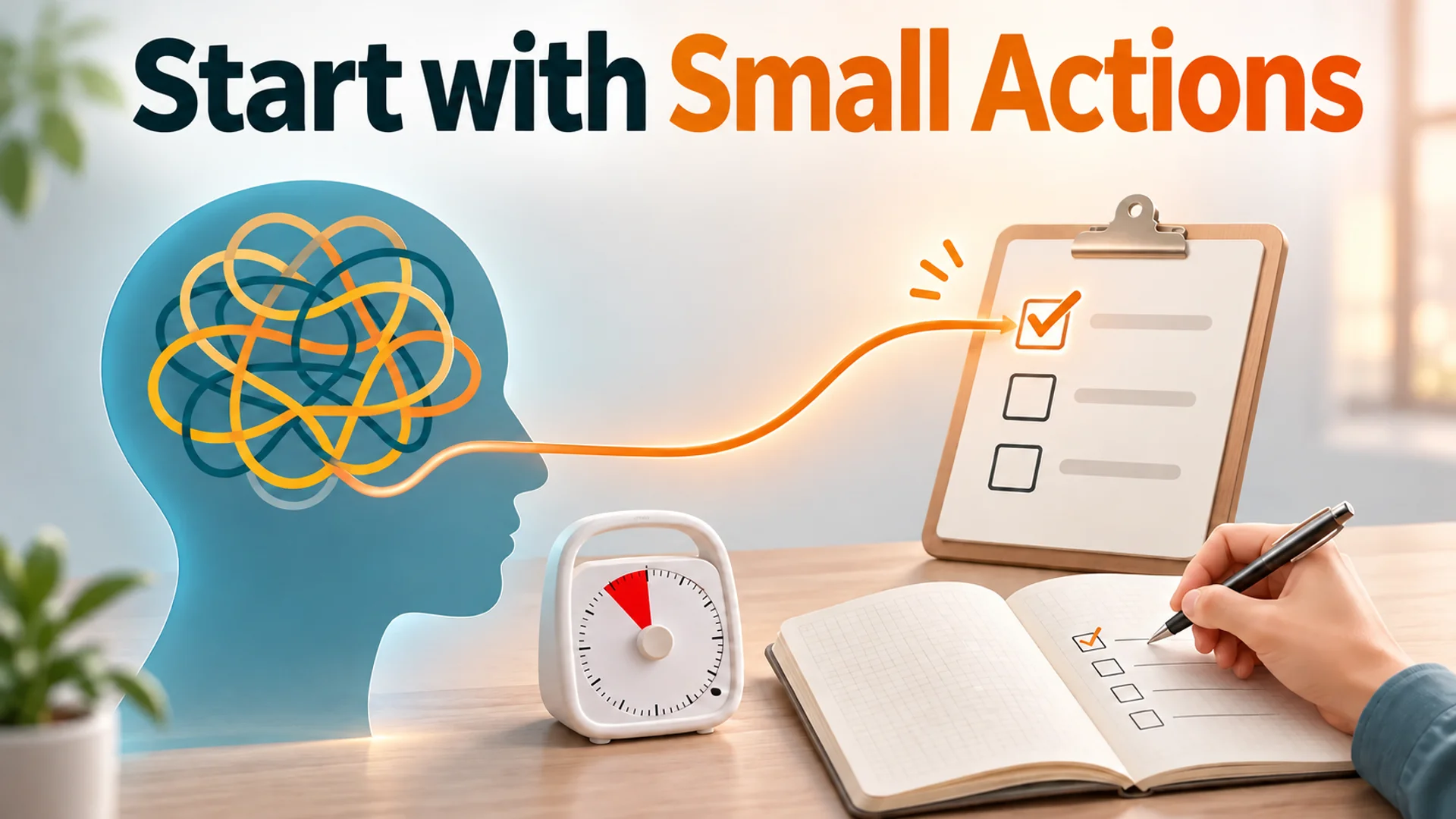
However, there is no need to wait for a formal diagnosis or counseling. Exercises shared by Dr. Lee Jong-il, a psychiatrist (Psychiatry Channel Jongil TV), and the Maeumtos clinical guides offer concrete tools that can be started immediately with just a notebook and a timer, even when professional intervention is limited. The core principle is to practice one smallest action tailored to the characteristics of the brain’s executive functions 23.
The reason for “knowing but not doing” is not a lack of willpower
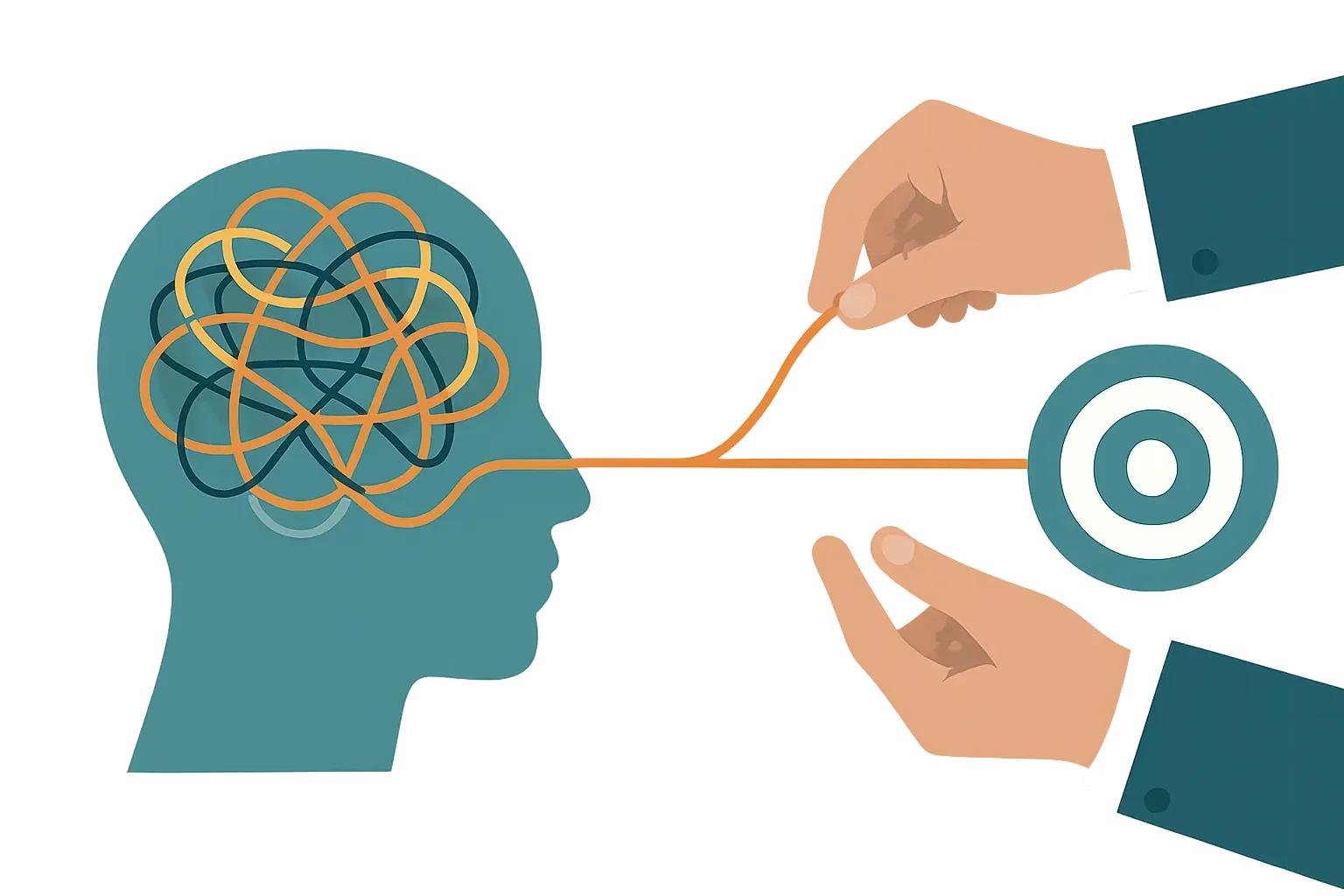
The core issue in adult ADHD is not a “knowledge deficit of not knowing what to do,” but a “performance deficit of failing to do what one knows.” According to the Maeumtos guide, which cites research by Dr. Russell Barkley, the ADHD brain has weakened abilities to connect past experiences with current behaviors and weak inner speech that self-directs actions 3.
Dr. Lee Jong-il also explains that even when medication improves concentration, long-established behavioral patterns do not change easily, leading to repetitive procrastination. Therefore, rather than self-blaming with “Why can’t I do it,” it is necessary to first employ physical systems and small practices that narrow the neurological gap between goals and initial actions 2.
Four practical exercises you can do on your own
Based on techniques experts have used with patients in actual Cognitive Behavioral Therapy (CBT) training, four methods have been organized that readers can practice independently.
1. Break goals down into “one physical action to move your body”
Large goals like “write this week’s report” feel threatening to the ADHD brain, triggering an avoidance response from the first step. Dr. Lee Jong-il advises setting very small, specific physical actions as goals, such as “sit at the desk,” rather than comprehensive goals like “study English for 30 minutes.” The Maeumtos guide also recommends micro-tasking, breaking tasks down to the atomic level of “open the laptop lid.” Successfully completing the first action lowers the psychological barrier to moving on to the next step 23.
2. Make time visible with an analog timer
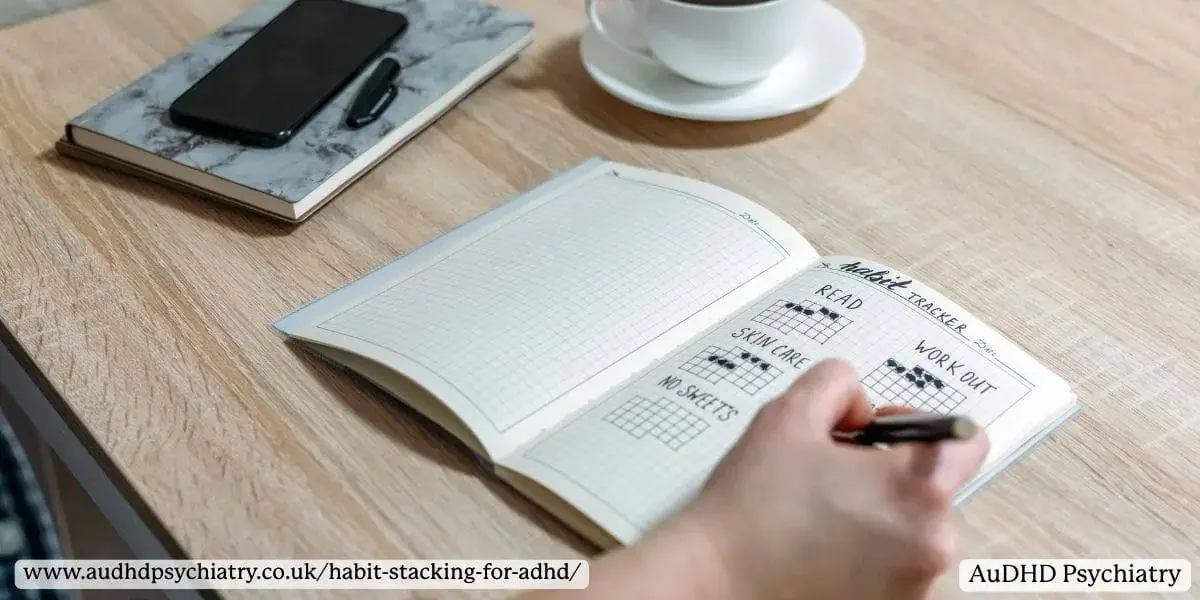
The ADHD brain has a tendency toward “time blindness,” where it fails to feel the “future,” necessitating devices that visually confirm the flow of time. Since the simple digits of a digital clock make it difficult to perceive the passage of time, use an analog timer that allows you to see the amount of time decreasing. As Dr. Lee Jong-il advises, write down your tasks for the day in a notebook, but set the timer only for one specific action to manage your focus time. It is important to repeat a routine of resetting priorities by carrying over unfinished items to the next day 23.
3. Implant physical cues in the environment
It is difficult to control the environment relying solely on memory or willpower. The Maeumtos clinical guide explains that counselors must act as an “external frontal lobe” supporting the client’s deficient executive functions, and recommends designing the environment itself to function as a “proxy for the counselor.” When practicing alone, the environment must simultaneously serve both of these roles. If you need to take medication, tape the pill bottle to the center of the table, or attach a checklist to the front door by placing cues at the “Point of Performance.” Dr. Lee Jong-il recommends setting and habituating several simple environmental control rules, such as not turning on your smartphone or turning off the internet while studying 23.

4. Record negative thoughts and focus on sensations
When failures repeat, it is easy to fall into black-and-white thinking or emotional reasoning such as “I am hopeless.” It is necessary to train by writing these thoughts down on paper, identifying logical errors, and rebutting them. Additionally, mindfulness training focusing on the sensations of the soles of your feet or the taste of food while walking or eating helps calm distractibility. Dr. Lee Jong-il frequently meets patients who report improved concentration through such sensory awareness training alone, emphasizing short focus in daily life rather than elaborate meditation 2.
The “workbook’s place” that you can start right now
The fact that a structured CBT workbook is out of print or exists only for patients under treatment does not prevent methods that can help yourself right now. While Mastering Your Adult ADHD assumes a specialist’s diagnosis and medication, the exercises introduced above serve as starting points applicable during periods of preparing for a diagnosis or postponing counseling.
Tonight, try writing just one line in your notebook: “Open the laptop lid tomorrow morning.” Simply preparing an analog timer beside it can reduce the “knowing but not doing” cycle by one layer. This is not treatment that replaces a professional diagnosis, but the starting point is already open to change the helpless wait into time for small practices utilizing a notebook and a timer.
References
- 성인 ADHD 인지행동치료 프로그램 내담자용 워크북 · femiwiki.com↩
- [성인ADHD Ep.5] 성인ADHD 치료방법 - 인지행동치료😊😊 · youtube.com↩
- ADHD 성인 내담자 상담: 실행 기능 강화와 시간 관리 코칭 전략 · mindthos.com↩