Koreans often have dry, flaky earwax, while Europeans and Africans commonly have wet, sticky earwax. This difference stems not from lifestyle habits but from a single letter difference in DNA. Interestingly, previous research has indicated that this small genetic difference links not only to earwax type but also to underarm odor production and breast secretory activity.
Addressing the question, “Do Koreans with dry earwax, who are common, have a lower breast cancer risk?” we summarize the findings based on current research. To conclude first, while statistical associations between “wet earwax” and breast cancer risk have been observed in specific populations, this does not mean that earwax type alone can determine an individual’s cancer risk.
Physical Changes Caused by a Single DNA Letter
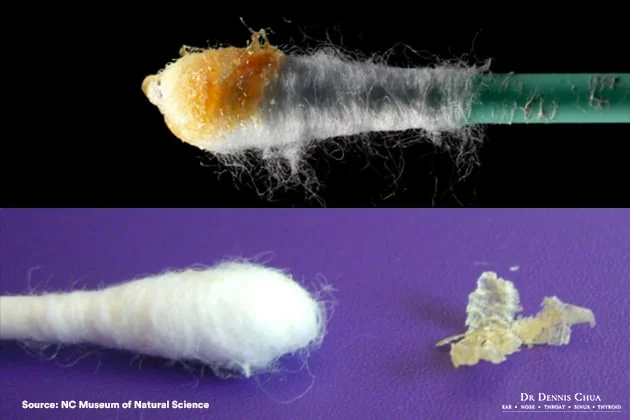
The key factor determining whether earwax is wet or dry is the 'ABCC11' gene. This gene produces a transporter protein in cell membranes that functions to expel specific chemicals produced inside cells to the outside.
The body's response diverges based on how the DNA mutation occurs at position 538 of the ABCC11 gene.
- Functional Type (G type, Gly180): The protein functions normally to expel substances. This is associated with 'wet earwax'.
- Loss-of-Function Type (A type, Arg180): The protein fails to function, blocking the expulsion of substances. This leads to 'dry earwax'.
This protein exists identically not only in the ears but also in the apocrine glands (a type of sweat gland) of the armpits and the epithelial cells of the breasts. According to a study published in November 2024 in Scientific Reports, individuals with the functional ABCC11 effectively excrete odor precursor substances to the skin surface. When these substances meet specific bacteria on the skin, they transform into volatile compounds that cause body odor. Conversely, individuals with the loss-of-function type do not excrete these precursors and thus have less body odor. In essence, ABCC11 acts as a switch that simultaneously regulates the production of earwax and body odor.
Statistical Connections Revealed in a Study of Japanese Women
Because the ABCC11 gene also exists in breast tissue, researchers examined the relationship between this genotype and breast cancer incidence.
A representative case is a study published in 2010 by the research team led by Ota et al. in Japan. The team compared the distribution of ABCC11 genotypes between a breast cancer patient group and a control group of Japanese women. As a result, 25% of the breast cancer patient group possessed the functional gene associated with 'wet earwax', whereas the rate in the control group was only 17%. This difference was statistically significant.
Furthermore, other studies have reported observations that women with the wet earwax genotype are more likely to produce breast fluid. Additionally, a 2007 study showed that women with the dry earwax genotype had a lower probability and volume of colostrum secretion. This suggests that secretory activity sharing the same genetic mechanism occurs actively in the breasts as well.
Why It Cannot Be Directly Applied to Koreans

Can this statistic be directly applied to Koreans? There are significant constraints. Specifically, there are differences in population ratios for the 'dry earwax genotype'.
The frequency of the loss-of-function (A type, dry earwax) allele of ABCC11 varies drastically by region.
- South Korea/Northern China: The frequency of the dry earwax allele is nearly 100%.
- Japan: Based on Nagasaki data, the A allele frequency is approximately 83%, and the AA (dry earwax) genotype frequency is approximately 69%.
- Europe/Australia: The A allele frequency is at the level of 10–20%, but the proportion of women with the dry earwax genotype, being a recessive genotype (AA), is less than 2%.
The reason the Ota team's results were meaningful is that a significant portion of the Japanese population possesses the wet earwax genotype, allowing for a clear comparison of differences between the two groups.
Conversely, subsequent studies targeting women in Germany, Australia, and Italy (Lang et al. 2011, Beesley et al. 2011) did not find statistically significant differences between ABCC11 genotypes and breast cancer risk. This is interpreted as being due to the fact that most of the European population has the wet earwax genotype, making the comparison group for the dry earwax genotype too small to provide discriminative power.
Similarly, since most Koreans have the dry earwax genotype, it is difficult to directly translate the statistical trends observed in Japan, derived from comparing a minority group with 'wet earwax', into individual breast cancer probabilities for Koreans.
A 'Genetic Clue,' Not a 'Diagnostic Indicator'
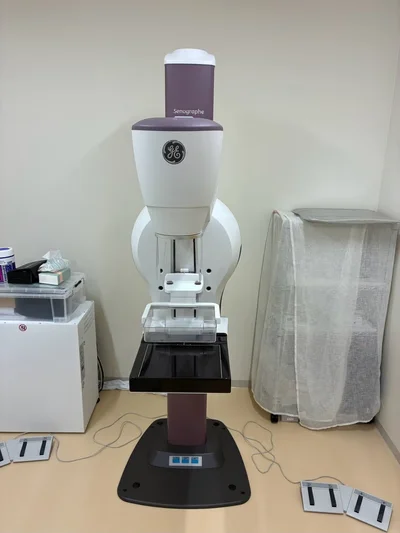
Summarizing the evidence so far:
- The ABCC11 gene is commonly involved in earwax, underarm odor, and breast secretory activity.
- In the study of Japanese women, the rate of possessing the wet earwax genotype was higher in the breast cancer patient group.
- However, this is a statistical association observed in specific population groups (where both types coexist).
- In studies conducted in Europe and Korea, where the dry earwax genotype is the majority, no clear association was confirmed.
The research team led by Toshihisa Ishikawa emphasizes that this genetic variation is merely 'one factor' increasing breast cancer risk. In other words, having dry earwax does not guarantee avoiding breast cancer, nor does having wet earwax necessarily mean skyrocketing risk.
The relationship between ABCC11 and breast cancer is an interesting genetic discovery linking earwax and cancer, but it is important not to misunderstand it as a personal health diagnostic method. Breast cancer risk is determined by a complex interaction of factors such as hormonal exposure, lifestyle habits, and family history.