
There is a case of the Renault Latitude where removing the SD card containing map data made it impossible to even access the time settings menu. When daylight saving time ended and his clock fell one hour behind, Estonian driver xx_ns pressed the settings button on the dashboard but could not find the 'Set time' option. Initially dismissed as a simple operational mistake, the cause of this phenomenon was clearly revealed through firmware disassembly. The navigation system (TomTom Carminat LIVE) was designed to load the menu definition file required to enter the 'Settings applet' directly from the SD card. In other words, without the SD card, the system lacked a structural dependency on recognizing the 'path' to the time settings screen.
This article examines the mechanical logic behind why the map data medium controlled even a basic function like setting the clock, through xx_ns's firmware analysis. It also specifically addresses the DRM structure that could not be resolved by simple file copying, along with the technical approaches attempted to bypass it and their limitations.
Not a Malfunction, But a Design: The 'No Maps Detected' Popup Triggered by the Settings Button
The issue began when xx_ns purchased a used Renault Latitude. The previous owner informed him that "you cannot change the car's time without the map SD card," but xx_ns judged this to be a misunderstanding caused by the previous owner's lack of familiarity. Not seeing the need for outdated map data, he declined the card, and the previous owner discarded it 12.
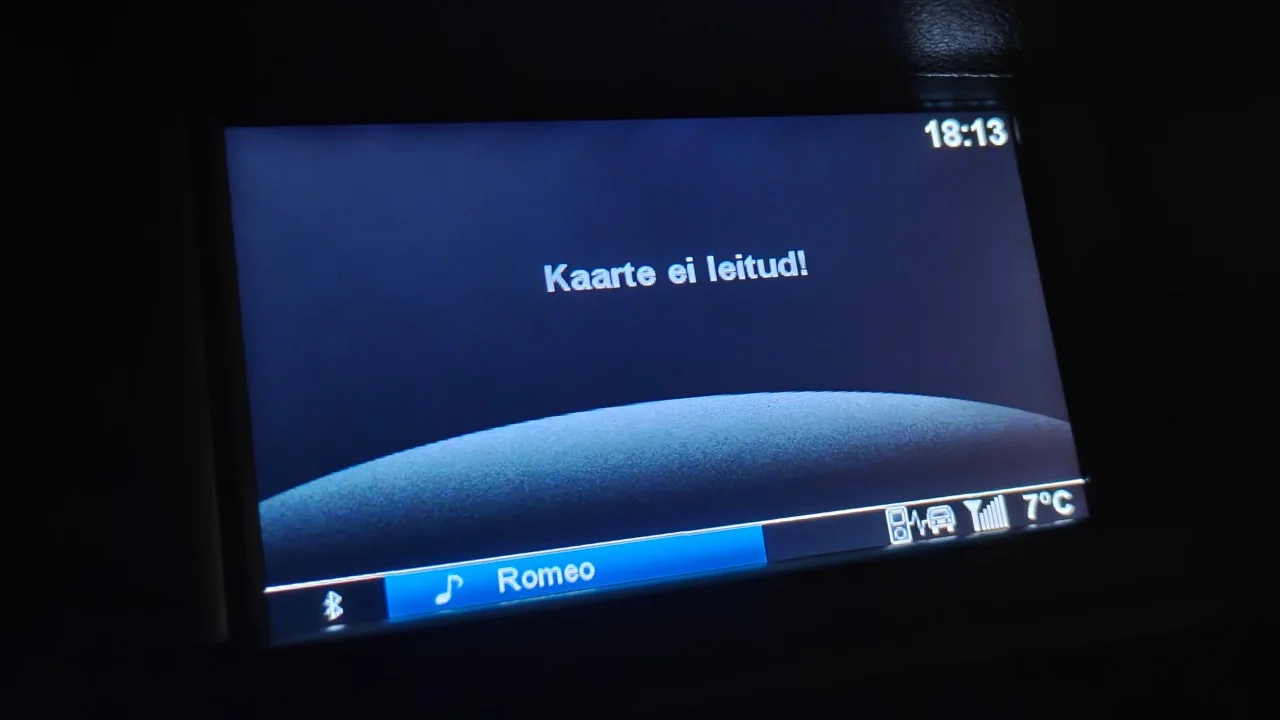
However, once daylight saving time ended and the clock went an hour off, the problem proved to be real. Unlike videos from other owners seen online, his vehicle did not have a 'Set time' option. Although there were two settings buttons on the dashboard, pressing one only opened Bluetooth and phone directory settings, with no time entry visible. Pressing the other settings button repeatedly triggered a warning popup on the screen that read 'No maps detected!' 1.
xx_ns tried various button combinations, thinking "I must definitely be doing something wrong," but failed, eventually opting for the direct approach of disassembling the firmware himself 1.
The 'Path' Dependency Structure Confirmed Through Firmware Analysis
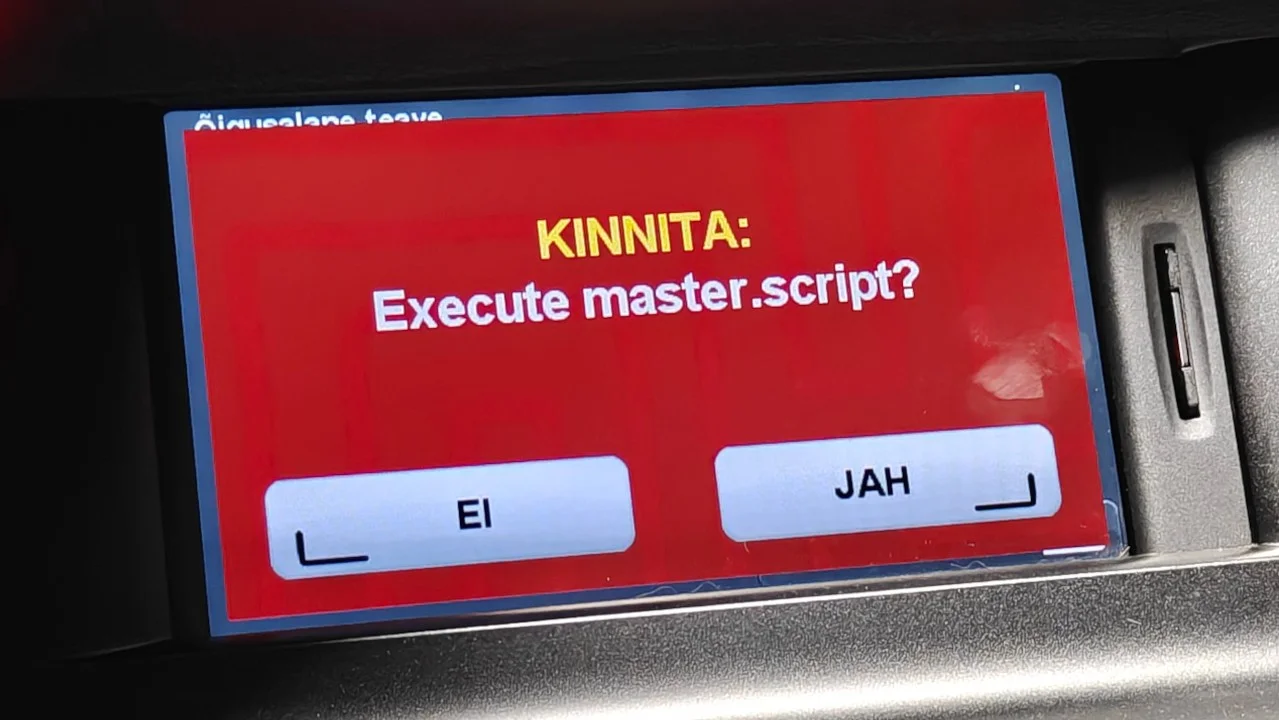
Analysis of the firmware update files by xx_ns revealed that the navigation system ran a custom OS (TomTom Carminat LIVE) based on the Linux 2.6.28.10 kernel on a Samsung S5P6440 SoC. The key finding was that the menu definition file required to enter the 'Settings applet' was stored and loaded from the SD card rather than internal memory 1.
If this file could not be read from the SD card, the system did not recognize the method to navigate to the settings screen itself. The time setting option was not merely hidden; the access path had effectively disappeared from the system. xx_ns commented on this structural dependency, stating, "I still don't understand it." 1
Simple Copying Impossible: CID-Based DRM and Security Layers

Could an average user create an appropriate file structure on a blank SD card and copy files onto it? Analysis showed that a robust digital rights management (DRM) system was applied. The system was designed to trust only files with the unique ID (CID) inside the card and files signed by that CID, meaning blank cards without signatures were not recognized. xx_ns estimated this was an intentional measure to prevent unauthorized copying of map data 1.
The security barriers xx_ns discovered during the firmware disassembly process were as follows:
- Partition Mount Options: Most partitions, including the SD card, were mounted as
noexec(no execution) orread-only(read-only), fundamentally blocking the direct execution of external scripts 1.
xx_ns remarked that, for a system built with technology from around 2011, the noexec and read-only mounts combined with the signature verification layer represented a remarkably robust security design 1.
Hacking Attempts and the Constraints Encountered at Each Stage
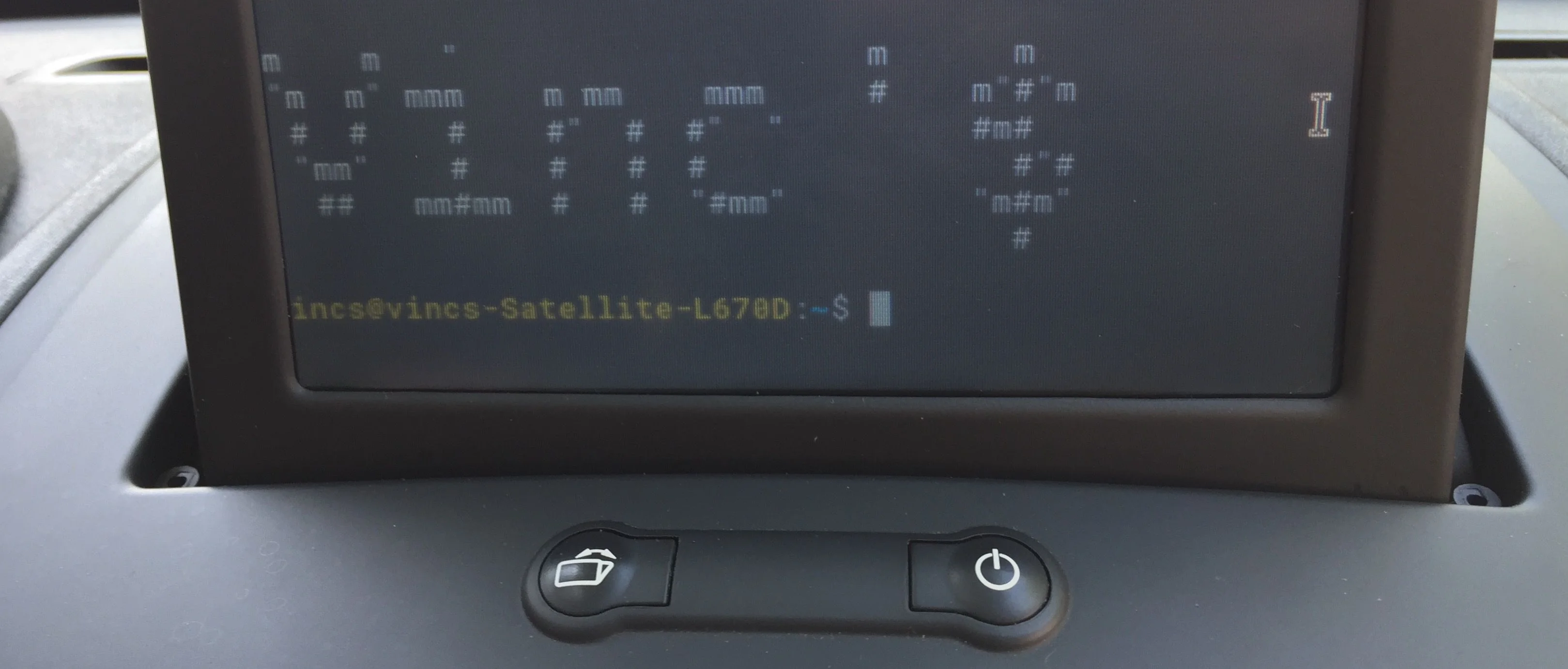
xx_ns hoped that the 'SHEX (SHELLEXECUTE)' command interpreted by the parser (ttn binary) for the custom script language embedded in the firmware could serve as a channel to execute arbitrary binaries. The idea was that if this script was read from the SD card, the system could be controlled via the card.
However, actual execution faced the following constraints:
- Single Token Limit: The SHEX command only allowed a 'single token (word)' separated by spaces. Consequently, arguments could not be passed separately by separating them with spaces, as in
/bin/sh /media/sdcard/payload.sh1. - Lack of Execution Rights: Since the SD card partition was in
noexecstatus, script files located on the SD card could not be executed directly. Ultimately, only binaries already existing within the system could be selected and used, but few served the intended purpose 1.
# 이론적으로 SHEX가 허용하는 단일 토큰 형태
SHELLEXECUTE my_binary

# 실행하고 싶었던 형태 (공백이 들어가는 순간 거부됨)
/bin/sh /media/sdcard/payload.sh
In another attempt, a path traversal vulnerability in the 'LOG' script command was discovered. By combining ../, ASCII strings could be written to key files within the system, and this command operated with root privileges. However, because the root partition itself was mounted as read-only, changes were either reverted after a reboot or not reflected, hitting a limitation 1.
Rooting Path via Kernel Vulnerability
xx_ns eventually turned to the method of overwriting specific files in the kernel. Using the path traversal vulnerability of the LOG command, he altered the value of the /proc/sys/kernel/core_pattern file, which specifies the command executed by the kernel when a program crashes 1.
xx_ns successfully forced a crash of dbus-monitor in a QEMU virtual environment to trigger this script execution, ultimately reaching the point of changing the clock settings 13.
This analysis process was shared in the community and garnered significant attention on Hacker News 12. Subsequent reports and community discussions confirm that securing the rooting path led to the actual step of modifying the clock settings 3.
Ultimately, the SD card dependency was not merely a lack of convenience but an intentional lock-in structure protected by CID-based DRM and signature verification. What was confirmed through firmware disassembly was that the access path for the universal function of setting the clock was dependent on the map data medium, and bypassing it required tampering with kernel vulnerabilities to overcome the vehicle system's security barriers.
References
- ↩
- Jailbreaking my car's navigation system just so I can change the time | Hacker News · news.ycombinator.com↩
- ↩