Ahead of the full implementation of the Seoul High School Credit System in 2026, specific measures are being pursued within the educational sector to address structural challenges such as offering small-class subjects and securing sufficient teaching staff. The “Basic Plan for the Operation of the Seoul High School Credit System for the 2026 Academic Year,” announced by the Seoul Metropolitan Office of Education, focuses on substantially guaranteeing students’ choice of subjects by combining inter-school cooperation, digital infrastructure, and regional resources 1 2. In particular, hybrid models such as ‘offline collaborative classes’ and the ‘Seoul Online School,’ which transcend the limitations of physical classrooms, have been presented as key alternatives.
Limitations in Offering Small-Class Subjects and Introduction of the Itinerant Teacher System
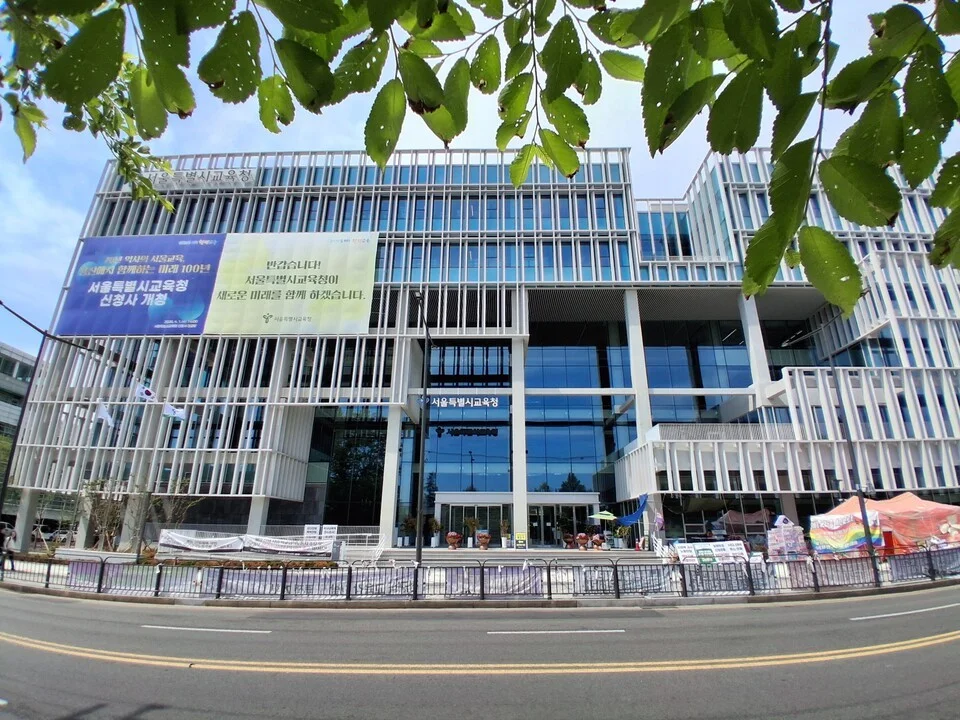
In operating the High School Credit System, individual schools serve as the primary entities for offering subjects, but elective subjects with low student enrollment face difficulties in securing both teachers and space 2. To resolve these issues, the Seoul Metropolitan Office of Education has introduced and is operating an itinerant teacher system in 38 schools, centered on social studies and science elective subjects 1 2. The itinerant teacher system involves a single teacher traveling to multiple schools to teach subjects with fewer scheduled class hours, aiming to alleviate hiring shortages for specific subject teachers and instructors 2.
Additionally, extra teachers will be assigned to schools participating in inter-school collaborative curricula and to small schools with 18 or fewer classes. For general high schools with 21 or fewer regular classes and for the Seoul Online School, approximately 22 million won will be supported as instructor hiring fees to improve conditions for offering subjects 1 2. All 215 public and private general high schools within the jurisdiction will receive operating funds of approximately 100 million won per school to support these institutional foundations 1 2.
Shared Campuses and Hub Schools Transcending Physical Boundaries
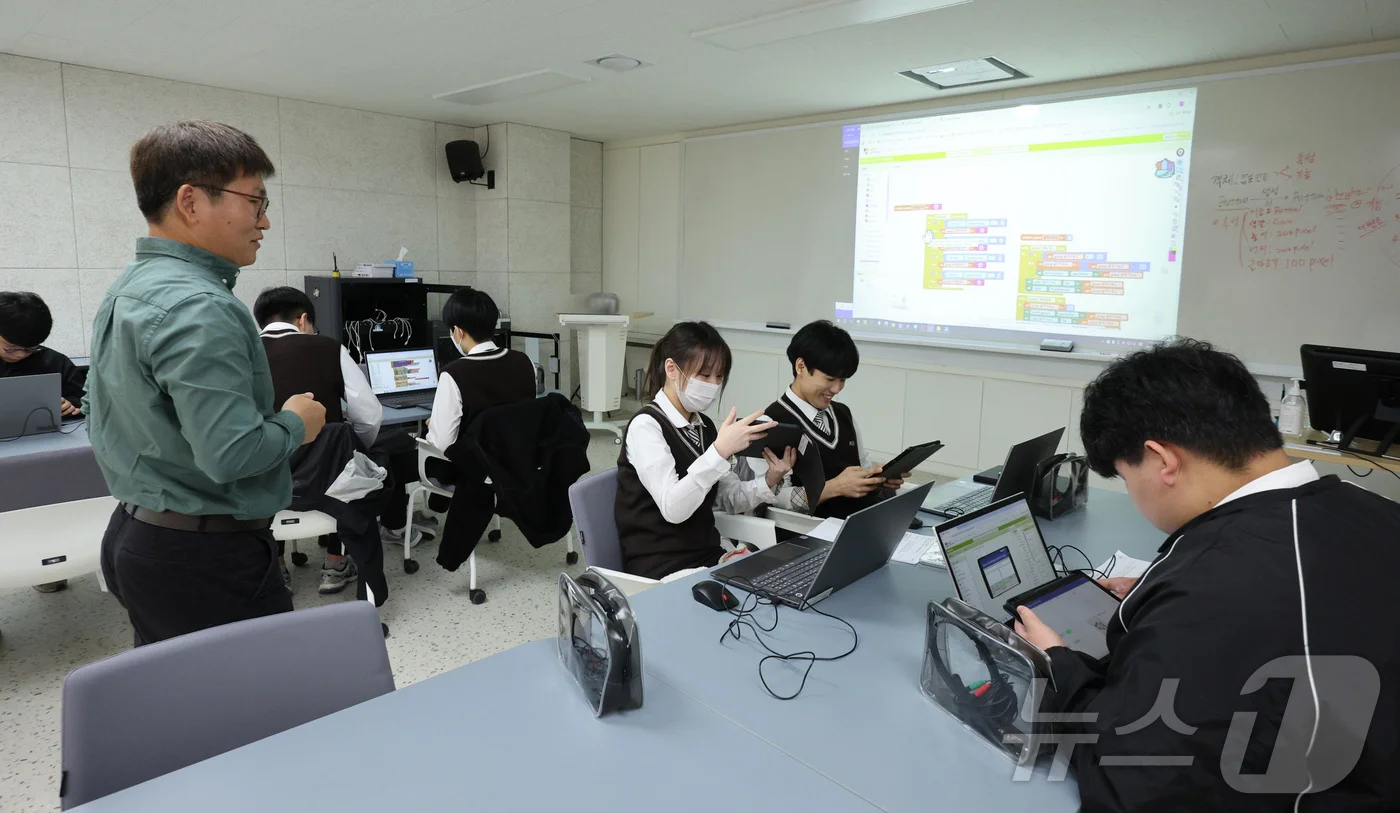
A high-school credit-system class at Danggok High School, Seoul (2025).
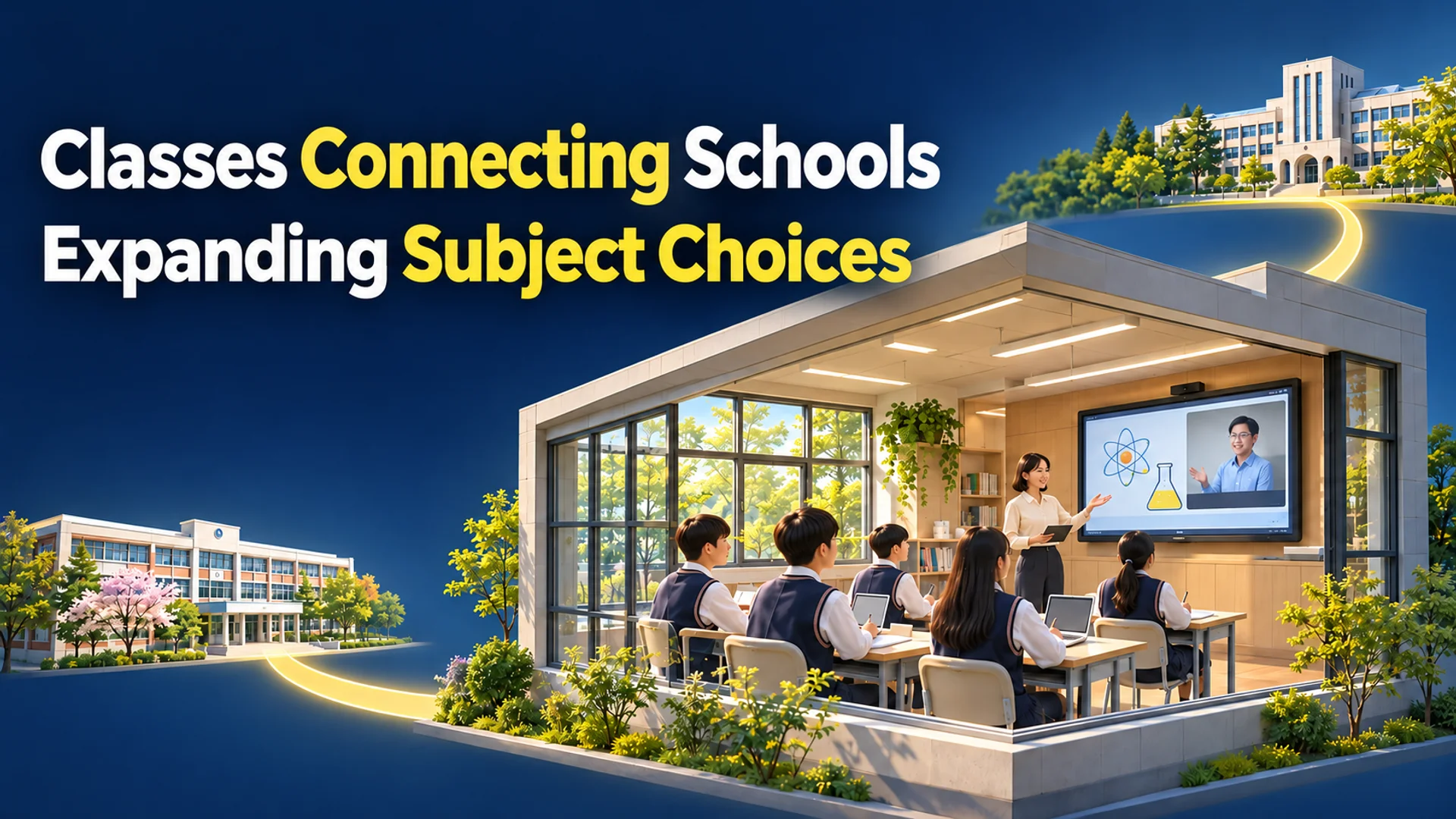
When individual schools struggle to ensure subject diversity on their own, collaborative class models premised on physical movement between schools will be expanded. In the 2026 academic year, 21 shared campuses (comprising 56 schools) and 50 hub schools (covering 10 domains) will be operated under inter-school collaborative curricula 1 2. Hub schools concentrate on offering subjects in specific fields, allowing students from nearby areas to travel there for classes, thereby serving as offline hubs that complement the limitations of teacher staffing in individual schools 1 2.
Digital Integration and Physical Support: The Role of the Seoul Online School
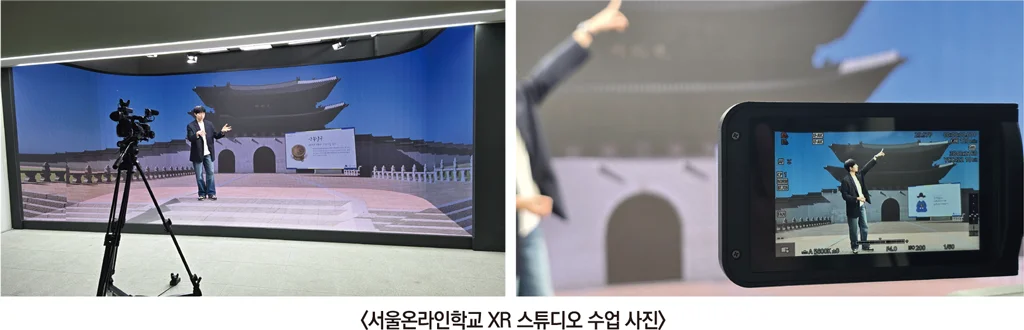
A lesson in Seoul Online School's XR studio.
Alongside offline collaborative classes, the ‘Seoul Online School,’ which combines digital technology and offline support, functions as a crucial pillar to fill classroom gaps. Opened in March 2025, the Seoul Online School is located on Wangsimni-ro in Seongdong District and provides offline spaces equipped with advanced facilities such as an XR studio to enhance the quality of online instruction 3.
For the first semester of the 2026 academic year, the Seoul Online School plans to operate a total of 109 courses, a 79% increase compared to the previous year 1 2 3. Operations are broadly divided into two types.
| Category | Operational Method and Status as of the 2026 Academic Year | Target and Characteristics |
|---|---|---|
| Custom-Order Type | 83 courses, 785 students enrolled (25 schools participating) | Individual schools apply to replace subjects that are difficult to offer within the school schedule with online courses |
| Open Enrollment Type | 24 courses, 399 students enrolled (144 schools participating) | Individual students apply to take small-class or liberal arts subjects that are difficult to access at their respective schools |
In this process, the XR studio provides an immersive environment where students can navigate as if in actual spaces to explore terrain in geography classes or intuitively understand 3D geometric shapes in math classes 3. It also offers future-competency-focused subjects such as ‘News and Media,’ ‘Generative AI and Maker Practice,’ and ‘Reading the World Through Data’ to assist students in career exploration 3.
Expanding Educational Resources Through Partnerships with Universities and Local Institutions
Diversification of subjects utilizing resources outside of schools is also underway. In the 2026 academic year, 211 high school-university linkage programs and 250 credit-system-type specialized curricula linked with local institutions will be operated 1 2. These local partnerships broaden opportunities for students to access specialized infrastructure such as universities, research institutions, and libraries 1 2.
Furthermore, a budget of approximately 11.84 billion won will be supported to 13 schools establishing dedicated spaces for the High School Credit System, enhancing physical infrastructure. Seasonal semester courses will also be newly established during vacations for students who have not fulfilled credit requirements, providing additional opportunities to earn credits 1 2.
Human Resource Support and Management Systems for On-Ground Stabilization
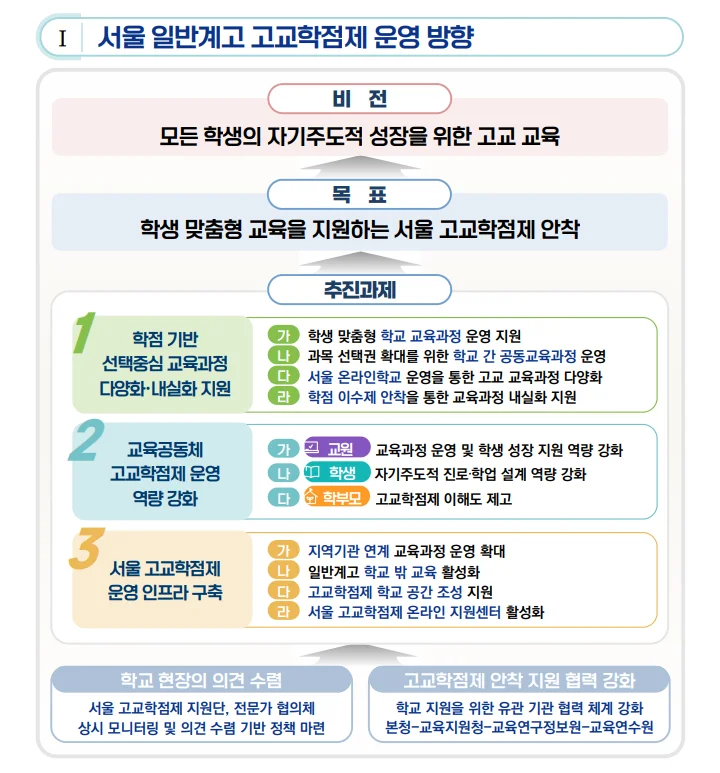
Alongside institutional infrastructure, counseling and guidance personnel have also been significantly expanded. Support personnel, including the newly formed ‘High School Credit System MAP Support Team’ of 104 members, the Seoul Career and College Admission Academic Design Support Team of 100 members, and the College Guidance Support Team of 110 members, have more than tripled compared to the previous year to guide students’ career and academic planning 1 2. To reduce the administrative burden on teachers, an integrated credit management program and school support materials are being developed and distributed, and customized career and academic design support is concurrently provided to students targeted for guaranteed minimum achievement level guidance 1 2.
Seoul Metropolitan Superintendent of Education Jung Geun-sik stated that this plan aims to “end the transitional period of chaos immediately following the full introduction of the High School Credit System and support its stabilization within school sites” 1 2. The core purpose is to support a customized curriculum for each individual student and broaden pathways for student growth 2.
References
- ↩
- 운영비 1억원·강사 채용비 지급…서울 고교학점제 안착 지원 | 연합뉴스 · yna.co.kr↩
- [학교탐방]학교의 경계를 넘다: ‘서울온라인학교’에서실현되는 맞춤형 교육과정 – 서울교육 · webzine.serii.re.kr↩