
A new era is emerging in which AI directly reads and edits the weights—the model’s brain cells—rather than continuing to train the model further. OpenAI’s frontier model GPT-6 Astra has demonstrated the potential of ‘Weight-Space Programming,’ surpassing the limitations of traditional LLM optimization that relied on prompts and hyperparameters by directly modifying the weights of the differentiable neural network itself according to natural language specifications. This technology achieved the remarkable feat of eliminating logical loops that previous training failed to resolve and boosting mathematical performance evaluation scores by more than six times with only a 0.016% change in weights.
A New Optimization Approach Excluding Gradient Descent
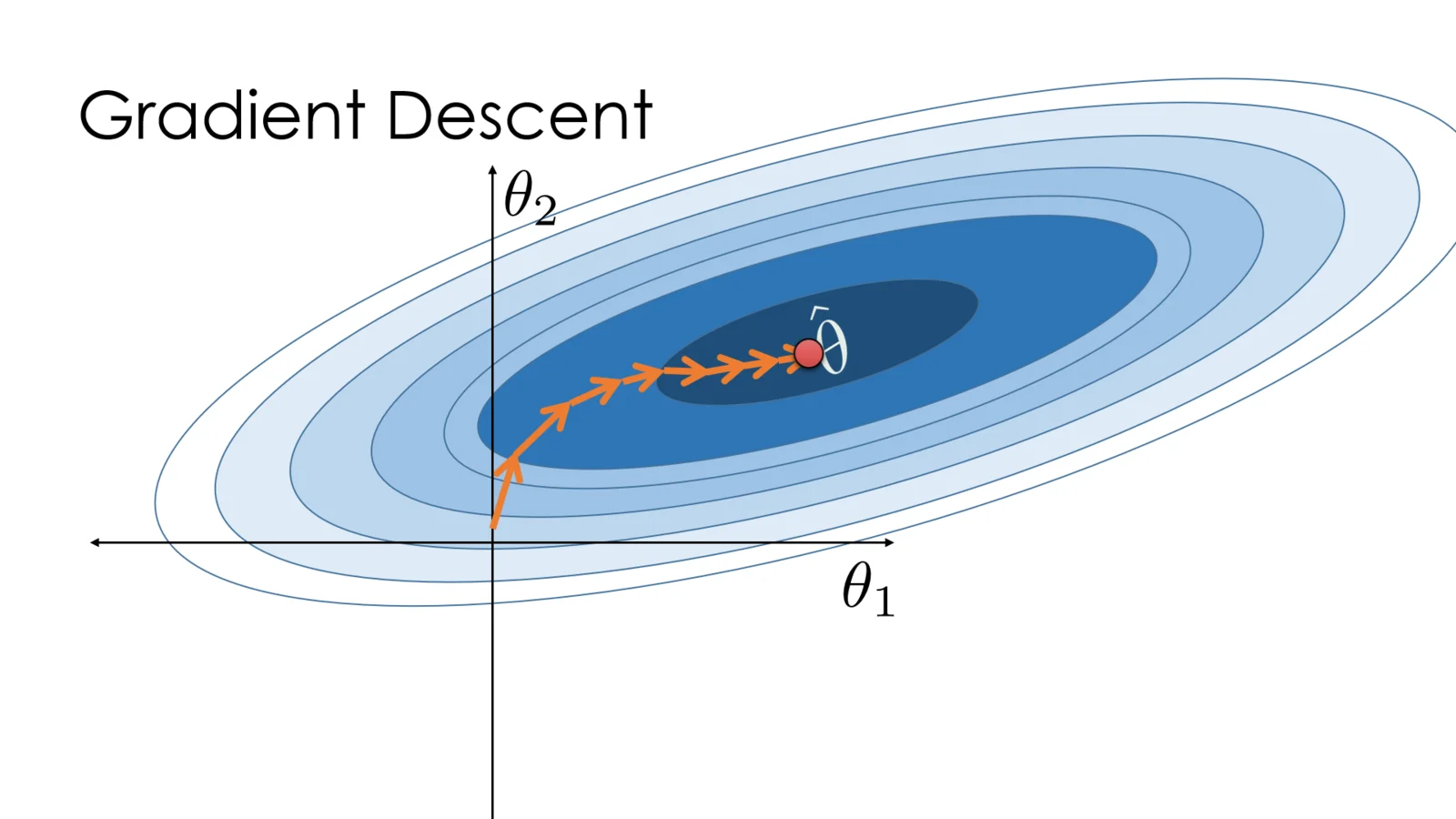
Weight-Space Programming refers to a method where a general-purpose LLM directly reads and writes the weights of other neural networks without using optimizers or gradient descent. Traditional approaches to improving model performance relied on fine-tuning or training loops that repeatedly adjusted weights through datasets. However, this new paradigm allows a model to accept natural-language goal specifications and immediately edit the weight matrices of the target model based on them.
The case of GPT-6 Astra clearly shows that this concept is not merely an abstract theory. The fact that models can understand and actively reconstruct the ‘weight space’—the internal structure of other models—beyond text generation or code writing signals a fundamental shift in AI optimization methodologies.
Weight Reading: Grasping Network Structure Without Execution
The first key aspect of Weight-Space Programming is ‘weight reading.’ The critical question is whether an LLM can identify what knowledge a model contains by purely looking at the listing of weight numbers, without running the model or engaging in inference.
Experimental results showed that by inputting only the weight data of a small neural network, the model accurately identified it as a model specialized for four Atari games, including Breakout and Pong. This was not just a pile of random numbers but the result of GPT-6 Astra reading subtle structural clues within the weight matrices, such as the structure of input channels or output connection patterns.
However, there are domains where relying solely on weights is insufficient. Limitations were confirmed in identifying dynamic operational mechanisms like attention patterns. In experiments distinguishing the sycophancy of the Gemma 3 270M model, success was not achieved with weight data alone, but identifying it became successful when tools for analyzing attention patterns showing the distribution of attention per head were permitted. This suggests that complete understanding is possible only when both the weights themselves and the information flow they create are read together.
The Mechanism of Weight Editing: Not Adding Ability, But ‘Removing Impairment’
The most notable achievement is the case of improving the performance of the Qwen3.5-0.8B model. Astra modified only 0.016% of the total weights of Qwen3.5-0.8B. Through this minute change, it removed the ‘repetitive reasoning’ impairment the model suffered from, boosting the MATH-500 benchmark score from 7.9% to 48.1%, a more than six-fold increase. The IFEval score also rose approximately three-fold, from 21.0% to 62.3%.
| Model State | Percentage of Modified Weights | MATH-500 Score | IFEval Score |
|---|---|---|---|
| Qwen3.5-0.8B Before Modification | 0% | 7.9% | 21.0% |
| Qwen3.5-0.8B After Weight Modification | 0.016% | 48.1% | 62.3% |
The cause of this score increase was not ‘adding’ new mathematical capabilities to the model. Rather, the model, which had previously fallen into infinite loops by reaching the response token limit during MATH-500 evaluations, was enabled to normally exercise its inherent abilities by removing those impairment factors. This is supported by the data showing that the ratio of responses exceeding the token limit in MATH-500 evaluations decreased from 93.0% to 33.1%.
Conditional Operation: The Limits of Unlocking Existing Abilities and Real-World Go Tests
This approach is not a panacea for all models. When weight modifications were attempted on the Gemma 3 270M model, which did not have repetitive reasoning impairments to begin with, no significant performance improvement was observed. This clearly indicates that the primary performance enhancement mechanism of Weight-Space Programming is closer to ‘unlocking constraints on existing abilities’ than to ‘creating new capabilities.’
Meanwhile, limited feedback was utilized in complex real-world tasks. Using limited forward pass tools in a 9x9 Go environment, Astra directly wrote a neural network with approximately 1.48 million weights. Through practice games, this model raised its win rate to over 50%. In the Kinetix car ramp task, when a trained PPO model got stuck in a local optimum, 3.5% of the weights (6,073 weights) were modified to add a new control pathway that read position and velocity, thereby solving the problem.
Writing Ability That Overwhelms Fine-Tuning: MinAtar Breakout Results
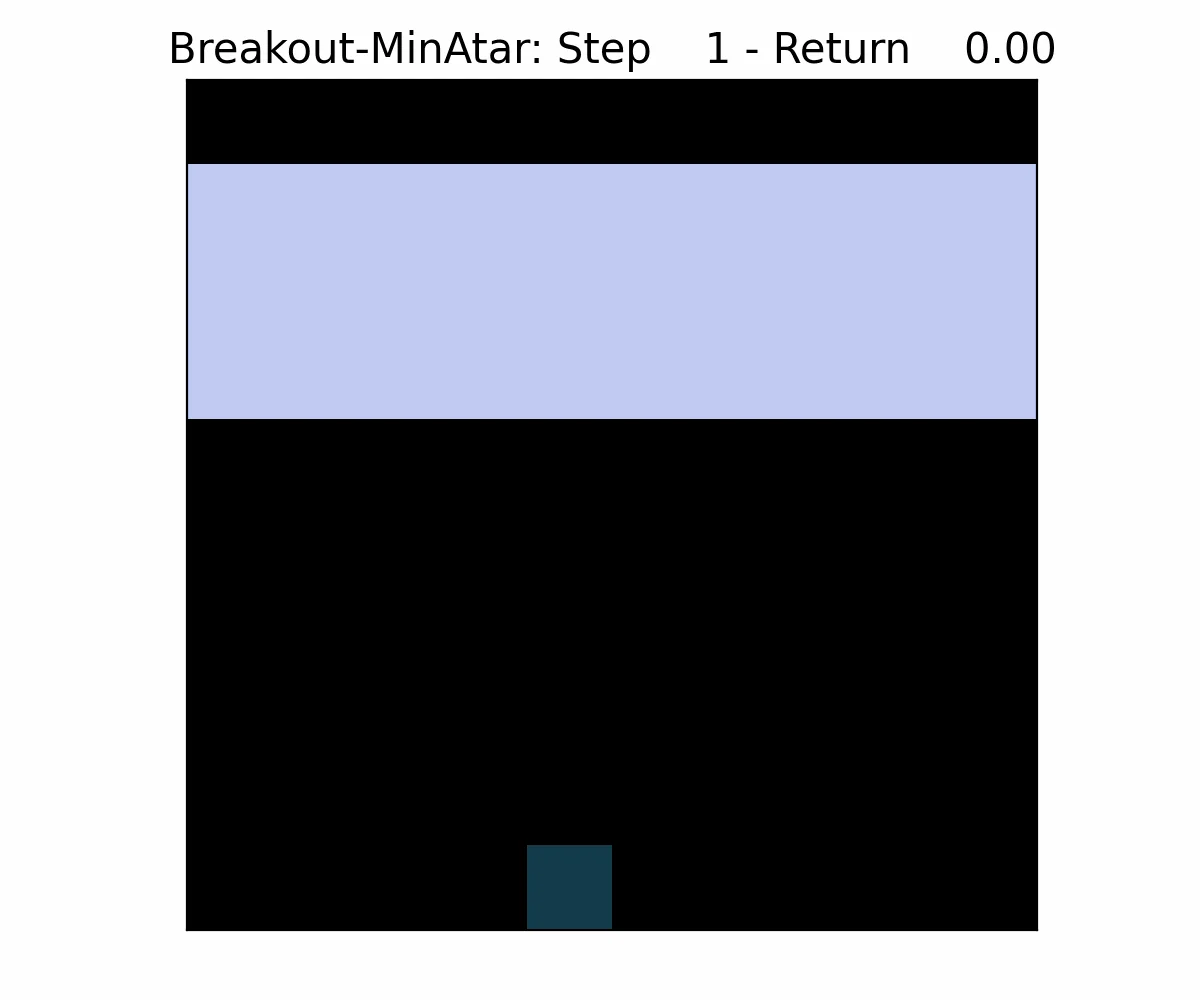
The ability to ‘write’ new neural networks, not just modify them, also showed results that overwhelmed traditional reinforcement learning methods.
| Model and Learning Method | MinAtar Breakout Score |
|---|---|
| PPO Training (100 Million Steps) | 15.8 |
| PPO Training (500 Million Steps) | 25.3 |
| Astra Direct Weight Writing | 517.4 |
In the Breakout game experiment in the MinAtar environment, the weights written from scratch by Astra recorded 517.4 points, overwhelming the 15.8 and 25.3 points recorded by models trained with PPO (Proximal Policy Optimization) reinforcement learning for 100 million and 500 million steps, respectively, by more than twenty times.
This ability to directly read and modify weights is interpreted as the generalization of natural language, code, and mathematical reasoning abilities contained in the LLM’s training data. The programming and mathematical patterns the model observed and learned during the training phase were extended into the manipulation of actual neural network number arrays.
Practical Application of Weight-Space Programming and Remaining Challenges
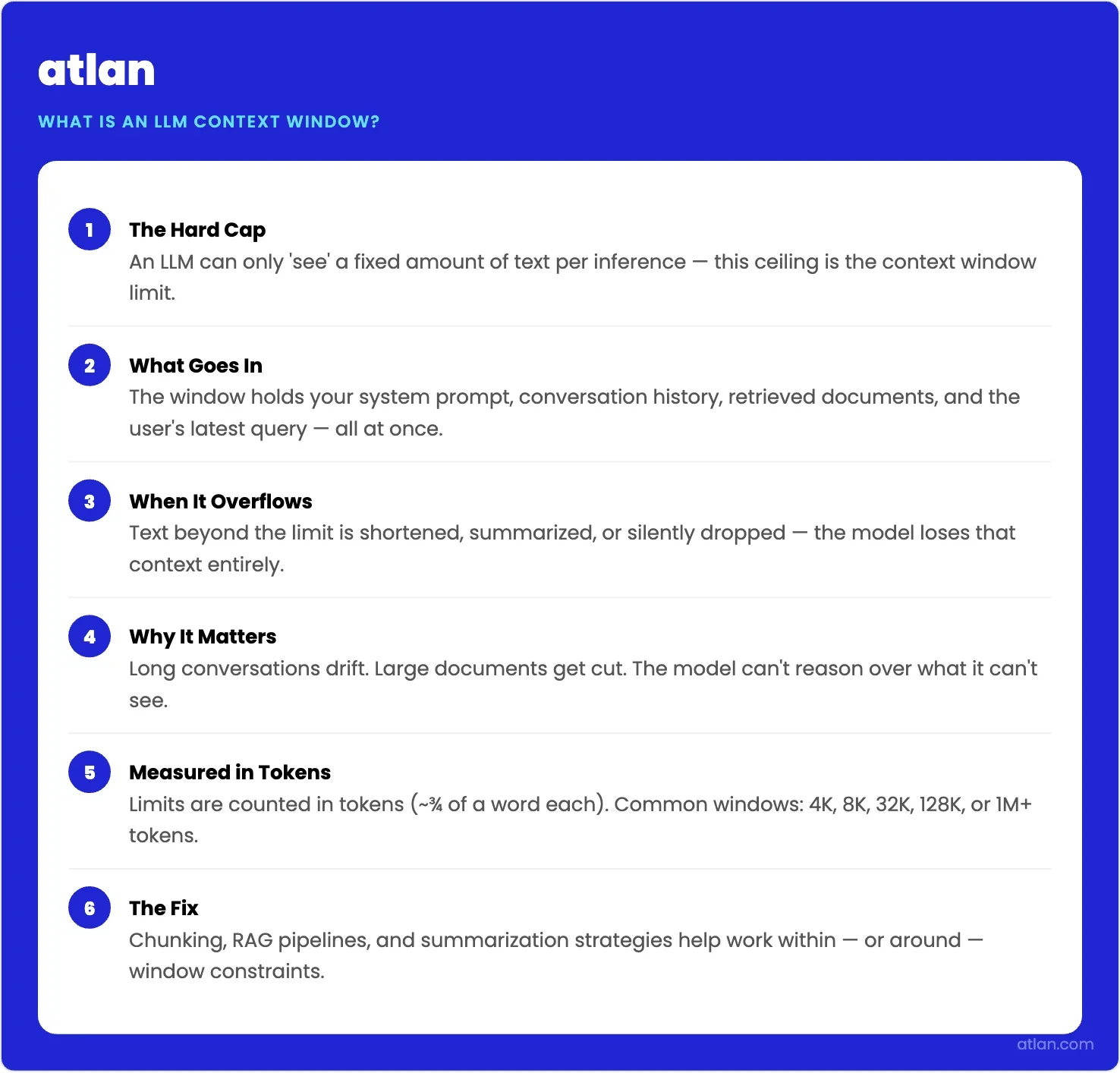
Current Weight-Space Programming is in its early stages, with performance limited by the handling of massive context lengths and the inefficiencies of Harnesses. Furthermore, whether successful cases in specific models like Qwen can be similarly generalized to all large language models requires more validation.
However, the potential for practical application proposed by this technology is very clear. It can significantly reduce optimization costs through weight initialization without training loops, and flexibly adjust specific model capabilities without catastrophic forgetting through modifications to only a small number of weights instead of full retraining.
While additional validation is required regarding cost-effectiveness compared to traditional fine-tuning, the phenomenon of AI models being able to manipulate their own structures or those of others as easily as programming languages is a foundational technology that completely transforms the entire process from model evaluation and auditing methods to performance tuning.