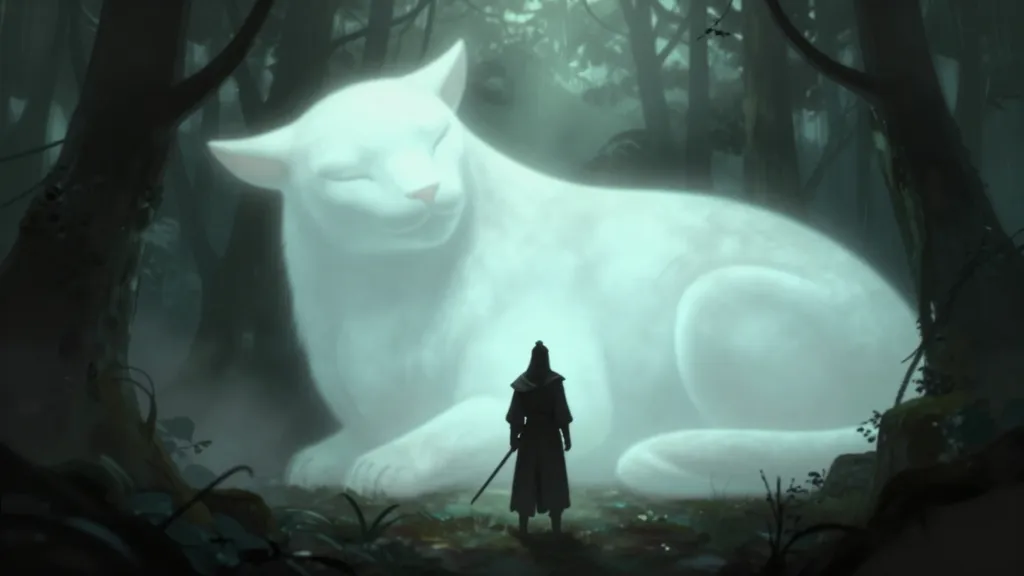
Late one night, I sat blankly in front of my monitor for a long time. On the screen, the carcass of a massive beast I had just defeated was crumbling upon the cold ground. Just moments ago, my heart had been pounding with the thrill of victory, but the instant the beast's final death rattle echoed, a hollow emptiness washed over me, as if a hole had been punched in my chest.
"What did I just do?"
The rules of the game were clearly defined: defeat monsters, gain experience, and become stronger. But why did that simple formula suddenly drive me into a state of guilt and strange melancholy? Today, I want to talk about this peculiar and philosophical emotion we encounter while gaming: "The Melancholy of Monster Hunting."
The Cold Shadow Hidden Behind the Joy of Victory
For a very long time, we have grown up dreaming of becoming "monster hunters." From the solitary heroes of Castlevania to the knights facing grand destinies in Elden Ring, games grant us the role of the lone hero and promise righteous victory. Monsters are targets to be conquered, and their deaths are directly linked to our own growth.
However, recent games have begun to crack this old formula. Moving beyond simply swinging a sword to cut down enemies, they have started to ask what the targets we kill actually are, and what significance those actions hold.
For example, when playing Bloodborne, you encounter a very strange moment. It's when you meet 'Ebrietas,' a massive being sleeping peacefully under the moonlight inside a dark cave. Though the protagonist has rushed through slaughtering countless monsters, in the face of such a mysterious and sacred sight, we hesitate, unable to draw our blades. Rather than checking their name or taking a screenshot, we simply feel a desire to leave the place quietly. This is the first ethical question modern games pose to us: "Is this being truly the enemy you must kill?"
The Paradox of a System Where Death Becomes Growth
In truth, the root of the emptiness felt by many gamers lies in the design of the game—the "system." The mechanism we commonly experience, where "Kill = XP = Growth," is highly efficient, but simultaneously very violent.
The illogical disconnect felt by gamers is quite profound. Even when intelligent, humanoid enemies appear, why don't they surrender or retreat tactically in the face of the protagonist's overwhelming power? Why do they rush in as if lining up just to die?
Modern game critics point to this as a design intended to maintain the "illusion of the player's loss of powerlessness." If enemies acted intelligently by fleeing or attempting to negotiate, the pleasure of "demonstrating overwhelming power" that the player feels would diminish. Ultimately, we perform a repetitive act of converting life into numbers for the sake of growth, erasing existences to feed those numbers. The emotional exhaustion resulting from this process might be the true identity of that "strange melancholy" we feel.
The Weight of Defeating a Colossal Being
If I were to pick the work that most dramatically heightens these emotions, it would undoubtedly be Shadow of the Colossus. This game has no ordinary mobs whatsoever. There exist only sixteen massive 'Colossi.' This fundamentally blocks the "light sense of achievement" one feels from defeating weak enemies.
We climb over the massive bodies of the Colossi and experience physical contact by gripping their soft fur. This goes beyond simple combat, creating a physical and emotional connection with the prey. Thus, the screams and sad melodies that play when those giant beings fall do not feel like songs of victory, but like tragic dirges.
The same applies to Kratos in God of War. The scene where he, once a demon of slaughter, tells his son Atreus to "close his heart" shows that violence is not merely destruction, but a painful process that shapes a being's identity. Kratos's journey is not a repetition of slaughter, but rather a process of therapy—suppressing destructive instincts to find his identity as a father.
Philosophical Reflections on Vanishing Things
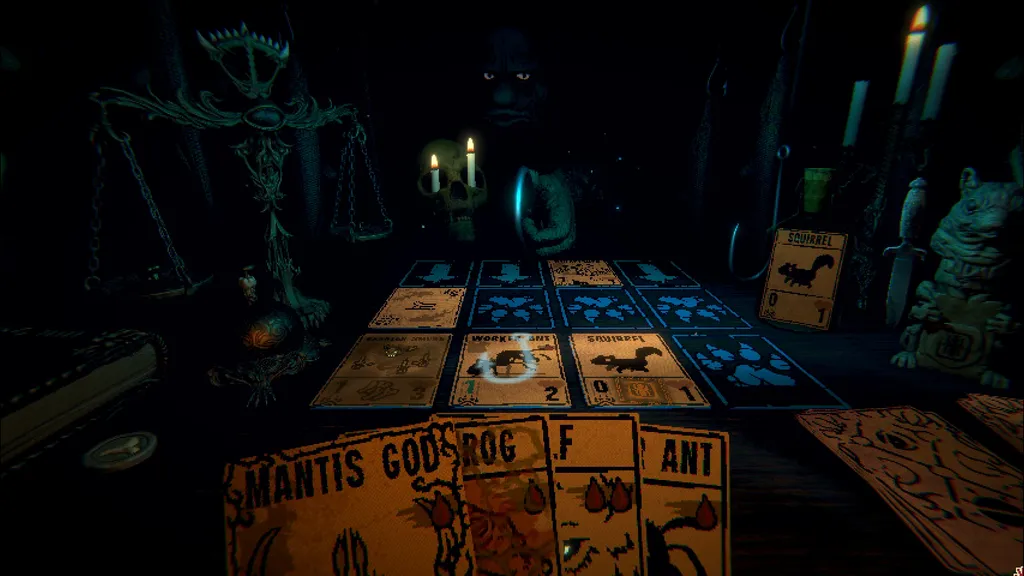
The sadness we feel when we kill monsters is not merely sentimental. It carries deep philosophical questions about the value of existence.
One philosophical perspective is quite intriguing: every living thing in the world possesses its own unique potential. Even if that being is a monster committing evil acts, the positive influence that life could exert on the world by existing is limitless.
The moment we execute a monster, all the possibilities it might have realized in the future vanish forever. Much like Frodo and Sam's hesitation in Tolkien's world when they wanted to spare Gollum, sometimes "mitigation" can be a nobler choice than destruction. Killing a monster is the easiest solution, but it is also a harsh decision that permanently shuts down the future that life held.
Ultimately, true evil may not lie in the monsters themselves, but within the systems inside us that classify them simply as "targets to be removed" or "clumps of experience points."
Closing: Where is Your Sword Aiming?
This peculiar melancholy we feel in games is, paradoxically, proof of how human we are. The fact that we feel guilt while killing monsters and mourn their deaths is the strongest signal that games have evolved beyond simple entertainment into a medium that demands ethical reflection from us.
Games no longer simply ask, "How many enemies did you kill?" Instead, they ask, "How are you treating those lives?"
In the games you played today, where was the tip of your sword aimed? Did you, perhaps like me, feel an unforgettable sadness at the final sight of someone you had just defeated?
What was the most peculiar or saddest moment you experienced while playing a game? Please share your stories in the comments.
References
- The Strange Melancholy of Slaying Monsters | The MIT Press Reader · thereader.mitpress.mit.edu
- The Melancholy of Slaying Monsters - Hacker News · news.ycombinator.com
- The Melancholy of Slaying Monsters | Hacker News · news.ycombinator.com