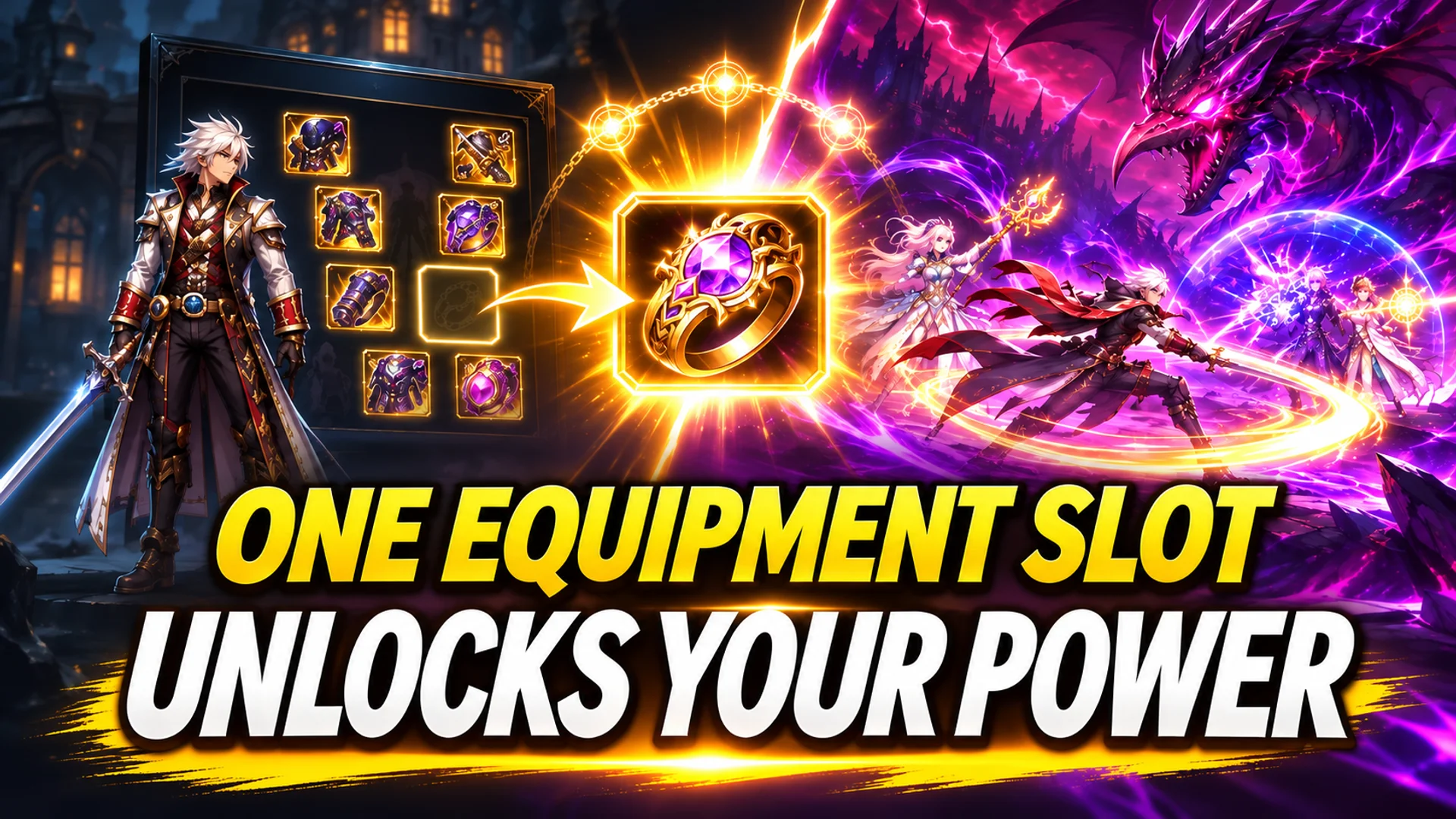
When a friend in a dungeon notices first and says, “Huh? You’re a bit faster today,” you may have calmly replied, “I just changed one piece of gear.” To others, it might look like a trivial swap, but beneath the surface lies a meticulous plan: days of gathering materials, comparing prices, and checking stats against your existing gear. Why does such a small expense so dramatically change your perceived power? The answer lies in the fact that that single slot isn’t about adding a slight boost to peak performance; it’s closer to flipping a switch that activates an already assembled combination. Crossing a specific threshold, such as a dungeon entry requirement, can unlock entirely different content. Combo effects that only trigger when equipment, attributes, and skills interlock are waiting for that final empty slot to be filled. Your money didn’t buy a linear increase in strength; it filled the last gap among pieces you had already arranged with time and effort.
A Structure Where the World Changes the Moment You Cross a Threshold
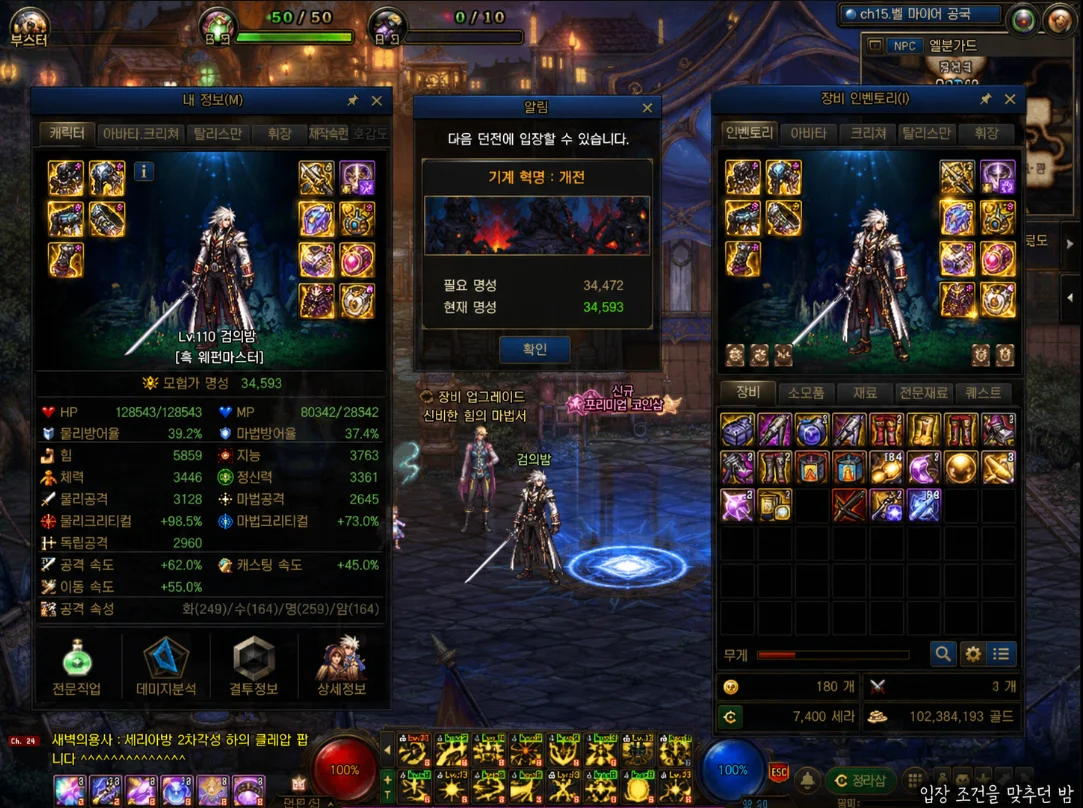
While you hope for your character to grow stronger, the actual progression is rarely smooth. Nexon Peak community user ‘폭풍같은주황호랑이31281’ described their experience contemplating spec-up (increasing character performance) while playing Dungeon & Fighter in a retrospective post. They initially wrote that they believed simply making the attack power number larger would automatically make them stronger. However, in actual combat, they encountered players with similar-looking gear who cleared monsters at different speeds, while their own character often saw little noticeable change despite rising numbers. The reasons were mismatched gear combinations, empty enchantments (elements that grant additional effects to gear), or focusing on flashy stats rather than the ones actually needed 1.
This is where ‘threshold design’ plays a crucial role. The author set a goal of reaching a stat level that was ‘just slightly insufficient’ for entering the next dungeon, noted the missing areas, and addressed the parts that rose reliably with the lowest cost first. They filled empty enchantments, replaced outdated equipment, and did not miss daily playable content. Finally, they took out stored materials, organized unnecessary gear, and proceeded with one more upgrade. The moment the numbers crossed the baseline, they spent a while just looking at the equipment screen; that was the most memorable moment of the day 1. When entry requirements are far from being met, one might feel at ease, but anxiety arises sensitively when only a tiny amount is left to reach the goal. This structure is designed so that small changes lead to the opening of entire content, creating a perceived leap in efficiency relative to cost. In other words, strength growth does not follow a flat curve but jumps in a step-like fashion when a specific threshold is crossed.
Pieces Accumulated Over Time, and the Switch Turned on by the Last Slot
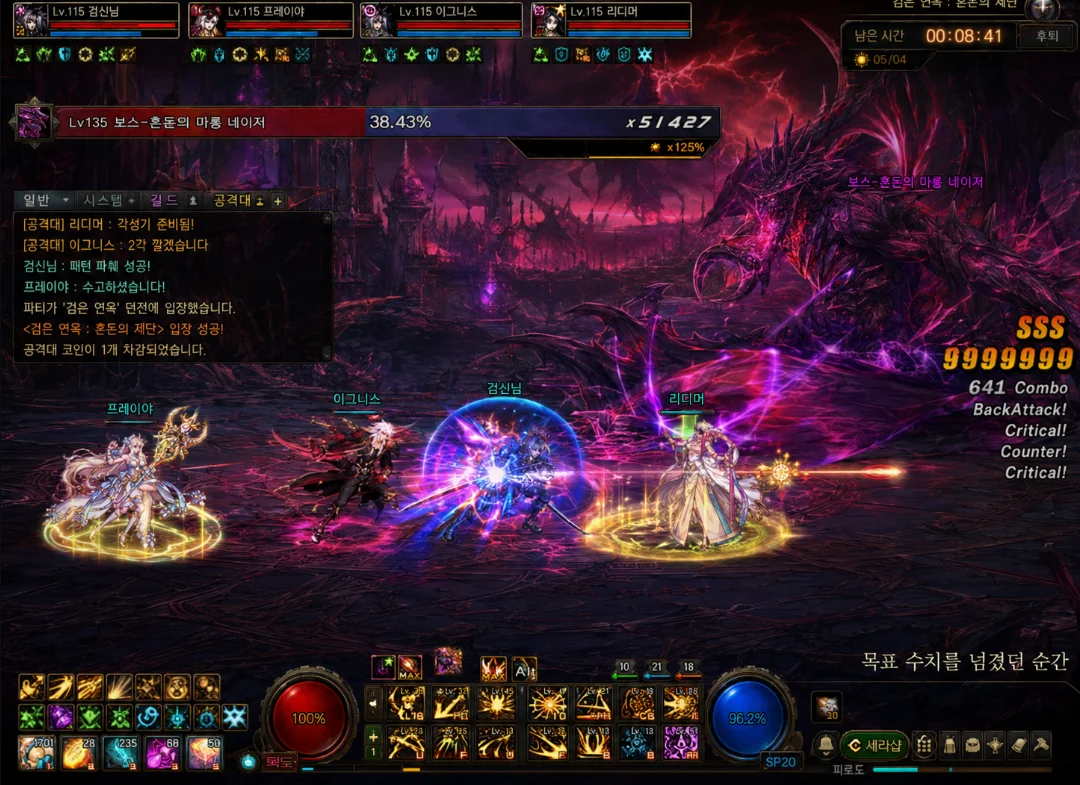
The second reason for a sudden leap in perceived strength is that elements like equipment, enchantments, and skill order function based on ‘combo activation’ rather than individual stats. The author redefined spec-up not merely as raising numbers, but as “a process of filling in the weakest parts of my character one by one.” As a result, rooms that previously required using skills multiple times to clear now finished in one go, and there was no longer a need to use an extra bundle of skills during boss fights. The difference became so immediate that friends noticed first and mentioned, “You’re faster” 1. This moment of leap was possible because a significant portion had already been filled with time and effort. Since the remaining pieces were ready, only the final switch was flipped; thus, even though the cost itself was small, the perceived effect manifested as the operation of the entire combination.
This structural characteristic appears in a slightly different form in mobile games. An investigative report published in the February 2019 issue of Shindonga introduces the case of Mr. Choi, an employee at a financial company who spent approximately 50 million won playing mobile games. Mr. Choi stated, “Initially, I only used the monthly subscription amount. Then one day, I spent a bit more, and my character was stronger. I spent again, and it was stronger again” 2. This user noted that currency is invested simultaneously into multiple enhancement systems, including stat strengthening, item enhancement, and buff bonuses, rather than just one or two places 2. If a single expenditure is poured into multiple enhancement systems at once, there is room for perceived strength to rise simultaneously through several pathways. However, since enhancements do not succeed 100% of the time, spending does not immediately lead to guaranteed strength. One must also consider that probability elements exist, meaning perceived gains may not be immediate or may end in failure 2.
Where the Asymmetry Between Cost and Perception is Created

To actually verify the moment a perceived leap occurs, one can refer to the realistic spec-up habits suggested by the author. The author established principles such as verifying entry requirements and actual combat power separately, handling the cheapest upgrades first, and not blindly mimicking others’ final gear. Specifically, after crossing the entry stats, they checked how much stronger they actually had become in a training ground or a familiar dungeon. This procedure demonstrates that the asymmetry between cost and perceived strength is not a mere illusion but a verifiable, actual difference.
To understand this asymmetry, one must consider the intersection of thresholds and combo activation. In RPGs where the threshold of entry stats overlaps with combos triggered only when equipment, enchantments, and skills interlock, even a very small cost in the final empty slot shifts perceived strength entirely to the world beyond the threshold. Conversely, blindly spending large sums of money when entry stats are still far from sufficient fails to reach the threshold, resulting in negligible perceived changes. The validity of this principle is limited to genres that feature dungeon entry requirements or equipment and skill combinations.
The two devices of thresholds and combo activation are also key designs that keep players engaged. In RPGs designed with thresholds and combos like dungeon entry stats or equipment combinations, the moment the last slot is filled is remembered as the most intense sense of achievement. That single slot, which elicited the comment “You’re a bit faster today,” goes beyond simply raising strength numbers slightly. It becomes the trigger for a transition to an operational state where all pieces, prepared in advance with time and effort, mesh together. The structure itself, where the magnitude of cost and the magnitude of perception are not proportional, is an effect created by game design.
References
- [피크 챌린지] 숫자 한 칸이 아쉬워 밤까지 붙잡았던 던전앤파이터 스펙업 | Peak · peak.nexon.com↩
- 모바일 게임에 ‘현질’(현금질) 심각 · shindonga.donga.com↩