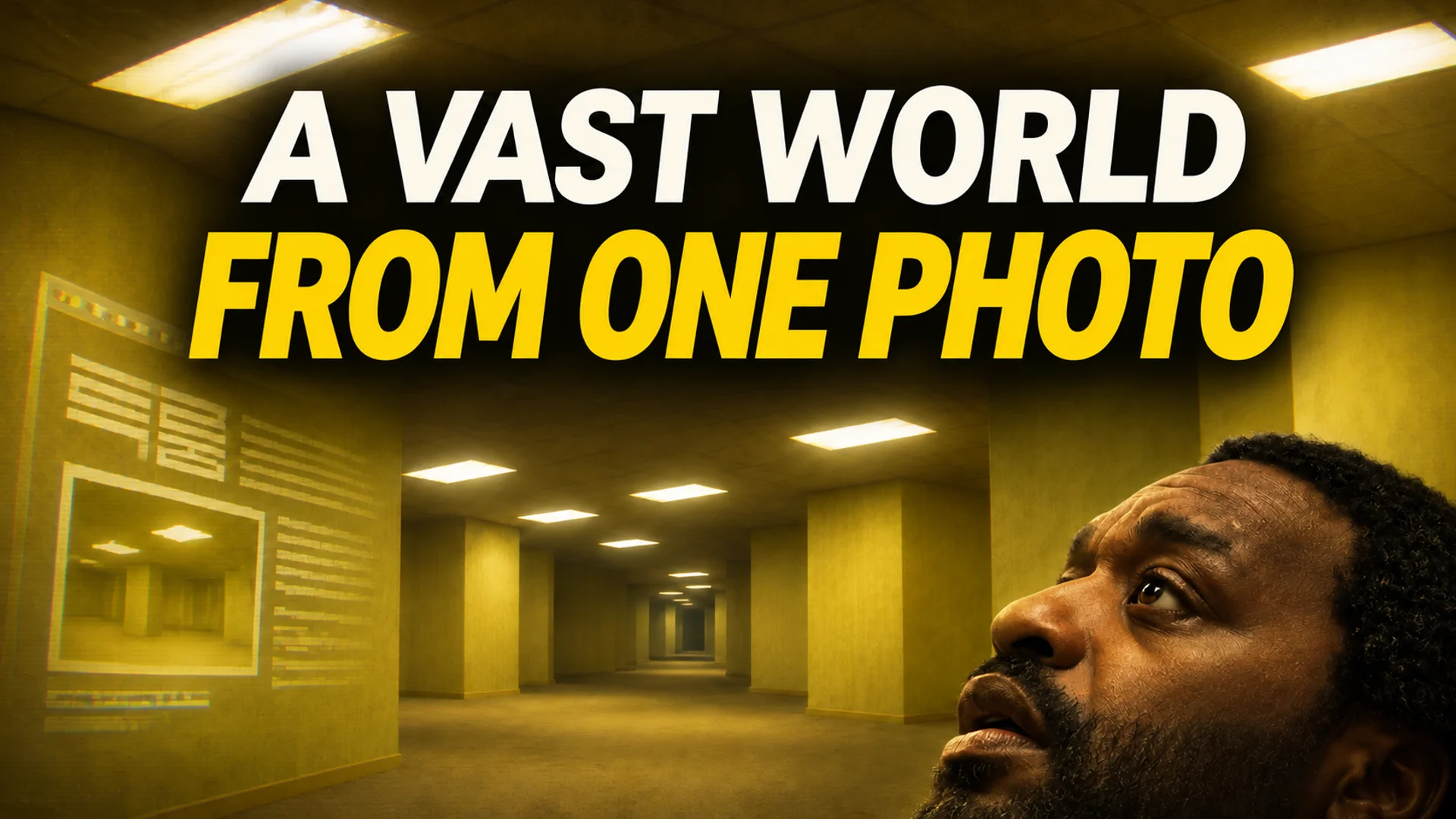
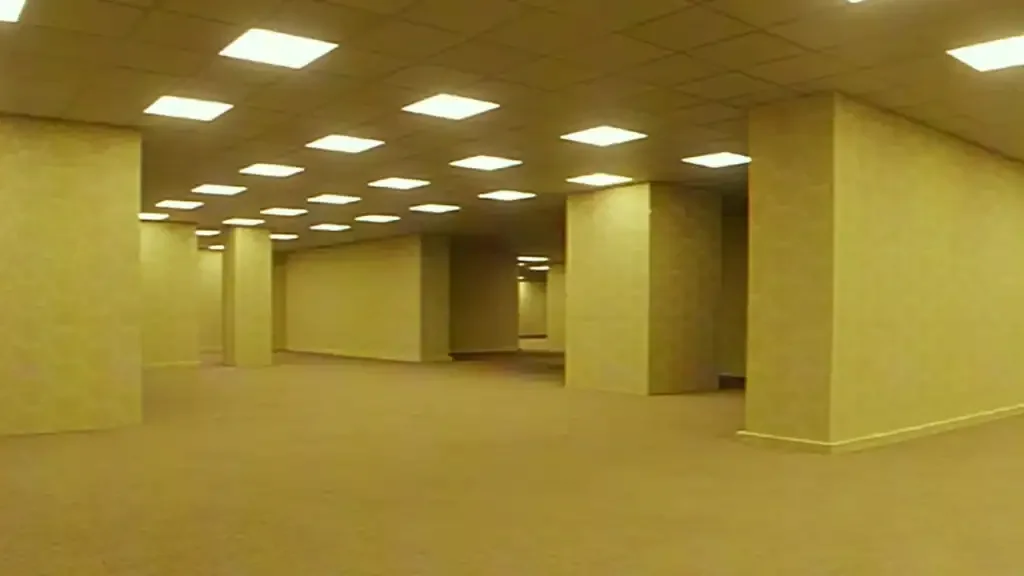
A single photograph was posted to the internet community 4chan in 2019. It showed an empty room with endless yellow wallpaper and fluorescent lights, accompanied only by the description: "the place where you fall if you pass through a wall incorrectly in reality." Neither the photographer nor the copyright holder was clearly identified. The film Backrooms, originating from this image, was released in May 2026. It surpassed 212.6 million within ten days, becoming A24's highest-grossing global film of all time 1.
Unlike existing horror films that deal with concrete threats such as ghosts or serial killers, the horror of The Backrooms stems from the sensation of an "empty space without an owner" itself. The secret to this creepypasta becoming a film was not due to a strong original work being sold. Because the lack of an owner allowed anyone to freely add to the setting, a massive fandom formed first. A24 attracted theater audiences by acquiring the rights to the most convincing visualization of this community worldview by a single creator.
Everyone Created It Because There Was No Owner
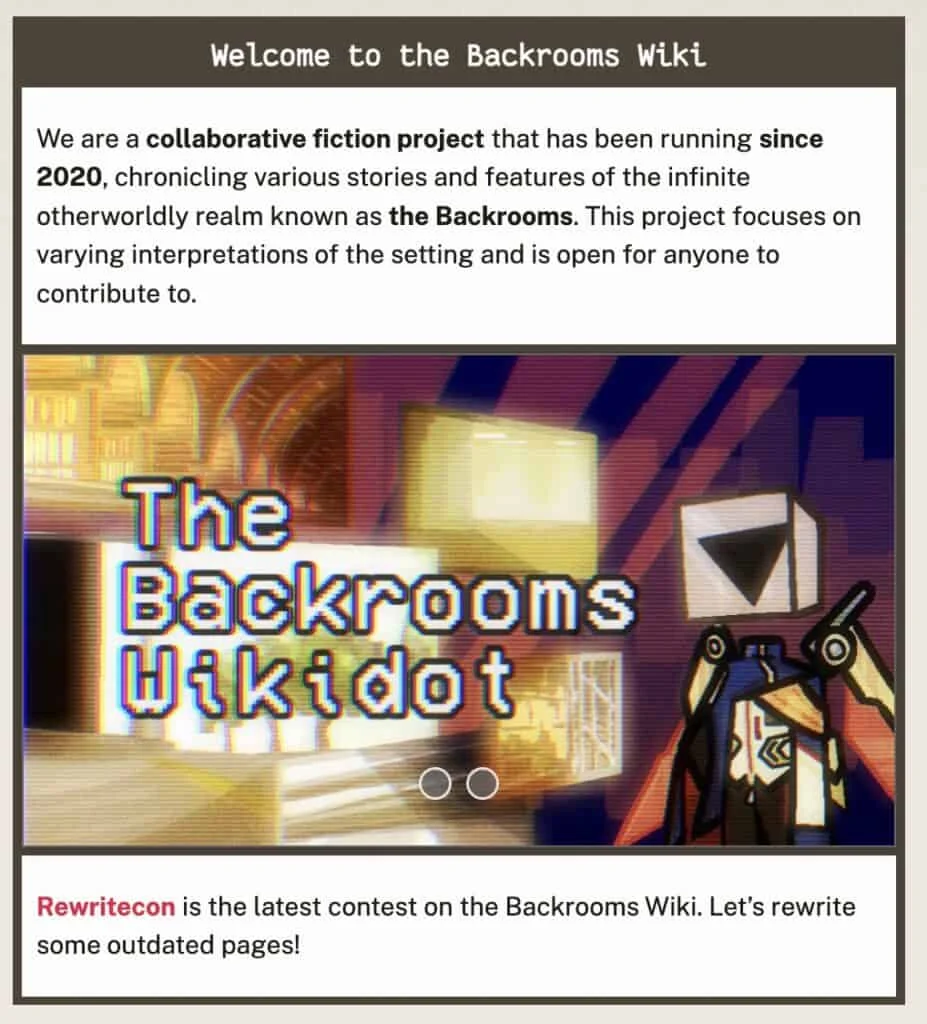
The original Backrooms image posted on 4chan had an anonymous author and no claimed copyright. This "non-ownership" state served as fuel for its spread. Because no permission or restrictions were required, any internet user could freely fill in the Backrooms worldview.
Users used their imagination to add settings such as structures by floor (level), endlessly connecting rooms, and strange entities within the space. The worldview expanded so extensively that wikis emerged to gather these scattered creations and information 2. Unlike traditional methods where an IP planned by a production company reaches consumers like films or novels, The Backrooms is a structure where users became co-creators themselves, building a fandom. The absence of a defined correct answer encouraged participation. The wider the room for interpretation, the deeper people immersed themselves in analyzing and sharing the settings.
A Nine-Minute Video and the Paradox of Copyright
The person who gave a consistent visual and narrative to the community's fragmented, floating imagination was Kane Parsons, who was 16 years old at the time. With no formal film education, he taught himself 3D graphics and video editing. In 2022, he released an approximately nine-minute found footage video (a video produced to look like real recorded footage) with the premise of "the record of a photographer who entered the Backrooms as if falling from reality" 1.
Parsons' video utilized a VHS filter capturing the rough texture unique to analog videotapes and realistic graphics to realize the Backrooms space. In subsequent videos, he introduced a fictional agency, 'A-Sync', studying dimensional travel, explaining even the causality of why the Backrooms exist. As of June 2026, this video had recorded 87.08 million views 1.
The rights A24 purchased were not exclusive rights to the word "Backrooms." The concept of the Backrooms itself is in the public domain, free from copyright. What A24 secured from Kane Parsons were the rights to the "Dimensional Research Institute (A-Sync) setting" he added to the photograph and the "analog visual expression based on the VHS filter" 2. In other words, A24 did not buy the Backrooms concept itself but invested in "one individual's interpretation"—the most convincing among the worldview built by the community.
The Sensibility of New Horror and the Choice of the 20s
Behind the Backrooms becoming a popular horror that permeates film and everyday marketing lies a change in modern sensibilities. The Backrooms is a type of "Liminal Space." This term originally refers to a space at a transition stage moving to another state, but in internet culture, it is used to describe familiar places that have strangely become empty and lost their purpose.
The sense of estrangement felt when usually seen spaces, like an airport at dawn or a shopping mall with lights off, are strangely empty is the core of Backrooms horror. The film The Backrooms did not rely on ghost appearances or jump scares, but made the visual repetition of exitless yellow corridors the source of horror. This aesthetic was in a form easily reproducible quickly via the internet.
Actual viewer data shows which generation this horror appealed to. According to CGV reservation data, people in their 20s accounted for 40% of the film The Backrooms audience, while those in their teens and 30s accounted for 19% each 1. An open ending that did not provide clear answers led audiences to create and share their own interpretations. The process of teens and people in their 20s leaving the theater to discuss the meaning of the ending and share interpretations formed a virtuous cycle that attracted further audiences.
This consumption style expanded across subcultures in general. On KakaoPage, the web novel I Have to Go to Work Even If I Fall into a Creepypasta, which dealt with a creepypasta worldview similar to the Backrooms, recorded 370 million cumulative views 3. McDonald's and IKEA Canada showcased marketing placing their products in the strangely empty spaces unique to the Backrooms, and the AI-based virtual local government account 'Seodam-si' led the play of blurring the boundary between reality and fiction, gathering 71,000 followers with content in the form of administrative records with degraded image quality 3.

A Structure Where Fandom Calls the Brand
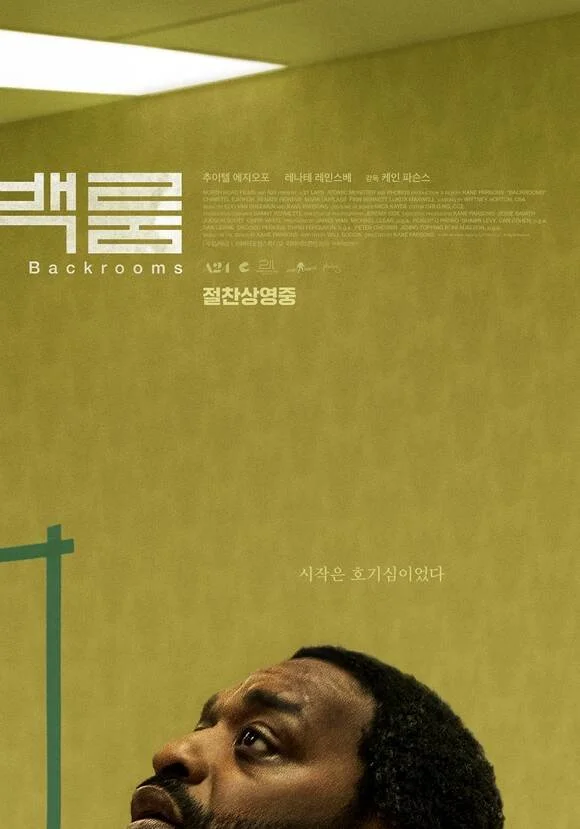
The traditional media industry went through a process of buying the rights to verified original works at high prices to persuade fans. However, the Backrooms followed the opposite flow. Rather than a production company planning content to gather fans, the community had already completed the IP and fandom before calling in the production company.
A24's decision to appoint Kane Parsons, who received no formal education, directly as director can also be understood in this context. To reduce the box office risk associated with a new director, they placed veteran James Wan as a producer, but entrusted the core of the creative work—visual direction and narrative—to Parsons, the original creator trusted by the fandom 2. As a result, they generated over 10 million budget 1.
The success of the Backrooms was possible because the lack of a copyright holder allowed anyone to participate. The worldview jointly created by the community became the foundation of the audience, and A24 was able to secure both the trust of fans and the safety of the industry by bringing in the creator who interpreted that worldview best as a partner. A story owned by no one proved to be the strongest value of ownership.
References
- [TF초점] '백룸'은 어떻게 100만 관객을 사로잡았을까 · v.daum.net↩
- ‘백룸’의 새로운 공식: 젠지가 만든 괴담이 영화가 되기까지 · letter.wepick.kr↩
- 올여름 괴담 트렌드, 왜 Z세대는 제 발로 백룸을 찾을까 · maily.so↩