"Has it really been over 10 years since my favorite idol debuted?"
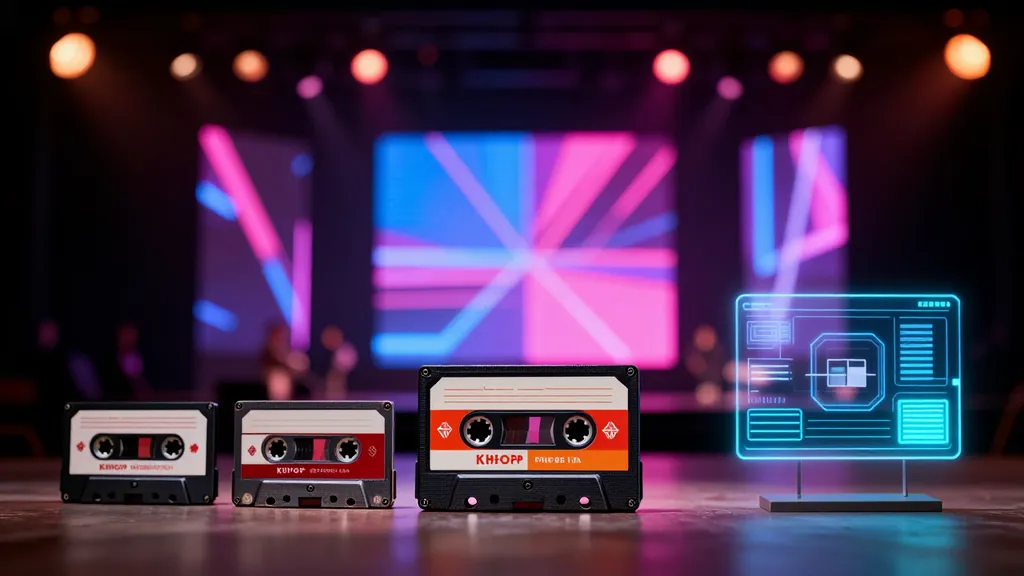
This peculiar sense of loss that K-pop fans might have felt at least once is not just a matter of feeling. It is because the K-pop industry has been evolving, constantly shifting generations like a living organism, much faster and more dynamically than we think.
From the grand exit of the 2nd generation and the global dominance of the 3rd generation, to the rapid advancement of the 4th generation shaking the market in 2024. Today, we will take a deep look into this massive flow to understand how K-pop became a part of our lives and where it is headed next.
1. The Legacy of the 2nd Generation and the Global Engine of the 3rd: The Beginning of Change
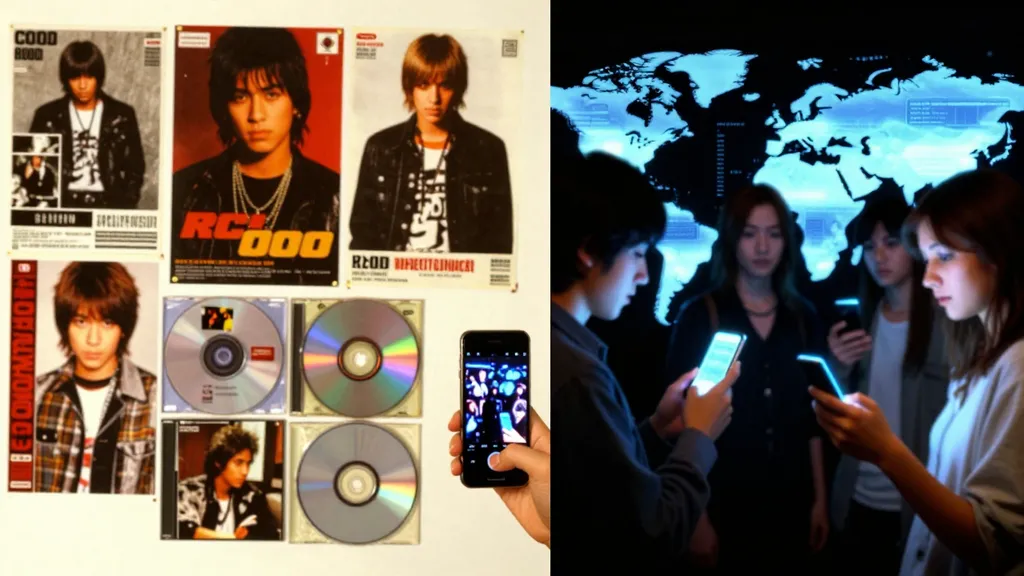
Looking back at the history of K-pop, 2nd generation idols are the protagonists who etched the concept of 'fandom' into our minds. At that time, fandoms were centered around offline activities. Fans gathered in front of the TV at specific times, waving lightsticks and acting as guardians who protected 'their artist' by purchasing physical albums. This period, characterized by a strong sense of community, was when K-pop built a solid foundation in the domestic market.
However, the landscape completely shifted with the emergence of the 3rd generation. With the rise of groups like BTS, EXO, and TWICE, K-pop was no longer just for Korea. They held a powerful weapon in their hands: social media.
The secret to the success of 3rd generation idols is clear. They became more than just singers; they became cultural icons that combined global localization strategies with storytelling. They broke down the 'language barrier' by communicating with fans worldwide in real-time through Twitter and Instagram. In particular, as fandom culture evolved into data-driven strategies, fans transformed from simple consumers into active agents managing streaming counts and hashtag shares. This was the core driving force that allowed the 3rd generation to dominate the world.
2. 2024: The Rise of the 4th Generation and the Emergence of a New Paradigm
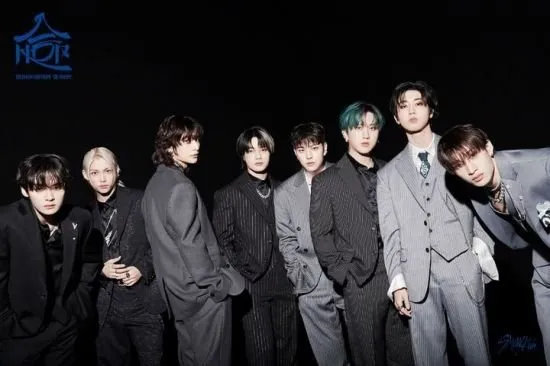
So, what era are we living in now? 2024 will be recorded as the undisputed era of 4th generation idols. While the 3rd generation swung the doors of the global market wide open, the 4th generation has surged through those open doors to take command of the market worldwide.
The most significant characteristic of 4th generation idols is that they are 'digital natives.' They are a generation optimized for short-form content like TikTok or Instagram Reels from birth. In an era where a single 15-second challenge video creates more global virality than a long music video, the 4th generation has utilized this trend most cleverly.
However, behind the brilliant success, a dark shadow also exists. The rapid pace of content consumption, a hallmark of the 4th generation, acts as immense pressure on artists. The compulsion to constantly show a new side leads to identity confusion and burn-out for artists, raising questions about the sustainability of the industry. Additionally, the market polarization—where the gap widens between groups that survive and those that do not—is another task we must solve.
3. The Convergence of Technology and Emotion: The Future Painted by AI and the Metaverse
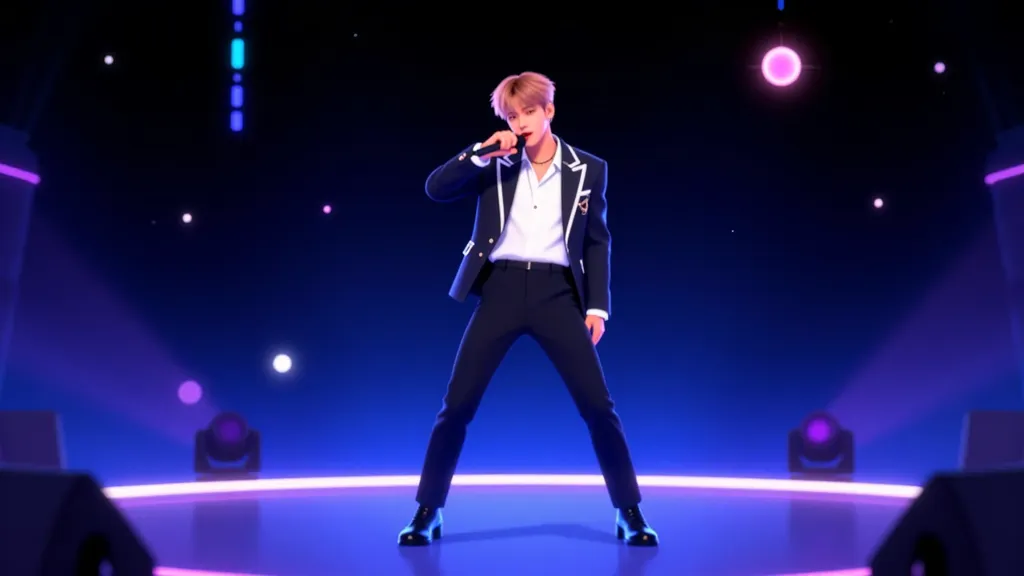
The evolution of K-pop is not limited to the replacement of people (artists). The integration with technology has become a necessity rather than an option. As of 2024, K-pop is pioneering new realms through Artificial Intelligence (AI) and the Metaverse.
AI analyzes vast amounts of fan data to recommend personalized content, and the sight of virtual idols competing with real idols and meeting fans is no longer unfamiliar. Virtual concerts on metaverse platforms have completely erased the limitations of physical distance.
An interesting point here is the diversification of content consumption patterns by generation. Gen Z and Gen Alpha are enthusiastic about short-form content and behind-the-scenes stories—the 'authentic daily life.' On the other hand, older generations still value classic qualities like high-quality music and spectacular performances. Therefore, modern K-pop strategies are moving toward constructing a highly sophisticated data-driven content portfolio to catch both of these birds.
4. A New Perspective on How We View K-pop
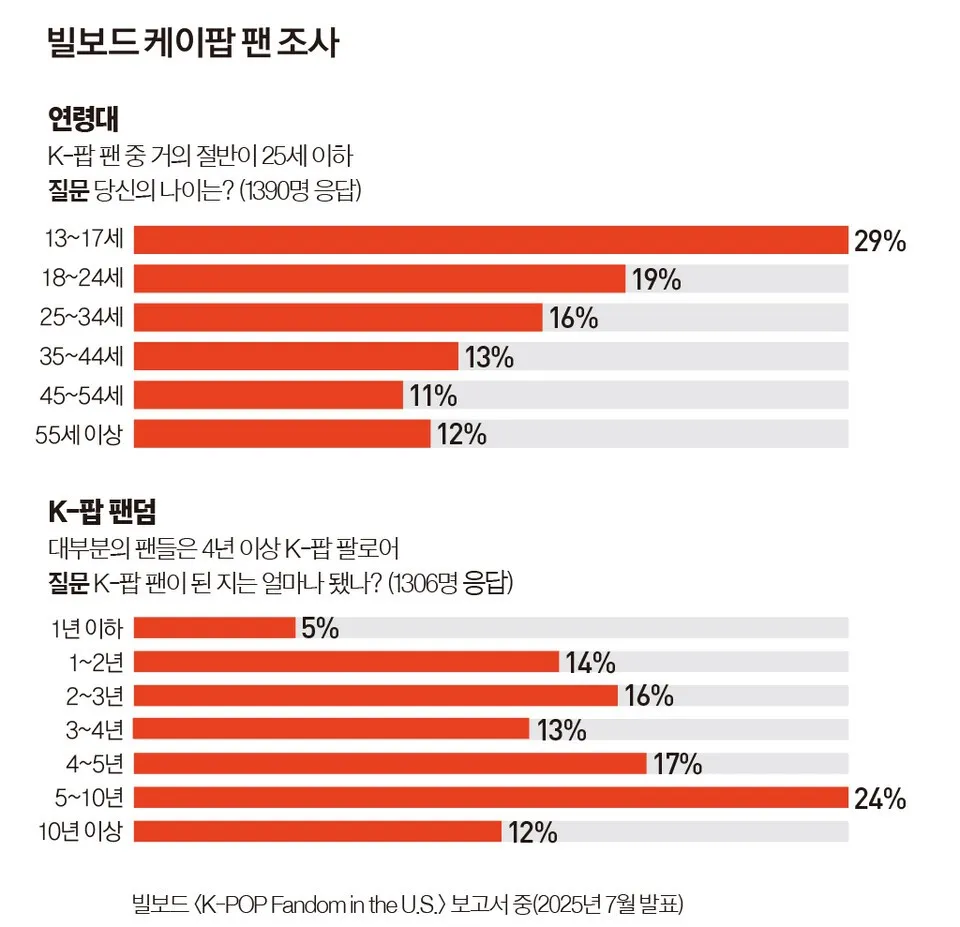
Now that K-pop has become a mainstream global culture, how should we view this phenomenon? Foreign media outlets, such as The New York Times (NYT), are paying attention to K-pop not just as a simple trend, but as a sustainable cultural phenomenon.
The important thing here is not to confine K-pop to being the exclusive property of the younger generation. The social influence of K-pop is growing. Artists exercise positive influence by embedding social messages, such as environmental protection or human rights, into their music.
Therefore, K-pop can also serve as an important channel of communication for the senior or older generations. Understanding the music that grandchildren are enthusiastic about and showing interest in why they are so passionate about certain artists can be a wonderful medium to bridge the generational gap. We also need a wise fandom that can offer criticism and advice with a mature perspective regarding the structural issues facing the K-pop industry (artist rights, excessive fandom culture, etc.).
Conclusion: Evolution Never Stops

As seen so far, K-pop has constantly redefined itself through the guardian spirit of the 2nd generation, the global scalability of the 3rd generation, and the digital innovation of the 4th generation. The transition between generations is not simply a matter of 'who is more popular,' but a process in which the industry itself evolves to match the changing media environment and fan demands.
To summarize:
- The 2nd generation laid the foundation for a powerful community fandom,
- The 3rd generation elevated K-pop to the global mainstream through SNS,
- The 4th generation is presenting a new market paradigm by utilizing short-form and digital technology.
Ultimately, the sustainable future of K-pop depends on how to harmonize technological innovation with the protection of artist rights and musical identity.
Which K-pop generation do you cherish the most? Or which artist is currently filling your playlist? We are curious about your stories. Tell us in the comments!
What are your thoughts?
References
- [2024 K-POP 결산]②세대교체 바람:4세대 아이돌과 새로운 도전 과제 · asiae.co.kr
- 3세대 K-Pop 아이돌의 전략 분석: EXO, 트와이스, 방탄소년단을 중심 ... · kci.go.kr
- Generational Fandom Culture Shift in K-Pop Idol Fandom and Social ... · koreascience.kr
- 세대별 소셜미디어 발전이 K-Pop 아이돌 콘텐츠 전략에 미치는 영향 ... · kci.go.kr
- 세계적 현상 K-Pop의 두 얼굴, 그리고 시니어 세대의 지혜로운 시선 · careyounews.org
- 2024년 K-pop 산업의 주요 트렌드와 변화 - 마우스펜 · mousepen.tistory.com
- 한류, 다시 출발점에 서다 · archivecenter.net
- 세대별 소셜미디어 발전이 K-Pop 아이돌 콘텐츠 전략에 미치는 영향 ... · dbpia.co.kr