What was once considered the exclusive territory of middle-aged men, 'Ajae-gags' (dad jokes), are emerging as a new language of communication for the MZ generation in 2026. Once dismissed as tacky and forced humor, these jokes are being rediscovered and spreading like a trend among younger generations, centered around social media and short-form video platforms. This phenomenon can be interpreted as the result of a complex interplay of digital fatigue, nostalgia for the early internet, and psychological defense mechanisms. This article examines the psychological and socio-cultural reasons why Ajae-gags are trending again among Gen Z, as well as the digital mechanisms driving their spread.
The Combination of Retro Sensibility and Paradoxical Humor
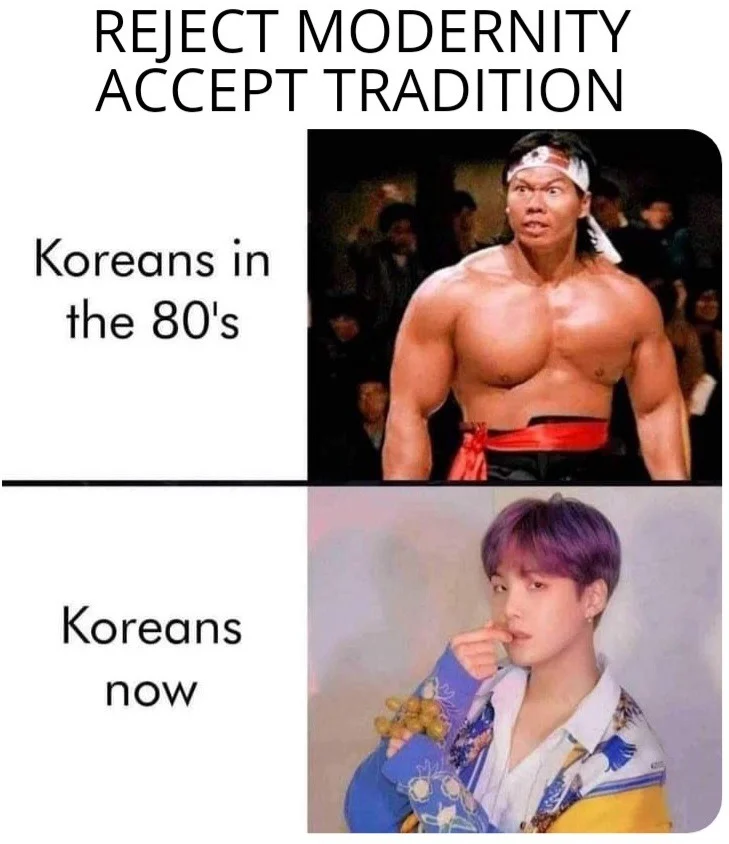
The rediscovery of Ajae-gags is explained through two axes: 'paradoxical humor' and 'retro sensibility.' Ajae-gags, once synonymous with awkwardness, have evolved into an intergenerational humor culture by aligning with the MZ generation's trend of intentionally enjoying tacky humor1. The 'cringefactor' Gen Z feels from Ajae-gags can be seen not as a rejection of tackiness, but as a transformed form of play where they enjoy the cringe itself.
A representative example is the pun "What is the most boring middle school in the world? 'Loading'", which has been cited as a 'favorite Ajae-gag' among Gen Z1. Such memes demonstrate that Ajae-gags have been reborn as interactive content, moving beyond one-sided jokes.
Brainrot Fatigue and the Longing for 'Human-Made' Content
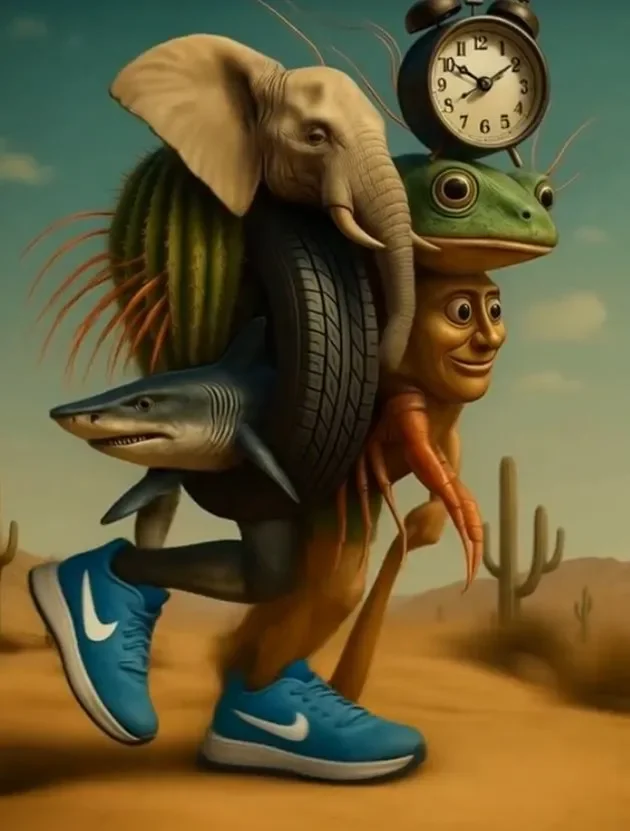
At the heart of Gen Z's interest in Ajae-gags is fatigue from excessive digital content. Gen Z, tired of so-called 'AI Slop' mass-produced by AI and 'Brain rot' content driven by recommendation algorithms, is craving the raw fun made directly by humans2, 3. As seen in the 2016 nostalgia phenomenon and the 'Great Meme Reset' trend, they long for a time when the internet was participatory and virality was democratic, expressing resistance to the current commercial environment of the internet3.
Ajae-gags take a form that excludes sophisticated editing or advanced AI generation technologies, relying solely on the most primitive wordplay1. This 'raw fun' serves as a symbol of human communication for Gen Z, who are experiencing cultural fatigue due to the flood of AI, and Ajae-gags are being utilized as core content on short-form platforms3, 1.
Psychological Defense Mechanisms Against an Uncontrollable World
Humor functions not just to induce laughter, but as a psychological tool for regulating stress. Gen Z's 'broken humor' is interpreted as a mechanism to cope with massive stress factors such as political upheaval, environmental crises, and economic uncertainty in an environment where these are amplified through the loudspeaker of the internet4. Ajae-gags can be understood along this same continuum.
| Psychological Theory and Mechanism | Connection to the Ajae-gag Trend |
|---|---|
| Benign Violation | Unexpected, forced wordplay causes cognitive dissonance, which has the effect of relieving tension4. |
| Regaining Control | Clinical psychologist Dr. Chen Tan points out that humor helps reduce negative emotions and makes situations feel more manageable4. |
| Distinction from "Jujeot" (Cheesy Affection) | If "Jujeot" is 'cute' humor that endears the recipient, Ajae-gags function as 'boring but safe' communication where mutual awkwardness is shared5. |
For Gen Z, Ajae-gags function as a passage through which they can lightly consume and move past the absurdity of the world within the safe framework of wordplay, rather than facing it head-on.
Acceleration by Short-Form Platforms and Batch-Test Algorithms
The spread of Ajae-gags has been significantly influenced by the structural characteristics of short-form content platforms and recommendation algorithms2, 1. On platforms like Instagram, TikTok, and Shorts, memes combining Ajae-gags with images are being produced rapidly, and creators are going through a process of parodying them with a modern sensibility1.
The 'batch test' structure of recommendation algorithms maximizes topicality by mass-producing content with similar concepts in a short period of time2. In this environment, the lifecycle of a meme can become extremely short, lasting only 1-2 weeks2, and Gen Z is leveraging this attribute to use Ajae-gags as tools for immediate reaction and interaction. Hashtags like "#LegendAjaeGag" or "#MZAjae" are being utilized as strategies to increase search visibility1.
As a Window for Intergenerational Communication and a Tool for Brand Marketing
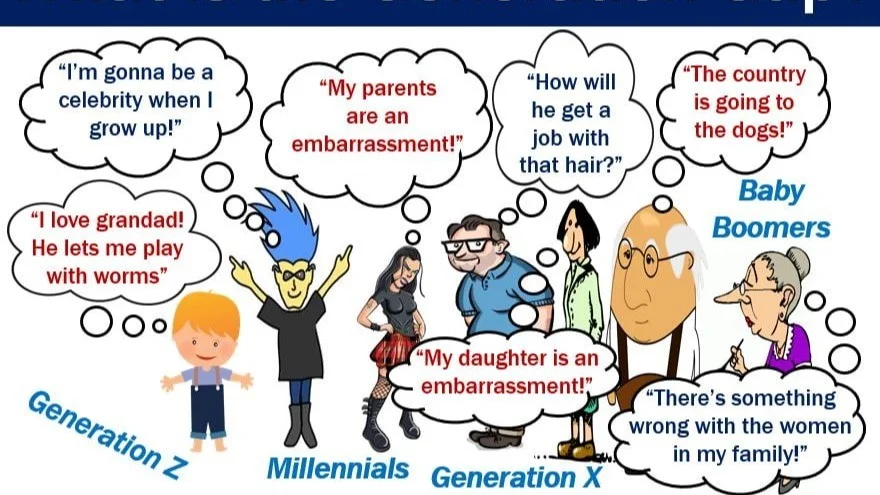
The trend of Ajae-gags functions as a communication window bridging generations. One comedian mentioned, "People remember funny Ajae-gags longer than touching words," acknowledging that Ajae-gags leave a strong memory impact from seniors to the MZ generation1. This suggests that Ajae-gags serve as a medium breaking down intergenerational barriers.
In the marketing field, communication utilizing such awkwardness or wit is also gaining attention. In particular, cases like Brave Girls' reverse-success of "Rollin," where fan 'Jujeot' (embarrassing but cute cheering) or timely quips on promotional channels received great public support, demonstrate this5. This also suggests that brand intimacy can actually increase when formal settings let go of seriousness to reveal human wit and humor.
The reason Ajae-gags are both 'cringeworthy' and charming to Gen Z in 2026 is that they represent the easiest and most essential human connection for those living in a digitally fatigued society. This paradoxical playfulness hidden behind tackiness is making us pay attention to what changes it will bring to how our society communicates in the future.
References
- 레전드급 아재개그 TOP30!! 이건 꼭 봐야해 - 폴스토리 · sayinstory.com↩
- AI가 만든 밈은 왜 더 빨리 확산되는가 - Why It Spread · whyitspread.com↩
- 10년 전으로 돌아가고 싶다는 Z세대의 외침이 단순한 유행이 아닌 이유 | Simnabuleo — 심나불레오AI · simnabuleo.com↩
- The Desensitization of Gen Z · philstarlife.com↩
- 사회관계망 서비스 홍보 담당자가 갖춰야 할 주접력 - 미래 전망 - 트렌드디비/TRENDDB · trenddb.com↩