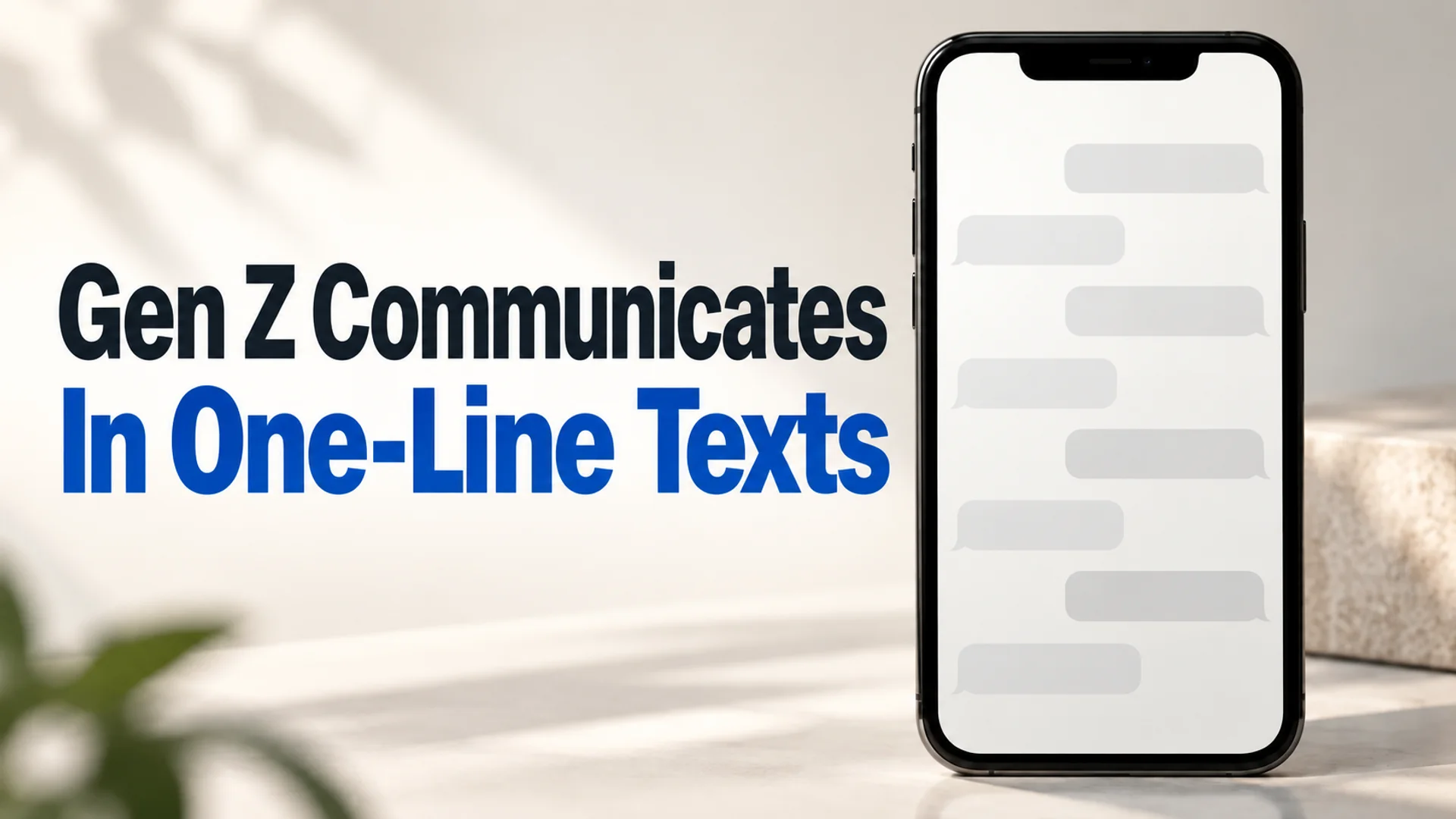
If past digital communication was a space for showing off emotions through complex emoticons or witty memes, recent communication among Generation Z is shifting toward simplification through 'text' itself. In a trend that values concise communication over flashy expressive styles, Gen Z is once again prioritizing text messages and text chats as the most essential and intuitive communication tools.
A survey announced by Alb Choen in October 2024 clearly supports this shift with hard data. The percentage of Gen Z respondents who chose 'text-based communication via messages, messaging apps, etc.' as their most preferred communication method has steadily risen from 59.3% in 2022 to 69.9% in 2023 and 73.9% in 202412. In contrast, preference for voice-based 'phone communication' recorded a significant drop over the same period, falling from 19.9% to 14.3%, and then to 11.4%12. This shows a deepening trend where Gen Z increasingly prefers text-based, faceless communication over the pressure of immediate voice responses.
The Appeal of 'Controlling Response Speed': Escaping Immediate Pressure
The most central reason Gen Z prefers text communication is to gain 'control over pace.' Text-based chats do not demand an immediate reply upon sending, allowing receivers sufficient time to organize their thoughts at their own pace.
The main reason Gen Z avoids phone calls was cited as 'having to answer immediately without time to gather my thoughts,' chosen by 66.3% of respondents12. This indicates a significant cognitive burden caused by the pressure of immediate responses. Coming in second was 'it’s comfortable to communicate via text, messages, or other faceless methods,' at 46.5%12. Gen Z perceives this 'possibility of controlling response speed' offered by text as the most crucial appeal that reduces the tension of phone calls. Text communication serves as a safe buffer zone that allows users to avoid tense situations demanding immediate reactions while clearly organizing and conveying their thoughts.
Deepening Call Phobia and the Essentialization of Faceless Communication
Underlying the transformation of text communication from a mere preference to a 'refuge' is the deepening of Call Phobia. By 2024, 40.8% of 765 Gen Z respondents—meaning 2 out of every 5 people—reported experiencing call phobia, feeling tension, anxiety, and fear when making or receiving phone calls, indicating the phenomenon has become widespread12. The rate of reported call phobia has shown a clear upward trend over the past three years, rising to 30.0%, 35.7%, and 40.8%12.
Gen Z actively utilizes text communication to overcome this anxiety. Among coping strategies for call phobia, 'minimizing phone calls and communicating via text, email, etc.' was chosen by a striking 67.2% of respondents1. For Gen Z, text-based messengers function not just as a means of dialogue, but as a defense mechanism against unpredictable voice contact. This trend is also clearly evident in choices regarding work environments.
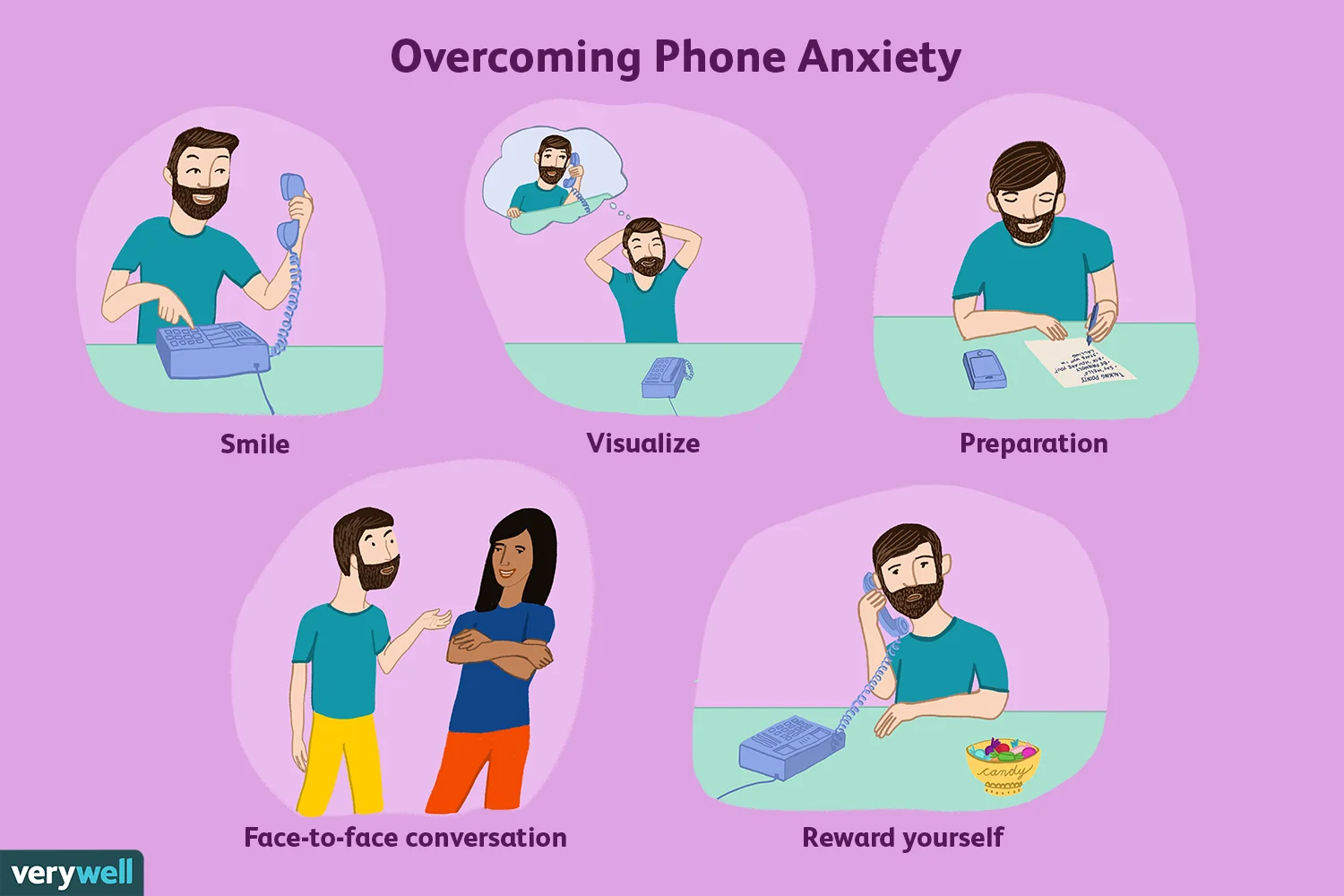
The shift in Gen Z’s communication styles is profoundly influencing actual work environment choices. According to the Alb Choen survey, coupled with the call phobia phenomenon, preference for faceless, text-based work environments has risen.
The choice of text communication (73.9%) as the most preferred communication method is more than six times higher than that for phone communication (11.4%)12. This preference is also directly reflected in the forms of job seeking and the types of work chosen. The proportion of 'phone applications' decreased from 45.1% in the first half of 2021 to 35.5% in the first half of 2024, while the proportion of 'text applications' surged from 14.6% to 26.4% over the same period12. Similar to how 79.9% of Gen Z members experiencing call phobia choose not to answer calls from unknown numbers at all1, text-based, faceless application methods serve as the most intuitive and psychologically safe communication channels for Gen Z. Additionally, while preference for 'in-person work' requiring direct contact with customers slightly decreased, preference for 'faceless work' involving tasks like packaging or manufacturing increased12.
Deepening Preference for Faceless Interaction and the Mainstreaming of Text Communication
The macro-level data indicating that Gen Z’s preference for text communication has risen for three consecutive years as of 2026 offers clear implications. The tendency to avoid phone communication, which exerts pressure for immediate voice responses, and to prefer text communication, which allows for controlled response speeds and provides psychological stability, is becoming increasingly distinct12.
Gen Z’s communication style is evolving toward a direction that prioritizes concisely delivering only the essentials over immediate emotional expression or showy communication, rather than signifying a regression to any specific past platform. This can be interpreted not merely as a change in communication technology, but as a firmly established new grammar unique to Gen Z for protecting themselves and maintaining relationships in the digital environment.
References
- ↩
- 이 공포증'…Z세대 40% "증상 겪고 있다" - KB국민은행 GoodJob · newsnjob.com↩