With high interest rates persisting as of November 2026, individual investors’ fund management strategies require sophisticated design that goes beyond simple "deposit placement" or "lump-sum purchases." In particular, with the Bank of Korea holding its base rate at 3.00%, market-wide uncertainty regarding the direction of interest rates is widespread, accompanied by caution against further rate hikes. In this environment, staged purchases of bond ETFs are gaining attention as a flexible asset allocation technique that prepares for unpredictable market sentiment while adjusting portfolio weights according to stepwise conditions. We will specifically examine how to understand bond price volatility (duration) and calculate the balance between capital gains and interest income based on actual market data.
Psychological variables embedded in bond prices by the BOK rate freeze

On October 22, 2026, the Monetary Policy Committee of the Bank of Korea decided to freeze the base rate at the current level of 3.00% per annum. This move is interpreted as a measure to slow the pace in order to assess price and growth conditions, following two consecutive rate hikes from 2.50% to 2.75%, and finally to 3.00%, in July and August 2026. Amid an economic recovery driven by strong semiconductor exports leading to an upward revision of growth rates, crossed with inflationary pressures expected around 3%, the committee placed greater emphasis on monitoring data rather than further tightening.
Market sentiment reacted immediately following the announcement of the rate freeze. In the government bond market, a stable (bullish) trend was confirmed along with inflows of foreign buying after the freeze decision. As of October 26, 2026, the yield on 3-year bonds fell by 1.4bp to 3.789% per annum, and the yield on 10-year bonds fell by 2.3bp to 4.074% per annum. These are the lowest levels since the end of August and mid-June, respectively. Foreign investors’ net buying of approximately 130,000 contracts in October, including 18,624 contracts of 3-year futures, is analyzed as reflecting the perception that major countries would find it difficult to continue aggressive rate hikes due to concerns over financial instability. However, concerns coexist that a continued bullish trend in bonds may be difficult to sustain due to persistent oil price instability.
Principles of bond ETFs and duration calculation
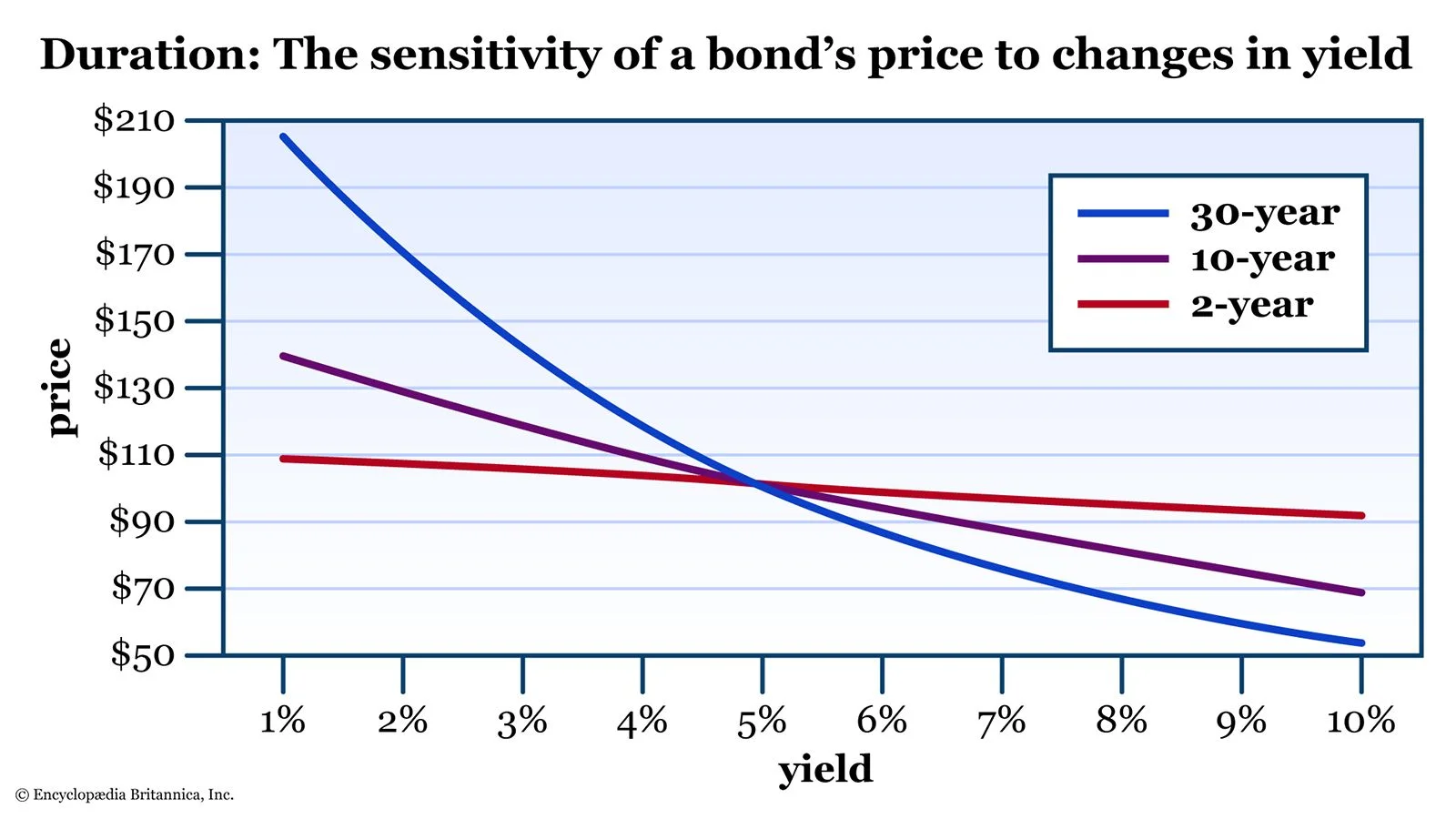
The core of bond ETF investment lies in understanding the inverse relationship between interest rates and bond prices, and the metric that measures it, "duration." The principle is that when interest rates rise, bond prices fall, and when interest rates fall, bond prices rise. Duration indicates how sensitively bond prices react to a 1 percentage point change in interest rates.
For example, if you hold a bond ETF with a duration of 7 years, you can expect approximately 7% capital gains when market interest rates fall by 1 percentage point. Conversely, if interest rates rise by 1 percentage point, a price decline loss of about 7% may occur. In a period where market interest rates are fluctuating sideways near a peak or exhibit high volatility as they are now, there may be ranges where interest income (yield) and capital losses due to falling bond prices offset each other. Therefore, duration management and checking whether currency hedging is applied are the top priorities in managing the total return of bond ETFs. Especially for overseas bond ETFs, returns must be calculated from a real purchasing power perspective, considering not only interest income but also KRW/USD exchange rate fluctuations and hedging costs.
Investment opportunities suggested by surging loan rates during rising market rates
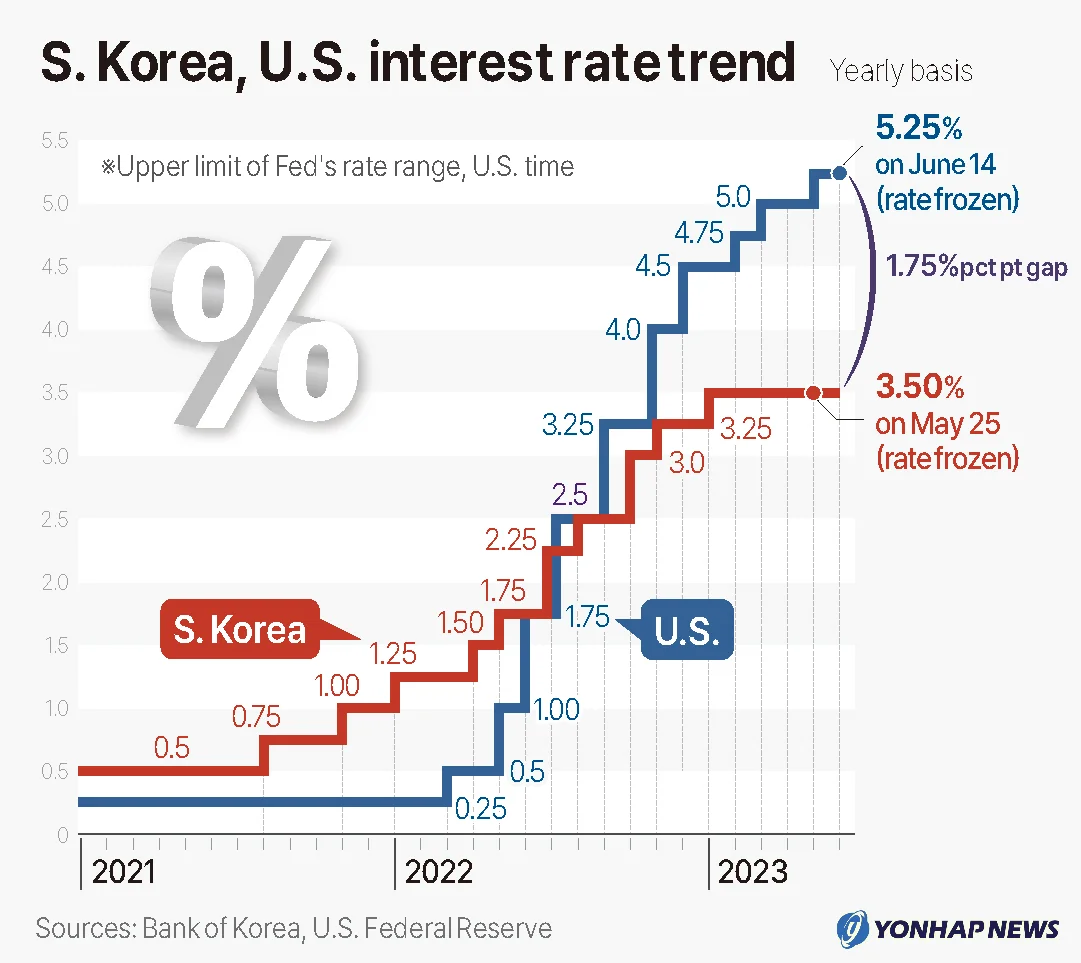
According to statistics on weighted average interest rates of financial institutions released in September 2026, the interest rate on fixed-rate mortgage loans from domestic banks broke the 5% mark at 5.11% per annum for the first time since statistical compilation began in 2013. This is the result of rising market interest rates, such as the surge in 5-year bank bond yields and the increase in the Bogeumjari Loan rate, being fully reflected in loan rates.
| Interest Rate Item | Rate as of September 2026 | Change |
|---|---|---|
| Fixed-rate mortgage loan interest rate | 5.11% | +0.23%p from previous month |
| Variable-rate mortgage loan interest rate | 4.76% | +0.23%p from previous month |
| Overall mortgage loan interest rate | 4.88% | +0.22%p from previous month |
The direct pass-through of market interest rates to household loan costs in this manner signifies that the reality of slowing macroeconomic liquidity supply has materialized. As high interest rates become long-term, the reason investors turn to bond ETFs is clear: they can aim for definite interest income (coupon) and, in the long term, duration capital gains from interest rate peak-out.
Specific return simulations and staged purchase scenarios
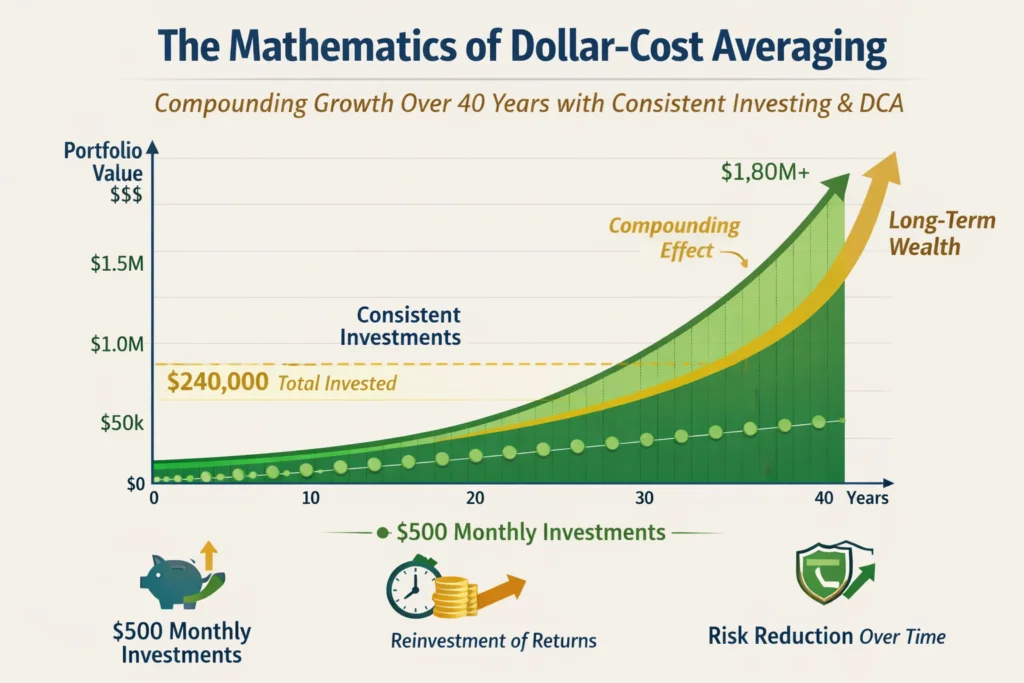
The return on bond ETFs is calculated as the sum of "interest income" and "duration x change in interest rates (capital gains)." Simple lump-sum purchases carry the risk of getting stuck at interest rate peaks and locking up funds for the long term. To prevent this, a "staged purchase" strategy that allocates funds in four stages is utilized. Staged purchases are based on quantitative rules that expand positions according to signals confirmed by the market, rather than predicting the direction of interest rates.
| Staged Purchase Stage | Conditions and Signals | Bond Type and Weight | Purpose |
|---|---|---|---|
| 1st Staged Purchase | At initial fund allocation | 25% short-/medium-term bonds | Secure interest income and diversify market volatility |
| 2nd Staged Purchase | When signs of interest rate peak-out are detected | 25% medium-term bonds | Secure duration |
| 3rd Staged Purchase | When the peak of 10-year government bond yields is confirmed | 25% 10-year government bonds | Expect price increases in preparation for falling rates |
| 4th Staged Purchase | When economic slowdown is certain | 25% long-term bonds | Achieve target duration |
When applying this strategy, deploying the entire amount into bond ETFs without holding any waiting cash is equivalent to ignoring the strategic value of a "waiting position." If the market enters a rate-cutting cycle after the execution of the 4th staged purchase, leading to a 1 percentage point drop in interest rates, a portfolio with a target duration of 7 will generate 7% capital gains. Conversely, assuming interest rate fluctuations are limited and an annual interest income of 4% is generated, the total return becomes the sum of capital gains and interest income. Staged purchases lower the purchase unit price (DCA, Dollar Cost Averaging) while including a mechanism to quantitatively control portfolio risk limits (e.g., stopping new purchases when unrealized losses exceed -3%).
Disruptive variables affecting return calculations: exchange rates and credit risk
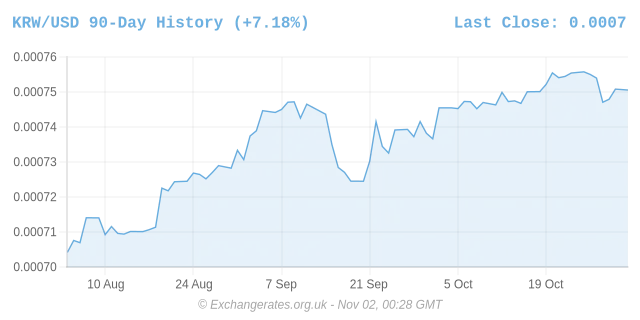
Simple return calculation scenarios for bond ETFs are not always accurate. Real investment returns can be distorted by two disruptive variables: credit risk and exchange rates. Unless focused on government bonds, bond ETFs may see falling bond prices due to widening credit risk (spreads), creating situations where prices do not rise according to duration calculations even when interest rates fall.
Additionally, for global bond ETFs centered on US Treasuries, fluctuations in the KRW/USD exchange rate directly impact total returns. Even if US interest rates fall, if exchange losses occur due to a falling KRW/USD rate (stronger won), profits can be offset. As of the end of October 2026, the KRW/USD exchange rate falling to 1,322.8 won is a factor that exacerbates exchange rate volatility. Therefore, when calculating the real return of bond ETFs, regardless of whether hedging is applied, judgments should be based on total return and after-tax return, and it must be checked how much distributions (interest) offset indicators that dilute the effect of staged purchases at high points.
Investment execution based on observation beyond prediction
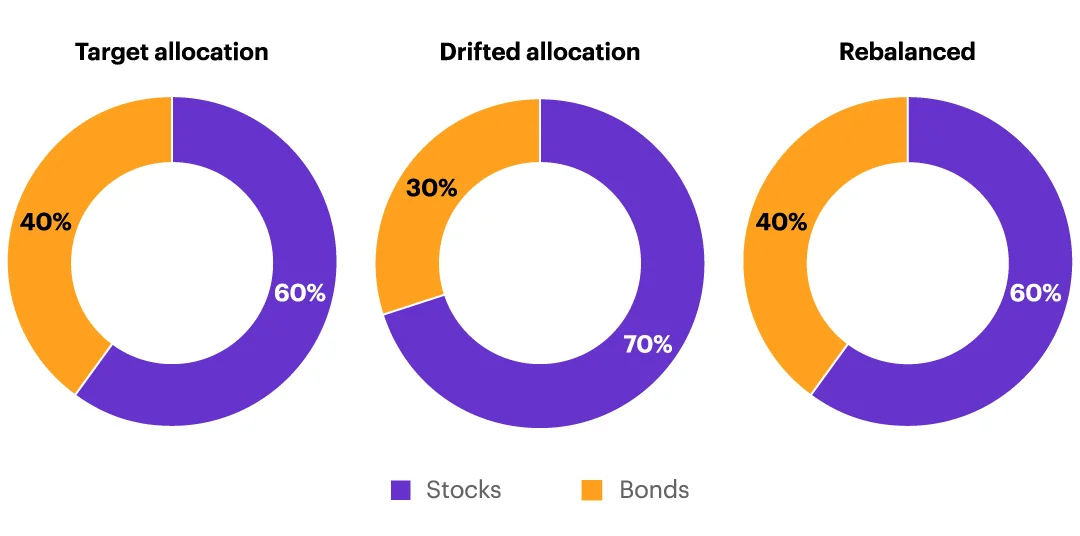
The Bank of Korea’s freeze of the interest rate at 3.00% contains ambiguous market sentiment suggesting that high interest rates have reached their peak or may be in a lull before further hikes. In the face of unpredictable directionality, it is advantageous to respond to bond ETF investments by setting staged purchases and quantitative stop-loss criteria. Rebalancing should be understood not as a process of giving up profits, but as a control mechanism to return exceeded risk to the initially set risk size.
While it is nearly impossible to pinpoint the exact market interest rate peak-out, a stable defense against the unpredictable high-interest-rate period is possible simply with a rule to gradually increase the weight of long-term bonds to enjoy the leverage effect of duration when rates fall. The success of bond ETFs depends not on hitting a specific timing, but on the sophistication of weight management that controls risk by designing the flow of interest income and capital gains.