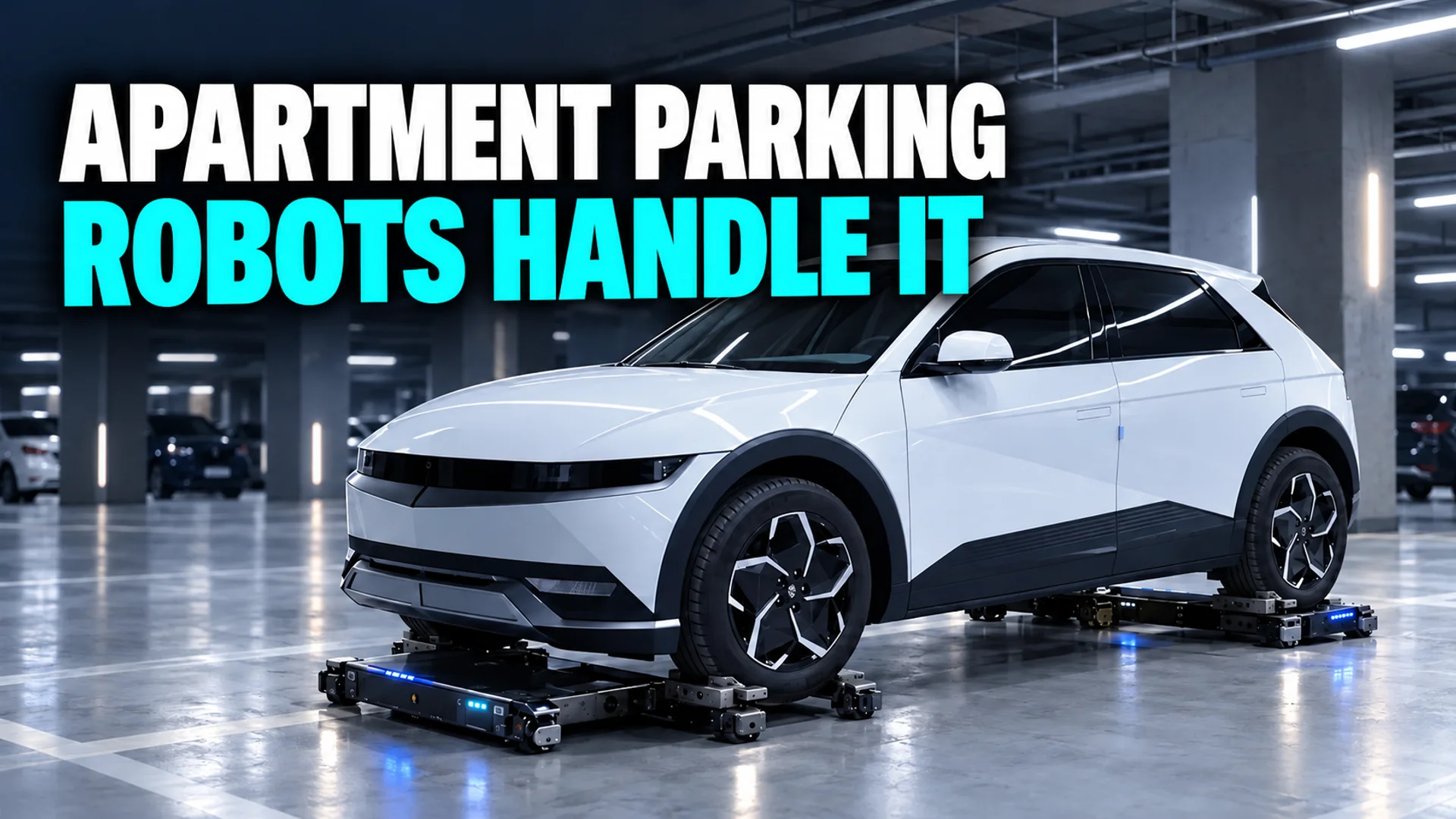
The Hyundai Motor Group is advancing a demonstration project for parking robots that move vehicles autonomously in underground apartment parking garages. Hyundai Motor, Hyundai Wia, and Hyundai E&C have formed a consortium to conduct the demonstration at 'Hillstate The Wave City' in Siheung, Gyeonggi Province. This project has received approval under the Ministry of Land, Infrastructure and Transport’s smart city regulatory sandbox, securing government funding12. As the first case of introducing parking robots in a domestic multi-family housing environment, this demonstration is drawing attention as an alternative technology to address severe parking space shortages and congestion issues341.
The first of its kind in domestic multi-family housing: Demonstration begins in Siheung
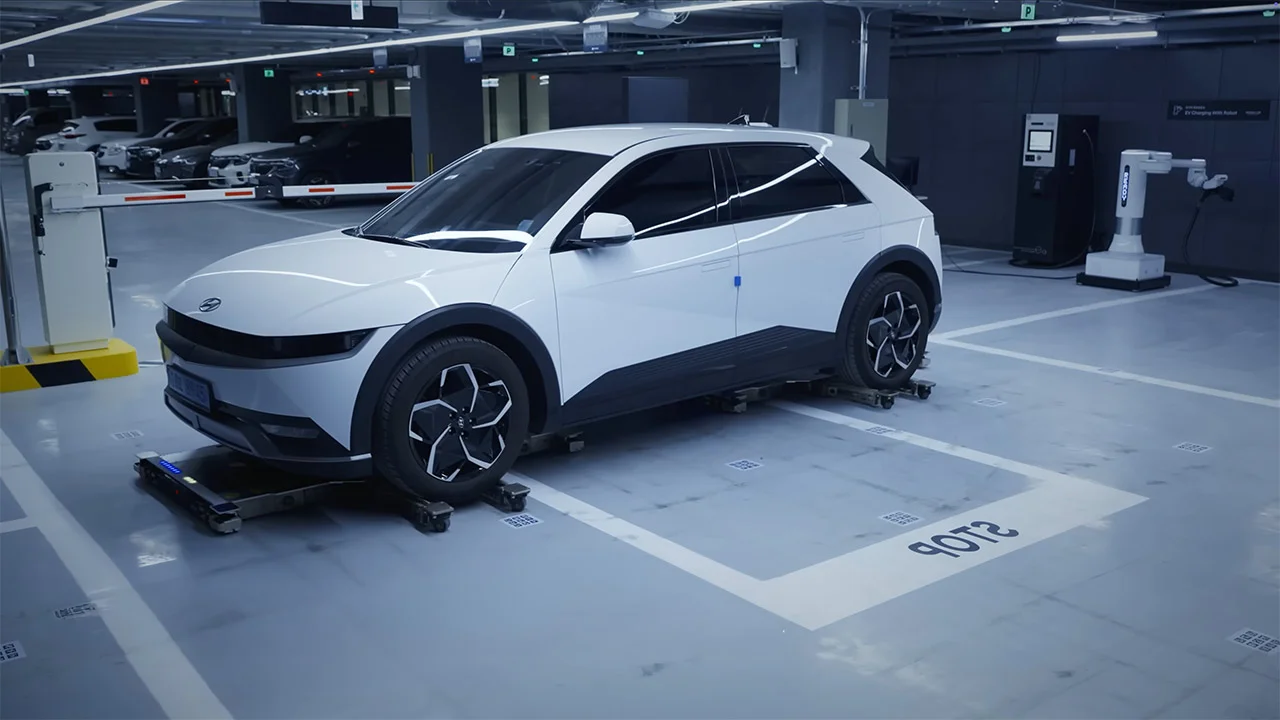
'Hillstate The Wave City,' selected as the demonstration site, comprises 1,796 units and is scheduled for occupancy in 20275. The demonstration area consists of a separate zone with 53 parking spaces on the basement level 1 of the apartment, where two sets of parking robots developed by Hyundai Wia will be deployed346. Unlike previous pilot operations conducted in limited spaces such as industrial complexes, this demonstration marks a significant turning point in validating robot-based smart parking technology in an actual residential area where people live37.
Hyundai Wia has independently developed a 'Smart Parking Control System' capable of simultaneously controlling up to 50 sets to efficiently manage multiple robots6. Through this system, the company plans to systematically control the two robot sets deployed in the demonstration environment and maximize operational efficiency67.
Operating principles of ultra-slim robots: Plate shape and LiDAR sensors
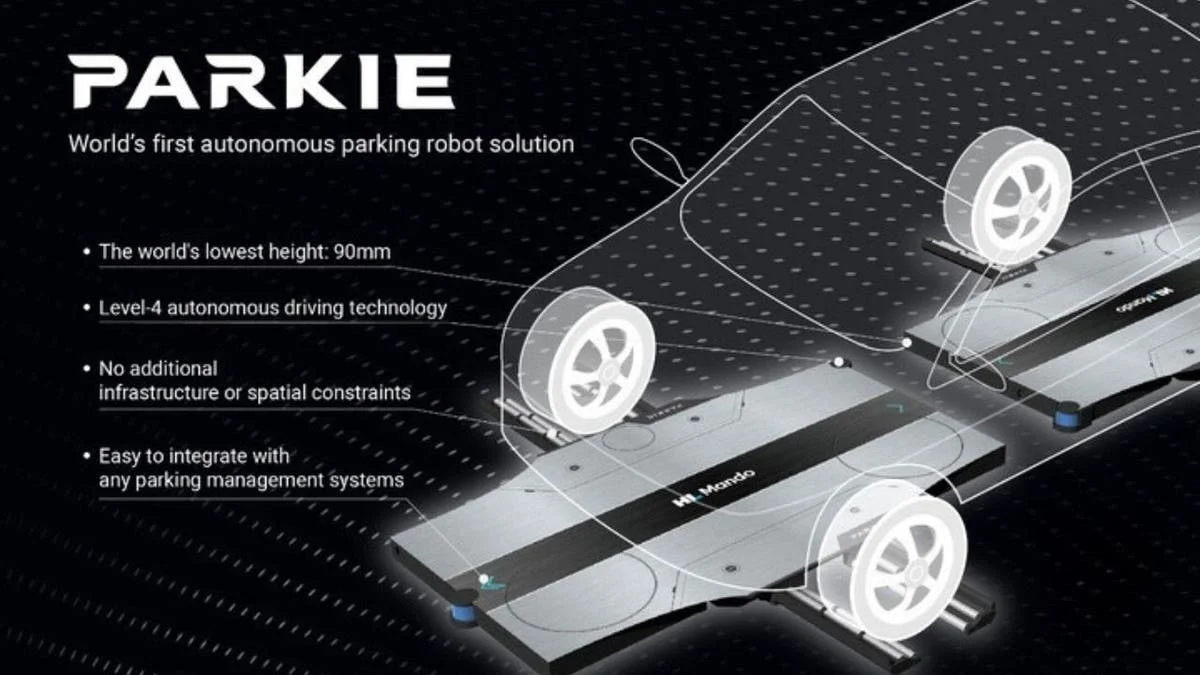
The deployed parking robots are plate-shaped with a thickness of 110mm (11cm), and operate in pairs that slide underneath vehicles534. LiDAR sensors mounted on the robots precisely detect the size and position of vehicle tires. The robots then extend arms to gently lift all four wheels and transport the vehicle to the designated parking space57.
The robot’s maximum moving speed is 1.2 meters per second, and it can tow vehicles weighing up to 3.4 tons, including SUVs34. Notably, the robot possesses mobility that allows movement in all directions—forward, backward, left, and right. This enables vehicles to be placed flexibly and precisely in spaces that are narrower and more complex than those navigable by human drivers468.
'Robot Valet Parking' summoned via kiosks and wall pads
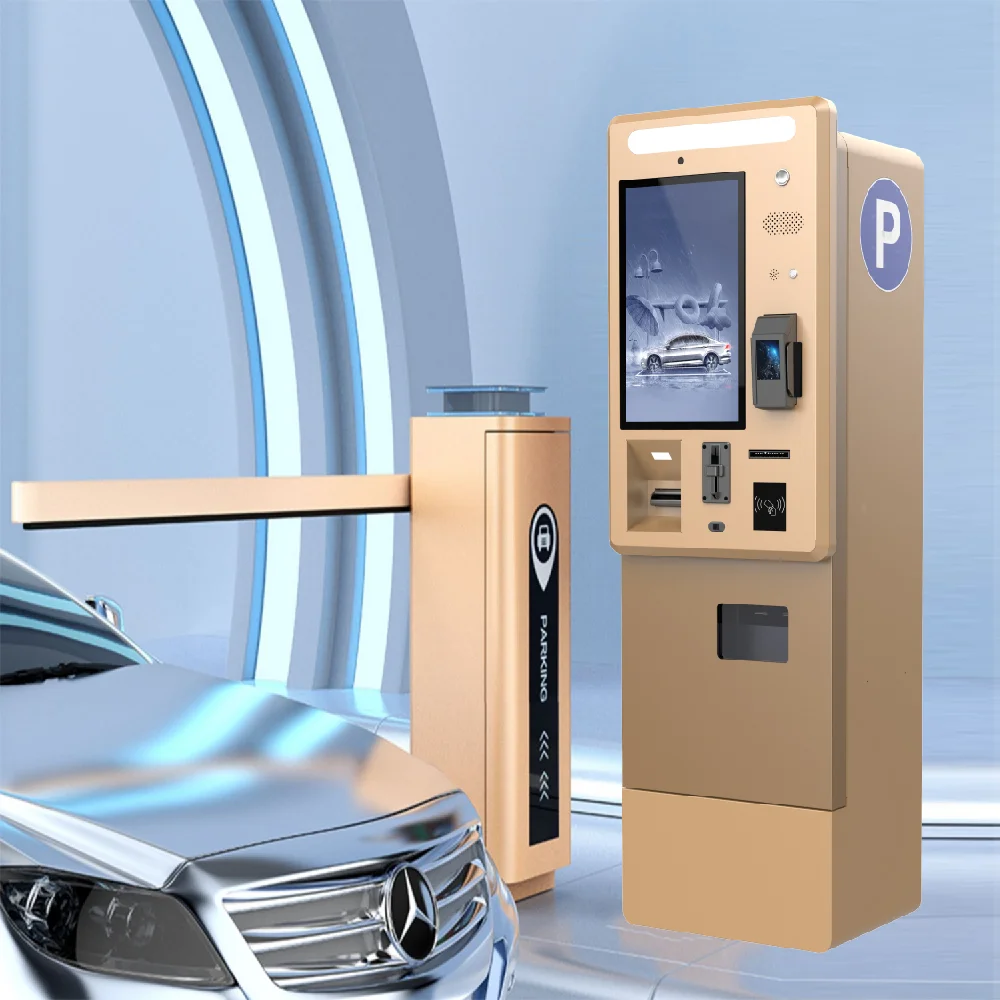
The usage method is designed as 'Robot Valet Parking,' which operates without a driver inside the vehicle. Users park their cars at designated entry/exit zones within the complex and then disembark34. Subsequently, users request their vehicles via parking lot kiosks or multi-family housing wall pads, prompting the robot to begin automatic transport347.
The same summoning method applies during vehicle exit4. In particular, an integrated service allowing simultaneous elevator calls via the wall pad has been applied, enabling users to reduce waiting times while waiting for their vehicles to arrive at the exit zone6.
Expectations for up to 50% increase in parking capacity and improved safety
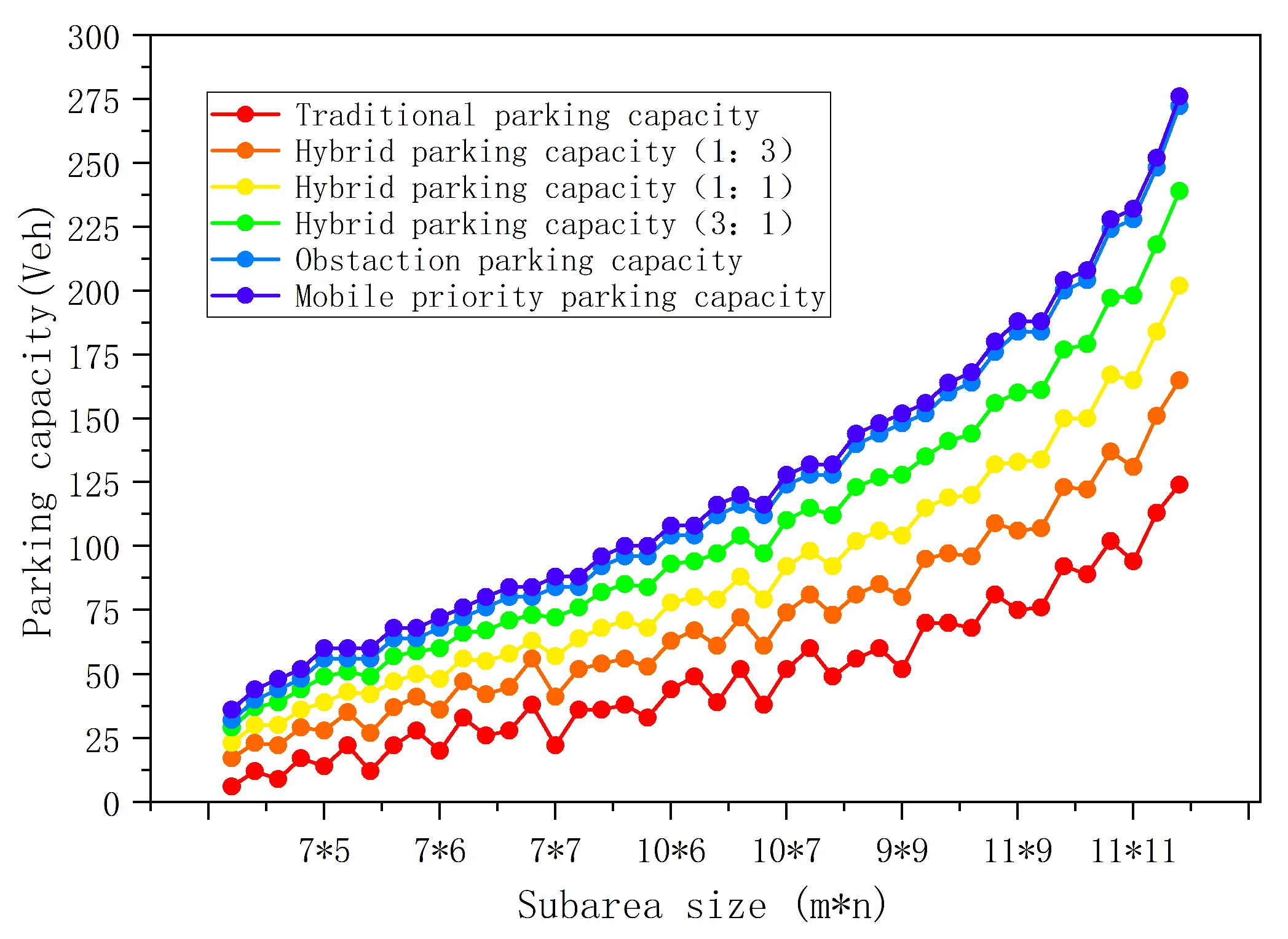
Hyundai Motor Group projects that applying this technology will increase parking capacity by at least 20% and up to 50% compared to the same area346. This is possible because no space is required to open and close car doors, allowing for double and triple parking arrangements69. It is evaluated as an alternative that can significantly alleviate parking difficulties using only existing spaces, without the need for new parking facility construction3.
Beyond spatial efficiency, safety and environmental benefits have also been highlighted. Completely separating the paths of vehicles and pedestrians can reduce the risk of safety accidents within parking lots68. Additionally, unnecessary vehicle idling caused by searching for empty parking spaces will decrease, leading to reduced carbon emissions and fine dust687.
Goals to establish legal and institutional foundations and derive standard operating models
Institutional foundations have also been established. Since July 27, 2026, the Enforcement Rule of the Parking Lot Act, which includes installation and safety standards for 'automated transport parking devices' including parking robots, has been in effect3.
The Hyundai Motor Group consortium plans to meticulously measure quantitative indicators during the demonstration period2. Key measurement items include entry/exit time per vehicle, user waiting time, parking success rate, robot utilization rate, monthly service volume, and parking space efficiency improvement rate, among others362. Additionally, stability in real-world situations such as breakdowns or obstacle occurrences will also be verified3.
The collected data will be used to concrete proposals for improving related laws and regulations62. Furthermore, the ultimate goal is to derive a 'Standard Operating Model' that includes virtual environment models applicable to various urban spaces beyond residential facilities—such as commercial facilities, office buildings, and transportation hubs—as well as optimal layouts by building use and calculations for the required number of robots6210. A Hyundai Motor Group official also emphasized that this demonstration is a crucial step in building a new parking paradigm for the smart city era, going beyond simple technology validation, and outlined a vision to present standard models scalable domestically and internationally based on data validated in real-world environments68.
References
- 현대차그룹, 공동주택 주차로봇 실증 추진 | 뉴스 | 현대자동차그룹 · hyundaimotorgroup.com↩
- 호출하면 '알아서 주차한다'… 현대차그룹, 아파트에서 주차로봇 실증 · wikitree.co.kr↩
- 주차장 자리싸움 사라질까?…아파트서 ‘주차로봇’ 실증 | Daum | KBS · v.daum.net↩
- 현대차 ‘주차 로봇’ 아파트 첫 실증… 최대 50% 더 수용 | 서울신문 · seoul.co.kr↩
- ↩
- 현대차그룹, 시흥 아파트서 '주차로봇' 실증 · fdaily.co.kr↩
- 허프포스트코리아 · huffingtonpost.kr↩
- "차에서 내리면 로봇이 알아서 주차"…현대차그룹, 시흥 아파트서 실증 · segyenewsagency.com↩
- [포토타임] 차 세우고 내리면 알아서 척척…국내 첫 아파트 주차로봇 실증 · joongang.co.kr↩
- 이코노미스트 - 현대차그룹, 공동주택서 주차로봇 첫 실증 · economist.co.kr↩