In an era where artificial intelligence (AI) and advanced technologies demand both interstate competition and cooperation, a meaningful forum was established in Seoul to discuss the direction of science and technology cooperation between Korea and China. On October 28, 2026, the “2026 Korea-China Future Dialogue on Science and Technology” was successfully held at The Shilla Hotel in Jung-gu, Seoul, under the theme “Smart Connectivity, Shared Innovation (Zhi Tong · Chuang Xiang).” This event drew attention as a substantive cooperation platform that went beyond mere diplomatic exchange by exploring ways to share AI innovation resources and technological ecosystems and grow together 1.
This article seeks to provide an in-depth analysis of the current and future landscape of AI and science and technology cooperation between Korea and China, based on the background of the event’s organization, key agenda items, and remarks by attending dignitaries.
An Inevitable Choice in the AI Era: ‘Korea-China Cooperation’
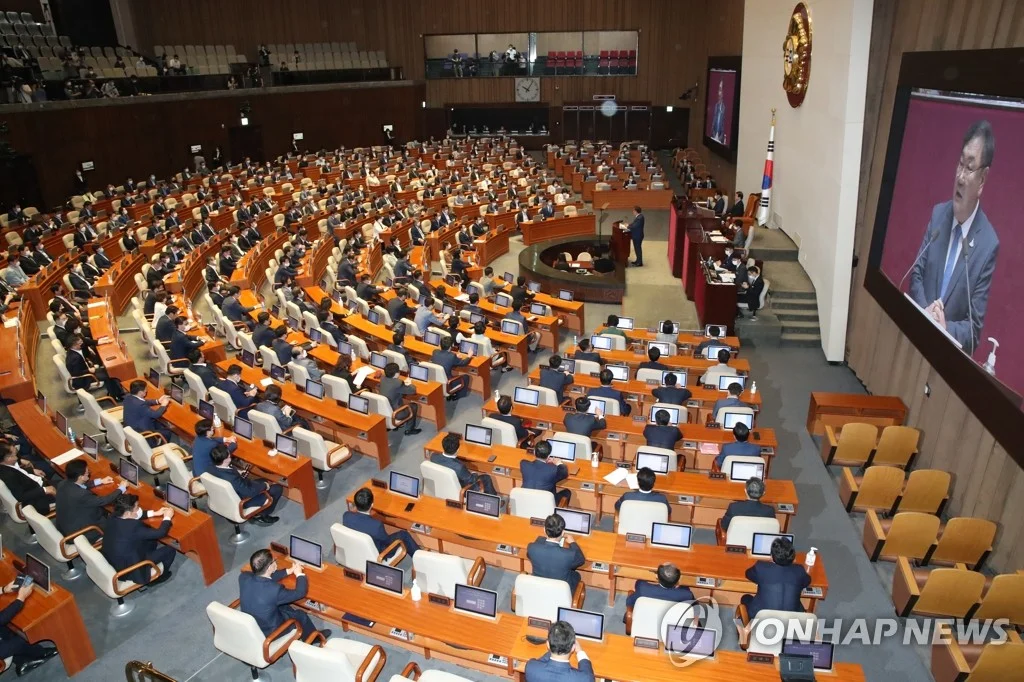
At the heart of the rationale for holding this future dialogue lies a consensus that AI and advanced technologies are triggering rapid changes that are difficult for a single nation to manage alone. Kim Tae-yeon, a Member of the National Assembly and Chairman of the Korea-China Parliamentary League, asserted that “responding to the changes in AI and advanced technologies is difficult with the capacity of a single country alone” and that “cooperation between the two countries is not a choice but a necessity” 1. These remarks clearly highlight that amidst the rapidly evolving global technology landscape, Korea and China must navigate technological challenges together through cooperation.
The Chinese side also highly valued the importance of such cooperation. Yu Tao, Deputy Director-General of China International Publishing Group, diagnosed that advanced technologies such as AI and robotics are opening new avenues for cooperation between the two countries, emphasizing that 2027 will mark the 35th anniversary of diplomatic relations between the two nations 1. He expressed a strong commitment to significantly expanding opportunities for exchanges among young researchers, entrepreneurs, and scholars in the future, suggesting plans to strengthen the foundation for personnel exchanges and cooperation. This indicates a shift in focus from past hardware-centric cooperation to collaboration centered on software and advanced manufacturing, including AI and robotics 1.
A Feast of Innovation in Seoul: Key Attendees and Event Overview
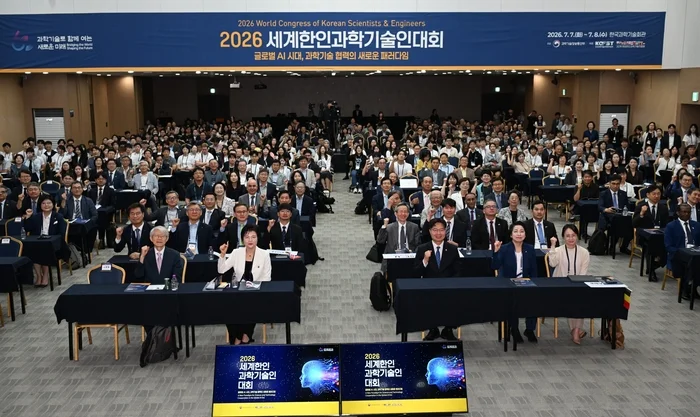
The “2026 Korea-China Future Dialogue on Science and Technology” was attended by approximately 120 people, including government officials, industry-academia-research experts, and media figures, reflecting high levels of interest 1. In particular, numerous cutting-edge Chinese technological products, including a humanoid robot from Unitree, a leading Chinese robotics company, were unveiled at the venue, capturing the attendees' attention 1. These product exhibitions served as an opportunity to visually convey how Korea and China demonstrate their status as powerhouse nations in science, technology, and manufacturing, and the kinds of problems that can be solved through technological innovation.
Dai Bing, the Chinese Ambassador to Korea, also attended the event, noting that both nations share a common responsibility to solve problems through technological innovation, and stressed that “international cooperation and openness and sharing are more urgent than ever before” 1. This message aligns with China’s diplomatic and technology policy stance, which posits that open networks and sharing are essential rather than closed technological alliances in the midst of intensifying global technological competition 1.
Next-Generation Cooperation Agenda Built on Existing Exchange Foundations
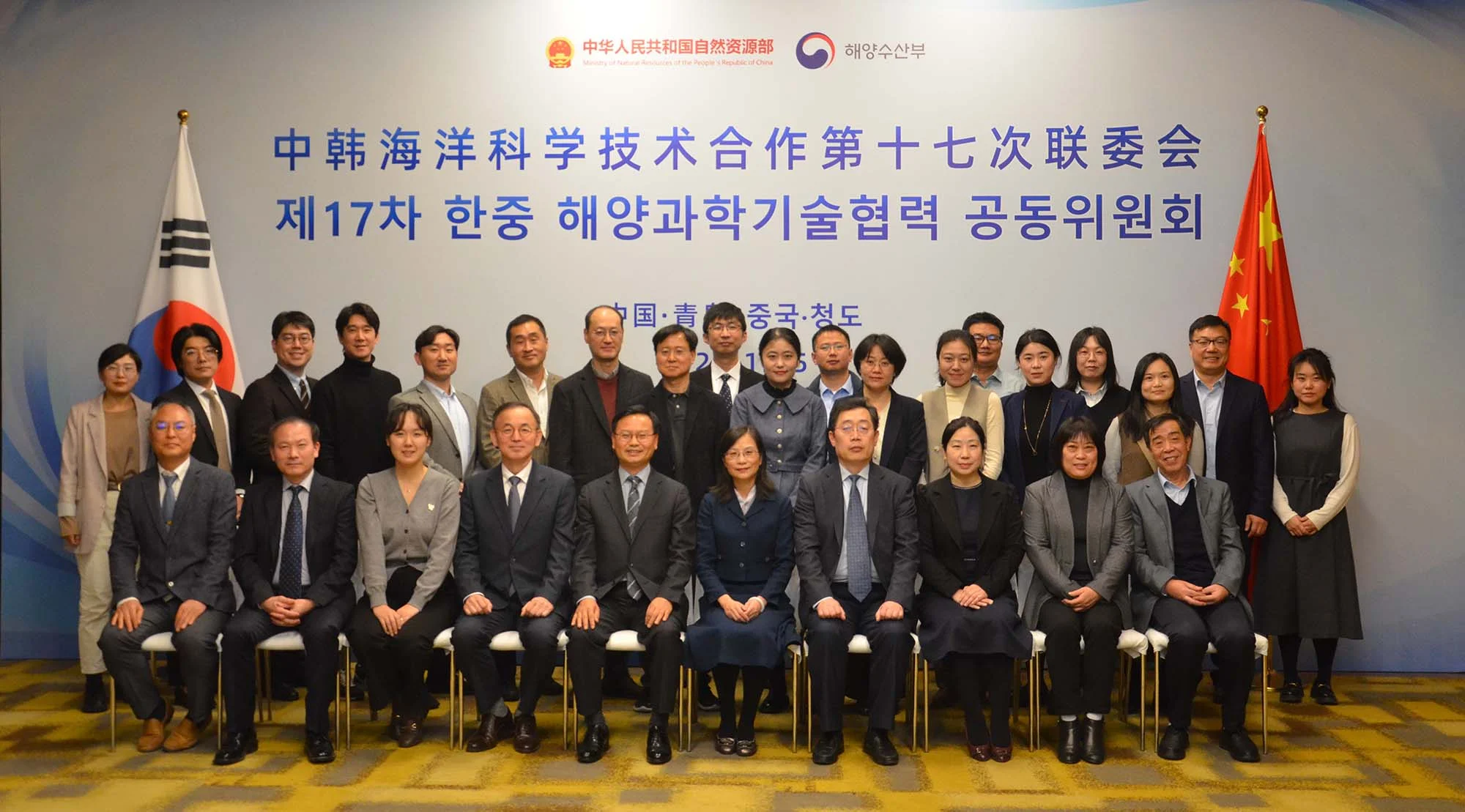
This dialogue is not the first instance of Korea-China science and technology cooperation. Chang Seok-young, former Second Vice Minister of Science and ICT, reflected on the achievements of existing industry-academia-research exchanges that have continued since the establishment of diplomatic relations in 1992, such as the Korea-China Joint Committee on Science and Technology and the ministerial-level strategic dialogue on information and communication technology (ICT) 1. Thanks to these established and continuous institutional exchange foundations, this dialogue was able to serve as a basis for discussing more specific and practical cooperation measures.
Former Vice Minister Chang predicted that if the two countries combine their respective strengths, they can create new growth opportunities in fields such as AI, bio, and advanced manufacturing 1. In particular, given that data, algorithms, and computing infrastructure are key in the AI sector, it is identified as an area where China’s vast market and manufacturing data can create synergy with Korea’s semiconductor and application technology capabilities. During this dialogue, proposals followed to concretize the potential of a technological alliance focusing on these fields 1.
Impact on Policy and Industrial Ecosystems, and Expected Effects
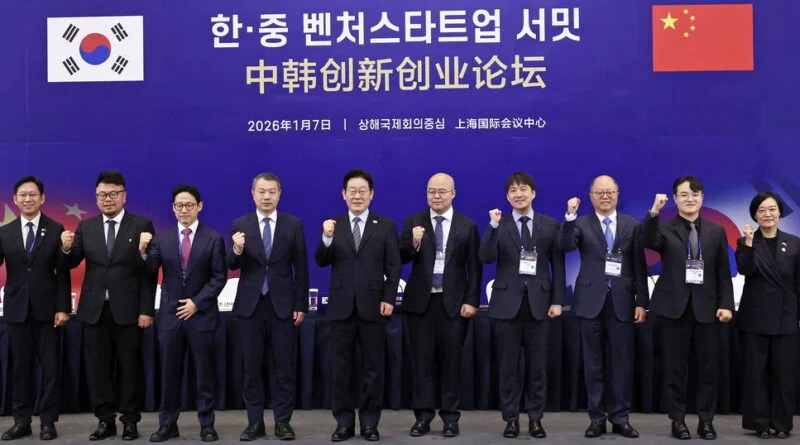
This event received intensive coverage through JoongAng Ilbo, a major media outlet in Korea, while major media outlets in China, such as People’s Daily Online, also reported on the holding of the future dialogue in Seoul, highlighting the importance of cooperation 1, 2. Such active media coverage in both countries proves that AI and science and technology cooperation are being treated as critical diplomatic and national policy agendas, beyond mere industrial discussions.
The reason for expecting substantive cooperation effects is that the will of the attendees is concrete. Since China International Publishing Group has decided to expand platforms for exchanges between young researchers and entrepreneurs around the 35th anniversary of diplomatic relations, this could serve as a stepping stone for an increase in Korea-China joint projects centered on the startup ecosystem or university-affiliated R&D institutes. While past material exchanges were limited to manufacturing transfers or simple parts procurement, the cooperation in AI and bio sectors discussed in this dialogue indicates an evolution toward sharing intellectual property and the innovation ecosystem itself.
Challenges and Prospects for a Sustainable Partnership
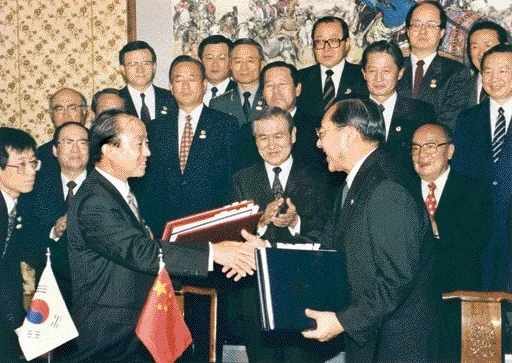
The 2026 Korea-China Future Dialogue on Science and Technology was a venue that reaffirmed the need for Korea and China to create new added value through cooperation at a time when global competition for technological hegemony is fierce. The two nations shared the view that they must combine their respective strengths in the field of AI and advanced manufacturing convergence, moving beyond existing strengths in manufacturing industries such as semiconductors, displays, and batteries.
Ahead of 2027, which marks the 35th anniversary of diplomatic relations, the key will be whether the exchange platforms for young entrepreneurs and researchers proposed in this dialogue lead to tangible results. Additionally, based on the Chinese side’s revealed products and policy will, careful strategy formulation by industry is required to determine how Korean companies and research institutions can participate and concretize cooperation models. It is expected that this dialogue will serve as a practical compass for future Korea-China science and technology cooperation.
References
- “AI 시대 선도하는 한중 양국, 협력은 선택 아닌 필수” | 중앙일보 · joongang.co.kr↩
- 2026 한중 과학기술 미래 대화, 서울서 개최 · kr.people.com.cn↩