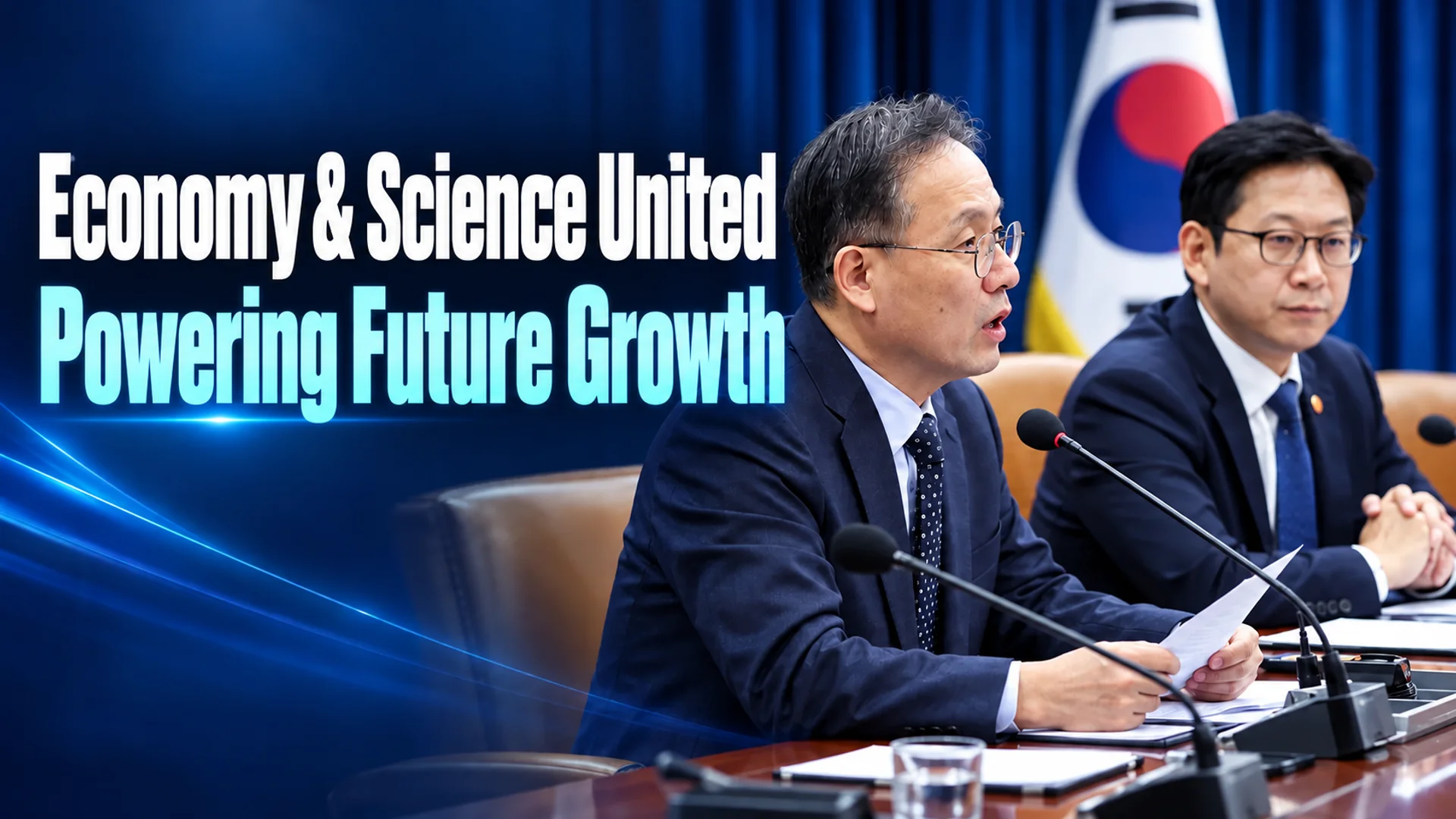
The government has launched a new initiative to unify core technologies and industrial policies that will determine the nation’s growth over the next 10 to 20 years. On October 28, 2026, the first joint meeting of the Economic Ministers’ Meeting and the Science and Technology Ministers’ Meeting was held at the Government Complex in Seoul, co-chaired by Deputy Prime Minister and Minister of Science and ICT Bae Kyung-hoon and Deputy Prime Minister and Minister of Economy and Finance Lee Hyung-il 1, 2. Unlike in the past, this session saw the Ministry of Science and ICT (MSIT), which oversees R&D, and the Ministry of Economy and Finance (MEF), which manages overall industrial and economic affairs, sit down together for the first time. Here, a cross-ministerial cooperation system was officially established to remove siloed barriers across the entire process, from original technology development and demonstration to commercialization and new industry cultivation 1, 2.
At the heart of this policy integration are the 7 SEED Projects. This joint meeting is expected to mark a turning point, moving away from the previous approach of individually supporting separate projects scattered across various ministries, toward a model that precisely links investments and projects around core missions vital to national survival 1, 2.
The 7 SEED Projects: A Technology Roadmap for National Survival
The 7 SEED Projects are the government’s official blueprint for cultivating next-generation advanced technologies, first unveiled at the ‘7 Future Growth Engine Seed (SEED) Briefing’ held at the Blue House on August 12, 2026 3. Going beyond the pursuit of short-term economic gains, this project focuses on securing long-term national survival and technological sovereignty, structured around three pillars: clean energy, next-generation frontiers, and advanced supply chains 3.
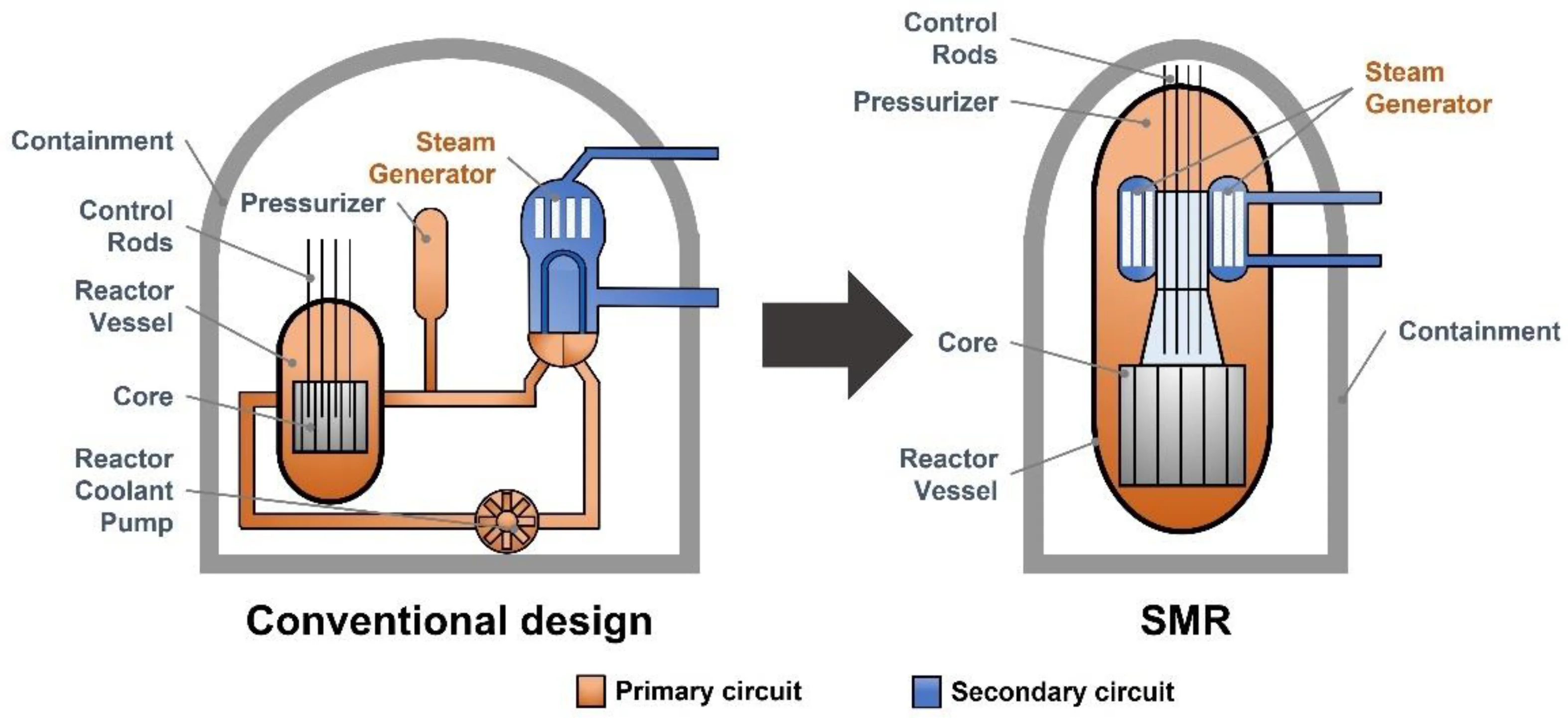
Under the first pillar, clean energy, the plan includes expanding the nation’s energy territory into space and new technologies. For Small Modular Reactors (SMRs), the goal is to commercialize light-water models in Gijang County, Busan, by 2035, while promoting joint public-private Research, Development, and Business (R&BD) to begin construction of non-light-water SMRs in the 2030s 3. Additionally, to shorten the timeline for fusion technology development, an AI-based virtual fusion reactor will be introduced, with plans to build a 100MW-class demonstration Korean Innovative Reactor by 2035 and establish key infrastructure in Naju 3. The renewable energy ecosystem will also take a leap forward through the introduction of perovskite tandem cells with efficiency exceeding 35%, a 200 billion won investment in space solar power R&D, and the demonstration of 20MW-class ultra-large wind turbines and large-scale electrolysis 3.
Under the second pillar, next-generation frontiers, the focus is on advanced technologies that push the boundaries of human capability. The plan includes securing a 100-qubit Quantum Processing Unit (QPU) with error correction by 2029, and setting an ambitious goal to elevate Korea’s quantum manufacturing capability to the world’s number one spot within 10 years through a ‘K-Quantum Foundry’ led by major semiconductor companies 3. In the aerospace sector, the roadmap involves launching a 700kg-class lunar lander by 2030 and a 1,800kg-class lunar lander by 2032 through private-sector leadership, while completing the Korean low-Earth orbit satellite communication network by 2035 3. In advanced bio, efforts will be made to build cancer-specialized AI and bio-foundry infrastructure, and to secure original technology for Brain-Computer Interfaces (BCI) that allow typing by thought alone, targeting commercialization by 2035 3.
The Physical Integration of Economy and Science & Technology: The Significance of the First Joint Meeting
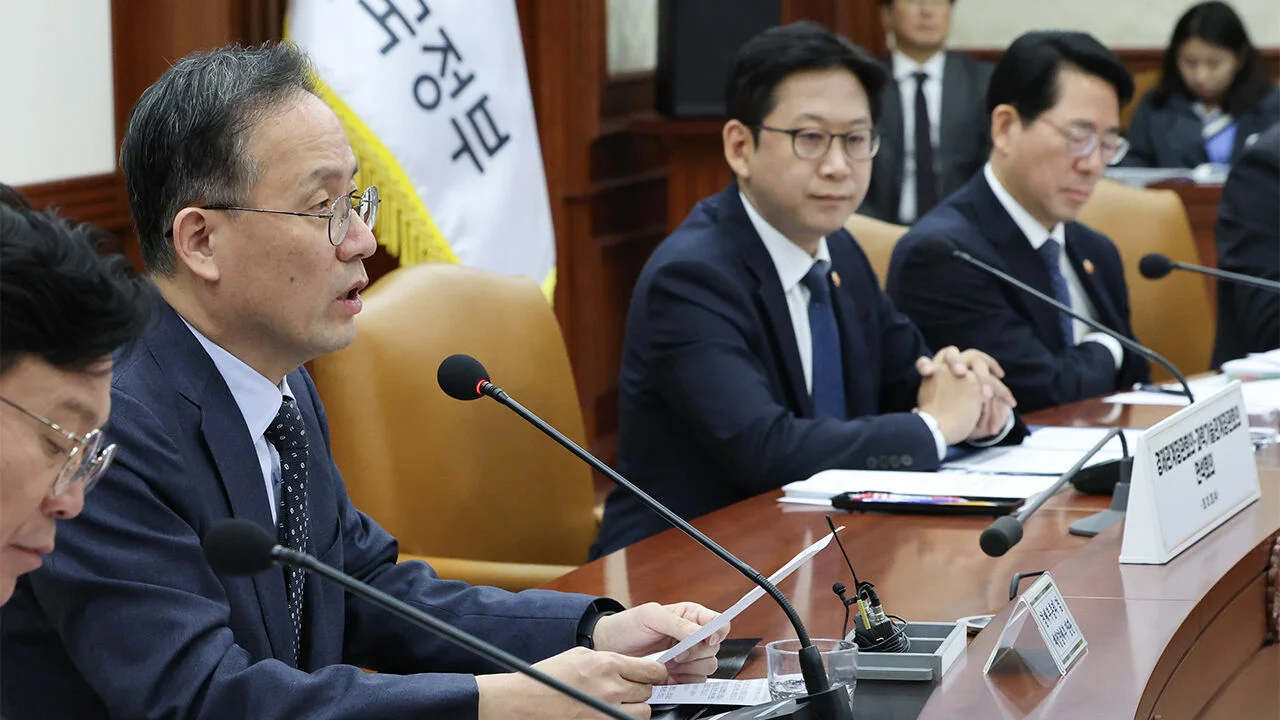
Past siloed R&D support by individual ministries was criticized for creating a disconnect between basic research and commercialized industries. The first joint meeting of economic and science and technology ministers held on October 28, 2026, is a structural response to resolve these bottlenecks 1, 2. This meeting was the first joint session with the Economic Ministers’ Meeting since the launch of the Science and Technology Ministers’ Meeting in November of last year, demonstrating strong will regarding the necessity of policy integration between the two ministries 1, 2.
On this occasion, Deputy Prime Minister Lee Hyung-il referred to the Bank of Korea’s flash estimate of 1.0% real GDP growth for the third quarter announced the previous day, emphasizing that achieving mid-3% growth for this year and reaching $40,000 in per capita national income is within sight 2. He stressed that the driving force behind such economic achievements lies in scientific and technological innovation, and that the process from original technology research to final commercialization must align with economic and science and technology policies 2. Deputy Prime Minister Bae Kyung-hoon also cited Korea’s entry into the top-tier group of AI-leading nations alongside the United States and China, and its ranking as first in Asia and fourth globally in the Global Innovation Index. He declared his commitment to inevitably connecting this strength to accelerating the nation’s AI transformation and achieving industrial results for the 7 SEED Projects 1, 2.
The Shift to Mission-Oriented Approaches and the Role of the ‘Frontier Board’
To achieve the 2030 and 2035 goals that are central to the 7 SEED Projects, the government is boldly breaking away from existing practices 1, 3. The core of this new system lies in establishing a clear national ‘core mission’ and strongly linking projects and investments toward its achievement, rather than focusing on the performance management of individual projects or ministry-specific budget execution 1, 2.
To implement this, a public-private platform called the ‘Frontier Board’ will be officially established 1, 2. This body will serve as a channel to directly reflect private-sector demand from the field into the policy planning stage 1, 2. In particular, it will operate as a practical cooperation mechanism where the government and private sector jointly resolve regulations, licensing issues, and institutional hurdles that may arise during the demonstration and industrialization stages, which are essential for translating advanced technologies into actual products 1, 2.
Furthermore, to solidify the foundation for this long-term R&D ecosystem, the government will abolish the Project-Based System (PBS) for research centers and completely restructure government-funded research institutes. These institutes will move beyond purely basic research to become organizations that directly execute national missions 3. The Deputy Prime Minister for Science and Technology will launch the ‘Future Pioneer Promotion Division’ to foster a virtuous innovation ecosystem throughout the entire process of the 7 projects 3.
From AI Data Centers to Local Administration... Field-Oriented AI Transformation
The outcomes of cross-ministerial cooperation are not limited to large-scale technologies like the 7 SEED Projects. Specific agenda items such as regional balanced development and administrative efficiency, where economy and science and technology intersect, were also discussed at this joint meeting 1, 2.
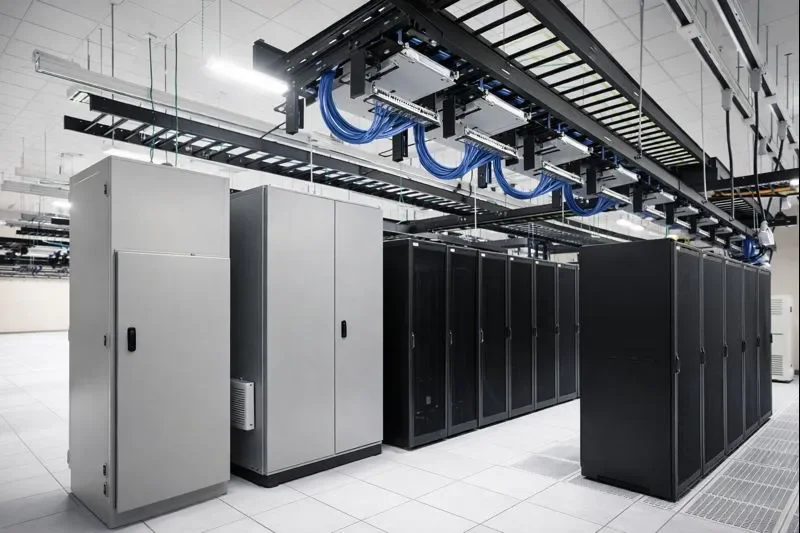
The most notable aspect is infrastructure investment utilizing the Regional Activation Investment Fund. The government has decided to construct a 600 billion won-scale ultra-large AI data center in Pohang, North Gyeongsang Province, rapidly advancing the project with significantly simplified procedures to target completion in November 2027 1. This is a meaningful measure that alleviates infrastructure burdens on industrial sites in response to the era of exploding AI computing demand, while simultaneously establishing future-oriented data hubs in regional areas such as Honam and Yeongnam 1.
Major changes are also foreseen in administrative systems. The next-generation common system for local administration is a project to unify 243 scattered local government systems into a cloud environment organized at the level of 16 metropolitan and provincial units 1, 2. This AI and cloud-based common system is scheduled to be sequentially launched between 2028 and 2029, and is expected to bring groundbreaking improvements to the quality of public administrative services 1.
Linking Social Policies like Retirement Pensions with Science, Technology, and Economics
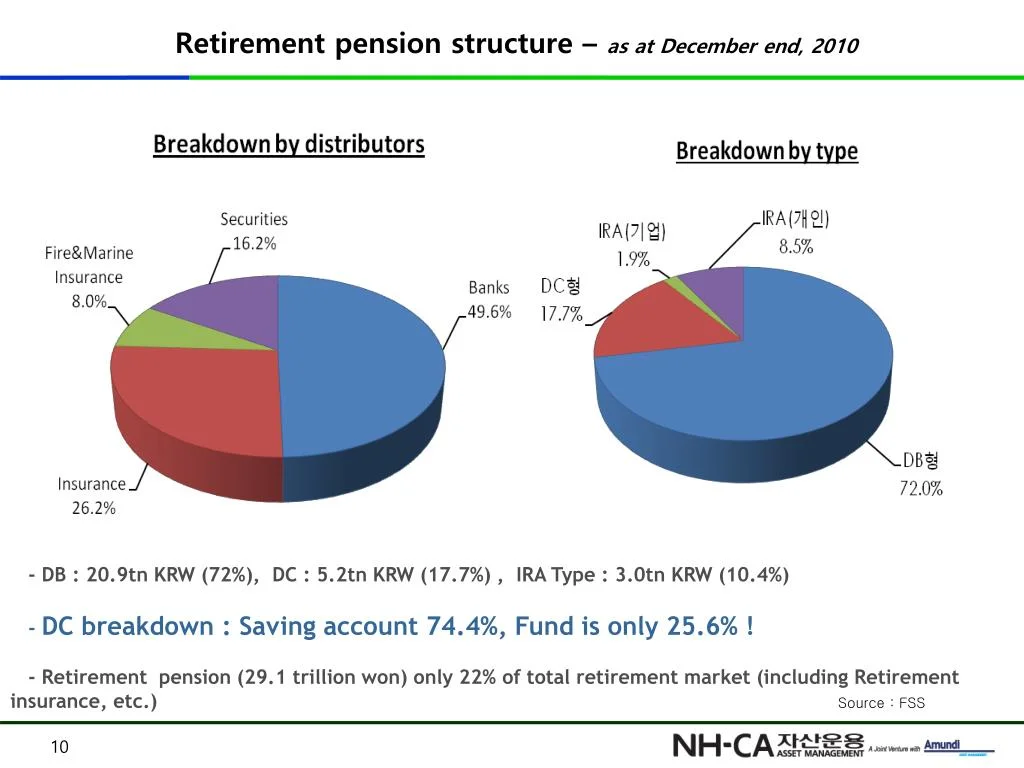
Under the prevailing trend that today’s science, technology, and economic policies cannot be detached from people’s lives, this meeting decided to designate housing, jobs, and retail finance as the ‘Three Major Social Policies’ and begin cross-ministerial work on them 1, 2. In particular, reforms to the retirement pension system, which is directly linked to citizens’ retirement life, were discussed intensively.
The government will address structural vulnerabilities in retirement pensions through close collaboration between the Ministry of Employment and Labor and financial authorities. Starting in 2028, external funding of retirement benefits will be gradually mandated for workplaces with 100 or more employees, aiming to fundamentally block the chronic issue of unpaid retirement pay 1, 2. Additionally, a ‘Fund-type Retirement Pension’ system will be introduced to transition operations to a large-fund model, and provider evaluation criteria will be completely shifted from asset size to return rates, seeking to enhance workers’ actual returns and protect their rights to receive benefits 1, 2. These detailed measures are scheduled to be officially announced after consultations between the party and government on October 29 2.
Settling Policy Trajectories: Establishing Implementation Plans and Full Launch
For policies to move beyond the design stage, precise execution plans must accompany them. The government plans to formulate comprehensive and detailed implementation plans for the 7 SEED Projects agreed upon this year by the end of 2026 1. Following these preparatory steps, an integrated promotion system without ministry silos will be launched from 2027, fully bringing core technology development and demonstration projects onto track 1.
The first joint meeting of economic and science and technology ministers, and the cross-ministerial linkage of the 7 SEED Projects, represent meticulous countermeasures devised by the Korean economy to navigate the double waves of low growth and global technological hegemony competition. Beyond bold budget injections into basic scientific research, attention is focused across all industries on what substantive results institutional foundations such as the Frontier Board and the abolition of the PBS—where private market investment and regulatory innovation interact—will actually yield for companies and researchers in the field.
References
- 과학기술·경제정책 첫 공동 논의…7대 SEED·AI 전환 범정부 협력 · newsis.com↩
- 이형일 "성장 목표는 국민 삶 개선…양극화 완화에 역량 집중" | 연합뉴스 · yna.co.kr↩
- 인공태양부터 생각으로 움직이는 컴퓨터까지…국가 생존 건 ‘7대 SEED... · thepublic.kr↩