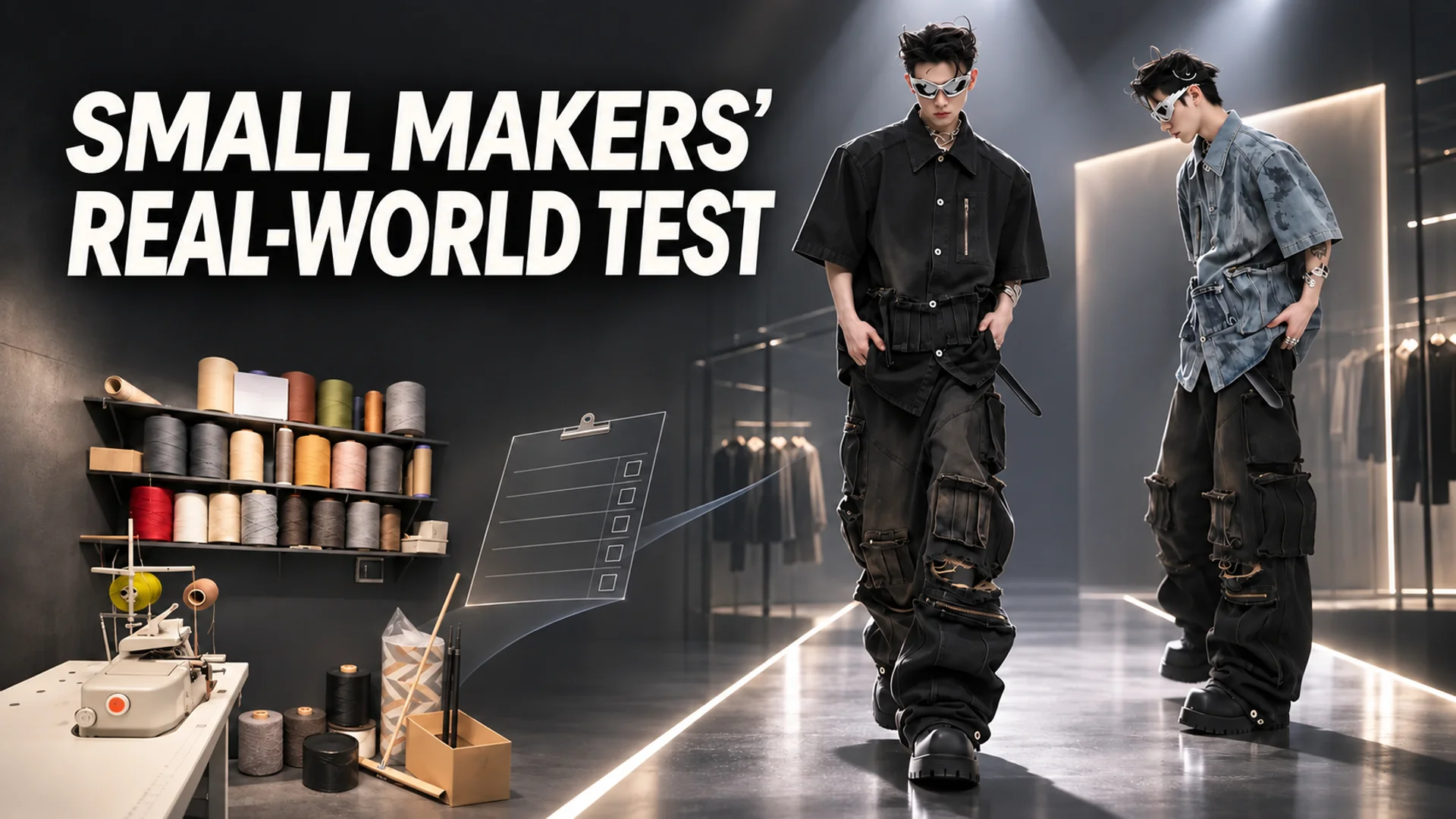
A patbingsu (shaved ice) red bean workshop with fewer than ten employees stands before the judging panel. The judge picks up a spoon without seeing the brand name “Sojeokdu” (Red Bean). This is a “blind tasting,” where participants must compete solely on taste, with no advantage from name recognition or brand story. On the same week’s stage, a sewing factory that makes hoodies and denim pants presents its products on a Seongsu-dong runway. This fashion show does not end with models simply showcasing clothes. On-site votes from general visitors at the pop-up store are added to the scores.
This scene, in which fashion and retail platforms recently shared the stage with small-scale manufacturers, is the “Small-Craftsperson Audition.” In this audition, where Musinsa merchandisers (MDs) directly participate in judging, operations differ from document-based evaluations. Instead, the system reflects the immediate reactions of people who actually taste, wear, and buy the products in the final results. What brands do Musinsa MDs focus on in this audition? The answer can be found through the event’s operational format, held in Seongsu-dong, Seoul, from November 4 to 8, 2026, and the priority criteria Musinsa employs when evaluating brands.
Why Manufacturing Firms With Fewer Than Ten Employees Take the Stage
To understand the purpose of the Small-Craftsperson Audition, it is necessary to first clarify the definition of “small craftsperson” and the event’s background. The term “small craftsperson” gained attention at the “2026 Small-Craftsperson Channel Development Achievement Report Conference (Small-Craftsperson Digging Week)” held in Seongsu-dong, Seoul, from November 4 to 8, 2026. A small craftsperson refers to a manufacturer with fewer than ten permanent workers 1. These include sewing factories making hoodies, manufacturers producing cosmetic puffs, and food workshops directly making red beans for patbingsu.
This competition served as an opportunity to share the achievements of the “Small-Craftsperson Channel Development Support Program,” promoted by the Ministry of SMEs and Startups in collaboration with the Korea SMEs, Small and Medium Venture Enterprise and Startup Agency. According to Flatly’s report, this program was operated in collaboration with private retail platforms. Musinsa was responsible for the fashion and beauty sectors, while Oasis Market handled the food sector, together identifying 120 promising small craftspeople. The selected companies received support for facilities and infrastructure, new product development, and consulting, along with opportunities to list their products on the platforms and participate in special sales events 1.
In other words, this audition is not a test of selecting brands on a deserted island. It is a practical stage where manufacturers who have already received support for expanding sales channels undergo verification of whether their products possess actual competitiveness in the market.
Evaluation Methods Differ by Sector
The interesting aspect of the Small-Craftsperson Audition lies in the fact that the judging format is entirely different for each sector. Out of the 120 participating companies, 24 passed the preliminary review and advanced to the finals, with evaluation methods divided as follows 1:
- Beauty (4 companies): Products are sold directly through live commerce. Real-time reactions, such as explaining the product to viewers and prompting orders, serve as the evaluation criteria.
- Food (10 companies): Judges participate in a blind tasting evaluation where they taste the products without knowing the brand names.
- Fashion (10 companies): Products are showcased in a runway fashion show. On November 5, 2026, ten fashion sector companies stood on the runway 1.
Specifically, the blind tasting in the food sector is a mechanism that requires judges to evaluate only the taste, with brand logos and names hidden.
The final winners are not determined solely by the results of the on-site evaluation. A total of 12 companies are selected by combining scores from a panel of professional judges, including retail platform MDs, with on-site votes from pop-up store visitors 1. By the time “Star Craftsmen” were announced at the awards ceremony on November 6, 2026, two axes had worked together: the MD’s judgment of product viability and the immediate reactions of consumers who visited the site.
Hoodies on the Runway, Red Beans in the Blind Test
Abstract evaluation criteria become tangible when one thinks of actual brands. Flatly reported several specific cases among the companies that advanced to the finals 1:
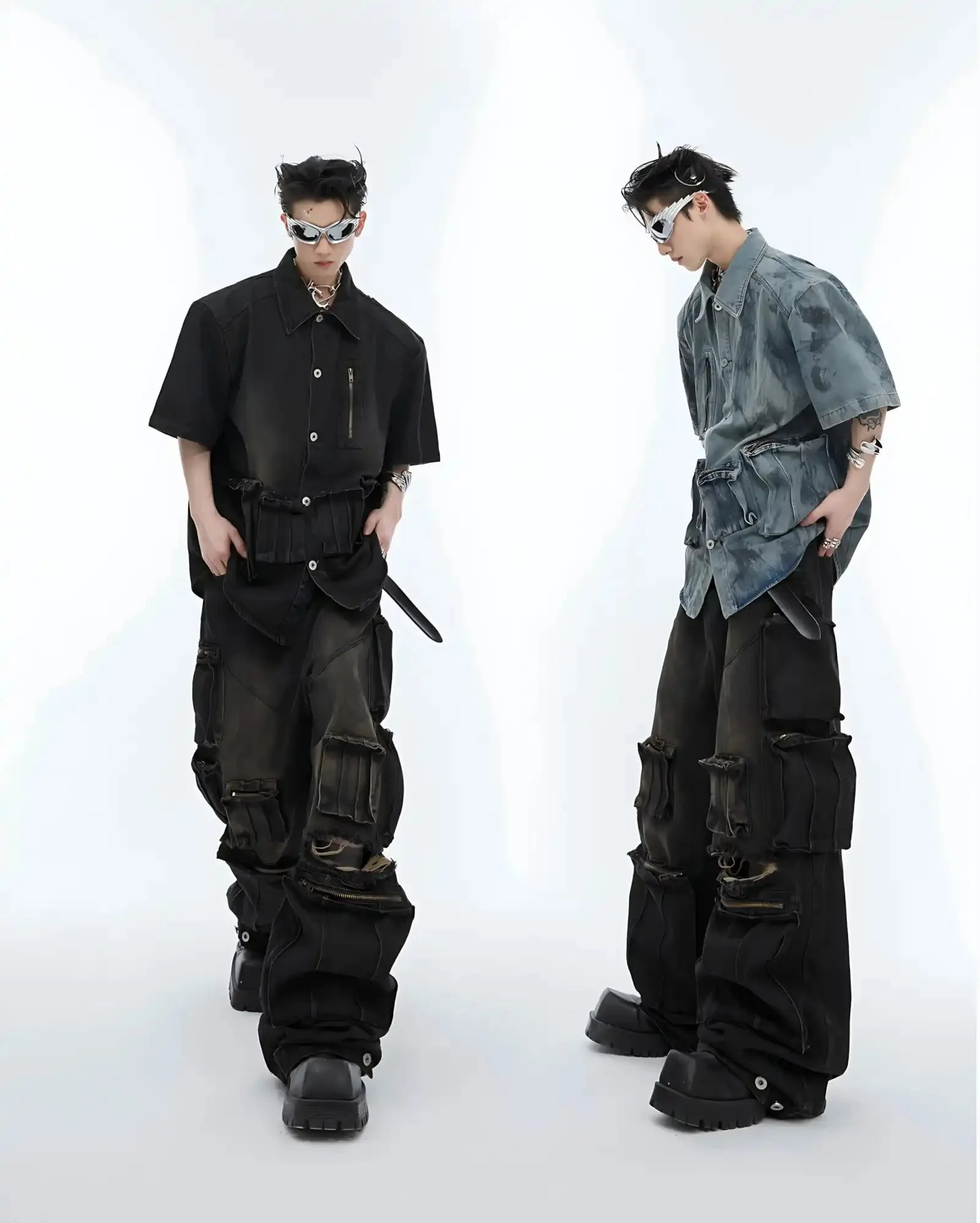
- Plays (GCLIP): A brand that makes hoodies and denim pants. GCLIP’s clothing was presented in a fashion show on the Seongsu-dong runway.
- Prings (KIMMY): A brand that produces cosmetic puffs. Being in the beauty sector, it underwent evaluation through live commerce sales. Prings also has a history of being selected as a Rising Unicorn in the Ministry of SMEs and Startups’ “Strong Small and Medium Business” program in 2025.
- Sojeokdu: A company producing red bean products for patbingsu, which participated in the blind tasting evaluation for the food sector.
In the case of Sojeokdu, this red bean workshop is a small-scale manufacturing site with fewer than ten employees, yet the judges taste the red beans without knowing the name “Sojeokdu.” The techniques the workshop has accumulated and its brand recognition are temporarily excluded, creating a structure where points are awarded solely based on taste and texture upon consumption.
Manufacturers like Prings, whose capabilities have already been recognized in other government support programs, must undergo the same evaluation again. A past selection as a Rising Unicorn is insufficient; they must again prove whether their products actually sell during live commerce broadcasts 1.
In other words, this audition resolves questions such as “Is it delicious even when eaten without knowing the brand?” or “Does it look good to others when worn?” rather than “Is it fine on paper?” This is also why MD scores and consumer votes from the pop-up site are combined 1.
Two Priorities MDs Consider When Selecting Brands
Amidst the audition featuring practical evaluations by sector and on-site voting, the criteria particularly emphasized by Musinsa MDs can be understood through the philosophy previously stated by Musinsa. However, the August 2024 interview with Openads’ “O-Story” is not a document that published a grading rubric specifically for the 2026 Small-Craftsperson Audition. According to Openads, what Musinsa stated were the priority criteria it places when discovering brands to list on its platform 2.
Under the “co-growth” philosophy that Musinsa grows as brands grow, the company has focused on nurturing brands in the early growth stage rather than those already famous. The two first factors examined when selecting early-stage brands are as follows 2:
- Whether the brand has its own distinct identity and concept.
- Whether the design is produced in-house.
A Musinsa representative explained that the company comprehensively reviews whether brands can continuously convey their value to customers through design, quality, lookbooks (collections of photos introducing the brand’s clothing and atmosphere), and content, while also delivering a fresh impact 2.
Applying these criteria to the audition cases makes them easier to understand. An MD evaluating a fashion show presenting GCLIP hoodie products on the runway can be connected to the criteria of “in-house design production” and comprehensive quality review. The scene where visitors react to the taste of Sojeokdu’s red beans during the pop-up on-site voting aligns with the blind tasting structure that hides brand names to focus attention on the product’s completion itself. Prings has a history of being selected as a Rising Unicorn in the Ministry of SMEs and Startups’ “Strong Small and Medium Business” program 1, which can be examined in relation to the aspect of “delivering freshness and impact” that Musinsa comprehensively considers when discovering brands 2.
Meanwhile, the weighting of these two items in the grading rubric for selecting the final 12 companies is not explicitly stated in the reports on this audition. How the MD’s priority criteria and citizens’ on-site votes were numerically combined exceeds the scope of this material.
Brands Proven Through Practice, Not Documents
Ultimately, the question the November 2026 Seongsu-dong Small-Craftsperson Audition answers is clear. Small-scale manufacturers with fewer than ten employees do not pass evaluation based on “stories well-written in documents.” Red bean workshops must pass blind tastings with their brand names hidden, hoodie factories are evaluated by presenting products in runway fashion shows, and puff manufacturers are verified in the real-time sales environment of live commerce 1.
To this is added a structure that combines votes from a panel of professional judges and the general public who visited the pop-up store. This generates the most candid answer to the question: “Do consumers open their wallets or raise their hands when directly exposed to what we have made?”
The principle that Musinsa prioritizes “clear identity and concept” and “in-house design production” when discovering brands is already known 2. However, in the specific practical setting of the Small-Craftsperson Audition, that identity must be directly proven through the taste of red beans when eaten without knowing the brand, the silhouette of hoodies walking the runway, and the actual sales of products during live commerce broadcasts. The meaning of the moment when the final 12 companies are called out is not an approval of excellence on paper, but closer to acquiring proof of survival by competing through products and on-site reactions, combining scores from professional judges like retail platform MDs with on-site votes from pop-up store visitors 1.
References
- 무신사·오아시스 MD가 심사하는 소공인 오디션, 성수동서 열린다 - 플래텀 · platum.kr↩
- [O'story] 무신사가 성장 초기 단계 브랜드 발굴에 진심인 이유는? · openads.co.kr↩