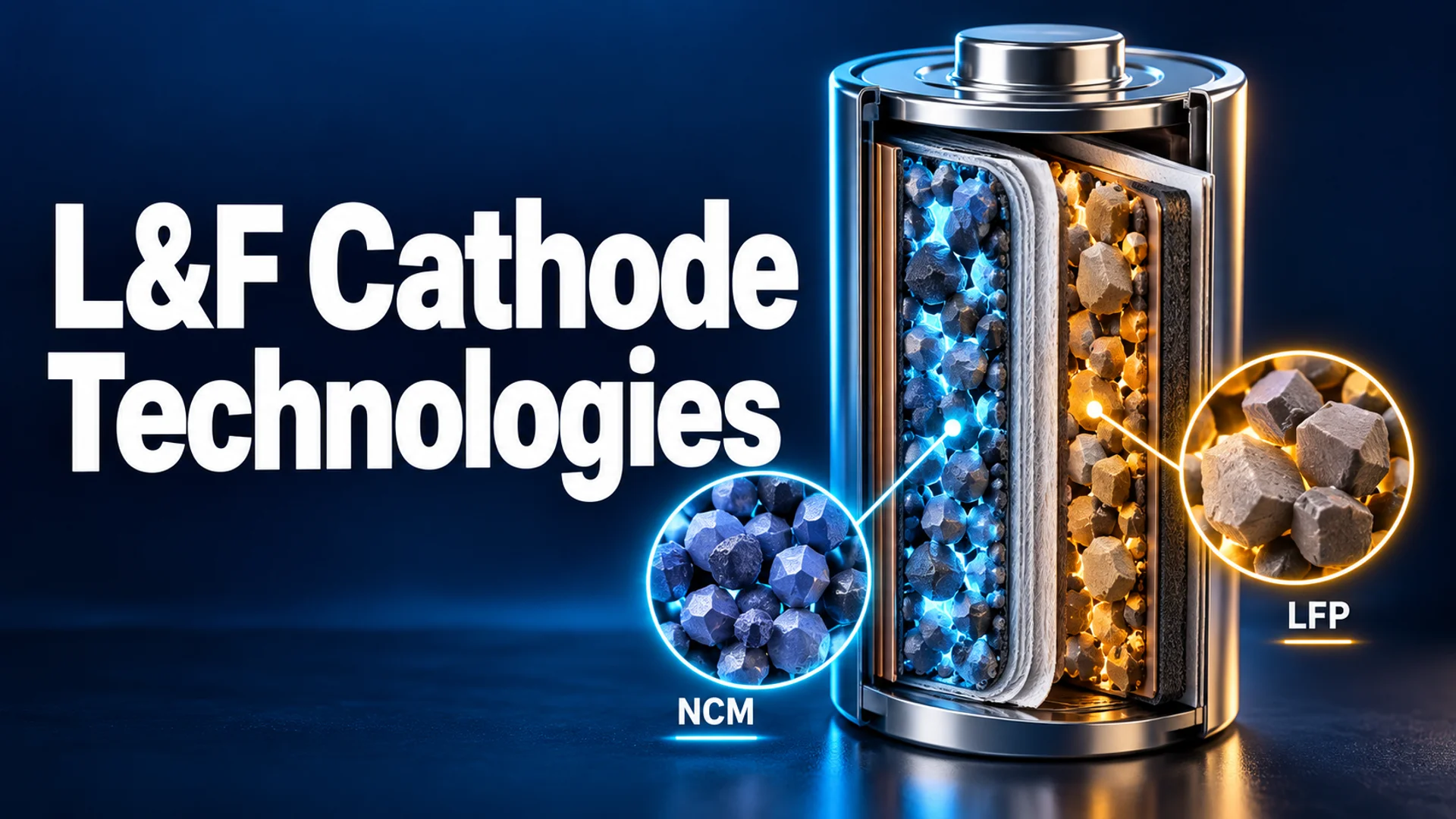
The electric vehicle battery materials industry exhibits a complex market structure where demand for high energy density, centered on nickel, cobalt, and manganese (NCM), coexists with demand for cost competitiveness, centered on lithium iron phosphate (LFP). At the "2026 Daegu International Future Mobility Expo (DIFA 2026)," held at EXCO in Daegu from October 21 to 24, 2026, L&F unveiled a technology portfolio designed to meet both extremes of this market 1. L&F displayed NCM and LFP cathode samples and set up an experiential space where visitors could directly compare the physical properties of the two materials 1. Through this, the company emphasized its capability to respond to these two contrasting technical requirements 1.
NCM(A): World’s First 95% Nickel Technology and Application to 46-Pi Batteries
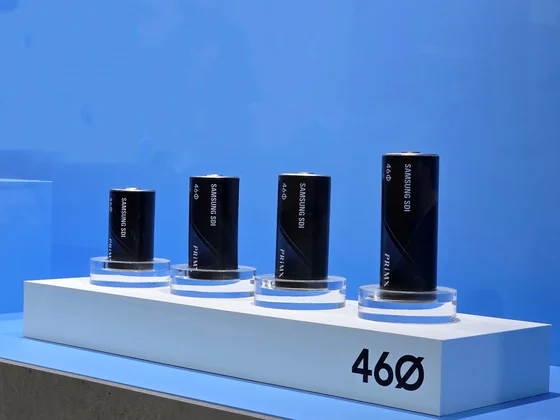
A key highlight among the NCM cathode technologies unveiled by L&F is the NCM(A) technology, which is the world’s first to achieve a 95% nickel content 2. Increasing nickel content enhances battery energy density and extends driving range, but it directly involves technical challenges related to thermal stability and lifespan. L&F explained that it has simultaneously achieved high energy density and excellent stability even with 95% nickel content 2.
This NCM(A) cathode material is applicable to 46-pi (46mm diameter) cylindrical batteries 2. The 46-pi format is considered a next-generation standard that can expand energy capacity compared to existing cylindrical batteries. L&F announced that it is currently supplying this product to major cell manufacturers and OEMs both domestically and internationally 2. This serves as evidence of its competitiveness in meeting the demand for high-value materials in the global premium electric vehicle market.
LFP Cathodes: First Domestic Mass Production and 3rd-Generation High-Density Technology
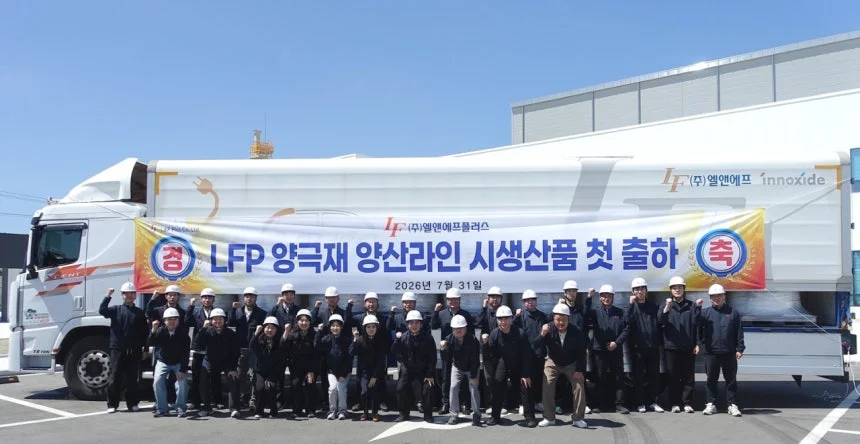
L&F began mass-producing LFP cathodes for the first time in Korea at the end of the third quarter of 2026 1. The newly unveiled product is a "3rd-generation high-density LFP cathode" that addresses the limitations of existing LFP cathodes, achieving a compaction density (PD) of 2.5g/cc or higher 1. While LFP batteries generally have lower energy density than nickel-based batteries, making them less advantageous for securing driving range, L&F explained that it achieved compaction density levels comparable to third-generation Chinese products through its proprietary production methods 2.
L&F emphasized that these technical improvements have secured both performance and cost competitiveness 1. This is interpreted as establishing a material foundation capable of covering not only the mass-market electric vehicle segment, which is highly price-sensitive, but also the energy storage system (ESS) market. Furthermore, at the previous DIFA 2025 exhibition, L&F disclosed the status of the LFP cathode pilot line built at its Third Plant in Daegu’s Guji area and its 2026 mass production roadmap, indicating that the mass production announcement at DIFA 2026 is a continuation of its planned phased steps 2.
| Category | Key Specs and Technical Features | Application Targets and Markets |
|---|---|---|
| NCM(A) | 95% nickel content; simultaneous achievement of high energy density and stability | 46-pi cylindrical batteries (currently supplied to domestic and international cell manufacturers/OEMs) |
| LFP (3rd Gen) | Compaction density (PD) of 2.5g/cc or higher; secured performance and cost competitiveness | First domestic mass production (addressing mass-market EV and ESS demand) |
Next-Generation Material R&D and Supply Chain Diversification Strategy
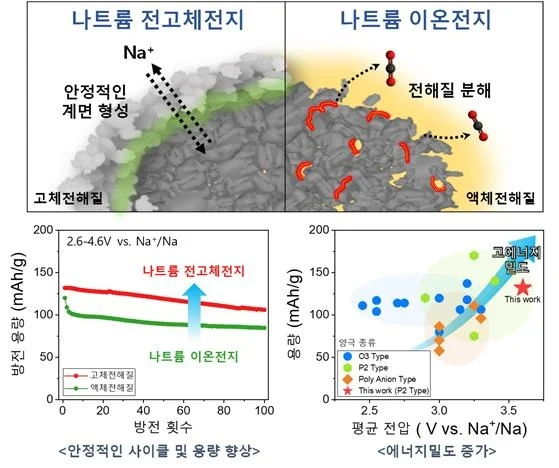
In addition to the NCM and LFP cathodes currently in mass production, L&F disclosed its research and development status aimed at seizing leadership in future technologies. At DIFA 2026, the company introduced its R&D progress on cathode materials for sodium-ion batteries (SIBs) and all-solid-state batteries (ASSBs) 1. Sodium-ion batteries are gaining attention as an alternative to lithium price volatility, while all-solid-state batteries are recognized as next-generation technologies in terms of safety and capacity.
Furthermore, L&F presented its direction for "building non-China material supply chains" 1. Given the high dependency on specific countries in the global battery supply chain, securing stable material sources has emerged as a critical strategic task. L&F’s actions are interpreted as efforts to strengthen its position in the global battery market and solidify its standing as a stable material partner.
Industry-Academia Cooperation and Local Talent Development Activities
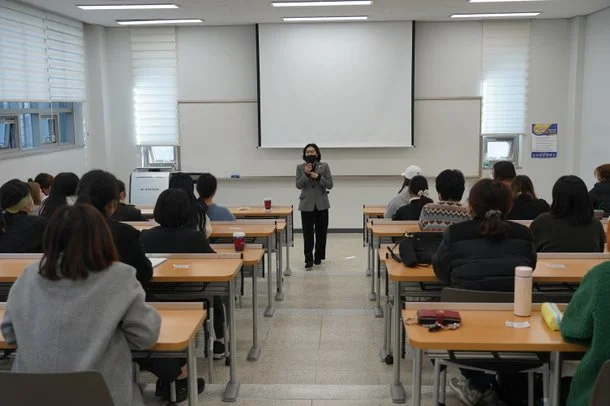
To strengthen technology development and production capabilities, L&F also pursued cooperation with the local community and universities. During the DIFA 2026 event, the company conducted specialized technical training on NCM and LFP cathodes for 21 students from universities in the Daegu region, including Yeungnam University, Keimyung University, and DGIST 1. This is part of industry-academia linkage activities aimed at cultivating personnel required on the ground at an early stage.
Additionally, L&F held an employee family invitation event to share the company’s technological achievements and strengthen internal cohesion 1. Through this exhibition, L&F demonstrated its ongoing efforts to build a technology ecosystem, not only by introducing new technologies but also by establishing talent pipelines and fostering mutual growth with the local community 1.
L&F’s participation in DIFA 2026 clearly outlined a strategy to address the diverse demands of the battery materials market through two main pillars: the maturity of its ultra-high-nickel NCM technology with 95% nickel content and its entry into domestic mass production of LFP cathodes for the first time. Coupled with R&D on next-generation technologies such as sodium-ion and all-solid-state batteries and its supply chain diversification strategy, the company presented a long-term vision for adapting to changes in the global battery industry.
References
- 엘앤에프, 미래모빌리티엑스포 참가…양극재 기술력·비전 선봬 | 연합뉴스 · yna.co.kr↩
- 엘앤에프, 'DIFA 2025' 참가…NCM·LFP 양극재 기술 소개 | 연합뉴스 · yna.co.kr↩