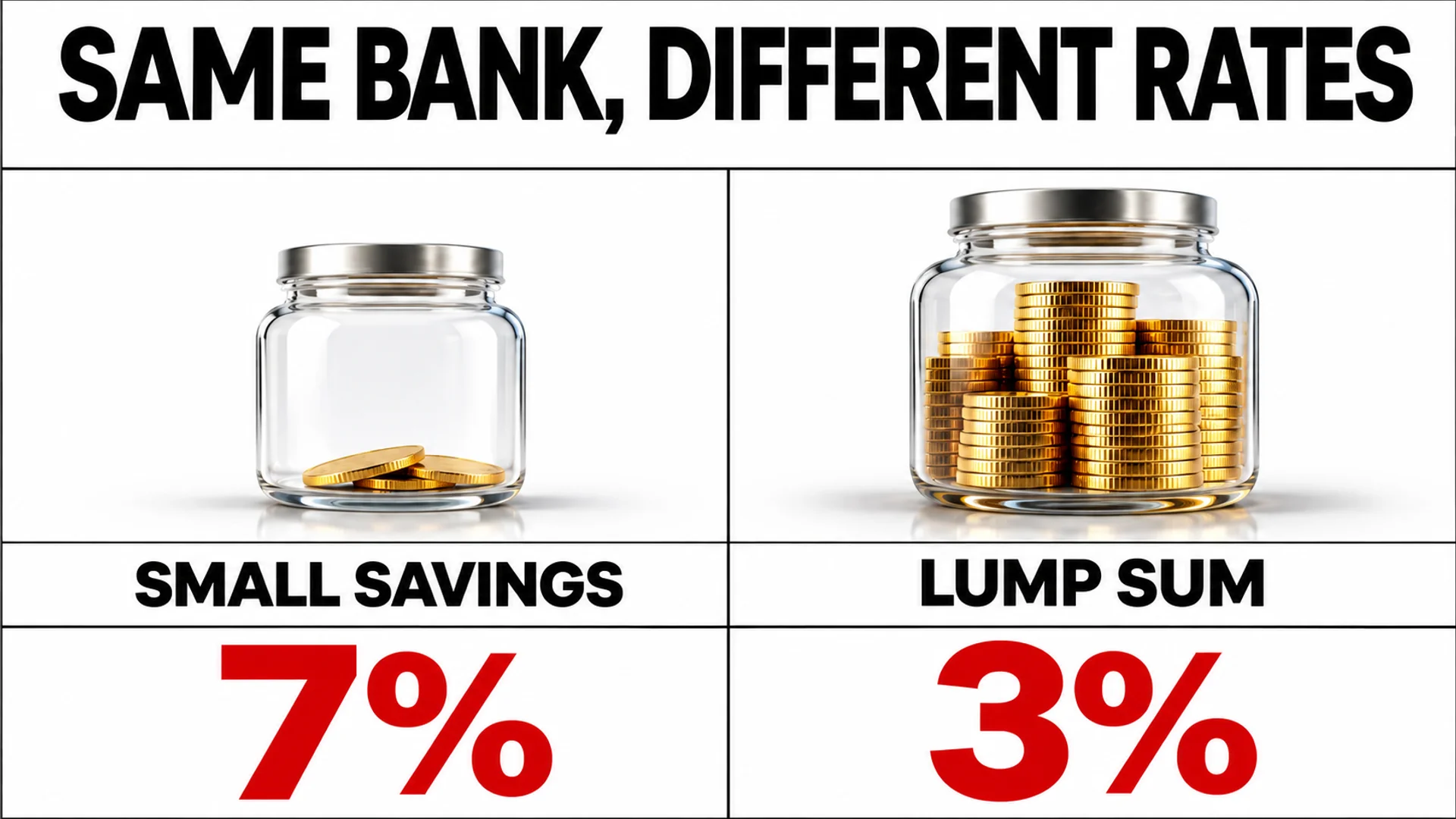
Korea's Consumer Price Index (CPI) in September 2026 rose 2.9% year-on-year. On the surface, one might feel reassured that inflation is just below the 3% mark, but the inflation that households actually experience is much colder. Transportation prices have surged 7.7%, severely pressuring essential household expenditures, while household goods and domestic services also rose 3.0% 1. Moreover, with South Korea's 2026 economic growth rate plunging to a shocking 0.8%, the prevailing assessment is that the 2% inflation rate reflects a "stability born of recession" due to demand stagnation 2.
We are facing a 2026 shadowed by a poly-crisis, a situation of "stability born of recession" where inflation stabilizes near target levels even as the growth engine stalls. The Bank of Korea is keeping the base rate at a restrictive 2.50% due to concerns over real estate debt risks, delaying rate cuts to the second half of the year 2. Amidst this macroeconomic environment, let's examine three defensive strategies essential for protecting the real purchasing power of your savings account.
Strategy 1. Securing Real Purchasing Power with Inflation-Hedge Assets
If you simply keep cash in your savings account, its value will melt away equivalent to the rise in prices. In an era of high inflation, it is necessary to incorporate real assets into your portfolio to offset inflation.
A representative method is to include defensive assets such as gold. While the global financial environment typically recommends allocating 2–5% of total assets to gold, for the 2026 market environment, a "balanced portfolio" composed of 50% stocks, 35% bonds, and 15% gold is recommended for individual investors to enhance defensive capabilities 3.
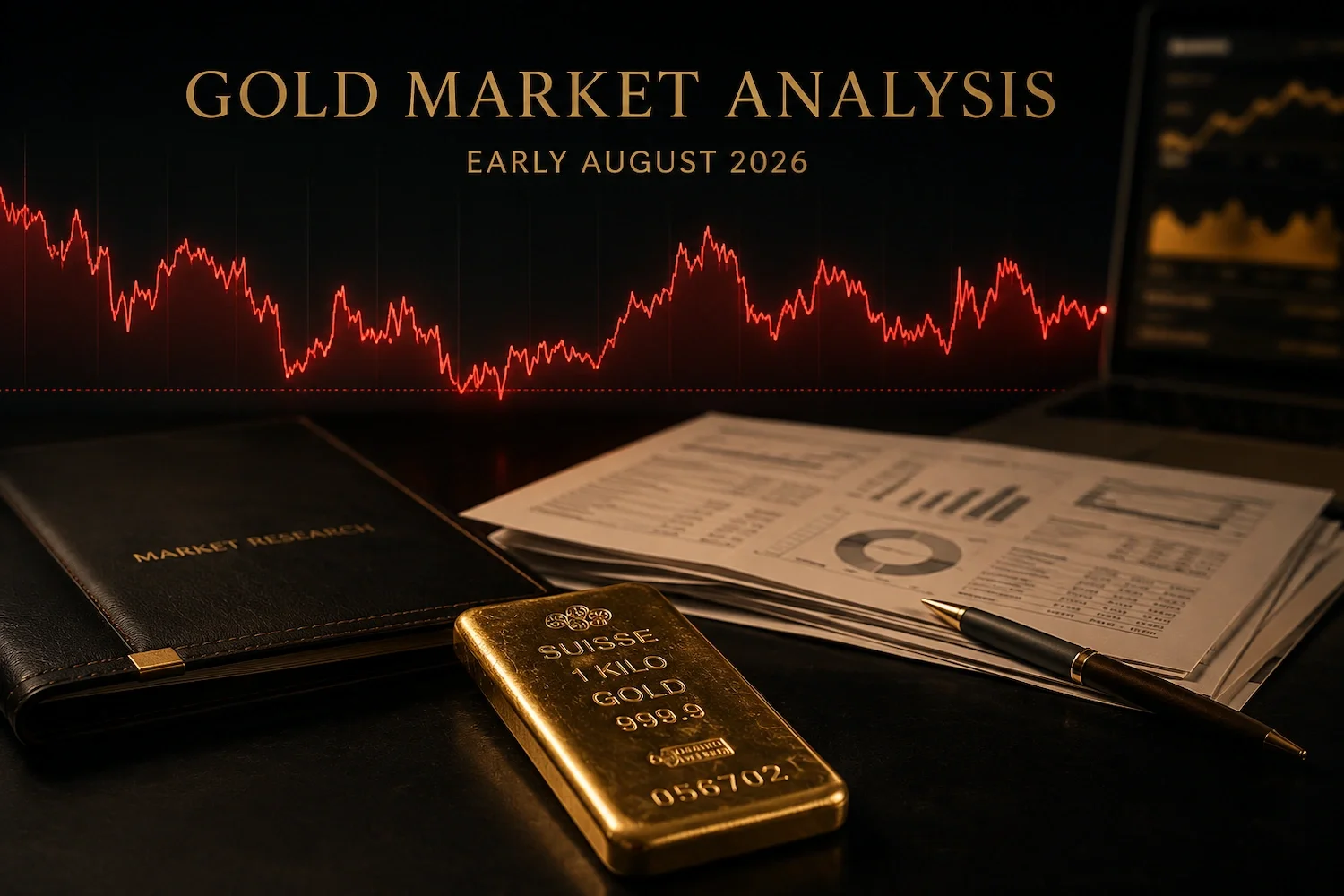
Actual market prices have shown extreme volatility. International gold prices hit an all-time high of 4,400 per ounce in early September. Nevertheless, major investment institutions, citing steady purchases by central banks and de-dollarization trends, have raised their 2026 target prices to 6,300 4.
Domestic physical gold prices are no exception. Based on the KRX Gold Market closing price on October 22, 2026, the price of 24K pure gold was recorded at 174,290 KRW per gram 5. Although it has declined from its peak in the short term and exhibits high volatility, this serves as a reason to maintain it as a long-term defensive asset.
Strategy 2. Allocating Dollar Assets to Diversify High Exchange Rate and Low Growth Risks
Exchange rate instability factors persist, with the domestic economic growth rate plunging to 0.8% and foreign exchange reserves decreasing to $428.1 billion 2. As the risk of won depreciation deepens due to adverse factors such as US-led protectionism and automotive tariffs, dollar assets have become a safety net that protects the entire portfolio, going beyond a simple means of "currency arbitrage."
Rather than "hwan-tech" (currency investing) aimed at short-term capital gains, structurally incorporating a significant proportion of dollar assets is more stable. It is necessary to diversify a portion of domestic assets into US S&P500 or Nasdaq 100 index ETFs, which are key to long-term returns 3. Maintaining a proportion of dollar-denominated assets serves as a key means of defending against a decline in the overall value of household assets should won weakness (high exchange rates) materialize 2.
In practice, returns can be maximized by combining asset allocation principles with the tax system. When purchasing US ETFs, it is essential to actively utilize tax-saving accounts such as the ISA (Individual Savings Account) or pension accounts and IRP (Individual Retirement Pension) accounts, which allow you to benefit from long-term compound interest 3. It is advisable to mechanically automate a buy-low, sell-high structure by automatically diversifying purchases of 1 million KRW in investment funds monthly and rebalancing every 6 months to 1 year to partially sell assets with significant appreciation 3.

Strategy 3. Reviewing Interest Rate Structures for Volatility Defense and Reducing Interest Burdens
While raising asset returns is important, reducing interest costs, which are fixed expenditure, is a shortcut to asset defense. The current base rate of 2.50% represents an unusually high-interest-rate environment when considering the low-growth phase. This is because rate cuts are being delayed due to economic recession, exacerbating household debt risks 2.
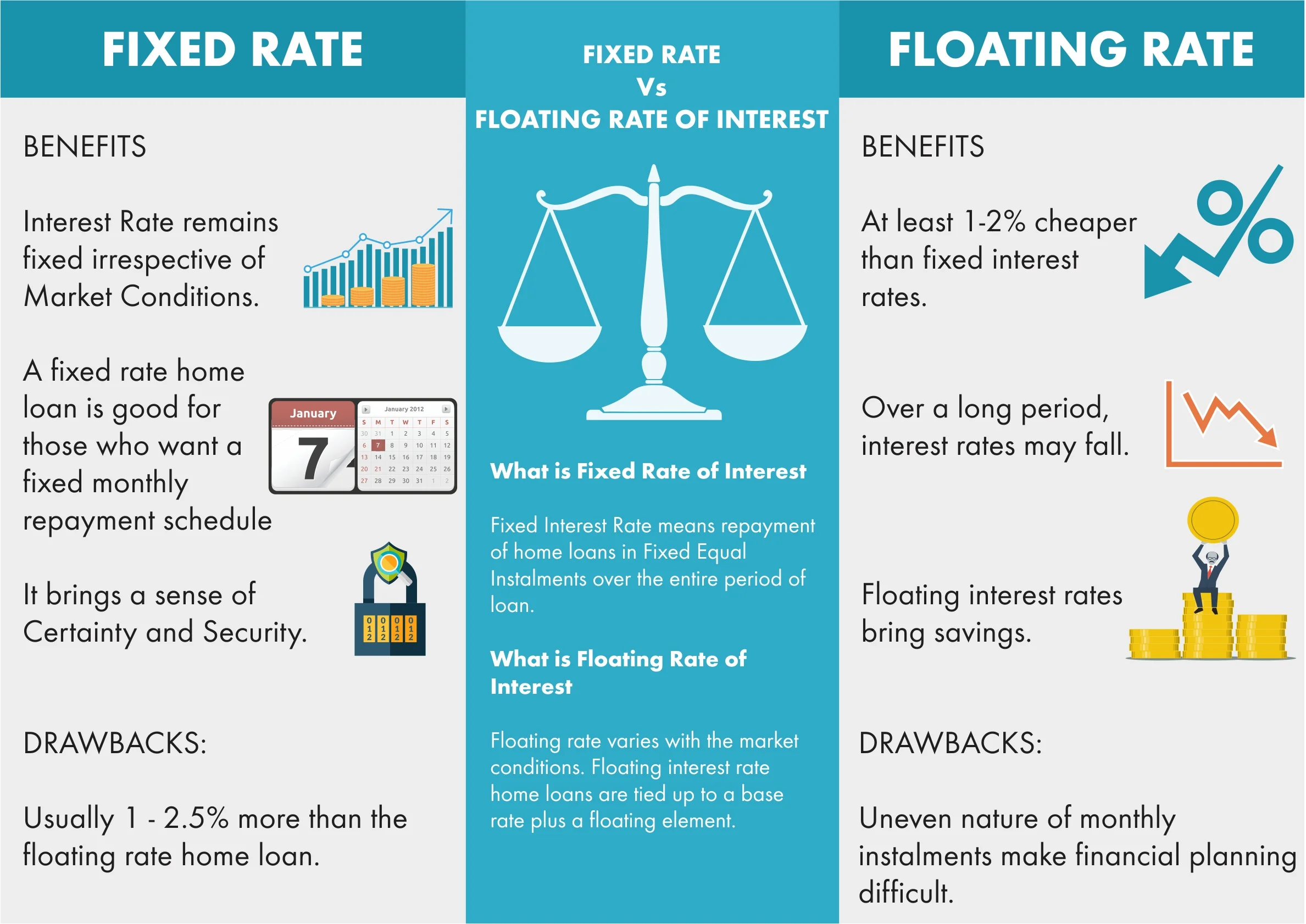
In such an environment, rather than blindly maintaining variable-rate debt, a "windmill strategy" (refinancing/changing borrowers) is required to restructure loans. Variable-rate loans should be converted to fixed rates to increase the predictability of long-term interest burdens and maximize repayment capacity.
Of course, converting to a fixed rate incurs the opportunity cost of early repayment fees. However, given that the high-interest-rate trend is likely to persist for the time being, apart from limited rate cuts in the second half of 2026 2, prioritizing the control of interest rate risks on debt is safer. Simply carefully reviewing the repayment method and interest rate structure of loans can prevent cash leakage from your account.
Final Conclusion on Protecting Your Account in 2026
The answer to protecting your wallet lies not in prediction, but in "structure." The 2026 economic environment, characterized by entrenched high exchange rates, high inflation, and low growth, takes on the nature of a poly-crisis that is difficult to overcome through individual efforts 2.
Therefore, a balanced asset allocation of 50% stocks, 35% bonds, and 15% gold 3 should be set as the basic framework. One must defend purchasing power with real assets (gold) against rising prices (7.7% for transportation, etc.) 1, create a diversified structure against won weakness through dollar ETFs and ISA accounts 3, and proactively manage the interest rate structure of debt, which is a fixed expenditure eroding one's account. Only by mechanically and periodically checking these defensive walls, rather than reacting emotionally to short-term market movements, can the real safety of household assets be secured.
References
- 소비자물가지수 - 국가데이터처 · mods.go.kr↩
- 2026년 한국 경제 전망: 0.8% 성장 쇼크와 한은의 결단 - Wealth Builder · lifeis-picnic.com↩
- 2026년 자산배분 전략 | 개인 투자자를 위한 ETF 포트폴리오 가이드 · investpath.co.kr↩
- 2026~2050년 금값 전망 및 장기 금시세 예측 | Axi KR · axi.com↩
- 금시세 서비스 홈 | 오늘금값 · gold.3minhealth.com↩
- [NEWS BY DAYLIGHT] 2026년 10월 22일(목) / 유승균... - YouTube · youtube.com
- 동물이 신음하는 동안 사람 성교 개 · animalsexdog.net
- 2026년 통화신용정책 운영방향 | 경제정책자료 · kdi.re.kr
- 부동산 폭탄터짐( 2026년 하반기...) - YouTube · youtube.com