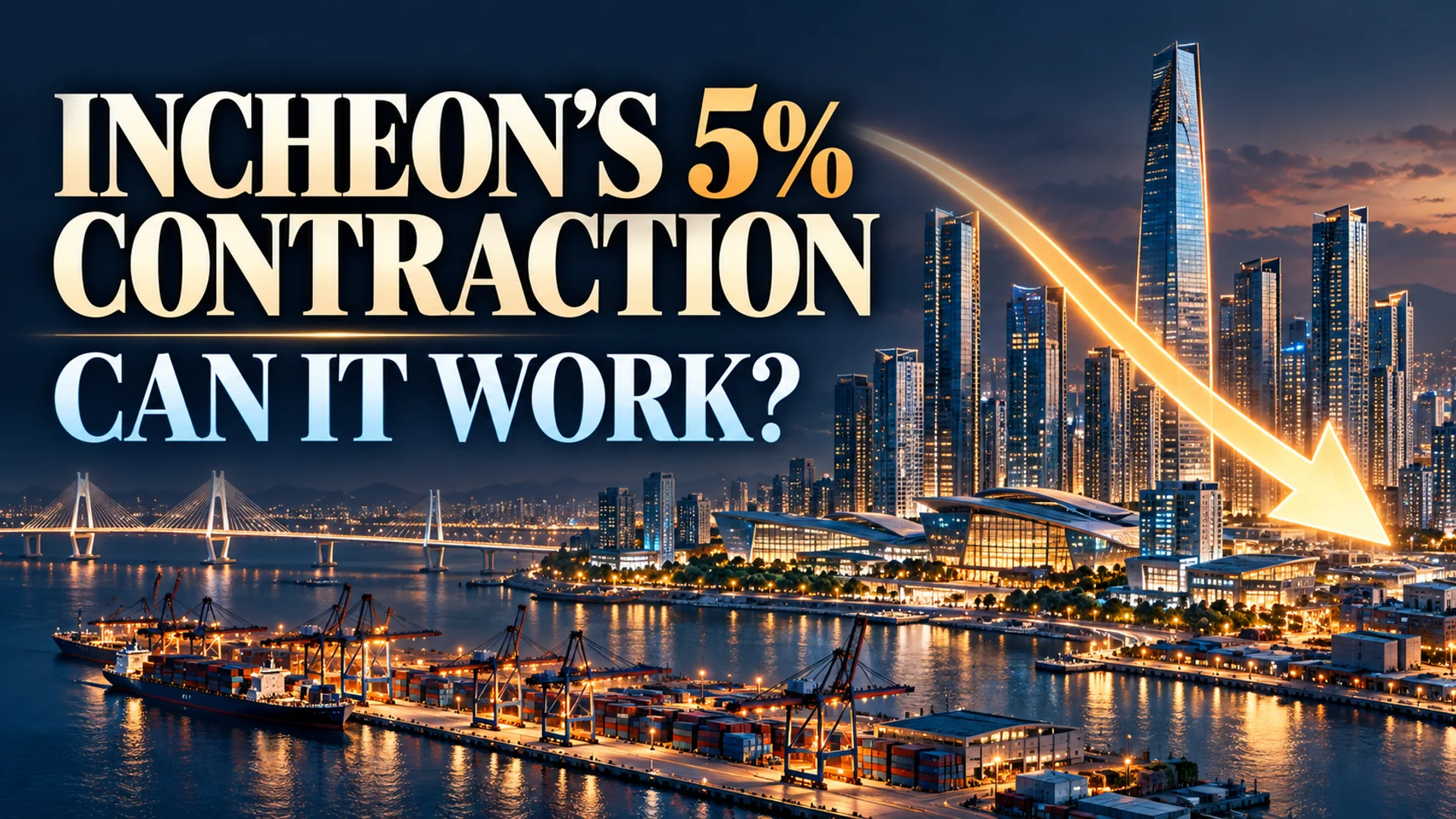
"Can Incheon return to its days as the number one city?" This is a question many Incheon citizens hold in mind. In 2022, Incheon boasted a remarkable record by achieving a 6.8% economic growth rate, ranking first nationwide, but since then, it has experienced an unavoidable annual decline, eventually tasting the bitter reality of negative growth. Amid this sense of crisis, on October 26, 2026, Incheon Mayor Park Chan-dae announced an ambitious administration goal of achieving an average economic growth rate of 5% during his term and presented the "Incheon Future Industry Re-powering" vision 1.
Mayor Park's declaration to reclaim past glory is both specific and large in scale. The plan centers on securing the bid for the 2028 G20 Summit and significantly fostering new industries such as bio, logistics, and mobility 1. However, questions remain regarding the logic behind the calculation of these ambitious figures, including the target of "6,000 jobs," in actual practice. This article objectively diagnoses the reasons for Incheon's economic slump and examines the growth recovery solutions proposed by Mayor Park Chan-dae and the underlying challenges step by step.
Falling Growth Rates: Warning Signals of Incheon's Economic Crisis
Behind Mayor Park Chan-dae's call for "Re-powering" lies the painful reality of Incheon's steep economic decline. Looking at Incheon's past economic indicators reveals just how drastic the drop has been. The table below summarizes the transition of Incheon's economic growth rate directly pointed out by Mayor Park and his term goals.
| Year | Incheon Economic Growth Rate | Remarks |
|---|---|---|
| 2022 | 6.8% | Recorded first place nationwide |
| 2023–2024 | Annual decline | Declining trend continued |
| 2025 | -0.5% | Recorded negative growth |
| Goal (4-year term of the 9th elected administration) | Average 5.0% | Term goal set by Mayor Park |
Source: Incheon Mayor Park Chan-dae's "Incheon Future Industry Re-powering" vision announcement (S17)
Quoting these figures, Mayor Park strongly diagnosed, "We are pushing forward with 'Re-powering' to reverse this downward trend" 1. During the 8th elected administration, Incheon's average economic growth rate was 3.9%, but Mayor Park's target was set at 5%, exceeding that level 1. This scenario aims to overturn the psychological and practical shock of negative growth (-0.5%) and return to the ranks of high growth averaging 5% within the term.
Restarting the Growth Engine: 2028 G20 Bid and New Industry Fostering
So, how does Incheon City plan to realize these massive figures? Mayor Park's vision is divided into two main pillars. The first is attracting major events that will transform Incheon into a global hub city. Mayor Park cited securing the bid for the 2028 Group of 20 (G20) Summit as a core driver and designated 2028 as the "Year of Incheon's Leap" 1.
To this end, a roadmap has been drawn to establish basic plans by industry, commence full-scale projects starting in 2028, and complete a master plan 1. Infrastructure in various fields such as logistics AX (AI transformation), ports, future industries, and energy transition is oriented toward 2028 1. Additionally, to sustain the momentum from major events, global expos in the bio, logistics, and connected mobility sectors and world-class esports competitions will be promoted in parallel 1.
Blueprint for Establishing 'Bio KAIST' and Building a Talent Pool
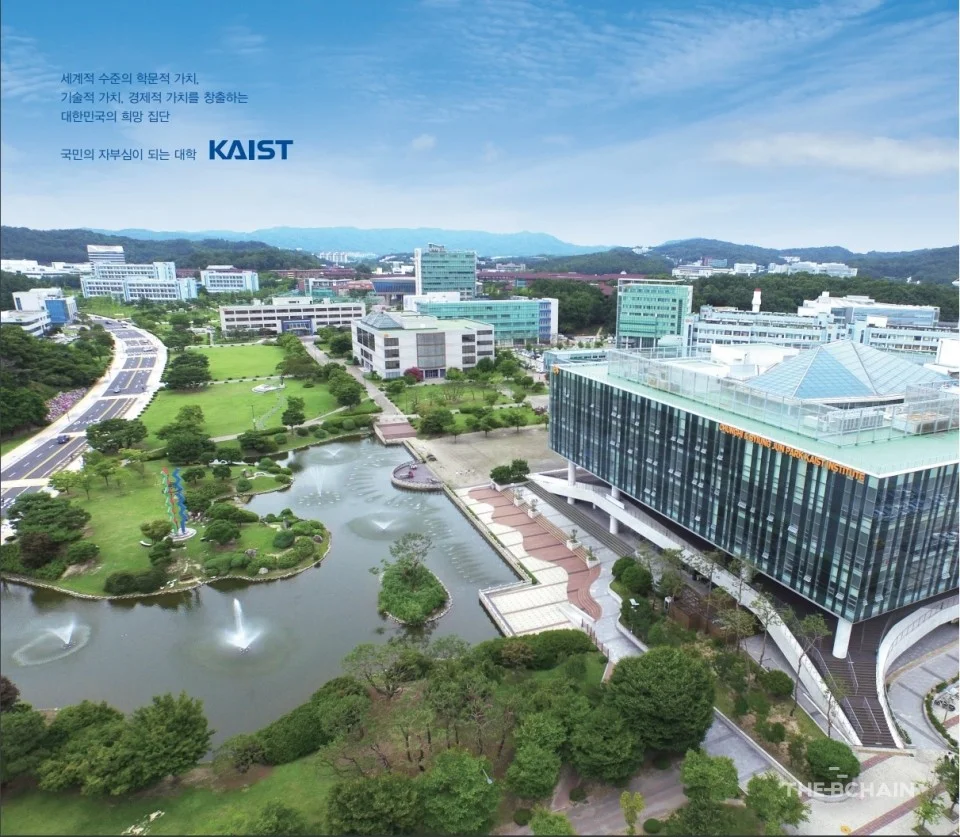
The second pillar of growth recovery is the groundbreaking expansion of the industrial ecosystem and the human resources to support it. The new growth engine selected by Incheon City is undoubtedly 'bio.' Through the establishment of the 'Incheon Institute of BioScience and Technology' dedicated to new drug research and development (R&D), the aim is to achieve direct spillover effects in the industry. Mayor Park has expressed his plan to settle young people by establishing 'Bio KAIST' since the election period 2.
Park Chan-dae: “I will help young people settle in Incheon by creating ‘Bio KAIST’” 2
Mayor Park's vision was further refined into specific figures in the October 2026 vision announcement. Incheon City plans to establish a system supplying approximately 300 bio-specialized personnel annually and concentrate all administrative power to ensure the swift passage of related legislation by the National Assembly 1. This is a strategy that simultaneously combines high-value industries and educational infrastructure to create a foundation where young people can stay rather than leave 2. This aligns with the starting signal of full-scale administration operations held immediately after Mayor Park, then as president-elect, held the "Listening to Incheon, Connecting to the Future" town hall meeting in June 2026 to hear citizens' opinions 3.
The Reality Behind '6,000 Jobs' and Verification Tasks
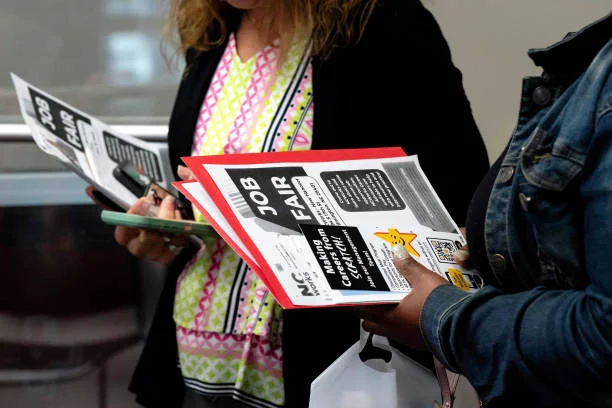
Along with economic growth, there is a question citizens instinctively ask: "How will the 6,000 jobs be created?" In reality, local government job policies are sometimes criticized for inflating numbers. The case of Jeju Special Self-Governing Province in 2025 is an example illustrating such concerns.
| Local Government | Year | Job Creation Target Size | Actual Policy Content and Public Criticism |
|---|---|---|---|
| Jeju Special Self-Governing Province | 2025 | Total over 8,000 (6,388 public/private + 1,649 supplementary budget) | Criticized for being centered on short-term and temporary roles such as public works and jobs for the elderly 4 |
| Incheon Metropolitan City | 2026– | Target of creating 6,000 jobs annually (related to vision announcement) | Pointed out for lacking detailed creation plans by specific industry sector and field [S12, Researcher gap] |
In the case of Jeju, the target of 6,000 jobs included public works projects and was evaluated as having a strong character of "number padding," with a large influx of emergency jobs for vulnerable groups 4. For Incheon as well, based solely on the currently provided text, it is not clear how the number '6,000' will be created by what ratio of private and public sectors based on new industry foundations like bio and logistics [Researcher gap]. Detailed design is required to determine whether these are simple public works jobs or private sector jobs based on new infrastructure from securing global expo bids.
Incheon's Achilles' Heel Found in Citizens' Voices
Before discussing macroeconomic growth rate recovery and job creation, there are numerous micro-level tasks that the administration must bear. These conflict elements were plainly revealed in the first citizen communication channel held at the start of the 9th elected administration.
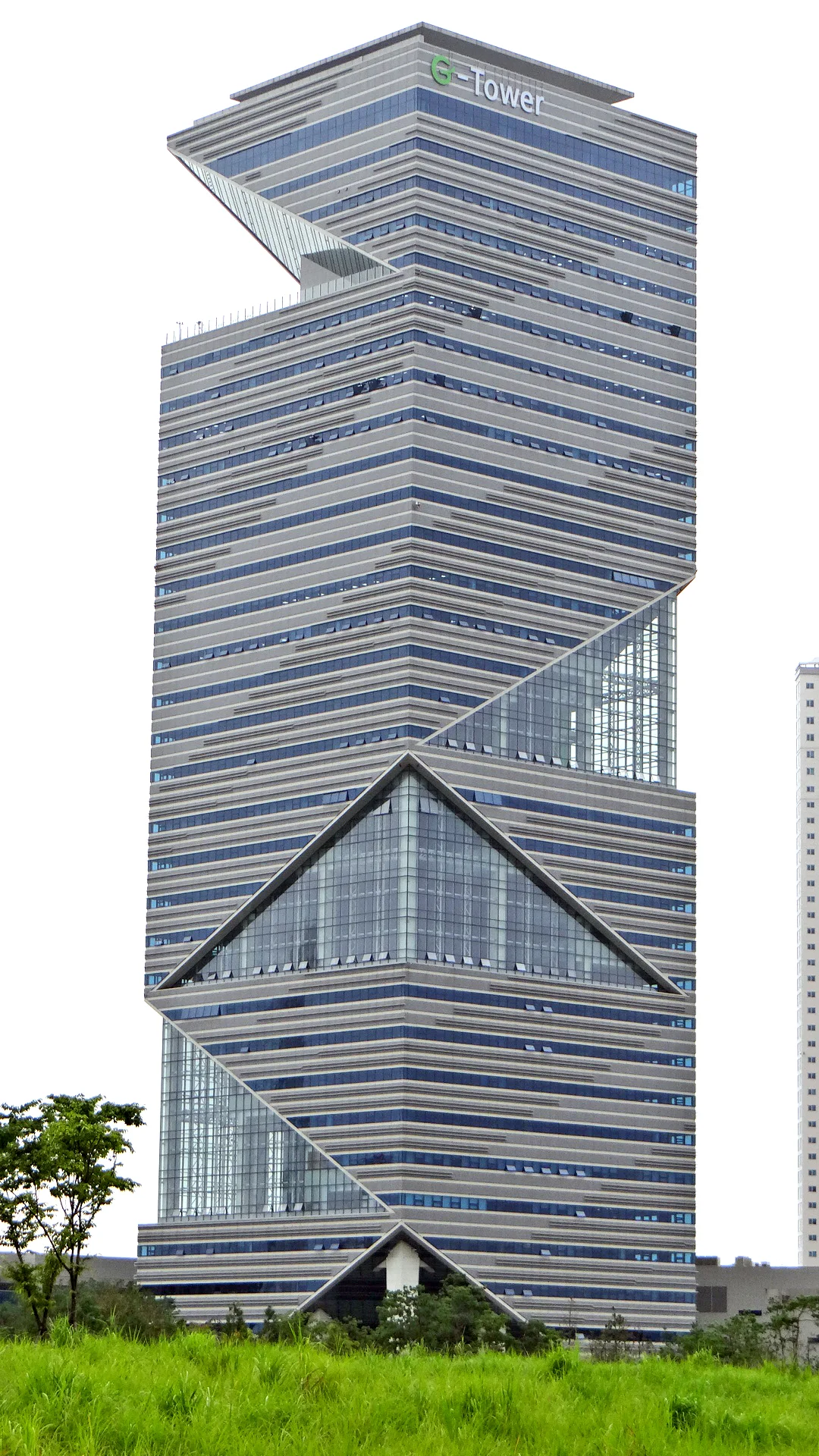
On June 20, 2026, a total of 1,216 citizen voices poured into the "Listening to Incheon, Connecting to the Future" town hall meeting held at G-Tower in Songdo, including 1,136 pre-submitted and 80 on-site submissions 3. Key agenda items included urban/transport, economy/jobs, and education/youth 3.
In particular, ▲ the relocation of the Incheon Port Authority (IPA) to Jeemulpogoo ▲ the demolition of the private railway station in East Incheon are points where the interests of the new and old downtown areas clash sharply 3. Regarding the IPA relocation, Mayor Park drew a line, stating it was "a pledge carefully considered for the balanced development of the old and new downtown areas," and emphasized resident consultations; for the East Incheon station issue, he proposed linking it with the subway conversion project for the Gyeongin Line 3. Additionally, regarding the proposal by Seo Hae-yong, chairman of the Incheon National University Alumni Association, to establish a public medical school, he promised to fulfill the pledge, calling it "a difficult task but a necessary one" 3.
A Test of Fiscal Soundness and Feasibility
Mayor Park Chan-dae's goals of "Re-powering" and "5% growth" are very clear in terms of direction. Recovering the strength of the high-growth period (first place nationwide in 2022) and redesigning Incheon with advanced industry pillars of bio, logistics, and mobility are indispensable administrative tasks. The supply of 300 talents and the push to pass the 'Incheon Institute of BioScience and Technology' bill can be effective cards to prevent the outflow of local talent 1.
However, an in-depth analysis of the specific structural reasons that led Incheon's economy to fall to -0.5% in 2025 must be conducted first. The process of changing negative growth to an average 5% high growth rate is not achieved merely by vision announcements and securing bids for large-scale events. Only by securing substantive grounds for the number of 6,000 jobs, alongside massive fiscal input and institutional design to support new growth engines, can 'Re-powering' become a real starting point for Incheon's revival rather than remaining just a slogan.
References
- 박찬대 인천시장 "임기 중 평균 경제성장률 5% 달성 목표" | 연합뉴스 · yna.co.kr↩
- [6·3 지방선거-인터뷰] 박찬대 “인천에 ‘바이오 카이스트’ 만들어 청년 정착 도울 것” · biz.chosun.com↩
- [현장] 박찬대 “시정 시작은 경청”…인천시민 200여명과 첫 소통 · incheonilbo.com↩
- "청년이 돌아오는" 일자리 혁신이라면서...결국 '숫자 늘리기'? · v.daum.net↩
- 인천시, '인천 미래산업 리파워링' 비전 발표 - 저널25방송 · help.naver.com
- [12시에 만나요] 이번주 실적발표 ‘슈퍼위크’ 막 올랐다! - YouTube · youtube.com
- 통합검색 · dongasisanews.com