For freelance illustrators or small-scale performers who operate as sole proprietors, tax filing is a complex administrative task that repeats every year. Because their income is irregular, they must manage throughout the year to ensure they do not miss multiple deadlines, and when thresholds are exceeded, interim tax payment obligations arise. The 2026 Federal Budget, titled 'Masters of our destiny' and submitted by the Government of Canada on November 5, 2026, signals substantial changes for these individuals. While this revision does not immediately create new tax-exempt items specifically for artists, starting with 2027 filings, the filing and payment deadlines will be unified to May 15 alone. Furthermore, starting in 2028, the threshold for interim tax payments will rise to $7,500. This procedural simplification, which applies to all individual taxpayers, realistically reduces the administrative burden on self-employed artists. We will now examine the two key changes included in this budget and verify the actual status of the 'Self-employed Artists Deduction' already existing in the current tax law framework.
Managing Multiple Deadlines Simplified to May 15
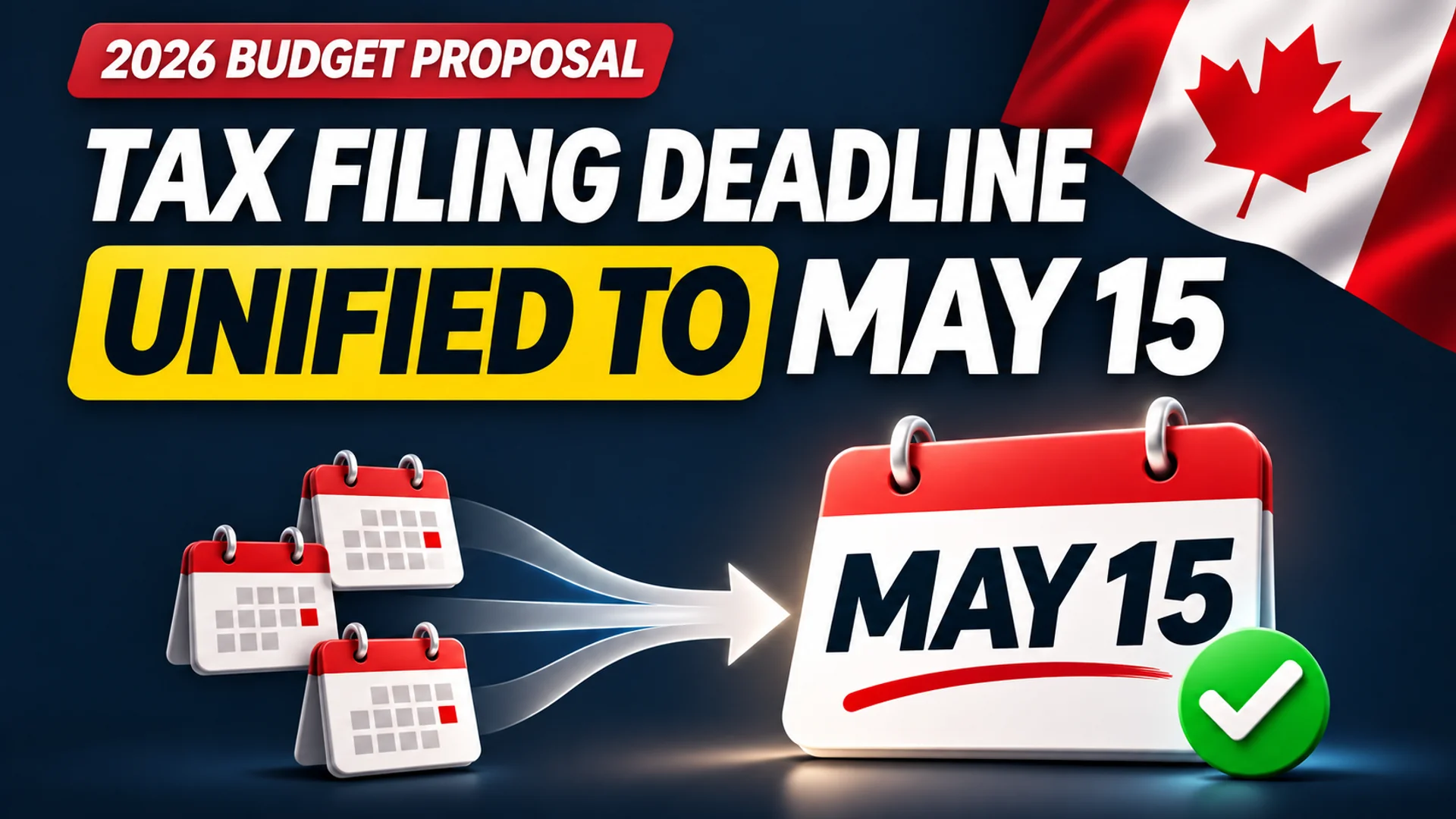
Typically, sole proprietors operating as freelancers in Canada have had to organize their income and expenses by December 31 and complete multiple stages of paperwork before the final filing deadline. According to budget analysis materials published by Jamie-Lee E. Pearson Immel, Sean Grant-Young, Rebecca Adrian, and others at Baker Tilly Canada, the 2026 Federal Budget specifies that for tax years beginning in 2027, the personal income tax filing and payment deadline will be unified to May 15 1.
Unifying deadlines into one significantly reduces administrative risks associated with dispersed dates. Baker Tilly Canada also notes that the budget increases flat penalties for late filings and non-compliance occurring after 2027 by most often two to three times 1. Instead of the previous situation where submitting documents across several dates left room for missing the deadline itself, completing filing and payment according to the single deadline of May 15 eliminates one major cause of penalties. For artists whose work cycles are fluid due to exhibition preparations or performance schedules, having a clearly defined single point for tax filing deadlines provides psychological and administrative breathing room to focus on creation.
Installment Threshold Raised to $7,500; Small Earners May Be Exempt
Freelance earners face potentially high perceived burdens because, in addition to paying income tax, they do not have taxes withheld at source, which can result in large tax payments at once.
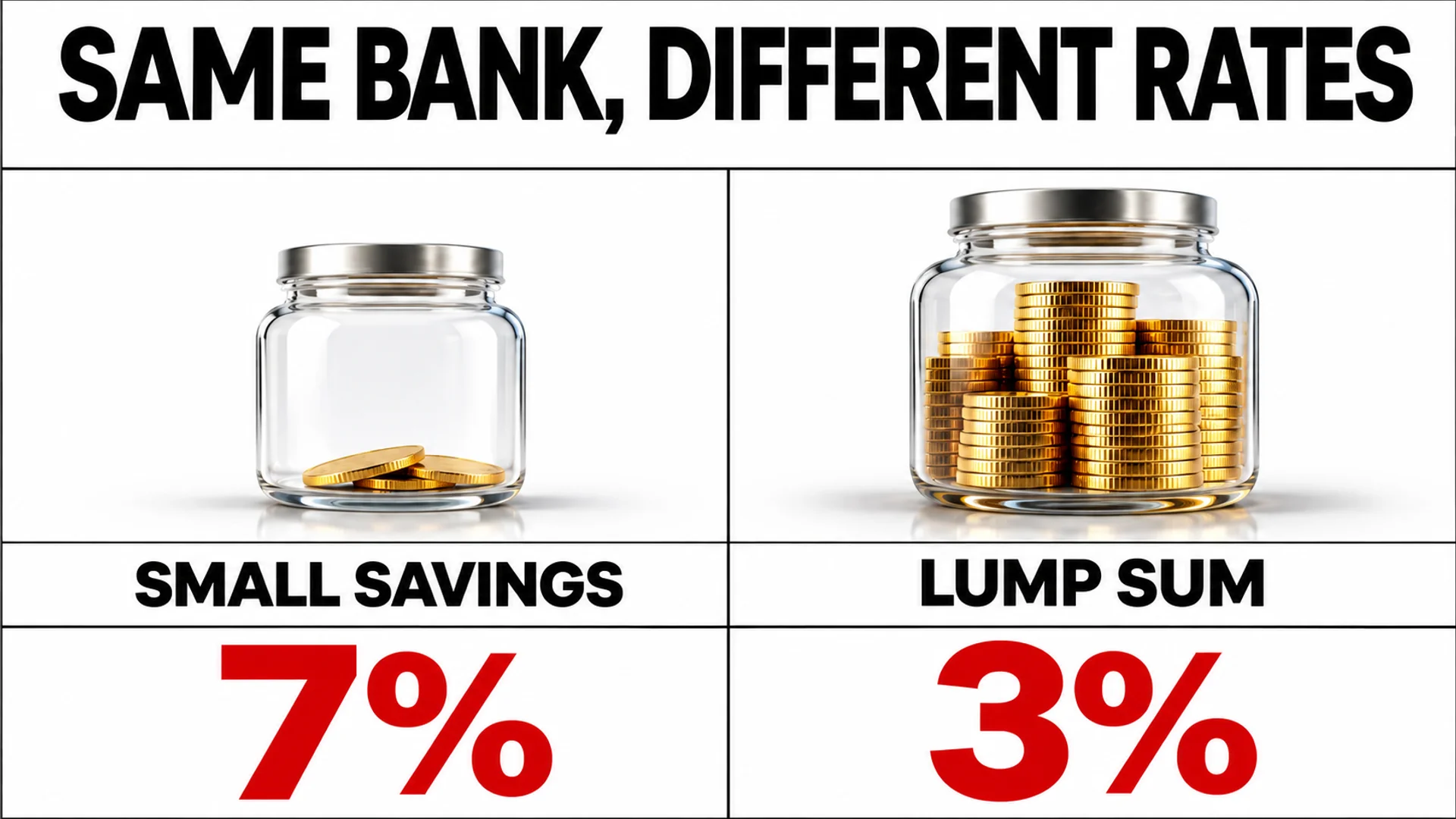
The 2026 Federal Budget raises the threshold for these interim tax payments to $7,500 (indexed to inflation) starting in 2028 1. This mechanism raises the minimum tax payment threshold that triggers installment obligations. To understand how this works through a specific example:
Consider a sole proprietor in Vancouver doing freelance graphic design with an annual income of approximately 7,500, small business owners whose estimated annual tax liability is less than $7,500 are entirely excluded from installment requirements. Exempt from installment obligations, they do not need to calculate and pay taxes every quarter; they simply file and pay once on May 15.
The Actual Status of the Existing 'Self-Employed Artists Deduction'
While this budget simplifies tax procedures, it does not 'create' a new income tax-exemption cap specifically for artists. Canada already has a tax law framework for self-employed artists.
According to the 'Report on Federal Tax Expenditures 2026' published by the Government of Canada Department of Finance, within the Personal Income Tax (PIT) system, there is an item explicitly listed as the 'Deduction for self-employed artists' under the 'Arts and culture' sector as a 'structural' tax benefit 3.
At this point, two distinctions are necessary. First, this item is listed in report tables for the years 2020 through 2027. Thus, it is not a new provision suddenly created by the 2026 Budget, but rather an existing structural institution already situated within the current tax framework. Second, in the structural classification of the tax expenditure report, this item is marked as 'n.a. (no data).' According to the report's criteria, 'n.a.' means 'there is no data to support a meaningful estimate or projection' 3. Therefore, while the existence of the Self-Employed Artists Deduction itself is confirmed, statistical data on how many artists actually utilize this deduction and the approximate amount of tax benefits generated annually is not currently disclosed in numerical form in the Department of Finance report.
Administrative Efficiency Created by Procedural Simplification
If the 2026 Federal Budget is enacted into law and implemented, the most clear-cut tax change felt by Canadian freelance artists will be a significant simplification of administrative procedures. Starting with filings for the 2027 tax year, they can complete filing and payment on May 15 alone, without the pressure of multiple stage deadlines. Additionally, thanks to the raised $7,500 installment threshold starting in 2028, artists with lower income scales will be able to bypass complex quarterly interim payments altogether.
However, as emphasized in the Baker Tilly Canada analysis, the content at the time of the budget submission is a 'proposal' stage that may change until it becomes enacted law 1. Therefore, it is necessary to monitor the process of confirming new tax law provisions and verify any changes. If legislation is passed in line with the institution's intent, general administrative reforms of a 'single filing deadline' and a 'raised installment threshold' will be added atop the existing tax structure of the 'Self-Employed Artists Deduction,' creating an environment where artists can reduce the time spent on paperwork and focus more on creative activities.