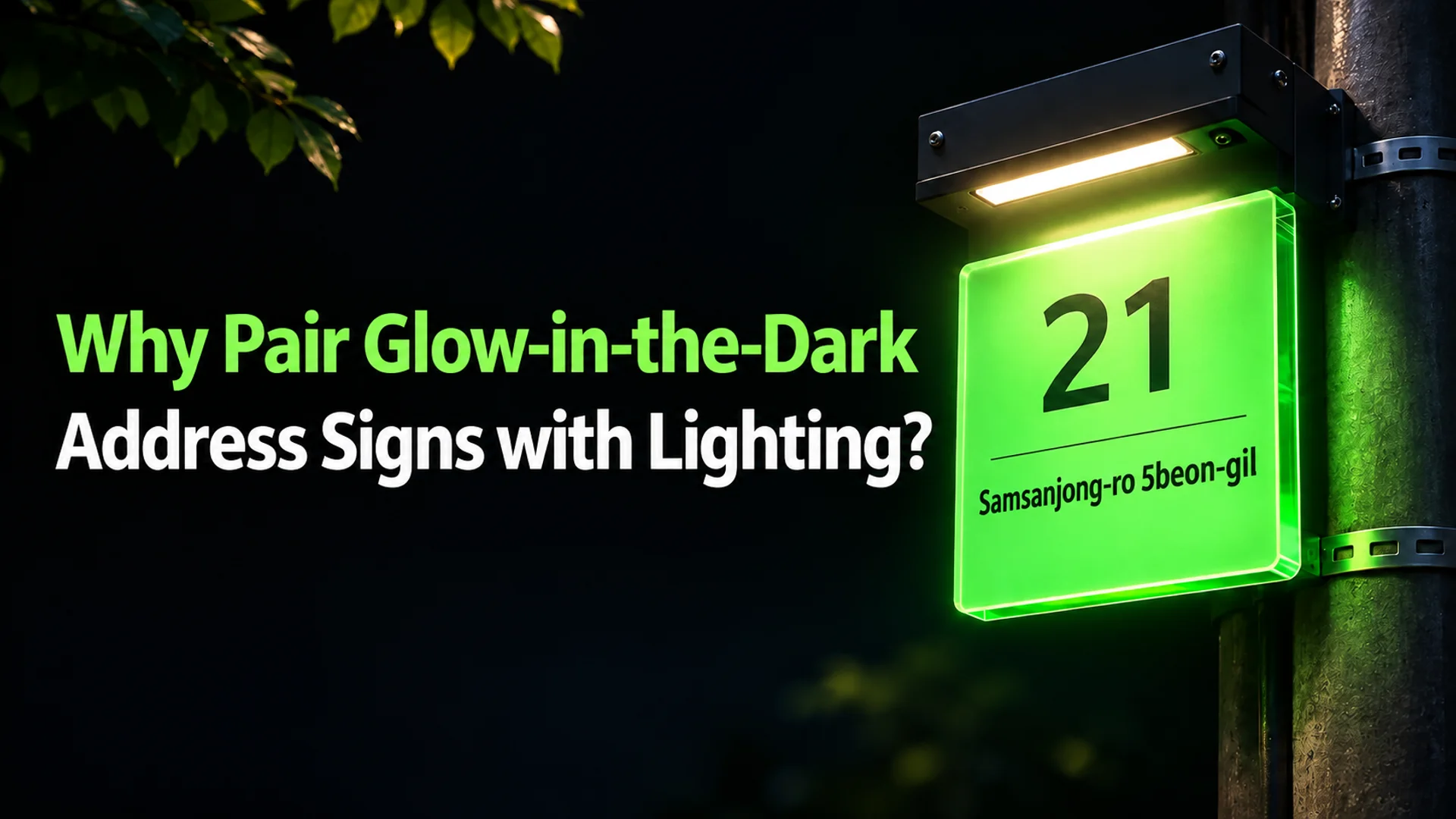
Ulsan Metropolitan City and Ulsan Nambu Police Station introduced luminous building number plates into the environmental improvement project for the “Safe Walk Home” routes in 2025 to address these issues 1. It is noteworthy that these number plates were not installed as standalone safety devices. Following a joint on-site diagnostic survey, the two institutions selected a 3-kilometer section and arranged five types of address guidance facilities—LED street name signs, luminous building number plates, and street name promotional lighting, among others—like a “composite kit” 1. This post explains how a single small number plate contributes to brightening the night path, through its operating principles and actual operational cases.
The Principle of ‘Phosphorescence’: Shining Without Electricity
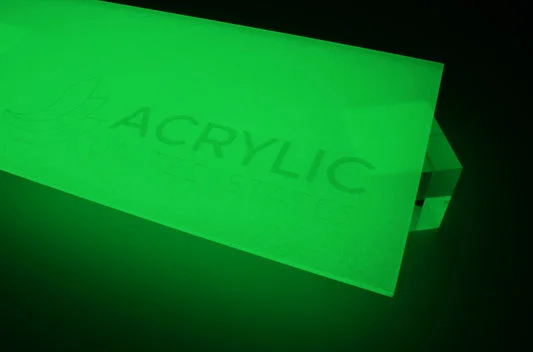
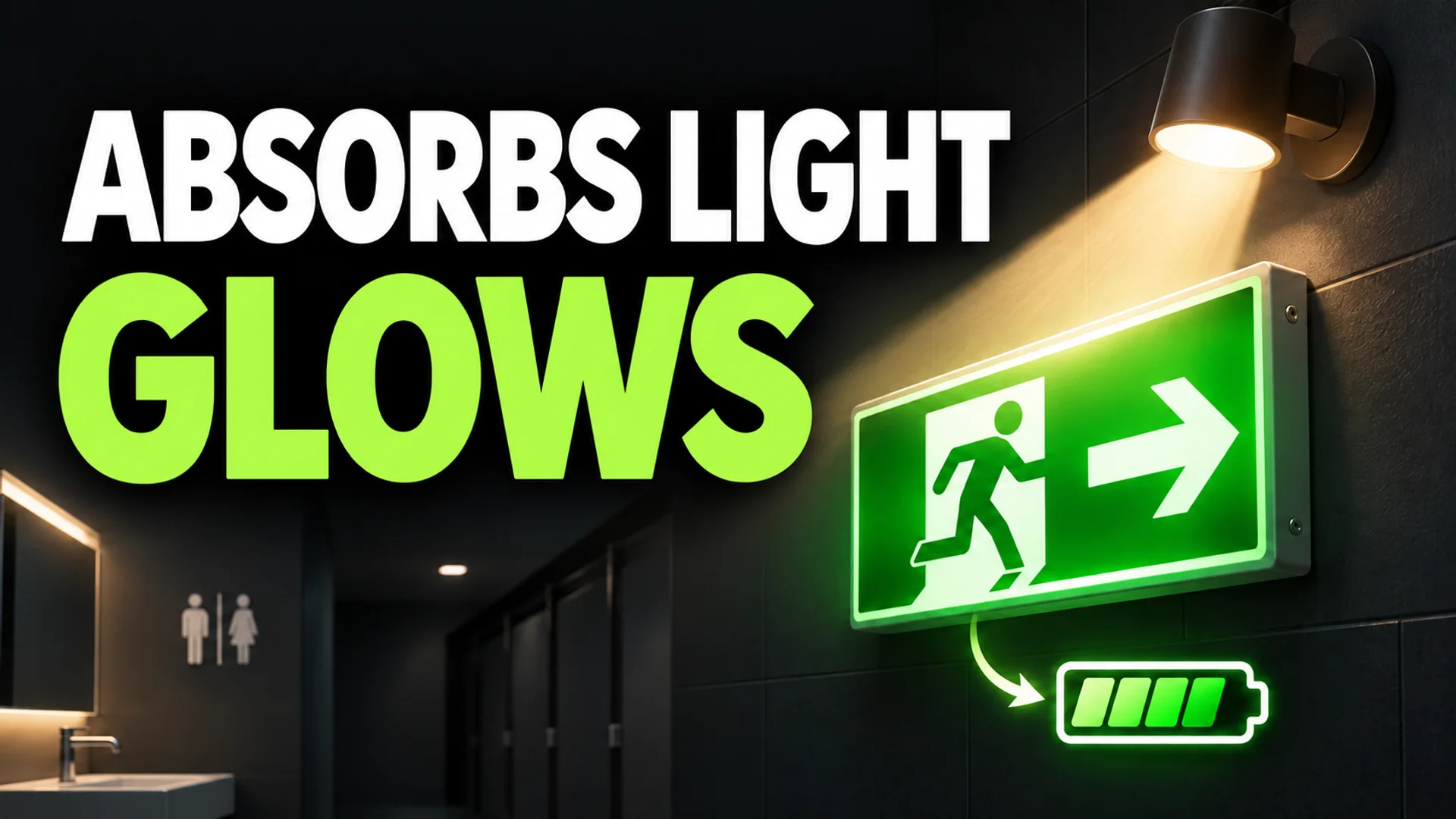
Luminous building number plates emit light day and night without electricity or batteries. The core of this phenomenon lies in a physical process called ‘phosphorescence’ (or phosphorescence/lanlight). As explained by the YouTube channel ‘Subtle Miscellaneous Knowledge,’ the electrons in the atoms composing the luminous material are normally in a low-energy ‘ground state’ 2. When external light energy, such as sunlight or fluorescent lighting, is applied, the electrons absorb energy and move to an ‘excited state.’ Since excited atoms are unstable, they tend to return to the ground state, and in the process, they release the stored energy in the form of light 2.
The decisive characteristic that distinguishes phosphorescent materials from fluorescent materials is the ‘return speed.’ Fluorescent materials immediately return to the ground state once the light source is removed, so they do not emit light in the dark. In contrast, the process of electrons returning to their original state in luminous materials is very slow. If light is ‘charged’ during the day, the electrons slowly return and continue to release energy even in the darkness where light is blocked, making the light appear to remain visible at night 2.
For the actual manufacture of building number plates, ‘phosphorescent sheets’ utilizing this principle are primarily used as materials. According to the product description from the printing specialist ‘Chullyeol Hara,’ phosphorescent sheets absorb and store light from sunlight or fluorescent lamps, and release it when the light is blocked 3. According to the manufacturer, general phosphorescent sheets can maintain luminescence for 1 hour to more than 8 hours, and are described as being manufactured as non-toxic and non-radioactive, thus harmless to humans 3. This vendor data suggests that plates exposed to sufficient light during the day can maintain visibility sufficient to aid in location identification for a considerable portion of the night.
A Composite Safety Network Installed by Bundling Five Facilities
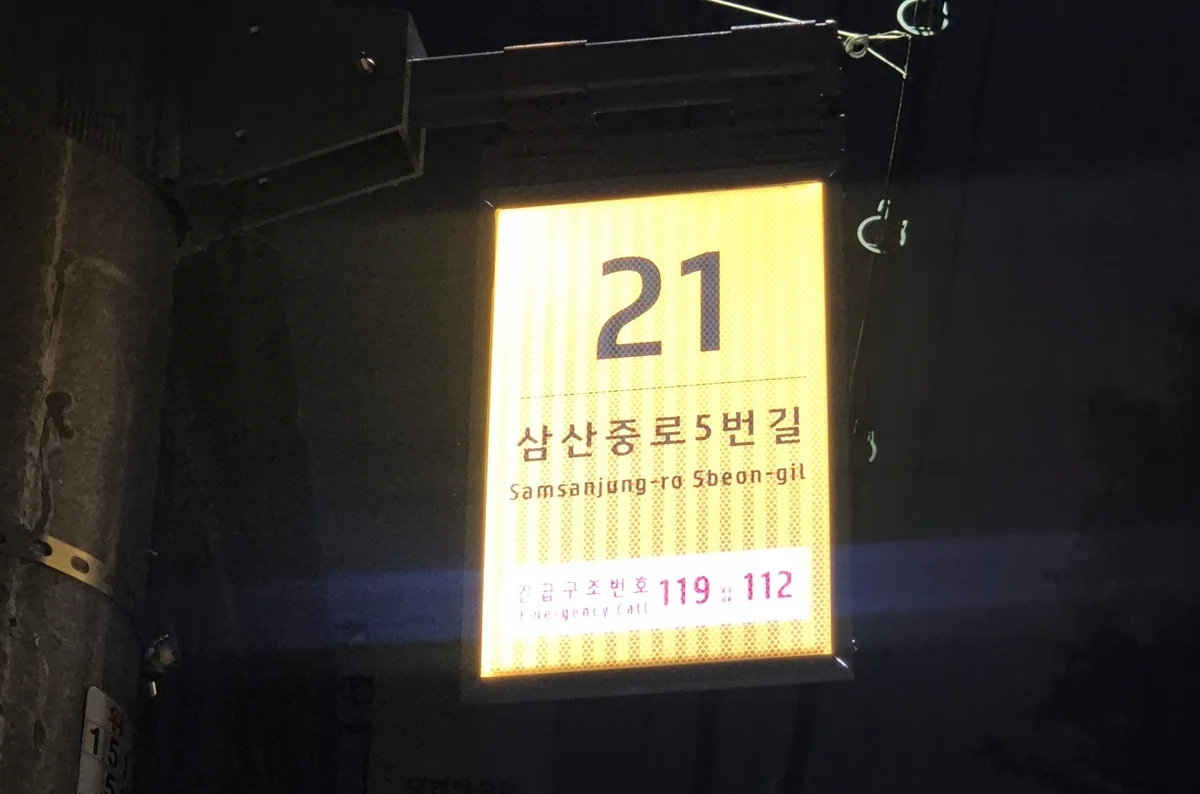
The joint on-site diagnostic survey was a step to finalize the sections for the pilot project 1. Since visibility conditions differ by area, local governments must combine suitable facilities among signs with enhanced reflective functions, directly illuminating LED signs, and luminous plates that shine without power. While luminous plates have the advantage of emitting light even when electrical supply is unnecessary or during power outages, their visibility can vary depending on illumination conditions or exterior wall materials. Therefore, it is common to adopt a design that comprehensively ensures nighttime readability by bundling them with LED lighting and promotional facilities, rather than relying solely on the performance of a single plate.
Ulsan City invested a total project cost of 162 million won in this pilot project, aiming for completion by the end of June 2025 1. The City stated that it ‘expects’ effects such as nighttime crime prevention, improvement of urban landscape, and increased awareness of address information through these facilities 1. The key point here is the use of the word ‘expects.’ Unlike the physically verified fact of the phosphorescence phenomenon itself, whether this leads to an actual reduction in crime rates requires a separate verification process. Ulsan City plans to analyze the results of the pilot project and then expand the application to all “Safe Walk Home” routes within the city annually starting from 2026 1. For reference, a total of 38 locations are currently operating in Ulsan City, combining both “Safe Walk Home” routes and crime prevention enhancement zones 1. The causal relationship of the safety effects is a stage that must be verified through future field evaluations.
Installation Context Varies by Purpose: Ulsan vs. Yeonggwang
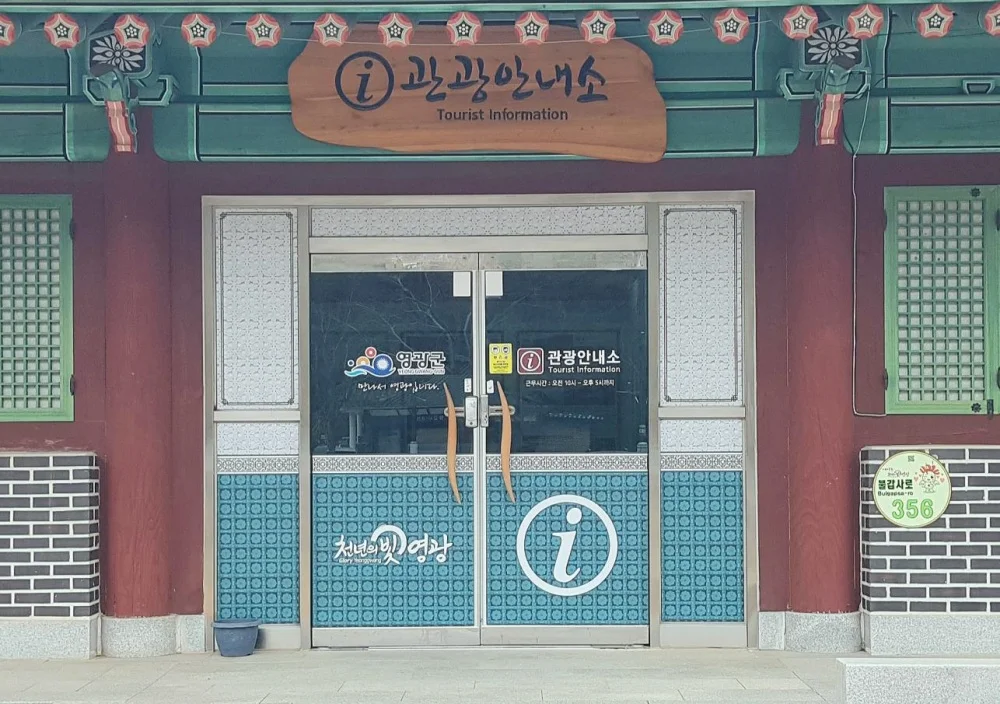
Yeonggwang County applied the ‘Sasanghwa’ (Red Spider Lily) character design to the number plates, providing a unique sightseeing attraction at tourist sites 4.
While Yeonggwang County expected that the luminous material would facilitate faster location identification for nighttime pedestrians and enable quick confirmation during emergencies, the main purpose was improving urban aesthetics and enhancing the convenience of using road name addresses 4. This differs from the installation context of Ulsan City’s project, which focuses on crime prevention. The same luminous material can be part of a safety-focused ‘composite kit’ or used as a tourist guidance facility featuring characters.
Nighttime Location Identification: ‘Readable’ Addresses as the Start of Safety
In this case, if the number plate on the building’s exterior wall is in a luminous state even in the dark, the caller can immediately read and convey the building’s unique number 4, 1. This information can assist police officers or firefighters in identifying the location on site.
Ultimately, luminous building number plates are facilities that slowly release the light absorbed during the day in the darkness, over a period of 1 hour to more than 8 hours, keeping address information readable 2, 3. This is also the reason why Ulsan City, together with the police, diagnosed the sites and arranged five facilities, including luminous plates and LED lighting. The luminous plate is not a tool that directly chases criminals; rather, it functions as part of an ‘address guidance kit’ that enables building identification even at night, thereby increasing the speed of location confirmation. While the effect on nighttime crime prevention will be determined through the analysis of pilot operation results, the role of this small plate in announcing one’s location in the dark is clear.
References
- 울산 여성안심귀갓길에 LED 도로명 조명 설치…심야안전 강화 | 연합뉴스 · yna.co.kr↩
- 야광은 어떻게 어둠 속에서도 빛을 낼까 · youtube.com↩
- 실사출력 | 현수막·배너·시트지·대형 출력물 제작 | 출력하라 · hara789.com↩
- 영광군, 자율형 야광 건물번호판 설치 · newsro.kr↩