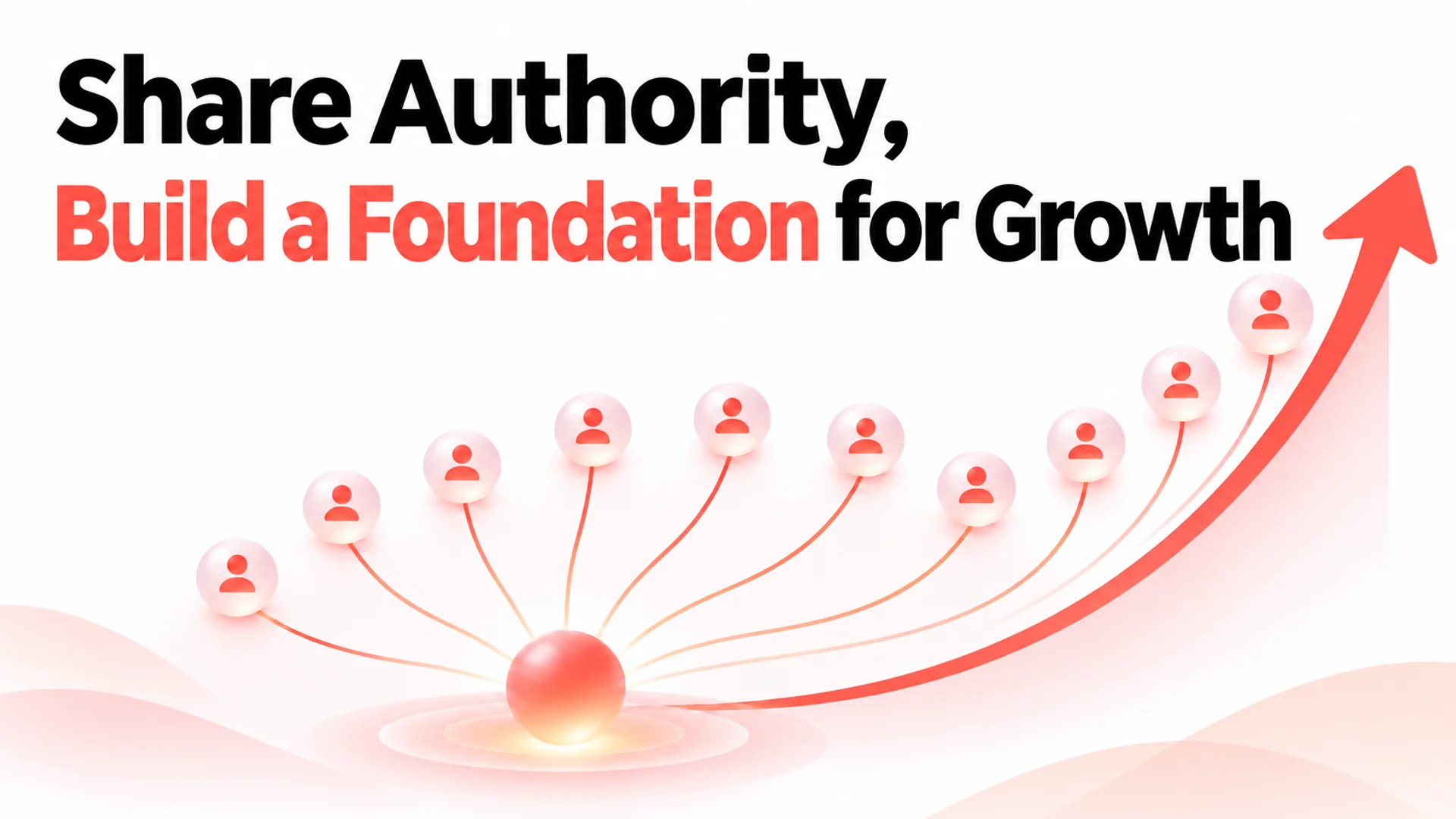
When Craver Corporation is recently described with the label “‘Craver’ Strategy: Four Consecutive Years of 100% Growth,” readers may easily wonder what this specific human resource management technique entails. However, it is first necessary to clarify that ‘Craver’ is not a separate human resources strategy name, but rather the company’s new name adopted in 2022. So, what lay behind this organization’s explosive growth? The core lies in the organizational shift that decentralized the founder-centric decision-making structure to internal leaders. Moving away from the previous method, where founder Lee So-hyung directly led operations, the company delegated authority to ten project leaders. This laid the foundation for simultaneously entering multinational markets. Following this structural change, coinciding with a surge in global demand for K-beauty, revenue skyrocketed, and the employment structure rapidly reorganized to have young talent and women occupy key positions.
What the Founder Learned After Losing 80–90% of Revenue
In an EO Korea interview, Craver Corporation founder Lee So-hyung reflected on the decisive turning point for the organizational transition as follows. He founded the company as BituLink in 2014 and developed a business connecting Korean indie beauty brands with Chinese distribution platforms. The company grew rapidly, surpassing 50 billion KRW in annual revenue. However, it faced the vulnerability of relying on a single Chinese platform for approximately 80–90% of its sales.
During this period, the company received an unexpected notice from an executive of that platform. The executive told the founder, “You are like a first wife. … There are now too many beautiful and fit people around me, so you no longer appear beautiful to me. Therefore, I want to cease doing business with you,” effectively notifying the company of the termination of trade. The shock of losing the company’s primary revenue source overnight was significant. A larger problem arose thereafter. To manage the crisis, the founder had to personally execute three to four rounds of restructuring and received demands stating, “Even if you want to take responsibility, the shareholders require you to stay behind to clean up the mess.”
This experience became the catalyst for the founder to move away from a structure where ‘I am the protagonist leading the company.’ He came to believe that “my role might be to think about how to motivate and provide opportunities to those who excel.” In other words, he decided to shift the organizational culture away from a two-person system where the founder made all decisions, toward a direction that dispersed internal capabilities.
From 10 Projects to 4: The Founder as a Resource Allocator
The organizational transition did not remain a mere slogan. The founder abandoned the previous method of crafting business plans with initial co-founders and dividing tasks among practitioners. Instead, when various proposals emerged within the company, he selected ten project leaders, stating, “If you have influence as a leadership leader, I will enable you to lead this project.”
A crucial aspect here is the change in the founder’s role. He assumed the role of reviewing each leader’s proposal to determine if it aligned with the company’s direction and possessed logical validity, and then allocating resources such as budget and personnel. The ten leaders proposed and led their respective projects, while the founder coordinated these proposals and determined overall resource allocation. This process went beyond simple delegation of authority; it encouraged internal members to identify and execute business opportunities independently.
Over time, these ten projects were narrowed down to four based on logical validity and business suitability. Once the focus was established on four core businesses, the company’s direction became clear, and at this point, the company name was changed to ‘Craver.’ The name change in January 2022 was not a simple brand rename but a turning point closer to what founder Lee So-hyung called a ‘second founding,’ achieved by re-establishing business direction through project decentralization 12.
Results of Organizational Change During the Market Expansion Period
After the name change and adjustment of business focus in 2022, Craver’s revenue increased sharply. According to company information from Saramin, the company, which had revenue of 45.6 billion KRW in 2022, grew more than threefold to 93 billion KRW in 2023 and 303.4 billion KRW in 2024, and was recorded at approximately 678 billion KRW as of January 2025 2.

This rapid growth resulted from the interplay between organizational transition and changes in the market environment. Founder Lee So-hyung analyzes that K-beauty rides a similar ‘J-curve’ growth trajectory in each country. In the early stages, there are few trusted brands, making entry itself advantageous. However, if one misses the segment where demand surges (the initial rise of the J-curve), competition intensifies later, making entry difficult.
Craver’s organizational structure changes contributed to capturing these market trends. As a resource allocator, the founder could simultaneously monitor market conditions in multiple countries, while practitioners could immediately execute marketing and distribution tailored to each country’s characteristics. For example, the case of re-entering the Chinese market illustrates this. The company identified the timing when competitor brands exited China and advertising costs dropped as a structural opportunity, rapidly conducting tests to drive up revenue. This judgment was possible because a human resource structure capable of simultaneous multi-country operations was in place.
Formation of a Youth- and Women-Centric Employment Structure
Growth following the organizational transition also brought significant changes to the employment structure. According to the Ministry of Employment and Labor’s evaluation data for the ‘2026 Republic of Korea Top Job Company,’ Craver’s revenue in 2025 increased by 117% year-on-year, and its average number of employees grew by 60% 3.
Notably, the qualitative composition of its workforce is distinct. The proportion of employees aged 34 or under reaches 81.6% of the total workforce, and the proportion of youth among new hires was high at 83.8%. The female employee ratio is overwhelmingly 75.5%, and the female ratio among position holders in key decision-making lines also exceeded half, at 57.7% 3. The Ministry of Employment and Labor’s evaluation data introduces the expansion of youth and female employment as the company’s employment performance. The causal relationship with the decentralization of project leadership is the interpretation of this article’s author.

Additionally, a flexible work environment was introduced, including flexible working hours, the use of titles such as ‘Nim’ or nicknames, and free usage of annual leave 32. Given the nature of the work requiring project leaders to execute tasks quickly, systems that reduce wait times for approvals and guarantee autonomy appear to have functioned as mechanisms to enhance operational efficiency. Jeon Hang-il, CEO of Craver Corporation, stated, “Global business expansion leads to job creation, creating a virtuous cycle where the growth of excellent talent contributes again to the company’s growth” 3.
Conclusion: Organizational Structure is a ‘Condition’ for Growth, Not a Cause
Ultimately, the substance hidden behind the label ‘Craver Strategy’ was the decentralization of the decision-making structure. The organizational transition, in which the founder stepped back from being the ‘protagonist’ to a ‘resource allocator’ and entrusted projects to ten leaders, created the human foundation necessary to operate multi-country markets simultaneously.
However, the direct cause of revenue surging more than 14-fold from 45.6 billion KRW in 2022 to approximately 678 billion KRW in 2025 is not the organizational restructuring itself, but rather closer to the market timing of entering the ‘initial rise of the J-curve’ just as global demand for K-beauty exploded. The organizational transition was, in essence, an essential precondition that enabled the company to operate effectively without missing this massive market trend. The implication of this case is not that introducing a specific human resource system automatically increases revenue, but that a company must proactively establish a flexible decision-making structure and workforce composition capable of handling a major market trend when it arrives.