First Confirm Underlying Medical Conditions Before Choosing Nutritional Supplements

In senior dogs, reduced palatability of food usually results from physical or cognitive changes rather than mere pickiness. Therefore, identifying the underlying cause through a veterinary examination is important before administering nutritional supplements. According to PetMD, appetite suppression can stem from various medical issues such as dental disease, undiagnosed pain, stress, and cognitive dysfunction, with identifying the root cause being the first step toward restoring appetite1.
Information from Australia’s Elgar Road Veterinary Hospital also lists decreased appetite and poor responsiveness to food presentation among the key behavioral changes associated with Canine Cognitive Dysfunction Syndrome (CDS). As dogs age, oxidative damage and reduced blood flow in the brain can lead to cognitive decline; studies suggest that about half of dogs aged 8 and older may show signs of cognitive impairment2. Additionally, other underlying conditions such as arthritis or kidney disease may overlap with appetite loss. Rather than changing only the method of nutrient delivery, it is essential to first rule out underlying diseases through a veterinary exam12.
Nutritional Basis for Recommending Hydrolyzed Proteins (Peptides)?
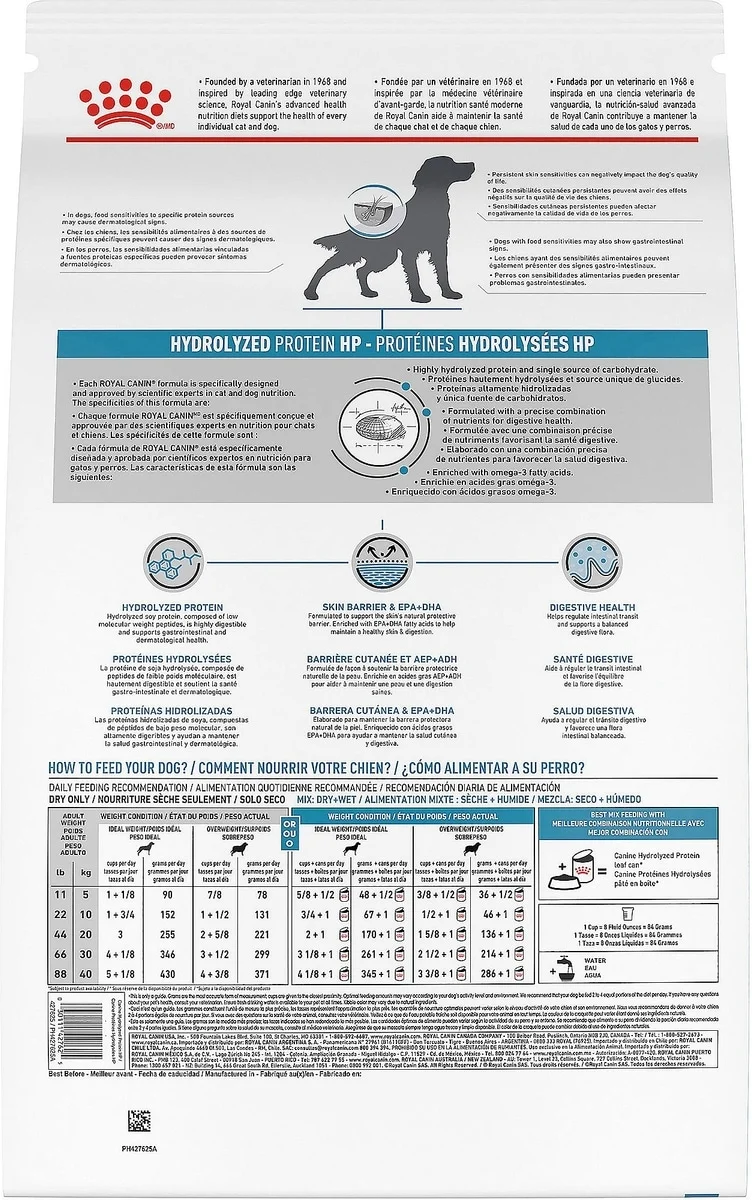
Once underlying disease issues have been addressed, the focus shifts to how to supply nutrients in alignment with the physical changes of aging. As pets age, their metabolism and nutrient absorption capabilities naturally decline3. Pet food market analysis reports state that for senior dogs at risk of age-associated muscle mass loss (sarcopenia), feeding 'hydrolyzed proteins' that are highly digestible, or proteins with high biological value, is recommended3.
Hydrolyzed proteins are high-molecular-weight proteins broken down into smaller units (peptides) through enzymatic or chemical reactions. In principle, this reduces the time required for digestion and the burden on digestive enzymes. 3 recommends feeding hydrolyzed proteins that are easily digested and absorbed when nutritional absorption capabilities decline with age. By choosing forms with simplified digestion processes, one can alleviate the burden of nutrient delivery3.
Beware of Terminology Confusion: 'Nutrient Peptides' vs. 'Drug Peptides'
![Beware of Terminology Confusion: 'Nutrient Peptides' vs. 'Drug Peptides']](https://static.klipy.com/ii/ce286d05b8e1a47cd4f32b0e1b6dec0e/b5/f8/HFd0DIBd.jpg)
Care is required because the term 'peptide' is used in various contexts during research, which can cause confusion. The Merck Veterinary Manual notes that 'peptides' in animal drugs may refer to endocrine signaling molecules rather than nutrient forms. For example, the weight-loss drug Dirlotapide is observed to reduce fat absorption in the gut and send satiety signals; it is suggested that an appetite-suppression mechanism involving increased secretion of body peptide YY may play a role4. However, this mechanism has not yet been fully elucidated.
However, the 'low-molecular-weight peptides' in hydrolyzed protein additives that owners mix into senior dogs’ food are not designed to regulate appetite by sending signals to the brain like the aforementioned drugs. Instead, they are nutrient sources intended to simplify the digestion and absorption process in the gastrointestinal tract and prevent nutrient deficiency. Therefore, while 'peptide YY' may be a signal that reduces appetite, hydrolyzed protein supplements are 'substances that supply nutrients by relieving digestive burden.' It is essential to differentiate ingredients and intended purposes based on ingredient lists4.
Quantitative Absorption Improvement and Weight Maintenance Effects
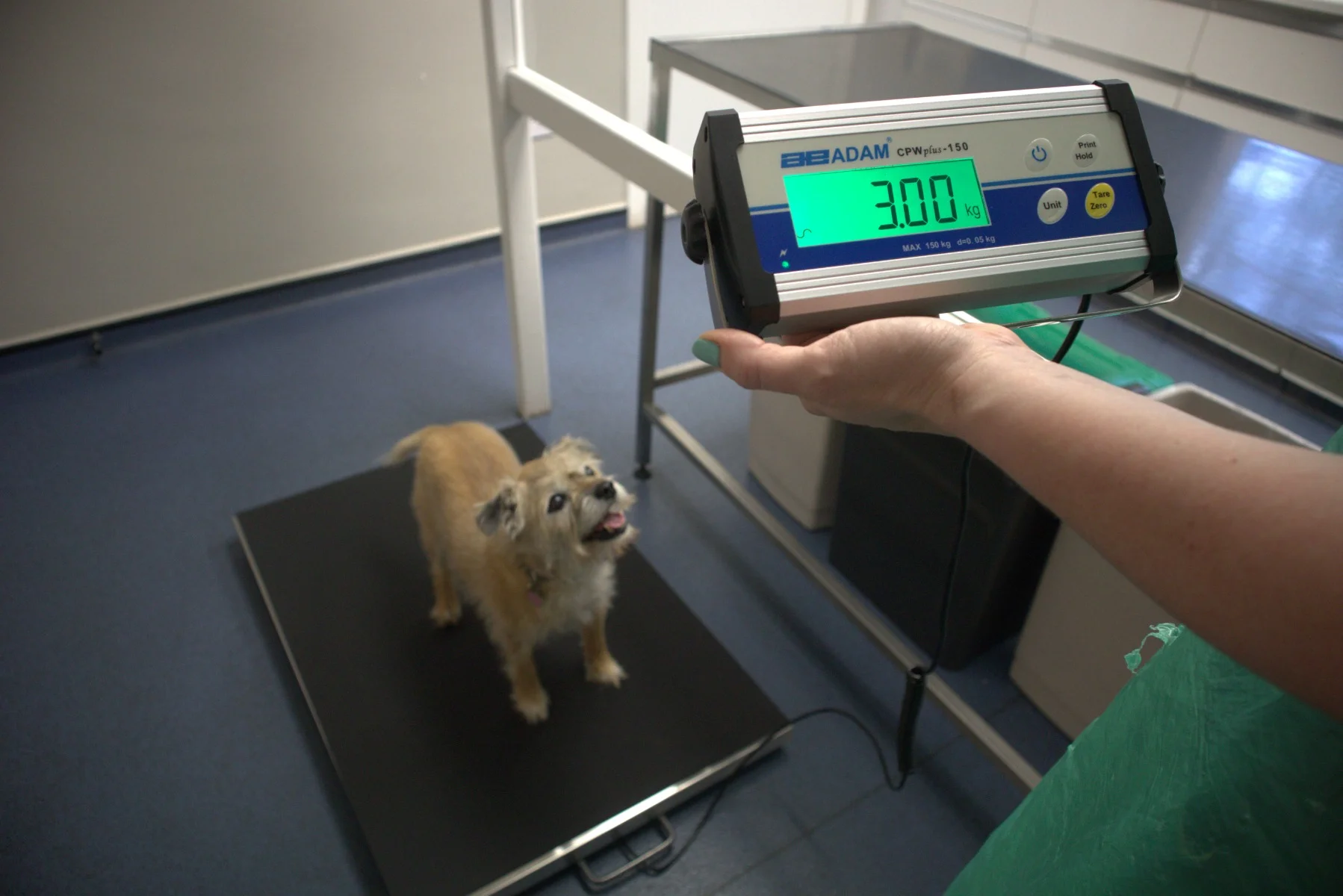
Regarding the central question of whether weight maintenance and absorption rates actually improve, we can provide the following answer within the scope of currently available data. While the physiological premise that peptide forms require less digestion is confirmed, the provided sources 1, 3, 2, and 4 do not contain independent controlled clinical data quantitatively comparing groups receiving peptide additives versus standard protein diets in senior dogs for absorption rates or weight maintenance outcomes.
In other words, the nutritional logic that "an easily digestible form (hydrolyzed protein) is advantageous for nutrient absorption" is valid3. However, current data are insufficient to confirm this translates into concrete figures (e.g., "improved by X percent") or universal therapeutic effects that reverse reduced palatability and weight loss. Actual absorption patterns vary depending on the individual dog’s digestive capacity and disease state.
Practical Palatability Strategies Before Trying Supplements
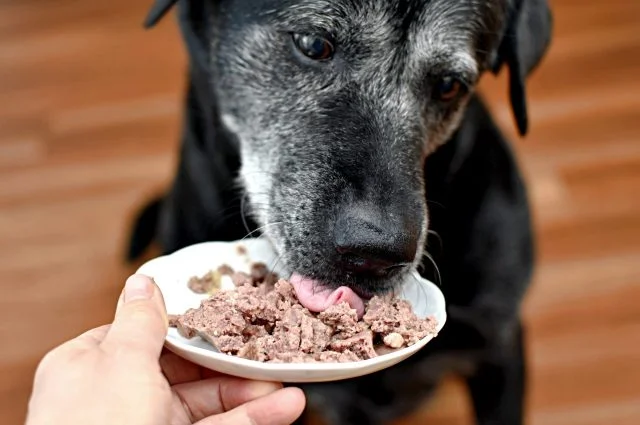
Before considering peptide supplements for weight maintenance and nutrient intake, you can first try practical dietary strategies suggested by veterinarian Sarah Wooten of PetMD. Encouraging food intake itself may take priority over changing the nutrient itself.
- Change Food Form and Temperature: Switching from dry kibble to canned food, which has higher moisture content and stronger aroma, helps stimulate appetite1. Additionally, lightly heating food in a microwave intensifies the smell. However, be cautious of uneven internal temperature or overheating when using a microwave; heat in short intervals and check the temperature by hand before serving1.
- Topping and Hand-Feeding: It is recommended to encourage eating by mixing in small amounts of boiled chicken that has been skinless, boneless, and free of seasonings or spices, or by hand-feeding the food1.
In these cases, the prescription of appetite-stimulating drugs such as mirtazapine or capromorelin may be discussed14. Mirtazapine utilizes the appetite-increasing mechanism discovered as a side effect of an antidepressant, while capromorelin is a ghrelin receptor agonist that induces hunger1. Drugs stimulate appetite, but their role is distinct from nutritional supplements designed to improve the digestibility of nutrient absorption.
In summary, in the nutritional approach to weight maintenance in senior dogs, hydrolyzed proteins (peptide forms) are recognized as a useful principle-based alternative to supplement deficiencies caused by difficult-to-digest nutrients3. However, numerical data independently verifying that this improves absorption rates and maintains weight have not yet been confirmed. Therefore, based on currently available evidence, the most realistic response is to first attempt adjusting food form and temperature1 after testing for underlying diseases, and then to utilize peptide supplements supplementally from a nutritional perspective of easing digestive burden.
References
- Appetite Stimulants for Dogs | PetMD · petmd.com↩
- Senility in Dogs and Cats - Elgar Road Veterinary Hospital · elgarvet.com.au↩
- 100세 시대 반려동물, 펫푸드 시장의 성장 속 '맞춤 영양'의 중요성 분석 · lifestories.kr↩
- Drugs That Affect Appetite in Monogastric Animals - Pharmacology - Merck Veterinary Manual · merckvetmanual.com↩