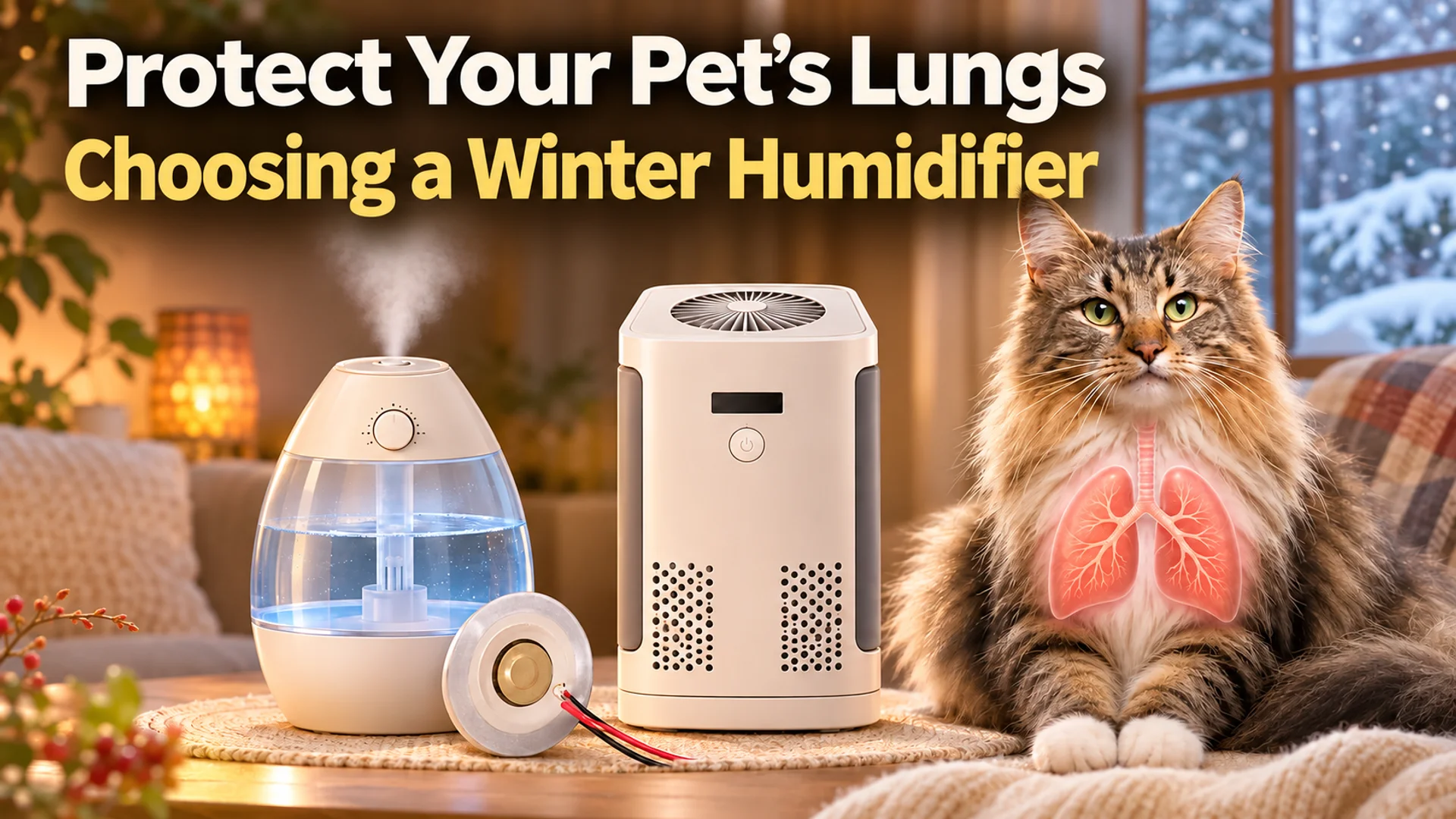
Indoor heating in winter can cause dryness for pets, potentially impairing the protective function of their respiratory mucosa. Turning on a humidifier to address this issue can instead create a trap by sharply increasing the concentration of fine particulate matter (PM2.5) in indoor air.
When indoor air becomes dry, damage to the respiratory mucosa applies equally to pets. The reason maintaining optimal humidity (40–60%) is essential is clear: when humidity drops below 40%, the defensive functions of the respiratory mucosa are compromised 1, 2. However, depending on which type of humidifier technology is used and what kind of water is poured into it, a pet’s respiratory system may either receive clear moisture or inhale fine mineral dust. If a pet coughs or breathes rapidly after a humidifier is turned on, you should first suspect elevated indoor PM2.5 concentrations.
How Ultrasonic Humidifiers Create PM2.5
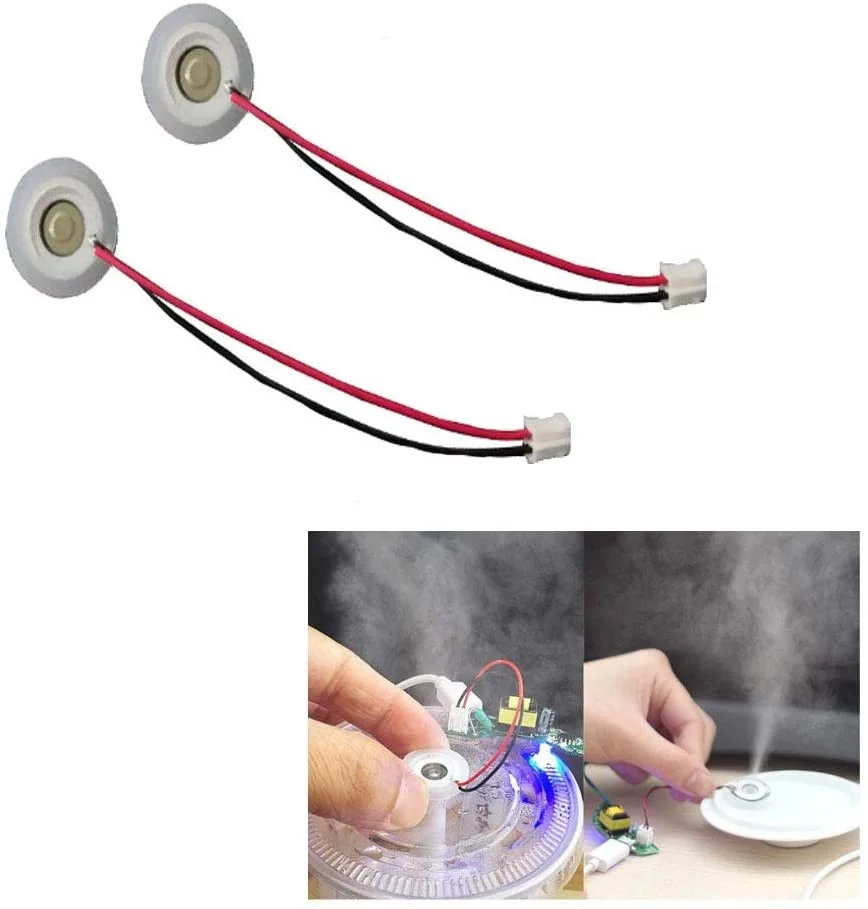
The main culprit behind rising indoor PM2.5 concentrations lies in the operational principle of ultrasonic humidifiers themselves. Ultrasonic humidifiers use a piezoelectric transducer attached to the water surface, which vibrates at ultrasonic frequencies to break water into fine droplets that are then sprayed into the air 3, 4.
At this stage, minerals and impurities dissolved in the water, such as calcium, magnesium, and sulfates (SO4²⁻), are discharged directly into indoor air along with the droplets 3, 4. While the moisture in the dispersed droplets evaporates quickly, the mineral components from tap water remain airborne as extremely fine residual particles even after the water has dried. This is the primary cause of rising indoor PM2.5 levels, known as 'White Dust' 3, 4.
This white dust emitted from humidifiers is difficult to identify with the naked eye but is clearly reflected in monitor readings. According to a 2020 study by the Department of Chemistry at the University of Alberta, PM2.5 generated in an upstairs bedroom where a humidifier was placed spread throughout the entire house via indoor air circulation, rather than being confined to a single floor 3. Since pets’ living environments inevitably overlap with their owners’ living spaces, simply placing the humidifier in a corner of the living room is insufficient to avoid the risk.
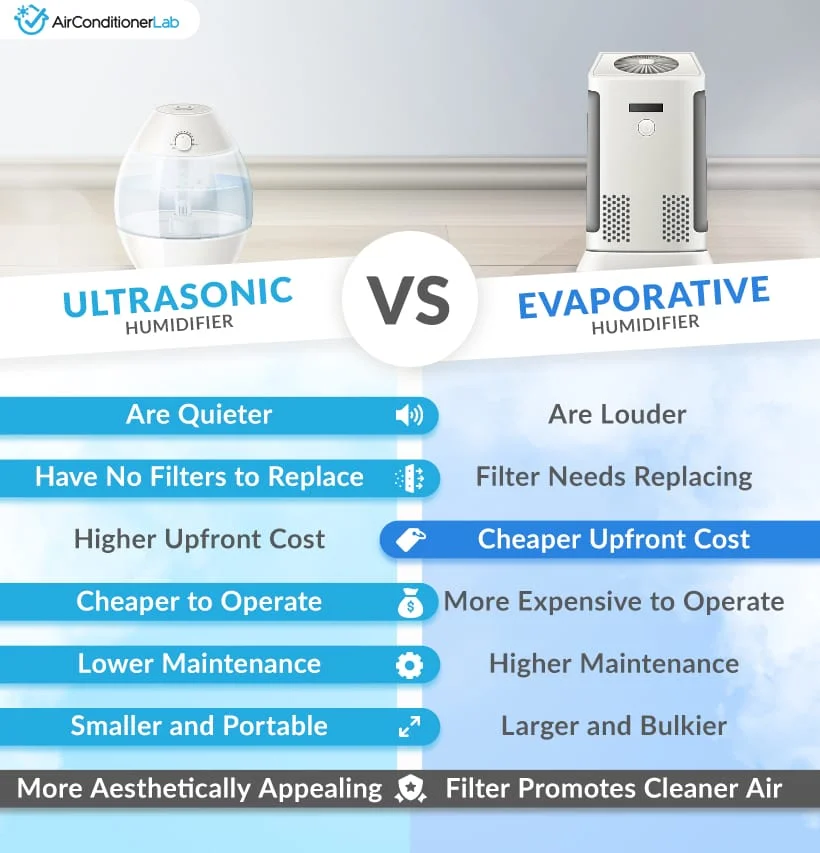
| Humidifier Type | Mineral Handling and PM2.5 Impact | Characteristics |
|---|---|---|
| Ultrasonic | Minerals in water are sprayed along with droplets, sharply increasing indoor PM2.5 | Affects air quality throughout the entire home, making it impossible to gauge its impact location 3, 4 |
| Evaporative | Minerals remain on the wick filter, and only moisture evaporates, so there is no increase in PM2.5 | Evaluated as the safest method regardless of mineral concentration 4 |
A Korean academic study (PMC 7699925) empirically demonstrated that using tap water in ultrasonic humidifiers can raise indoor PM2.5 concentrations to 16–350 ㎍/m³ 4. In particular, the higher the water’s mineral content (TDS), the proportionally greater the amount generated 4. Although these mineral particles are common components of drinking water, when broken into fine particles by ultrasonics, they incapacitate the upper respiratory tract’s defense mechanisms 3.
Why Pets Are More Vulnerable to Indoor Pollutants
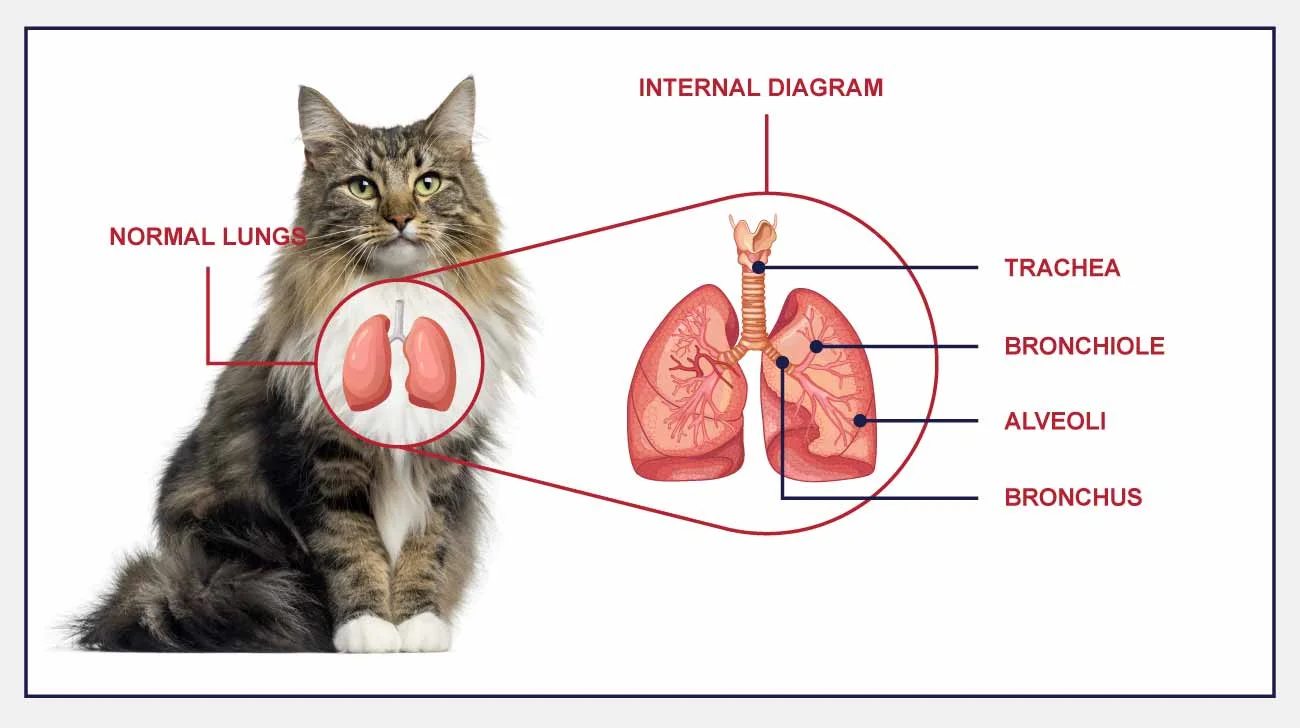
The penetration of fine particles deep into the respiratory tract is deadly for both humans and pets. PM2.5 that passes through the upper airways reaches the bronchioles and alveoli, directly stimulating and damaging respiratory epithelial cells or triggering immune responses 5, 4.
This danger is clearly revealed in clinical cases involving humans. According to a paper reported in Pediatrics in 2011, an infant suffered from pneumonia and irreversible obstructive ventilatory impairment due to mineral dust generated by an ultrasonic humidifier 5, 4. This issue acts even more sharply on pets, particularly small dogs and cats, which share similar physiological conditions to human infants and toddlers.
Pets have much higher respiratory rates than humans and lower body weights, meaning they are exposed to a greater amount of pollutants per unit of body weight under the same indoor air pollution conditions 4. Due to these physiological characteristics, degradation of indoor air quality becomes a significant cause of respiratory diseases in pets or the worsening of existing conditions 4.
In the case of cats, the asthma prevalence rate is known to reach 1–5% 4. Not only does a dry indoor environment act as an aggravating factor for asthma, but contaminated mist generated by ultrasonic humidifiers can also serve as a direct aggravating factor 4. Therefore, when using humidifiers in winter, it is necessary to adopt an objective perspective that judges the size and concentration of particulate matter inhaled into pets' bodies, rather than relying on the 'humidity' felt by owners.
Humidifier Settings to Avoid Sharp Increases in Indoor PM2.5
Maintaining optimal indoor humidity (40–60%) and temperature (20–22℃) is essential for pets' respiratory health 1, 2, 6. If humidity exceeds 60–70%, the risk of house dust mite and mold proliferation increases, so careful adjustment is required rather than simply increasing humidifier usage 1, 2, 6.
When using a heater and humidifier simultaneously in winter, the following practical tips can be applied to prevent PM2.5 increases.
1. Prioritize Choosing an Evaporative Humidifier
The most fundamental and certain solution is to change the humidifier’s operating method. Evaporative humidifiers draw in water via a wick filter and fan, evaporating only the moisture 4. This method prevents increases in indoor PM2.5 concentrations because mineral components in the water, such as calcium and magnesium, remain in the filter 4. Even if minerals accumulate inside the humidifier causing discoloration of the filter, this is not a cause of respiratory disease, and thus this method is evaluated as the safest for pets' respiratory health 4.
2. Mandatory Use of Demineralized Water with Ultrasonic Models
If environmental reasons necessitate the use of an ultrasonic humidifier, tap water use must be discontinued. Demineralized water or distilled water must be poured in 5, 4. When using ultra-pure water or distilled water, there are almost no minerals in the water, so particle generation is expected to decrease by approximately 82–90% or more since no particles are produced after ultrasonic spraying 5.
3. Adjust Humidifier Location and Block Bacterial Growth
Even when using demineralized water free of mineral particles, the interior of the humidifier can become a breeding ground for bacteria or mold 5. To prevent this, the water tank must be emptied and cleaned daily 5, 4. Additionally, if the humidifier nozzle is placed close to the floor, pets can directly inhale the droplets, so the humidifier should be positioned more than 1m above the floor 4.
Chemical Additives That Must Be Excluded
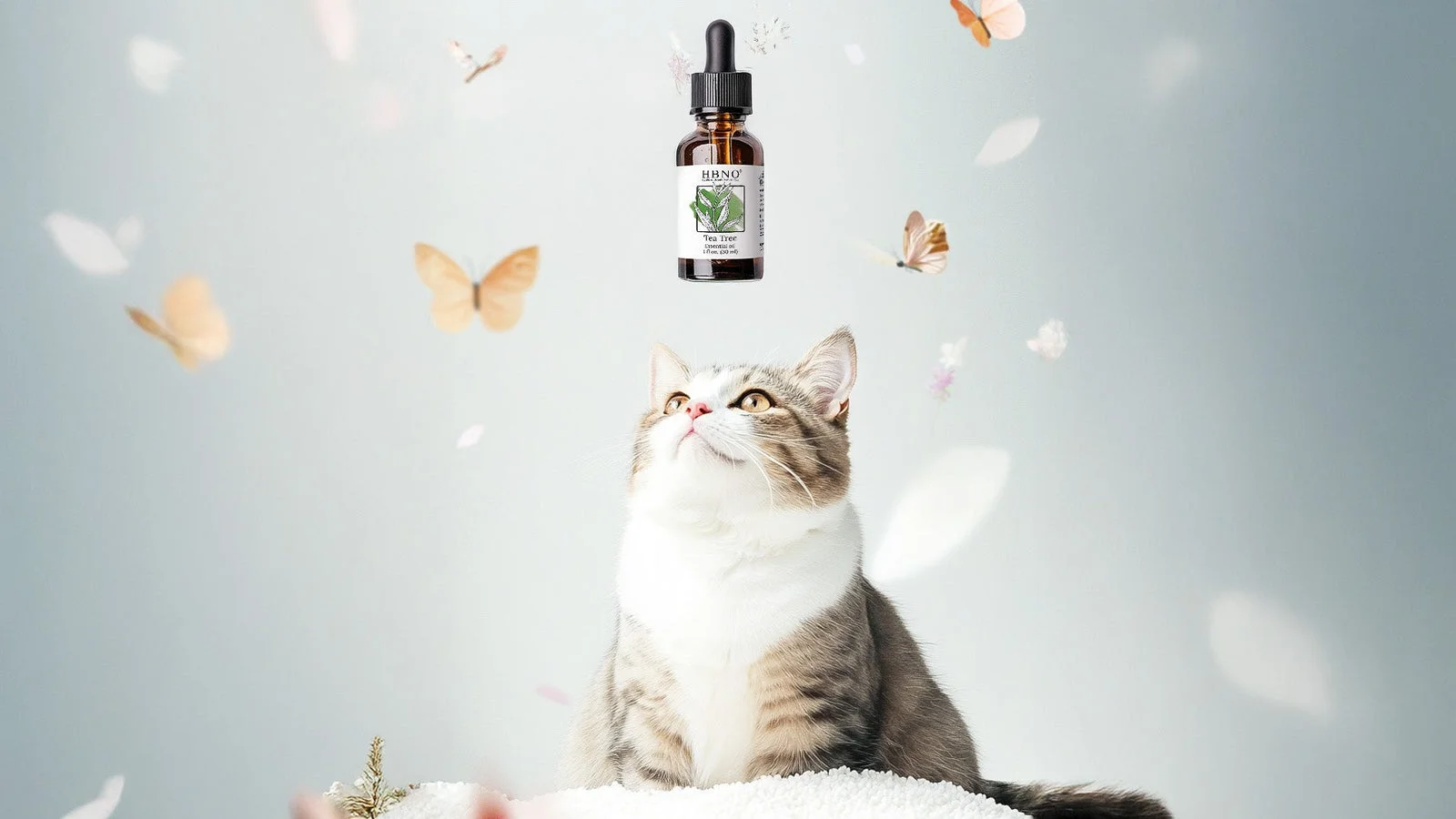
When using humidifiers in winter, there are factors that can cause immediate toxicity to pets more so than mineral mist. These are chemical additives inside humidifiers.
Substances such as PHMG, which were the culprits in the humidifier disinfectant incident that shocked Korean society, are also fatal to pets 4. Additionally, the habit of mixing essential oils into humidifier water for fragrance and humidity control becomes a problem. Essential oils can pose serious poisoning risks to pets, especially cats 5, 4.
Cats lack enzymes in the liver responsible for detoxifying specific substances. Therefore, adding essential oils such as tea tree or eucalyptus to humidifier mist can lead to the accumulation of toxic substances in the body 4. Oils added to humidifiers act as toxins to the respiratory system and liver metabolism regardless of pets' preferences, and thus should not be used 5, 4.
Ventilation Strategies for Winter Indoor Air Quality Management
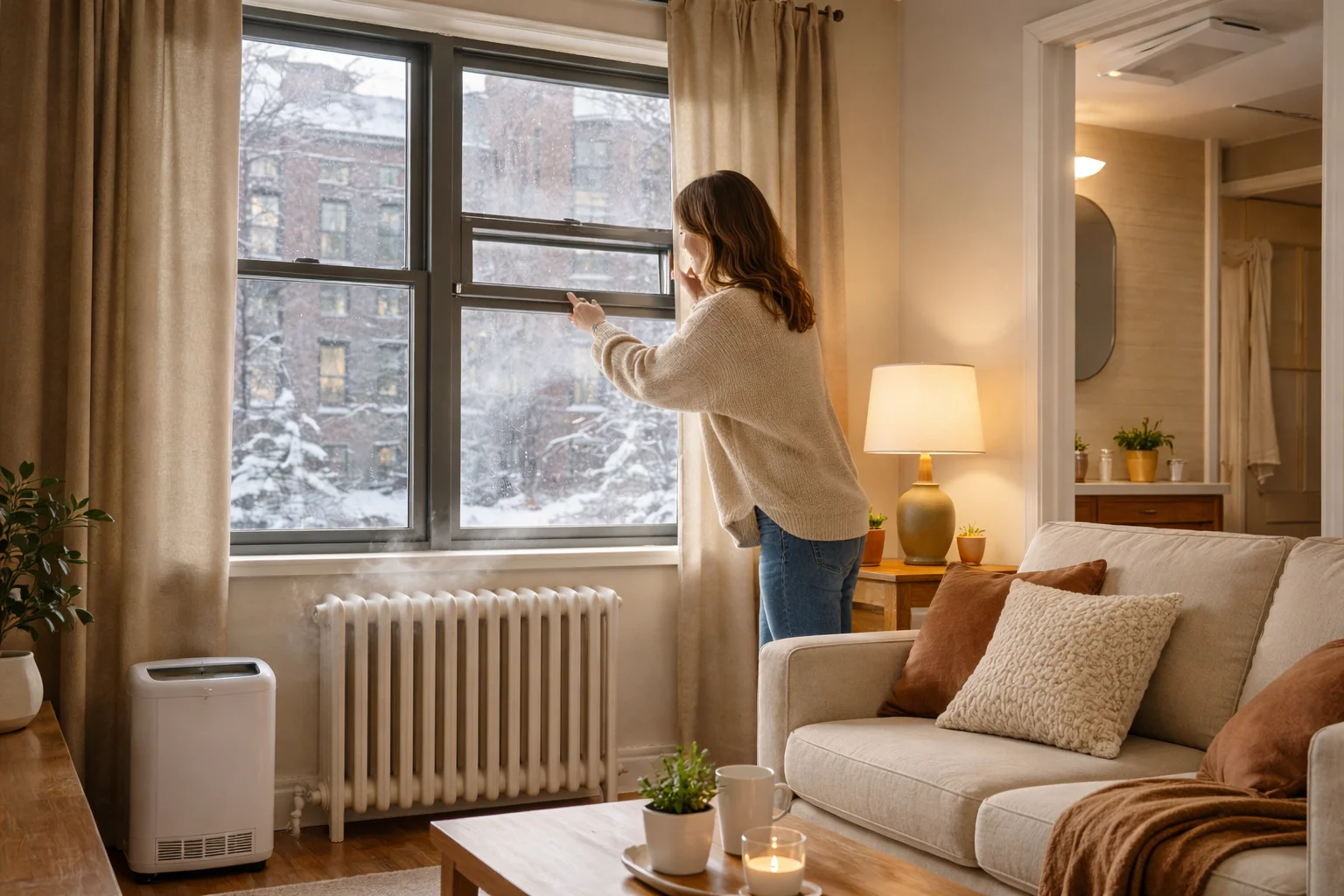
Beyond blocking the causes of fine particle increases, maintaining a sealed indoor environment requires a systematic ventilation strategy.
Keeping windows closed for long periods due to winter cold does not maintain respiratory health. Fine dust brought in on winter clothing or external pollutants accumulate in the sealed indoor space 2. Since dust accumulated indoors reduces respiratory defense capabilities, regular ventilation of at least 10 minutes in the morning and evening must accompany daily life 2.
At this time, care must be taken to ensure that cold drafts entering through window gaps do not directly hit pets 6. Establish a sleeping area with a blanket in a location not exposed to drafts from windows or entryways, and alternately regulate humidifier operation, air purifier use, and ventilation 2, 6.
If a pet already has a respiratory disease, avoiding sudden temperature changes is also a core aspect of winter indoor management 6. Maintain a temperature of 20–22℃ while avoiding the burn risk from heating appliances, and provide careful consideration by placing cushions so that pets do not come into direct contact with cold floors during ventilation times 6.
Winter humidifiers are powerful tools for preventing respiratory mucosal damage caused by dry air. However, operating them without understanding the function and principles of the machine itself can lead to counterproductive effects such as a sharp increase in PM2.5. Using an evaporative humidifier, or filling an ultrasonic humidifier with distilled water instead of tap water, and never adding essential oils or disinfectants—adhering to these three principles ensures that pets' respiratory systems can be fully protected from the threats of mineral dust and toxic substances.
References
- 가습기 추천 구매가이드! 가습기 종류 별 특징, 청소, 효과 총정리 (2025) · ajd.co.kr↩
- 이대목동병원 · mokdong.eumc.ac.kr↩
- Using tap water in an ultrasonic humidifier may be polluting your air, study shows | Faculty of Science · ualberta.ca↩
- 초음파 가습기 PM2.5·반려동물 호흡기 학술 진실 · newscnd.com↩
- The case against ultrasonic humidifiers · dynomight.net↩
- 겨울철 반려동물 건강관리, 실내 20~22도·짧은 산책·발바닥 관리부터 챙기세요 · devign.kr↩