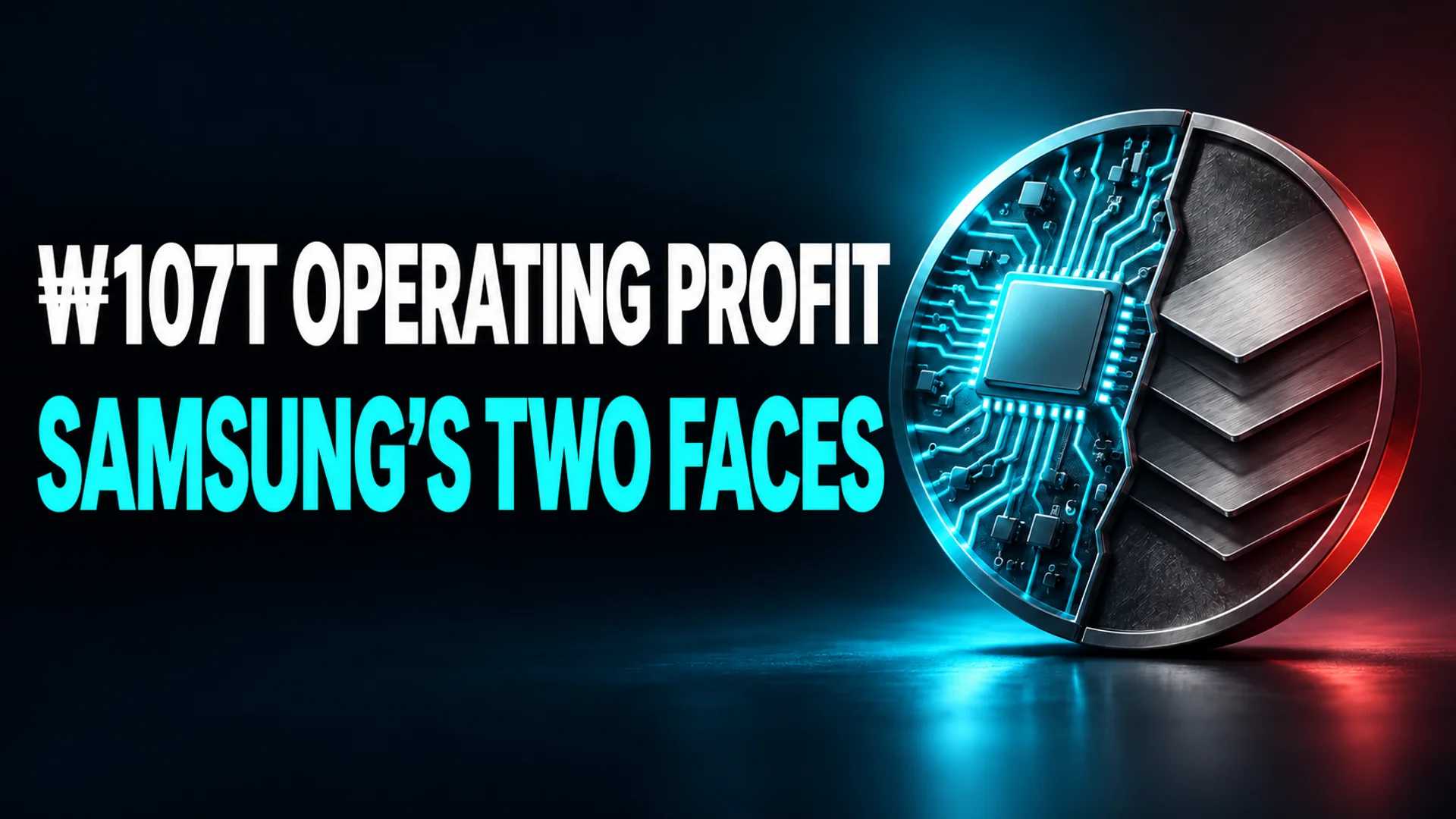
On October 30, 2026, ahead of its 57th founding anniversary, Samsung Electronics issued commemorative messages from Vice Chairman Jun Young-hyun, head of the Device Solutions (DS) Division, and President Roh Tae-moon, head of the Device eXperience (DX) Division. Although the company recorded record-high earnings in the third quarter, performance divergence between the semiconductor and finished-products divisions intensified, prompting the two division heads to respectively urge "humility amid a boom" and "securing cost competitiveness." This message can be interpreted as a signal foreshadowing specific changes in behavior required by investors and partners at a time when the semiconductor boom continues, going beyond a mere internal warning.
Two Warnings Emerge Amid Performance Divergence
Samsung Electronics achieved its highest-ever results for the third quarter of 2026, recording consolidated revenue of 195.3 trillion won and operating profit of 107.4 trillion won12. In particular, the DS (semiconductor) division recorded operating profit of 106.5 trillion won, accounting for the majority of company-wide profits, driven by expanding demand for HBM4 and server memory. Conversely, the DX division, responsible for smartphones, TVs, and home appliances, posted an operating loss of 800 billion won due to rising component costs and logistical burdens, extending losses for the second consecutive quarter312.
Regarding this divergent performance across business divisions, Vice Chairman Jun warned that one must not become complacent, stating, "Today’s boom does not guarantee tomorrow’s competitiveness"34. President Roh also presented securing cost competitiveness through proactive supply chain management as the top priority task to overcome deteriorating profitability in the DX division34.
Signals "Humility Amid a Boom" Sends to Investors
The "humility amid a boom" emphasized by Vice Chairman Jun indicates shifts in management metrics that investors must closely watch while the semiconductor cycle is on an upward trend. He instructed against asserting dominance over customers on account of the boom, advocating instead for maintaining competitiveness based on customer trust34. This reflects Samsung Electronics’ will not to rely on practices such as excessive price hikes or monopolizing supply priority driven by short-term demand surges.
From an investor perspective, this stance serves as a safeguard against excessive optimism regarding the boom. Although AI semiconductor demand is forecast to persist into 202712, Samsung Electronics recognizes the temporary nature of the boom. Therefore, when investing in semiconductor-related assets, it is important to confirm how robustly fundamentals are maintained, such as aggressive facility investments for yield improvement and securing next-generation technologies (e.g., 2-nanometer process, HBM4E), rather than merely chasing short-term profit surges driven by price increases312.
| Category | Q3 2026 Performance | Core Tone of 57th Anniversary Message | Investor Focus Points |
|---|---|---|---|
| DS (Semiconductors) | Revenue of 147.1 trillion won Operating profit of 106.5 trillion won | Humility amid a boom Strengthening technology and quality competitiveness | Speed of next-gen process investment and yield improvement |
| DX (Finished Products) | Revenue of 52.1 trillion won Operating loss of 800 billion won | Securing cost competitiveness Discovering AI-based new growth drivers | Component cost management and share of AI device revenue |
Impact of "Cost Reduction" and Supply Chain Restructuring on Partners
In the first quarter of 2026, the average selling price (ASP) of Samsung smartphones rose 23% compared to the previous year's annual average, marking the largest increase on record, due to a sales strategy focused on flagship models and a surge in mobile memory prices driven by explosive demand for AI data centers5.
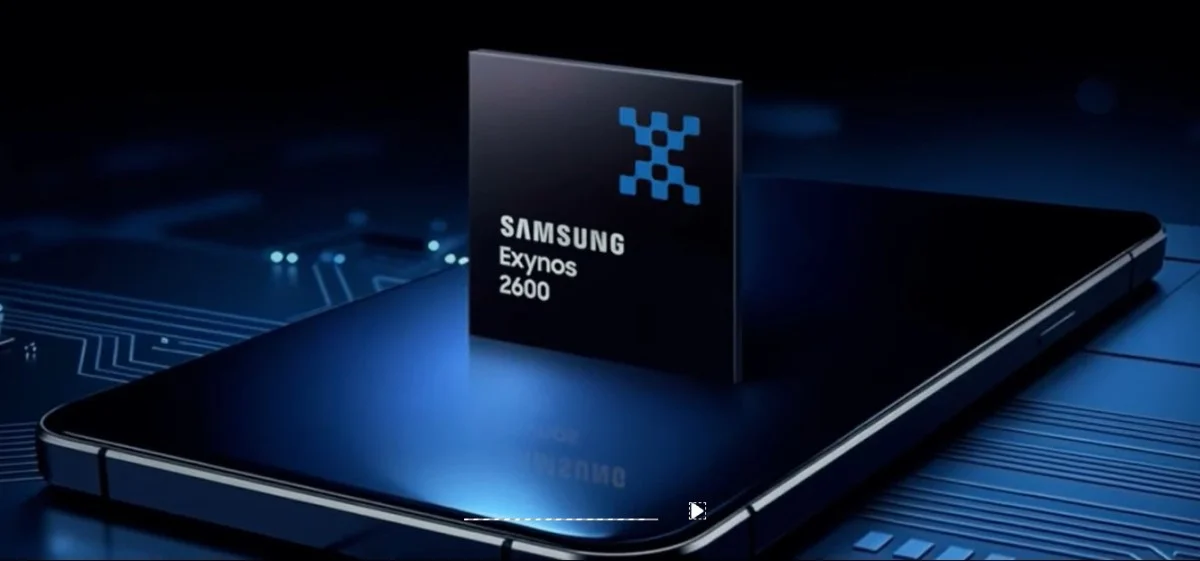
Amid such cost pressures, Samsung Electronics is undertaking structural changes to reduce component procurement costs in order to defend profitability. For example, regarding mobile APs, a core smartphone component, the company is pursuing supply chain diversification by expanding the adoption share of its own Exynos or MediaTek Dimensity chipsets, which are relatively cheaper compared to existing Qualcomm Snapdragon chipsets5.
The likelihood of maintaining long-term partnerships is higher for companies that collaborate as efficient suppliers meeting Samsung Electronics' demands for cost competitiveness and develop components needed for new business areas that Samsung is cultivating as future growth engines beyond being mere suppliers, such as robotics, air conditioning, and medical technology4.
Expanding Facility Investment and Shareholder Returns: A Practical Balance in Management Philosophy
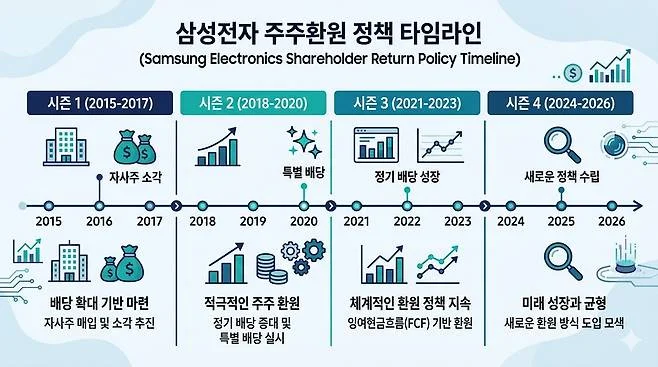
While maintaining the management tone of staying humble amid a boom, Samsung Electronics continues its aggressive investment for future preparation. The company has set its annual facility investment for 2026 at 84.4 trillion won, with plans to concentrate 76.8 trillion won of this amount on the DS division12. This is an essential measure to survive competition in the foundry 2-nanometer process and next-generation memory technologies, representing a strategy to safeguard the future based on boom-era profits.
Simultaneously, Samsung Electronics is also pursuing policies to share the fruits of the boom with the market. The company has stated that it will proceed with substantial share buybacks and cancellations using remaining funds, while pushing for shareholder returns totaling between 90 trillion and 110 trillion won12.
In summary, Samsung Electronics’ 57th anniversary message clearly recognizes risks by business division amidst the rapidly changing AI cycle and outlines strategies to address them. Investors must coolly assess the sustainability of the semiconductor boom from the perspective of technology and manufacturing innovation, while partners must prepare survival strategies through their own cost innovations and new business components in alignment with Samsung Electronics’ will to secure cost competitiveness.
References
- [종합] 삼성전자, 애플·엔비디아도 못 넘은 '영업익 100조 벽' 깼다 · newspim.com↩
- 삼성전자, 2026년 3분기 실적 발표 : 클리앙 · clien.net↩
- “반도체는 호황, 완제품은 원가 압박”…삼성 57주년 두 수장의 경고 | 중앙일보 · joongang.co.kr↩
- 삼성전자 57주년⋯DS '호황 경계'·DX 'AI 혁신' 강조 [종합] · v1.inews24.com↩
- "퀄컴 의존도 낮춰라"… 삼성, 스마트폰 원가 절감 집중 · v.daum.net↩