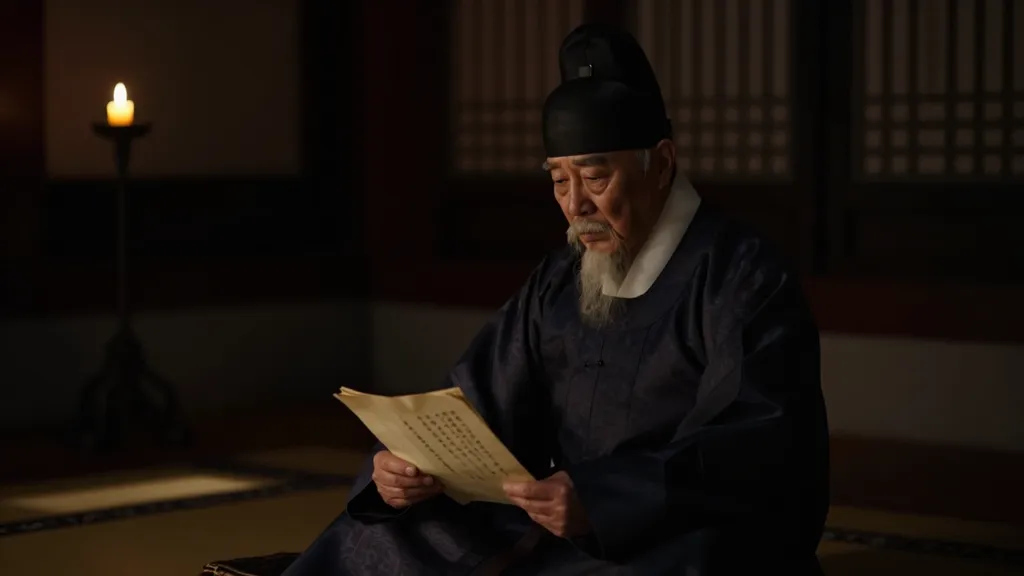
"Was the king who lost his country incompetent, or a victim of his time?"
For those who study history, or parents who wish to instill a proper historical perspective in their children, there is a question that occasionally strikes a chord of heartache. Amidst the resentment of the Eulsa Treaty and the tragedy of the Japanese annexation, what kind of heart did Emperor Gojong, the last emperor of the Korean Empire, possess as he spent those long, sleepless nights?
Beyond the simple label of a "failed monarch," I intend to look into the intense political drama of the time and the desperate choices Gojong was forced to make. By the time you finish reading this, you will have gained a new perspective through which to view history.
1. The Desperate Struggle for Political Survival Hidden Behind the Name 'Agwan Pacheon'
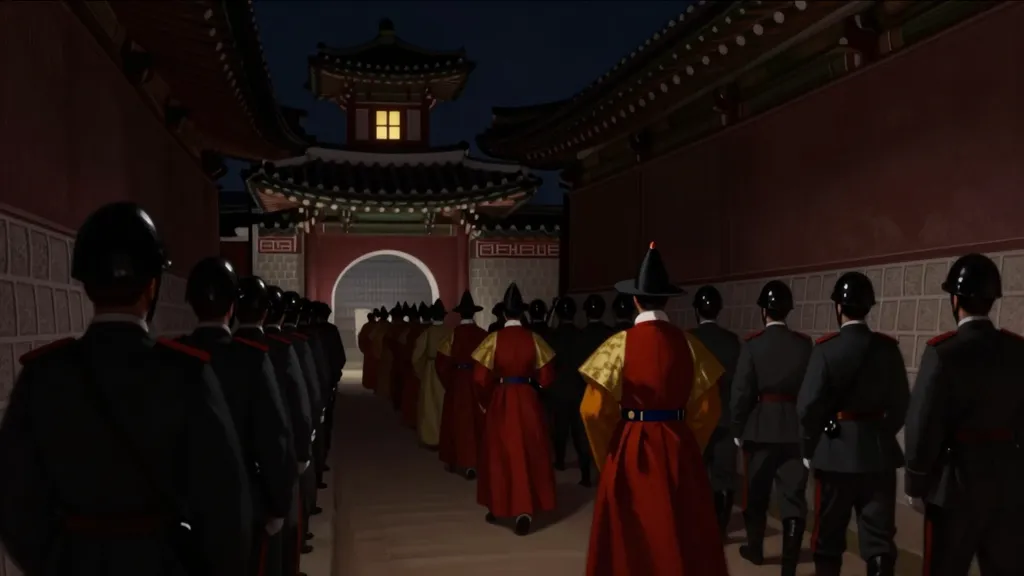
We often refer to the events of 1896 as 'Agwan Pacheon' (the flight to the Russian Legation). However, this leads us to our first question. Was this merely a 'pachen'—a flight where a terrified king abandoned the capital to seek refuge?
If we delve deeper into the situation at the time, the story changes. Gojong had lost his beloved Empress Myeongseong during the Eulmi Incident. Under the surveillance and threats of Japanese forces, Gyeongbokgung Palace was essentially nothing more than a massive prison. In this context, Gojong's move to the Russian Legation was not an escape from the capital; rather, it was closer to a political asylum aimed at securing a safe "extraterritorial" headquarters to escape Japanese influence and find a new diplomatic breakthrough.
In fact, Japan at the time attempted to disparage Gojong by framing this event as an "illegal desertion." However, from Gojong's perspective, it was a desperate struggle to escape the grip of the enemy and seek a new diplomatic path to protect the crumbling national sovereignty.
2. Walking a Tightrope Between Great Empires: The Dangerous Game of Russia and Japan
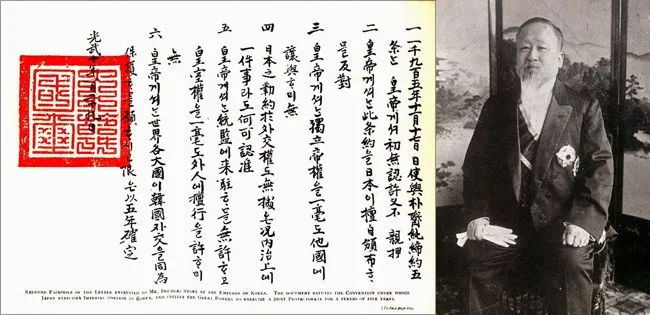
Gojong's decision to hide in the Russian Legation was no mere coincidence. The international situation at the time was like a battlefield where two great beasts, Russia and Japan, collided over the Korean Peninsula.
Gojong sought to use Russia's power to block Japanese pressure. His attempt to send special envoys like Min Yeong-hwan to establish a mutual defense treaty with Russia was within this same context. Unfortunately, however, this attempt was powerless against the massive tide of history. Russia also sought to use Joseon for its own interests, such as the construction of the Siberian Railway, and Japan swung its blade of aggression even more overtly to prevent this.
Ultimately, while Gojong's choice was a shield to protect Joseon, it was also a double-edged sword that pushed Joseon into a battlefield for the two great imperialist powers, Russia and Japan. Without understanding the harsh reality of international politics, it is difficult to even imagine the sense of isolation Gojong must have felt at the time.
3. Why 'Gabo Rebellion' and not 'Gabo Reform': The Reality of Distorted Reform
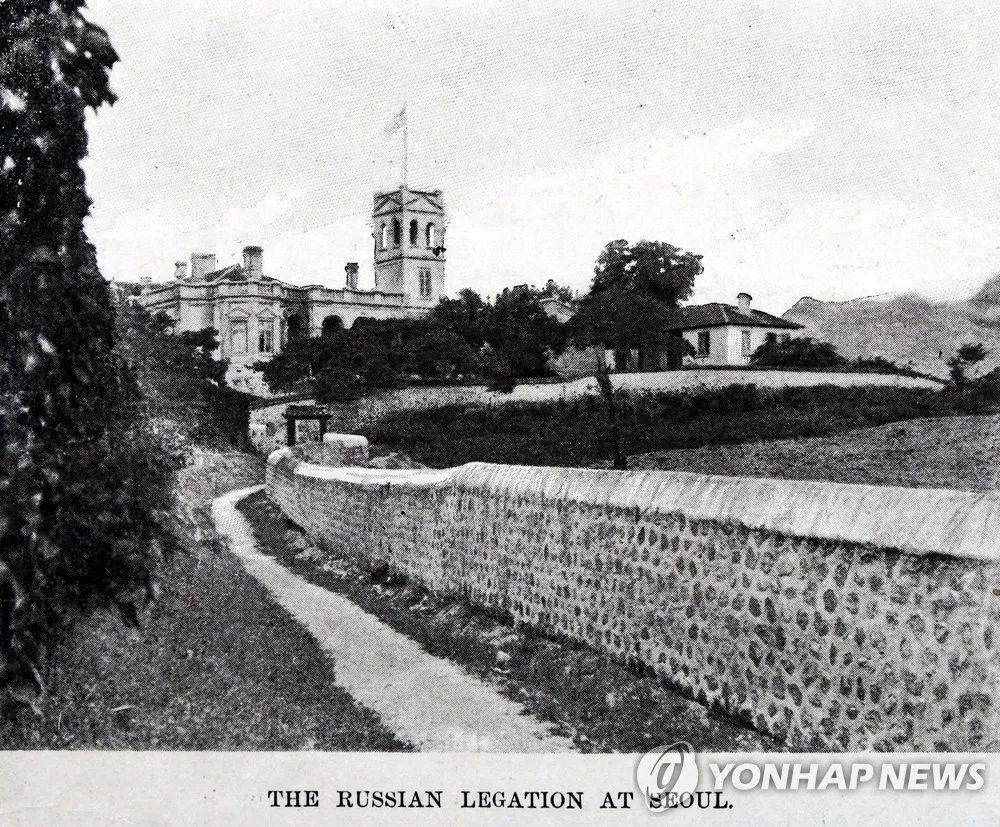
We learned about the 'Gabo Reform' in our textbooks. However, recently, provocative arguments have been raised in historical circles that this period should be called the 'Gabo Rebellion' (Gabo Waeran). Why did such an extreme term emerge?
On the surface, the Gabo Reform appeared to be an attempt to modernize Joseon. But looking behind the scenes, it was heavily driven by Japanese forces to neutralize royal authority and lay the foundation for their own economic exploitation. In other words, it was a "process of aggression" wearing the mask of reform.
During this period, Japan deeply intervened in the internal affairs of Joseon by sending troops under the pretext of the Donghak Peasant Movement. The fact that the modernization efforts Gojong attempted ended up serving as a stepping stone for the loss of national sovereignty due to alignment with Japanese intentions demonstrates the danger of historical distortion that we must remain vigilant against when studying history.
4. The Eulsa Treaty, the Five Traitors, and the Trampled Authority of the Emperor
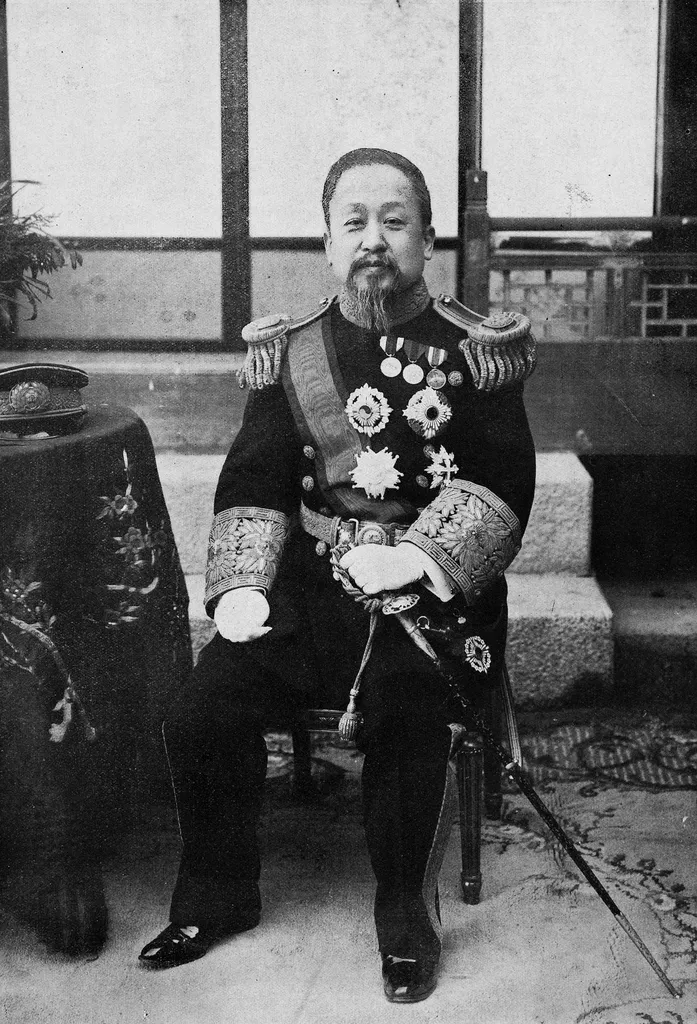
In 1905, the worst tragedy finally occurred: the signing of the Eulsa Treaty. This event, which stripped the empire of its diplomatic rights, became the decisive turning point that effectively reduced the Korean Empire to a colony.
In this process, it was not only external enemies that left the deepest wounds. It was the existence of the so-called 'Five Traitors'—the pro-Japanese traitors who sold out the nation's future. They acted as puppets for Japan, neutralizing Gojong's ruling power and serving as a massive conduit to help Japan effectively dominate Joseon.
Japan established the Residency-General to seize administrative control of Joseon and introduced the Military Police system to rule the populace through fear. This abnormal militaristic atmosphere, where even schoolteachers had to wear military uniforms and carry swords, is direct evidence of how catastrophically the Korean Empire was collapsing at the time.
5. The People's Resistance That Did Not Remain Silent: From Sinminhoe to the Righteous Armies
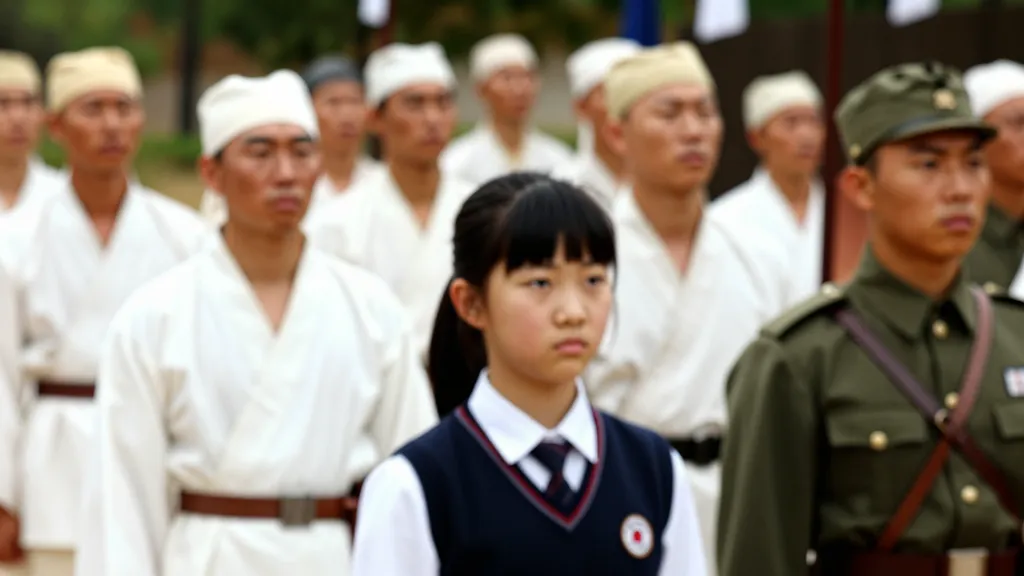
However, history did not end in tragedy alone. The sorrow of losing the country burned into a massive flame of resistance.
When Japan attempted to plunder the resources of the Korean Peninsula through the Land Survey Project and assimilate Koreans into Japanese through the Joseon Education Ordinance, our people never acquiesced. Secret organizations like Sinminhoe became the roots of the independence movement, and the Sinheung Military Academy became the cradle that produced future independence fighters.
In particular, the Righteous Army uprisings and the National Debt Redemption Movement that occurred immediately after the Eulsa Treaty prove that not only the Emperor with power, but also the ordinary people, fought to the end as the true owners of this nation. The spirit of resistance from the people is the true power of history that we must remember today.
6. Gojong: An Incompetent Monarch or a Victim of His Time?
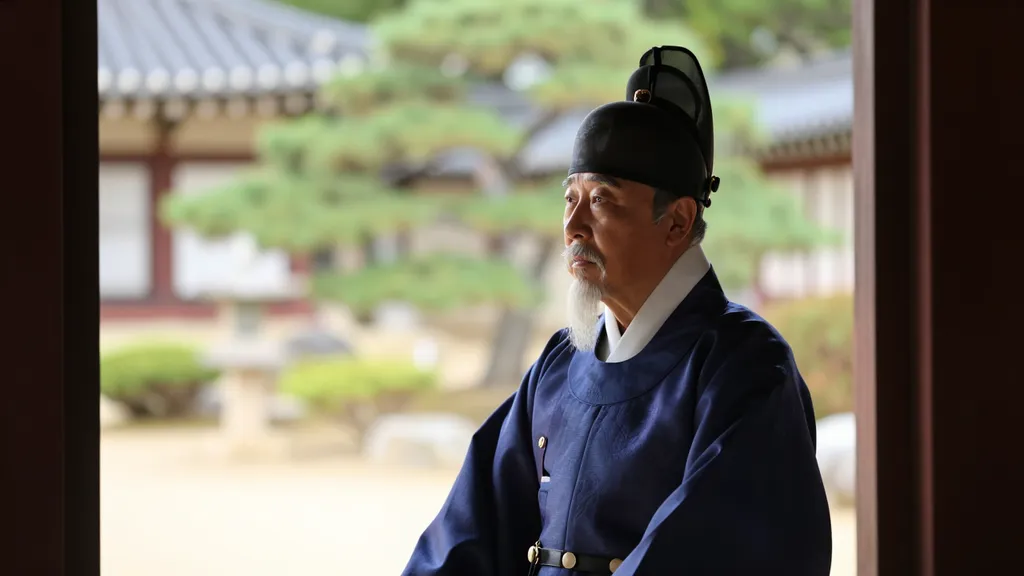
Now, let us return to the figure of Gojong. He is a person who receives very complex evaluations in history.
On one hand, he is criticized as an "incompetent monarch who ruined the country by being indecisive and depending on foreign powers." The reason given is his inability to make decisive judgments amidst the rapidly changing global landscape. On the other hand, he is viewed as a "lonely ruler who struggled to preserve the national entity amidst the fierce waves of imperialism."
In fact, these two perspectives are not contradictory but can coexist. He was certainly a monarch who dreamed of modernization through political maneuvering, but he was also an individual who hit limits that could not be overcome by personal strength against the pressure of massive imperialist powers. Rather than judging Gojong by a single-sided standard, we need a balanced view that looks simultaneously at the historical tasks and limitations he carried.
7. How to Remember History: Education for the Next Generation
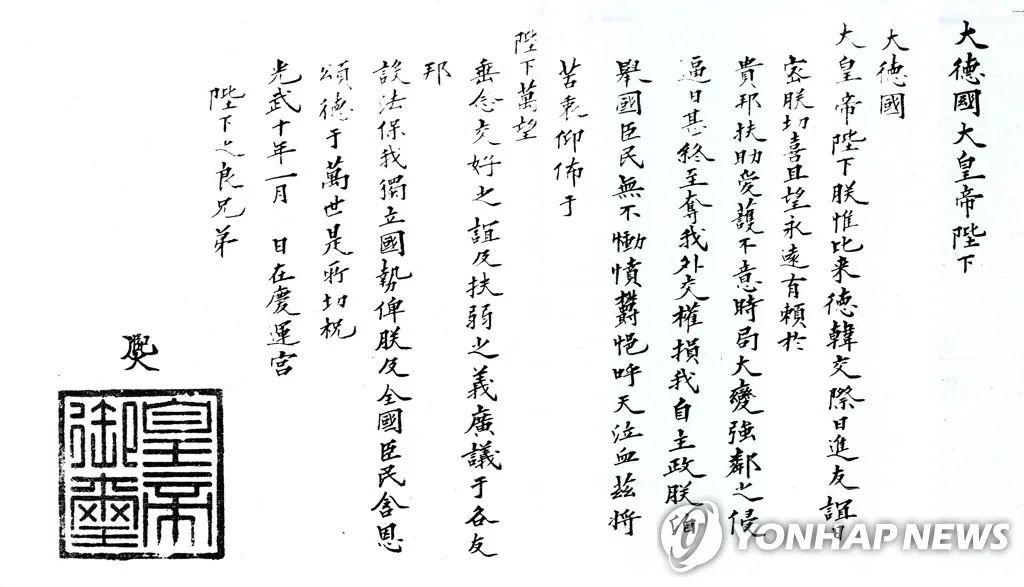
Why must we bring up and read this painful and humiliating history again?
History is not merely a record of the past. It is because we can only understand the present if we know the past correctly, and only then can we design the future. The reason we learn about Gojong's anguish and the people's resistance is to ensure that the tragedy of losing sovereignty on this land never repeats.
When teaching history to children, there is no meaning in simply making them memorize years and events. We must tell them the stories of the hearts of the people involved in those events, the weight of their choices, and the consequences those choices brought. Only then can our children grow into healthy citizens with an independent sense of history.
The life of Emperor Gojong poses many questions to us. It asks what values are more important than protecting power, and what choices an individual must make in the face of a massive tide.
The process of studying history is sometimes bitter and painful. However, it is only when we face that pain head-on that we can finally build a stronger future.
What kind of person do you think Emperor Gojong was? Was he an incompetent monarch, or a victim who bore the tragedy of his era with his whole body? Please share your thoughts in the comments.
References
- #한국사 #한일병합조약 18세기 유럽에서는 증기 기관으로 다양한 ... · instagram.com
- 독립운동사 제1권 -[4편 군대의 강제해산과 의병항쟁] 의병항쟁사 · m.blog.naver.com
- 아관파천 - 나무위키 · namu.wiki
- "1896년 고종의 러시아공사관行은 피란 아닌 정치적 망명" | 연합뉴스 · yna.co.kr
- 고종의 아관파천(아관망명)과 러·일의 이해관계 3 - Naver Blog · blog.naver.com
- [뉴스 속의 한국사] 신변 불안했던 고종… 궁궐 떠나 러 공사관에 1년간 ... · newsteacher.chosun.com
- 고종(대한제국) (r2287 판) - 나무위키 · namu.wiki