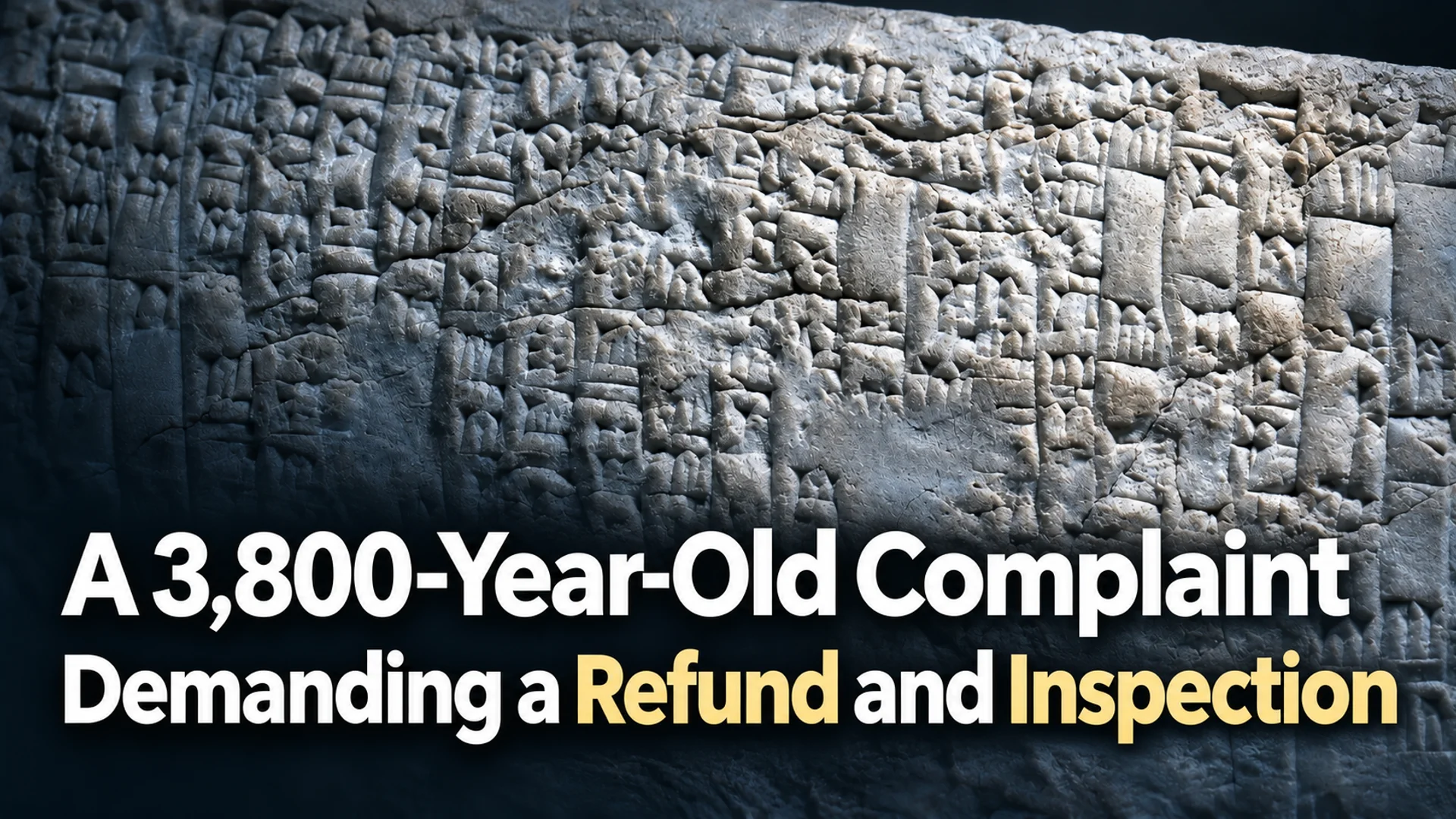
Expressing dissatisfaction in Mesopotamia around 1750 BCE was not as simple as it is today. One had to summon a scribe to press a reed into wet clay to inscribe cuneiform characters, bake the clay tablet in a kiln to harden it, and then have a messenger physically carry the fragile tablet to the recipient 1. In an era that demanded such considerable physical effort, a merchant once filled both the front and back of a clay tablet with a letter of complaint, and that tablet remains in the British Museum today, 3,800 years later.
This tablet is not a mere venting of emotion. It records differences in copper grades, service failures, refund requests, and changes to future trading terms, all documented in a consistent sequence 2. The reason this single clay tablet reads similarly to modern customer claim procedures is that personal emotions and procedural records for dispute resolution are contained within the same document.
Copper That Did Not Match the Promise, and Messengers Who Returned Empty-Handed
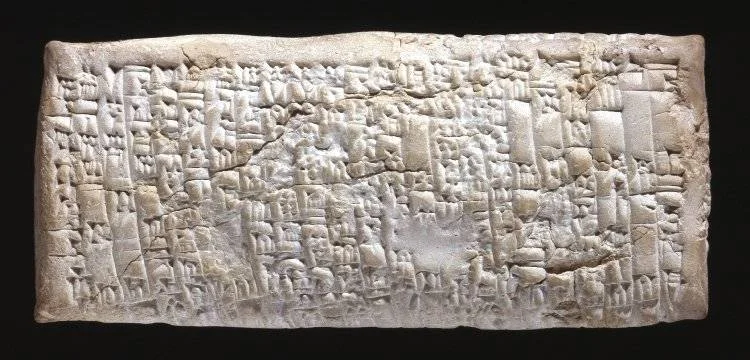
This artifact originates from Ur, a southern Mesopotamian city, and is a letter from the copper merchant Nanni to Eanasil, a merchant in the same trade 23. The record is inscribed with Akkadian cuneiform. Cuneiform is a writing system created before 3200 BCE by pressing a reed into clay to leave wedge-shaped marks, which was used for some time in Mesopotamia and the Middle East 31. The contents of Nanni’s letter were translated and included in Letters from Mesopotamia, published by Assyriologist A. Leo Oppenheim in 1967 21.
According to Oppenheim’s translation, Nanni’s complaint begins with a reference to specific factual circumstances. Eanasil had promised to provide "ingots of good quality copper," but in reality placed ingots in poor condition before Nanni’s messenger. Following this, Nanni documented how he was treated by transcribing Eanasil’s attitude, saying, "Take it if you wish to take it, and leave if you do not want it" 23.
What is noteworthy here is that the complaint did not end with the quality of the copper product itself. Nanni recorded that the messengers he sent to receive money from Eanasil returned empty-handed on multiple occasions and had to pass through hostile territory on their way back 231. The complaint about sending the messengers away empty-handed, thereby causing insult, shows that the content of the dissatisfaction consisted of two aspects: the condition of the goods and the attitude of service response 31.
A Sequence Leading to Refund Requests and Changes in Future Trading Terms
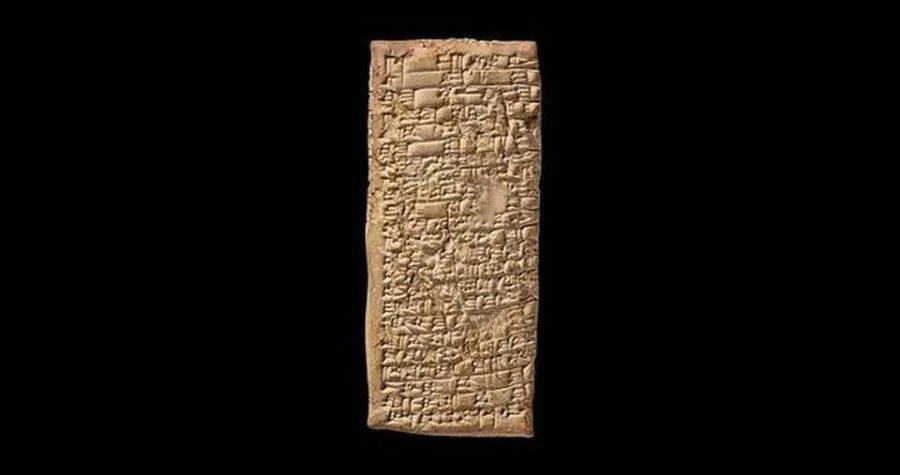
The clay tablet clearly lists specific demands alongside future trading methods. Nanni demanded a full refund, stating, "Return all of my moneybag" 21. He then declares a change in terms for future transactions. He states that he will no longer accept copper that is not of good quality and will only take it after individually selecting and inspecting each ingot in his own yard 23.
Following the order of the sentences in this letter reveals a flow: pointing out defective goods, reviewing how the counterpart’s response differed from the promise, requesting a refund, and establishing new inspection criteria for the next transaction. This sequence mirrors the behavior of modern consumers who, upon discovering defects after purchase, demand a refund while changing the terms to "I will buy only after verifying directly in the future."
Multiple Dispute Records Discovered at Eanasil’s House Site
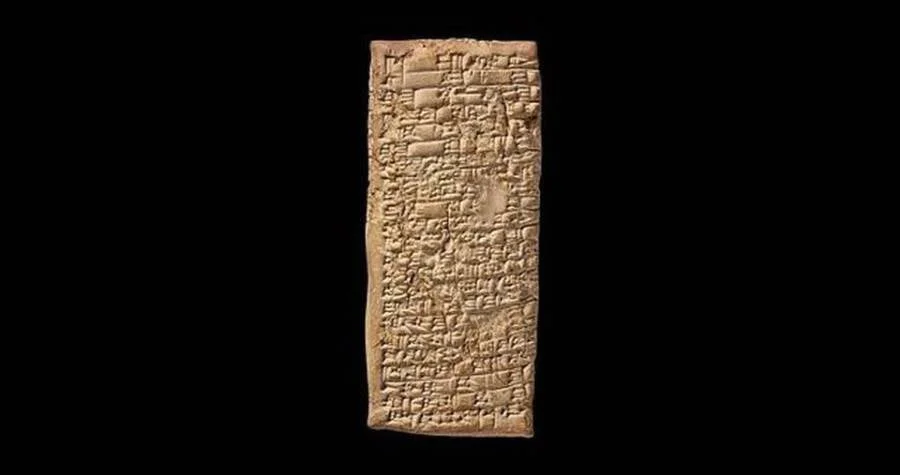
Nanni’s was not the only complaint recorded against Eanasil. Archaeological excavations revealed multiple complaint letters together at Eanasil’s house 23.
One clay tablet contains a demand to recover the collateral if the copper was not delivered. Another letter includes a urging, "I have already handed over 10 shekels of silver, yet you will not give good copper" 3. A particularly notable record is a case where a customer sarcastically said, "You have really, really done well," after paying silver in advance and receiving only defective copper, demanding that good copper be brought 3.
The fact that these multiple clay tablets were found together in one merchant’s house suggests the possibility that the records were not discarded after delivery but were kept as evidence for disputes. Specific circumstances and demands, such as the messengers’ futile trips, yard inspections, and collateral handling, were documented and remained inside Eanasil’s house. Archaeological traces have also been found indicating that some buildings at Eanasil’s house site were absorbed by neighbors, which serves as a speculative explanation suggesting the possibility of business transition or financial deterioration 23.
Documents Recording Both Emotion and Procedure
Therefore, the question of "Did reviews exist in ancient times?" can be answered by looking at the record structure of the clay tablets. The merchants of 3,800 years ago did not leave their dissatisfaction solely as emotional expressions. They specifically recorded the discrepancies between promises and performance, and attempted to reset the conditions for future transactions based on those documents.
References
- The oldest known complaint letter · abc.net.au↩
- This 3,800-Year-Old Tablet Contains The World's First Customer Service Complaint · allthatsinteresting.com↩
- ↩