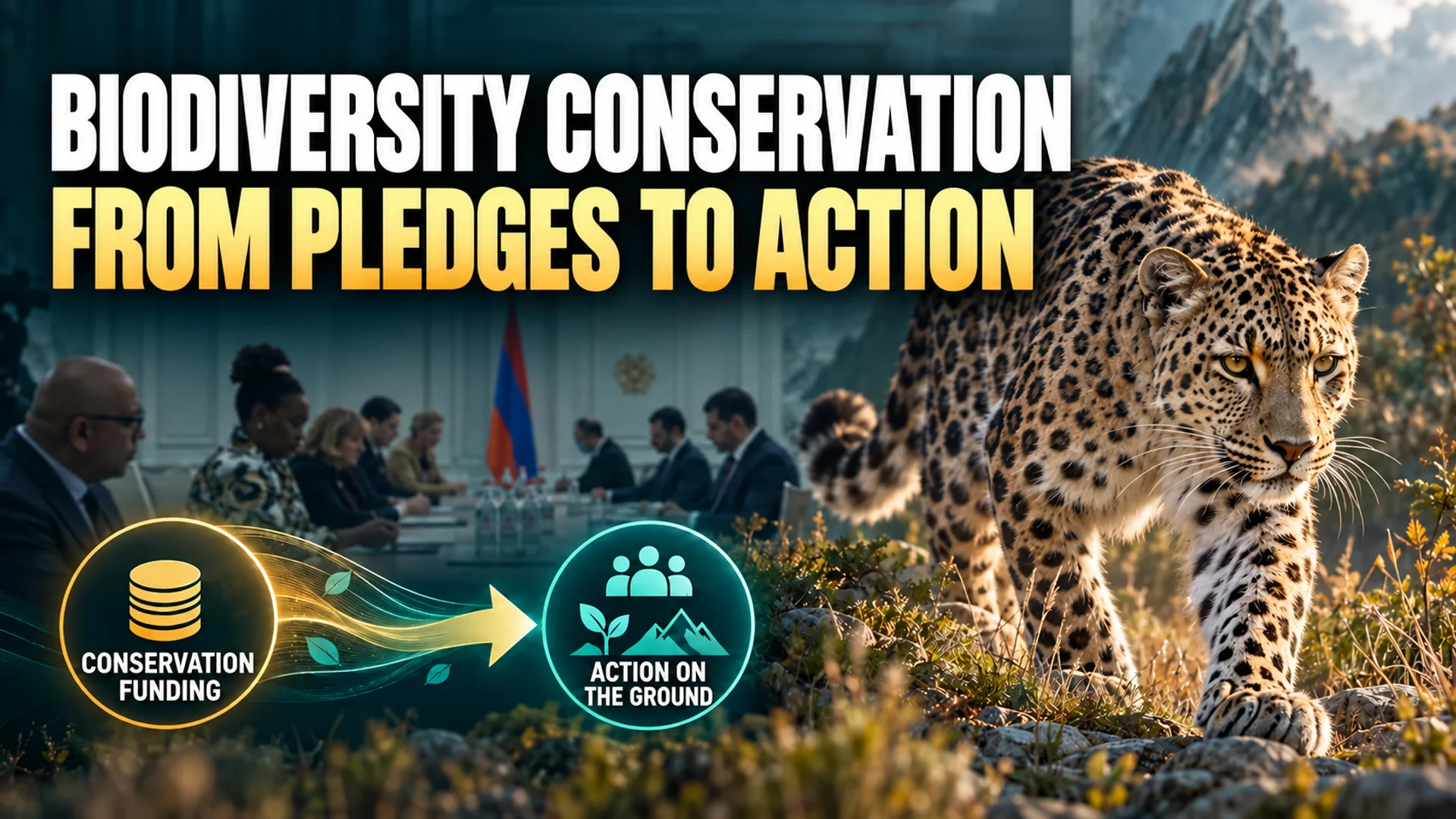
The 17th Conference of the Parties to the Convention on Biological Diversity (CBD COP17) marked a significant turning point as the first global review phase aimed at achieving the 2030 targets of the Kunming-Montreal Global Biodiversity Framework (KMGBF). Held in Yerevan, Armenia, from October 19 to 30, 2026, this session went beyond a mere ceremonial gathering, serving as an opportunity to impress upon countries around the world the need to adjust the actual implementation trajectory.
According to the first Global State of Biodiversity Action report published by the UN Secretary-General, while approximately 90% of countries have established national biodiversity targets, fewer than half of these targets are currently on track 1. Based on this recognition of reality, COP17 agreed on accelerating implementation, scaling up financing, and strengthening international cooperation as core tasks to halt and reverse biodiversity loss, setting a roadmap for the next four years.
Assessment of Implementation Status and the Significance of the Yerevan Declaration

The opening of COP17 was marked by UN Secretary-General António Guterres's release of the inaugural precursor report, "State of Biodiversity Action." The report delivered a sober diagnosis that while approximately 90% of countries worldwide have established national targets, thereby strengthening global commitments, fewer than half of the assessed targets are on track 1. This indicates that the issue lies not with the scale of commitments but with the speed and quality of implementation.
Against this backdrop, the "Yerevan Declaration" was adopted at the Leaders' Summit held on October 16, 2026 1. The declaration strongly urged accelerating actions to halt and reverse biodiversity loss by 2030 and called for scaling up biodiversity finance and strengthening international cooperation to achieve this goal. The adoption of the declaration provided a foundation not merely for reaffirming political will but for discussing specific mechanisms to accelerate implementation.
Decisions from the First Week and Demonstrated Cases of Ecosystem Restoration

During the first week of COP17, Parties adopted a total of 14 items on issues including biosafety, invasive alien species, and gender equality, laying the institutional groundwork for framework implementation 1. CBD Executive Secretary Astrid Schomaker emphasized that while these decisions represent meaningful progress, ultimate success will be measured by their tangible impact on nature and people 1. This reflects a direction that prioritizes tangible effects on the ground over formal agreements.
Cases demonstrating how conservation efforts can lead to actual ecosystem recovery were also showcased. On October 24, Hambardzum Matevosyan, Armenia's Minister of Environment and COP17 President, revealed camera trap footage of a Caucasian leopard captured in the Gndasar Community Conservation Area. This was the second recorded sighting since 2025 and was evaluated as strong evidence that habitat protection directly contributes to ecosystem recovery 1. Such empirical examples served as important references for policymakers in recognizing the importance of protected area management.
Structural Issues of the Finance Gap and the Role of the Cali Fund
The biggest obstacle to accelerating implementation remains "finance." The target of mobilizing US$20 billion in international financing annually by 2025 was found to be unmet, with OECD data indicating a shortfall of approximately 23%, identifying the funding deficit as a core factor threatening the achievement of the 2030 targets 2, 3. In particular, as developed nations slow in fulfilling their pledges, the fiscal gaps faced by developing countries and local communities have reached severe levels.
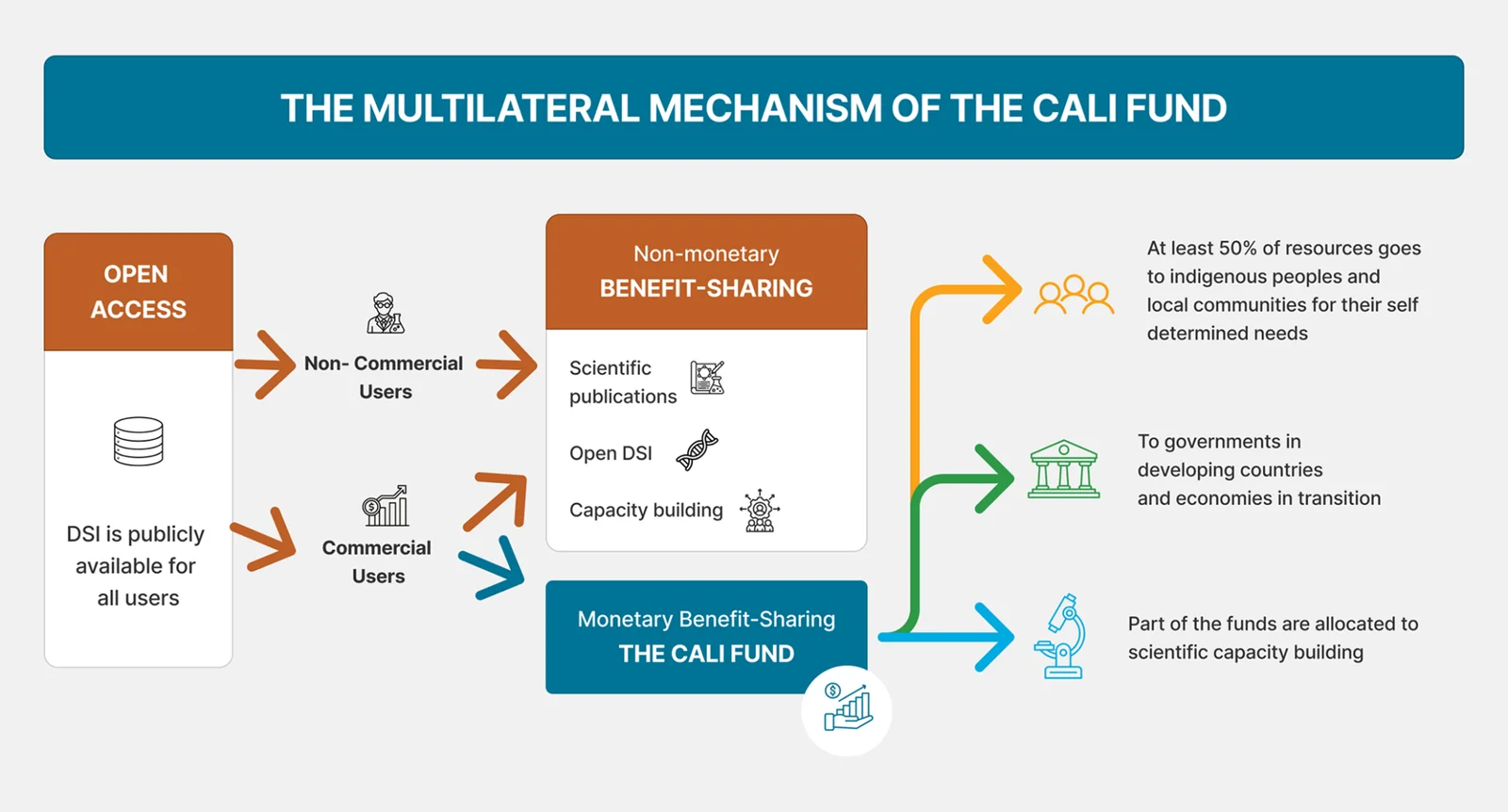
To address these structural limitations in financial mechanisms, the "Cali Fund" was discussed. Designed to ensure companies utilizing Digital Sequence Information (DSI) share profits, this fund has been criticized for its reliance on voluntary contributions 4. Strengthening measures to enable Indigenous Peoples and Local Communities (IPLCs) to participate in decision-making and access funds directly remains a persistent core issue in biodiversity finance discussions 4, 5, signifying that the ultimate beneficiaries of financial flows must be the agents driving change on the ground.
Qualitative Transformation of Conservation Areas and Inclusive Governance
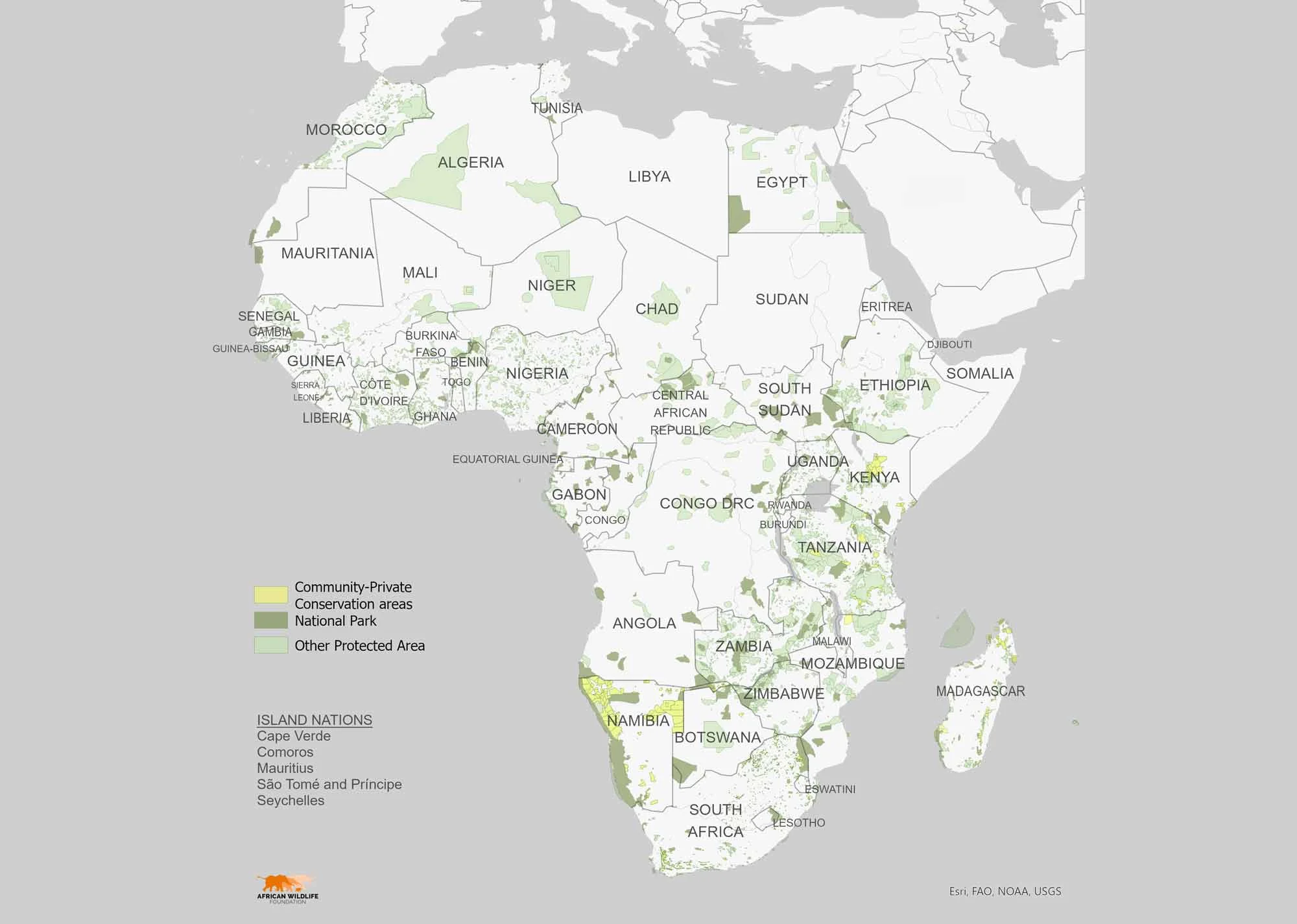
A shift in the paradigm of biodiversity conservation policies has also been observed, moving from area expansion to ecological quality management. The African Wildlife Foundation (AWF) argued that success criteria for protected and conserved areas should be defined by ecological integrity and efficient management rather than area alone, proposing the renaming of the existing "Programme of Work on Protected Areas" to the "Programme of Work on Protected and Conserved Areas (PoWPCA)" in accordance with the recommendations of the 28th session of the Subsidiary Body on Scientific, Technical and Technological Advice (SBSTTA-28) 2. Additionally, governance models recognizing Indigenous and traditional territories as equivalent elements of conservation areas have emerged.
These proposals reflect the understanding that conservation areas should function not as isolated islands but as ecological networks connected to Indigenous managed territories. Indeed, institutional progress was made through COP16, with decisions adopted to enhance Indigenous decision-making authority and increase the participation of people of African descent; however, differences in positions between the Global South and North persist 4. AWF urged the adoption of guidelines for sustainable wildlife management and financial prioritization of human-wildlife coexistence to bridge these gaps 2.
The Path to 2030 Goals: Concrete Directions for 'Acceleration'
![The Path to 2030 Goals: Concrete Directions for 'Acceleration']](https://blog.inerit.dev/media/posts/cd70c4b7/section_5.webp)
The "implementation acceleration" agreed upon at COP17 does not simply mean increasing budgets. The common perception is that national governments must be monitored for strict implementation of their National Biodiversity Strategies and Action Plans (NBSAPs), and that various financial mechanisms must be mobilized to encourage private sector participation and nature-based businesses 5. Greenpeace called for prompt government contributions from wealthy nations, alongside simplified administrative procedures to allow Indigenous Peoples and local communities to access financing without state intervention 5.
It also became clear that climate change and biodiversity loss cannot be viewed separately. Calls have continued to mainstream ecosystem-based approaches into policies, building on the IPCC Sixth Assessment Report, and to develop joint cooperation programs between the climate and biodiversity conventions 3, 5. For the declarations and decisions adopted in Yerevan to lead to practical nature conservation on the ground, such an integrated approach and direct linkage of funds will be essential.
Ultimately, the acceleration agreement proposed by COP17 imposed a grave task on the world: to convert commitments into concrete outcomes during the four years remaining until 2030. The challenges left by the 14 adopted decisions and the Yerevan Declaration now depend on how substantively national governments and corporations reflect them in their domestic policies and business strategies. This conference clearly affirmed that the success or failure of biodiversity conservation lies not in the moment of adopting declarations, but in consistent execution on the ground and ensuring the transparency of financial flows.
References
- ↩
- ↩
- World takes next steps to make peace with nature at COP16 · bkktribune.com↩
- Remaining Tensions Between the “Global Souths” and the... · voelkerrechtsblog.org↩
- 유엔 생물다양성협약(CBD) 당사국총회(COP16)에 참석한 세계 지도자들에 요구하는 다섯 가지 - Greenpea.... · greenpeace.org↩