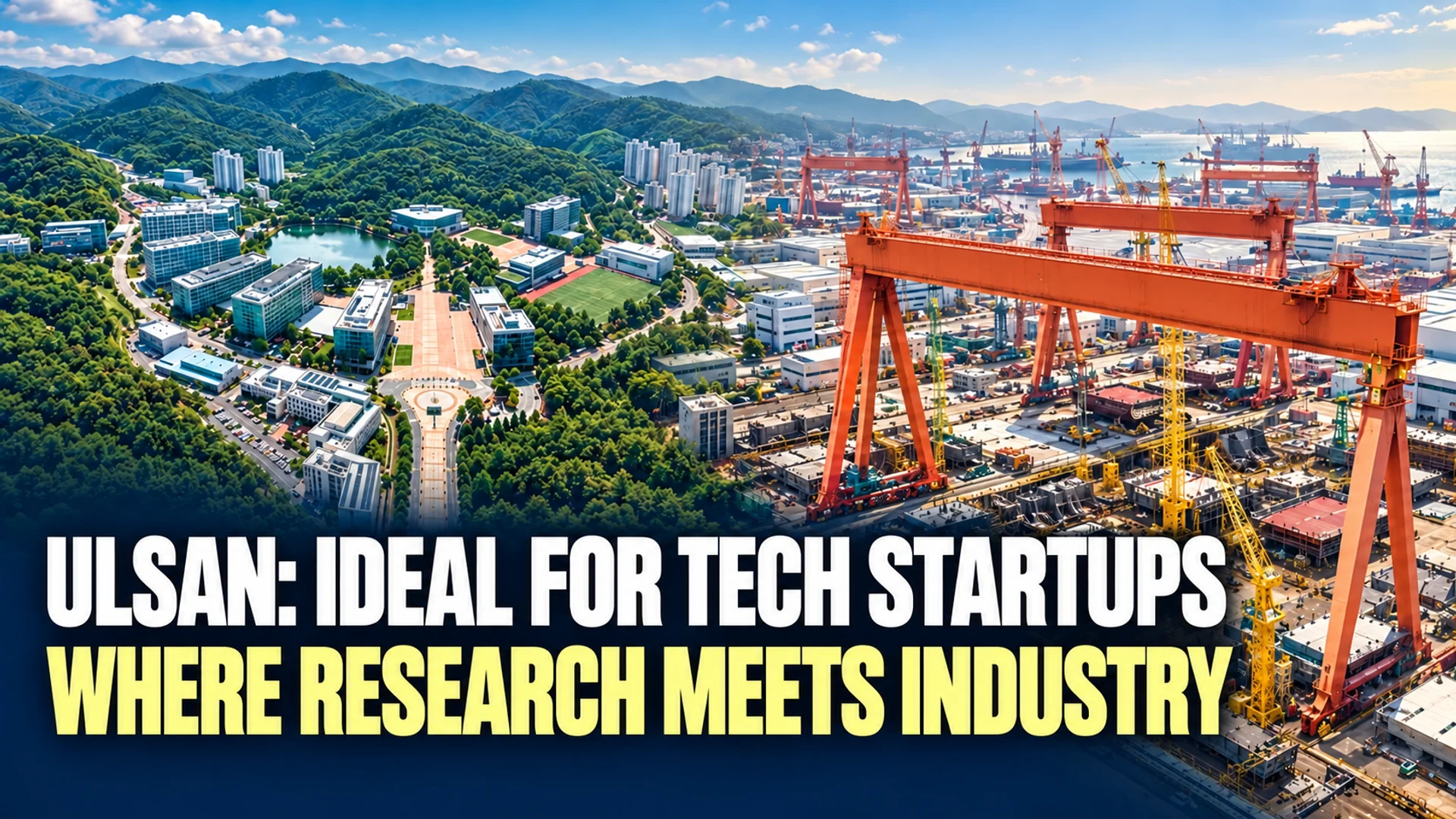
Minister Lee So-young of the Ministry of SMEs and Startups visited the Ulsan National Institute of Science and Technology (UNIST) on October 30, 2026, and officially stated, “Ulsan is the optimal location for technology startups, equipped with exceptional research talent and an industrial base of global conglomerates.” This statement signifies more than a simple promotion of the region; it represents a policy recognition of the synergy that can arise when Ulsan’s already secured industrial data and research infrastructure combine with artificial intelligence (AI) and deeptech startups. The reason the minister’s assessment holds real-world applicability is that Ulsan already has a unique manufacturing ecosystem in place, along with specific numerical targets and institutional support measures already underway to connect this ecosystem with innovative startups.
UNIST’s Research Infrastructure and Capacity for Securing Regional Talent
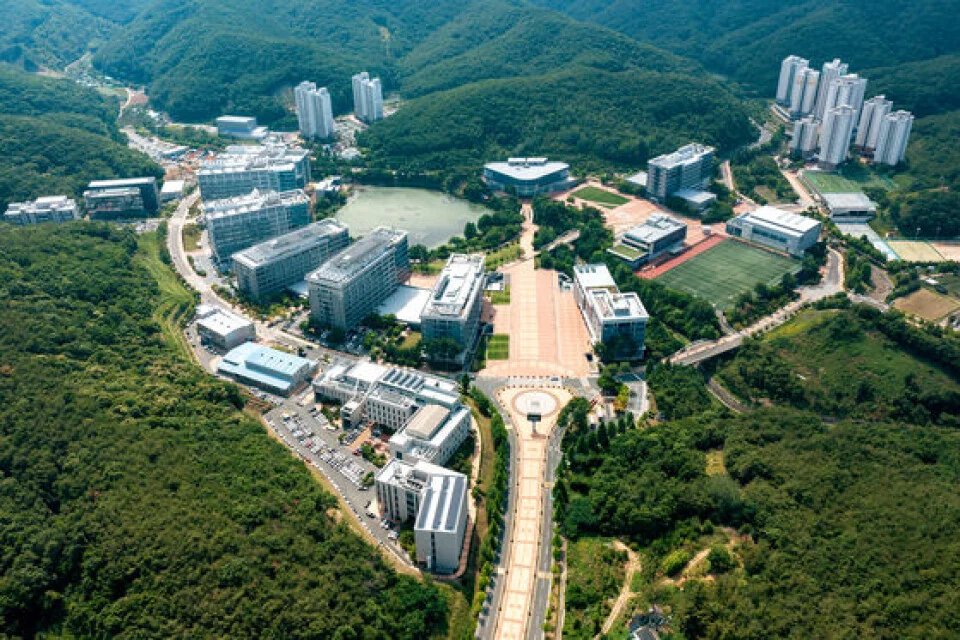
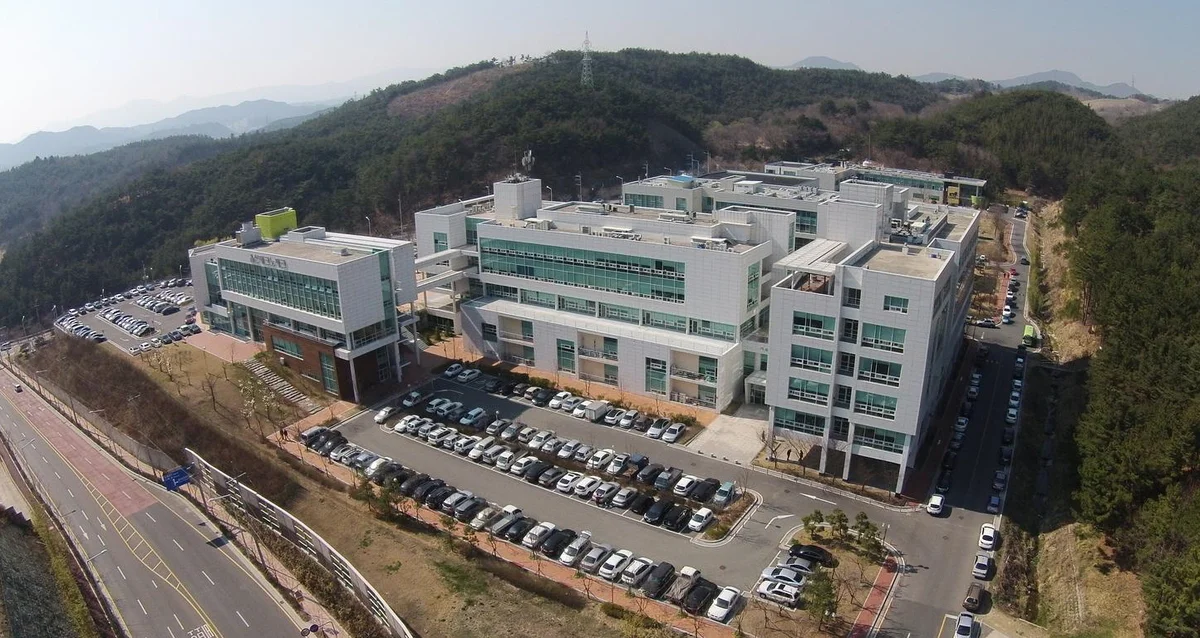
The backdrop to Ulsan’s emergence as a hub for technology startups, built on “exceptional research talent,” lies in the role of the Ulsan National Institute of Science and Technology (UNIST). Minister Lee So-young personally inspected UNIST’s research infrastructure, confirming a structure in which the university’s innovative technologies naturally connect with the region’s key industries, such as shipbuilding and automotive 1. To systematize this, the Ministry of SMEs and Startups is investing a total of 28 billion won in the four leading science and technology institutes (Korea Advanced Institute of Science and Technology (KAIST), Gwangju Institute of Science and Technology (GIST), Daegu Gyeongbuk Institute of Science and Technology (DGIST), and UNIST) to support the commercialization of 160 deeptech startups 1. This involves backing research outcomes born at universities with funding and systems to ensure they lead to actual startups and market entry, rather than remaining within campus boundaries.
Ulsan Metropolitan City has established a dedicated track to convert research talent into practical “industrial convergence AI talent.” Through the ‘Novatus Graduate School’ within UNIST, the city aims to train 100 AI specialists per year, with an official target of producing a total of 500 personnel over the next five years 2, 3. Technology startups struggle to succeed based on theoretical research capabilities alone; convergence talent that accurately grasps the demands of industrial sites is essential. Ulsan’s university infrastructure has established a clear execution plan in this regard, confirming that it is structurally reducing startup risks caused by talent shortages within the region.
Industrial Base of Global Conglomerates and Open Innovation
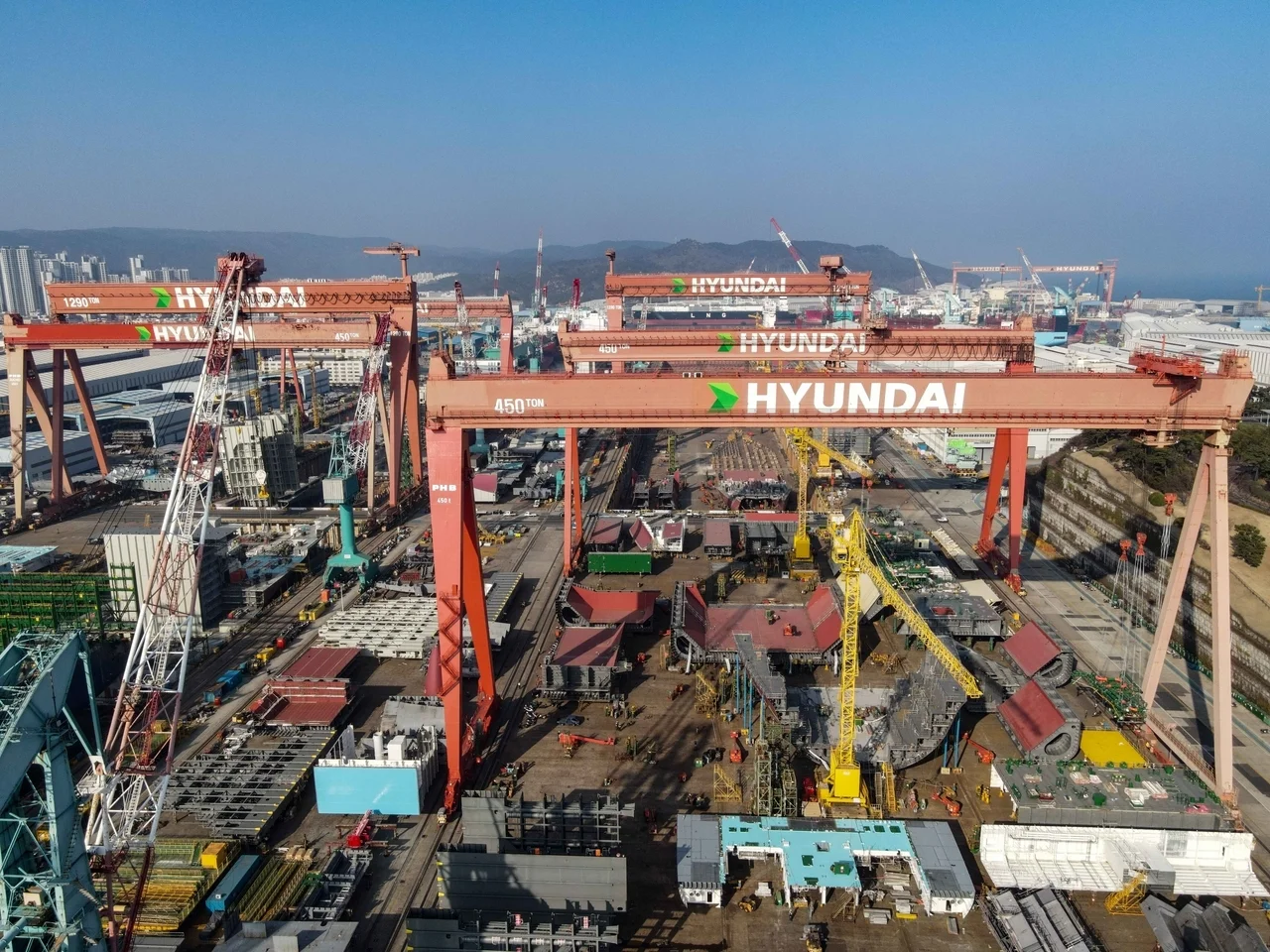
Ulsan’s second strength is its industrial base, where global anchor companies such as Hyundai Motor Company, HD Hyundai Heavy Industries, and SK Energy are densely concentrated 1, 3. The most difficult stage for technology startups, particularly deeptech startups linked to manufacturing, is the ‘field demonstration’ phase of new technologies. Ulsan is pushing an open innovation model that fills this gap by leveraging the infrastructure of regional conglomerates 1, 3. This structure actively utilizes the manufacturing infrastructure and demonstration data of major companies to validate technologies developed by startups in actual production sites 1.
This field connectivity is yielding tangible results. In the shipbuilding and marine sector, there is precedent of identifying 800 promising companies over the past eight years, completing demonstrations at major companies for 42 of them, and successfully attracting 133.8 billion won in investment 2. This specific case demonstrates that the participation of regional conglomerates can significantly boost a startup’s technological maturity and market credibility. Minister Lee So-young also emphasized the importance of startup support utilizing the industrial base, announcing a plan to accelerate the creation of a ‘Manufacturing AI Startup City’ so that startups can grow through cooperation with major companies 1.
Indicators of a Startup Ecosystem Centered on Manufacturing AI and Deeptech
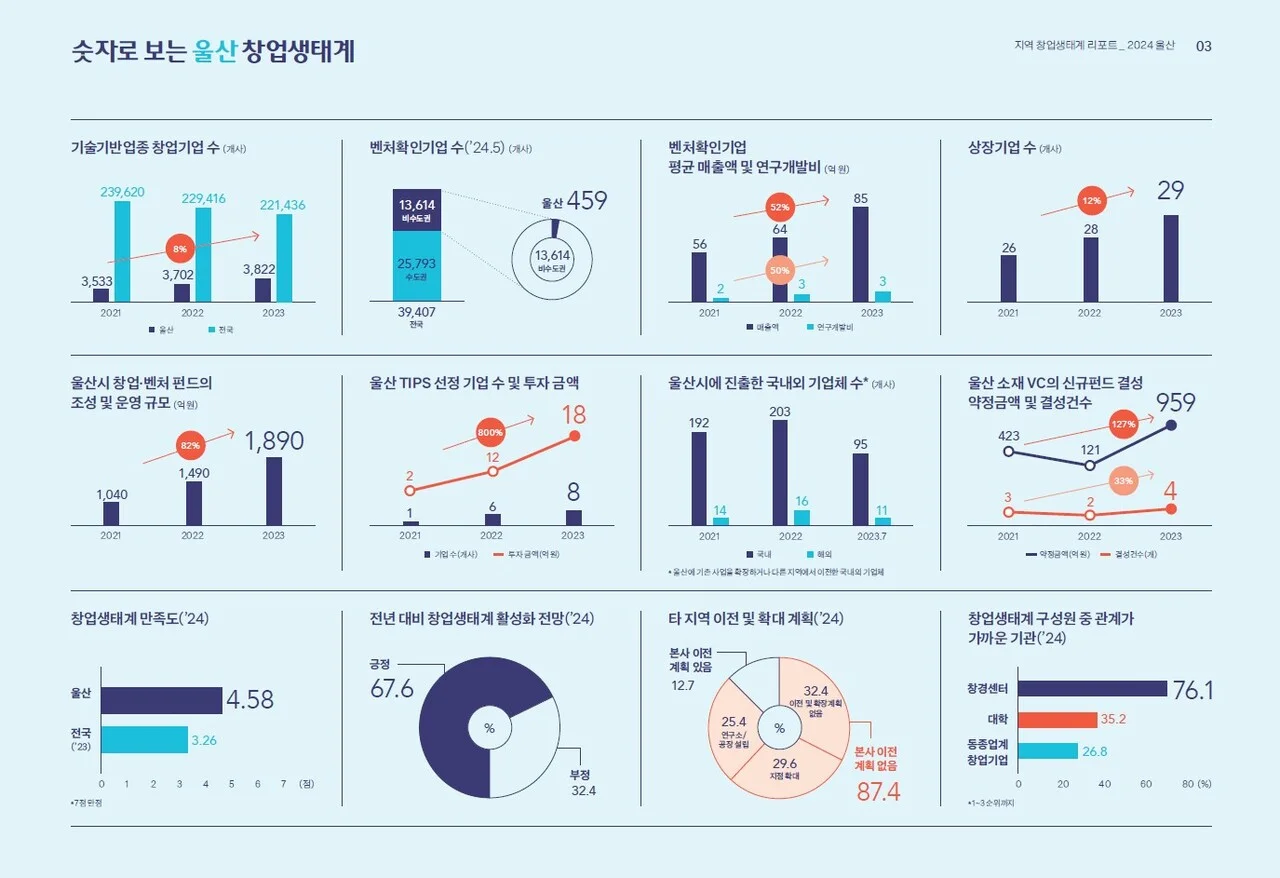
The maturity of Ulsan’s startup ecosystem is clearly reflected in its indicators. Ulsan’s share of manufacturing startups is recorded at 25.6%, significantly exceeding the national average of 14.6% 2. This suggests that beyond the regional economy being frequently discussed in terms of manufacturing, technological and business opportunities in related fields are actively converting into startup demand. An even more noteworthy indicator is the survival rate of startups. The 5-year survival rate of deeptech startups from UNIST is evaluated at 70%, representing top-tier performance nationwide 2.
| Key Startup Ecosystem Indicators of Ulsan | Figure |
|---|---|
| Share of manufacturing startups | 25.6% (National average 14.6%) |
| 5-year survival rate of UNIST deeptech startups | 70% (Top national level) |
| Investment attracted in shipbuilding and marine sector over 8 years | 133.8 billion won |
A 70% survival rate over five years is an indicator showing how stably early-stage technology companies are establishing themselves in the market. Statistics prove that the ‘industrial base’ mentioned by Minister Lee So-young does not simply mean the physical concentration of major company factories, but rather the formation of an organic ecosystem where corporate demand, university research, and startup technologies interact to enhance market viability 1, 2.
National Startup Era and Specific Goals of Ulsan’s Strategy

Ulsan’s technology startup policies align with the ‘National Startup Era’ strategy announced by the government on April 24, 2026. Under this strategy, Ulsan, along with Daejeon, Daegu, and Gwangju, has been officially designated as a ‘Startup City’ located with one of the four leading science and technology institutes 2, 3. Subsequently, Ulsan Metropolitan City began follow-up measures by signing a memorandum of understanding between the government and local governments on May 21, under the specific vision of a ‘Global Demonstration-type Startup City Centered on Manufacturing AI and Future Mobility’ 2, 3.
Ulsan Metropolitan City’s startup city project has clearly set quantitative tasks to be achieved over the next five years.
- Nurturing 500 deeptech companies to advance the industrial portfolio
- Training 500 industrial convergence AI talents to secure human resources
- Pushing 150 field demonstrations centered on major companies to expand demonstration infrastructure 2, 3
These three key cultivation areas are divided into future mobility (future cars, autonomous ships), eco-friendly energy (secondary batteries, hydrogen), and AI technologies applied to key industry sites 3. Through a structure that directly connects the new technology demand of regional anchor companies with startup technologies, a strategic path has been designed to strengthen the competitiveness of traditional manufacturing while lowering the barriers to initial market entry for new startups 3.
Support for Technology Finance, Living Conditions, and Scale-up Hubs
The success of technology startups is not achieved solely through talent and corporate partnerships. It requires the necessary provision of commercialization funding for initial technologies, long-term stability for entrepreneurs, and scale-up hubs for expanding business size. Ulsan Metropolitan City is establishing policy measures to address these three deficiencies 2, 3.
First, the city plans to establish a new ‘Regional Growth Fund’ worth 50 billion won to provide finance to technology-centric startups 2, 3. Deeptech companies are prone to exclusion from traditional collateral-based finance due to low initial sales or long research and development periods. The Regional Growth Fund functions as institutional support to fill these initial commercialization gaps.
In terms of physical space, the ‘Shipbuilding and Marine Startup Park’ will be newly established with the participation of major domestic shipbuilders, nurturing it as a scale-up hub 2, 3. Additionally, youth-specific housing ‘U-home’ will be supplied to alleviate entrepreneurs' housing burdens, providing an environment where external talent can settle in Ulsan and devote themselves to research and business 2, 3.
The policies for revitalizing startups and institutional support at the four leading science and technology institutes are as follows.
| Category | Current Status of Startup Support and Institutional Improvements at Science and Technology Institutes |
|---|---|
| Total commercialization support budget | 28 billion won invested in the four leading science and technology institutes (Ministry of SMEs and Startups) |
| Dedicated startup organizations and systems | Establishment of dedicated startup centers inside and outside campuses (July 2026) |
| Leave periods for startup support | Unlimited extension of student startup leave (From September 2026) |
| Faculty startup leave period | Significantly expanded from the previous 3 years to up to 7 years |
| Global expansion and competency support | Operation of Global Launchpads for 42 companies and Startup Leagues for 140 teams |
The Ministry of Science and ICT expanded the total budget for startup support to 39.8 billion won through a supplementary budget this April, achieving institutional improvements that significantly relaxed restrictions on leave and suspension periods during startup 4. These macro-level institutional changes overlap with Ulsan Metropolitan City’s regional infrastructure construction, creating an environment that accelerates the pace at which technology startups move from research labs to actual commercialization stages 4.
The competitiveness of Ulsan’s technology startup ecosystem has already been confirmed through quantified indicators and concrete infrastructure expansion. Minister Lee So-young’s assessment of Ulsan as the ‘optimal location for technology startups’ accurately identified the structural strength formed by the interlocking of two pillars: the demonstration sites of global anchor companies and UNIST’s research infrastructure. When policy efforts toward nurturing 500 deeptech companies and 500 industrial convergence AI talents combine with the high indicator of a 70% survival rate over five years, Ulsan possesses a sufficient foundation to become a global demonstration-type startup city that revolutionizes traditional manufacturing.
References
- “지역 대기업·대학 손잡는다”…울산서 딥테크 청년 창업 활로 모색 - 아시아투데이 · ww2.asiatoday.co.kr↩
- 울산, 제조 AI와 스타트업의 융합으로 혁신 창업도시로 도약한다 - 두창특허법률사무소 · doochang.co.kr↩
- 울산, 제조AI로 ‘세계 100위권 창업도시’ 추진 < 울산 < 사회 < 기사본문... · ksilbo.co.kr↩
- 신설 ‘4대 과기원 창업원’의 미션… “지역 딥테크 허브로 거듭나야” · enewstoday.co.kr↩