Seasonal Affective Disorder Is Not a Standalone Diagnosis but a 'Seasonal Pattern' Specifier
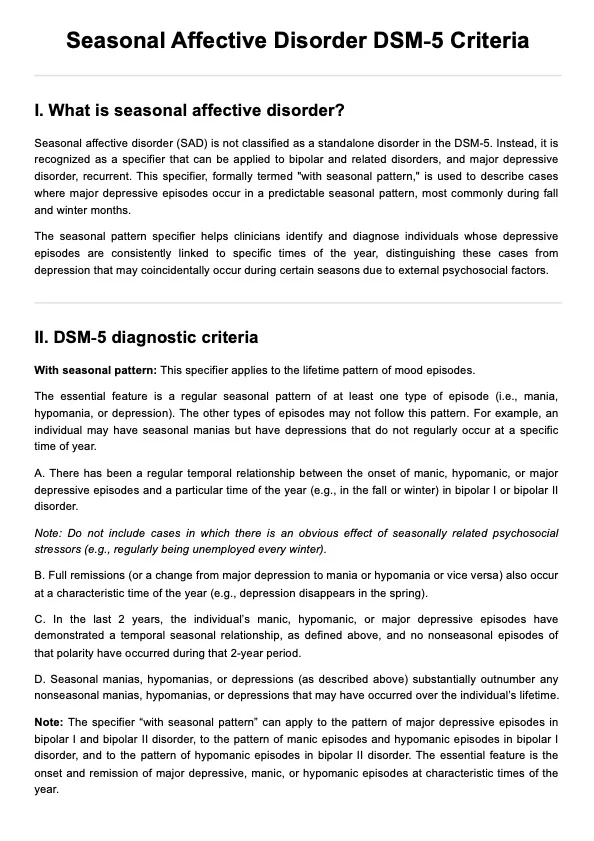
As autumn deepens, more people report mood drops without clear reasons, difficulty getting out of bed in the morning, and endless cravings for carbohydrates. While these symptoms are often dismissed with the phrase "falling into a funk," psychiatry approaches them under the concept of Seasonal Affective Disorder (SAD). However, there is an important caveat. According to American Family Physician, published by the American Academy of Family Physicians (AAFP), the DSM-5 does not list SAD as an independent diagnosis. Instead, it classifies the condition by applying a 'seasonal pattern' specifier to major depressive disorder or bipolar disorder 1.
The core criterion for diagnosis is temporal recurrence. Depressive episodes must recur during a specific season, particularly fall or winter, and symptoms must fully remit during other seasons. This pattern must persist for at least two consecutive years, and non-seasonal episodes in spring or summer must not be predominant 1. The fall and winter types are prone to accompanying atypical symptoms such as overeating and weight gain 1. In U.S. data, 1–10% of the general adult population is affected, the condition appears approximately four times more frequently in women than in men, and the average age of onset is reported to be 23 years 2. When stricter epidemiological criteria are applied, the lifetime prevalence is estimated at 0.5–2.4%, and 10–20% of patients already diagnosed with major depressive disorder exhibit a seasonal pattern 1. Thus, not 'all autumn blues' constitute SAD, but if recurrence and seasonal specificity are distinct, it falls within the realm of medical concern.
Shorter Days First Disrupt the Body Clock and Melatonin
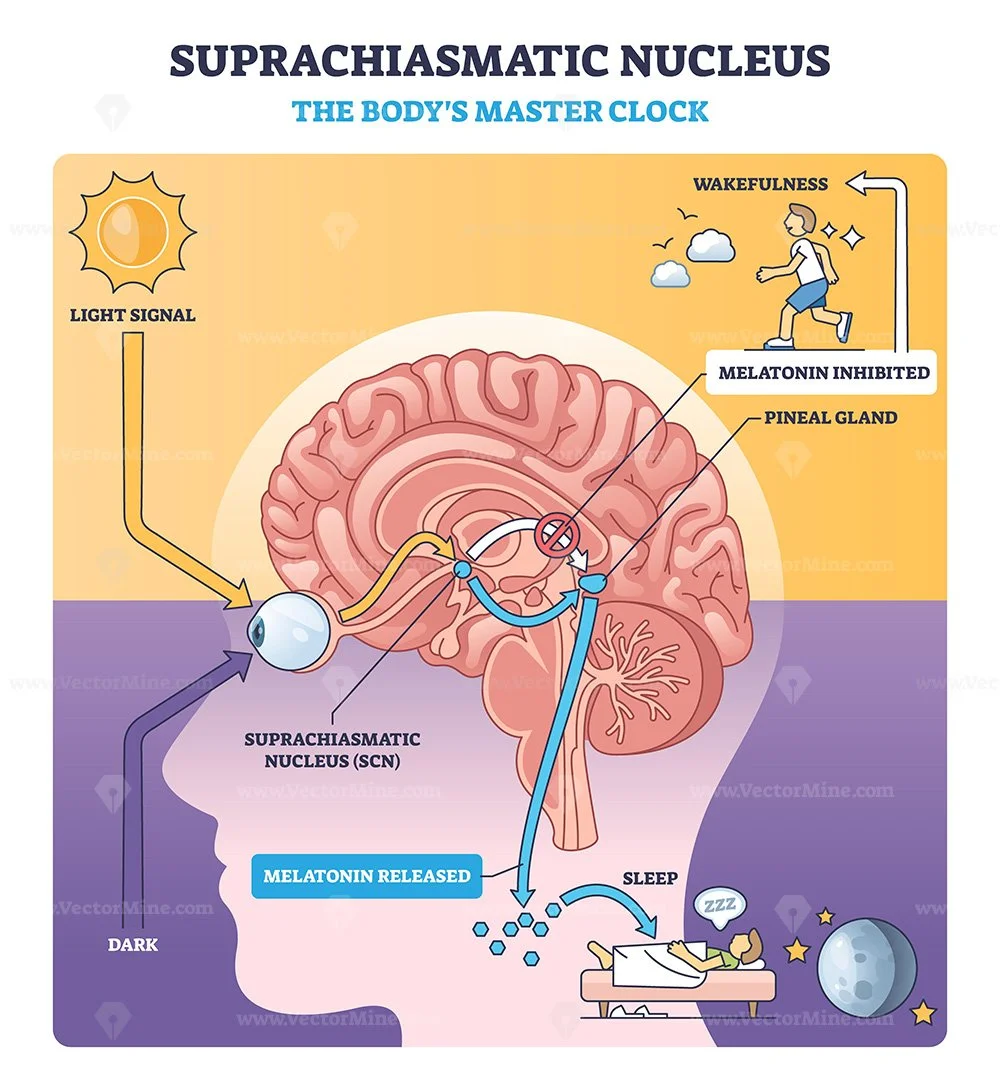
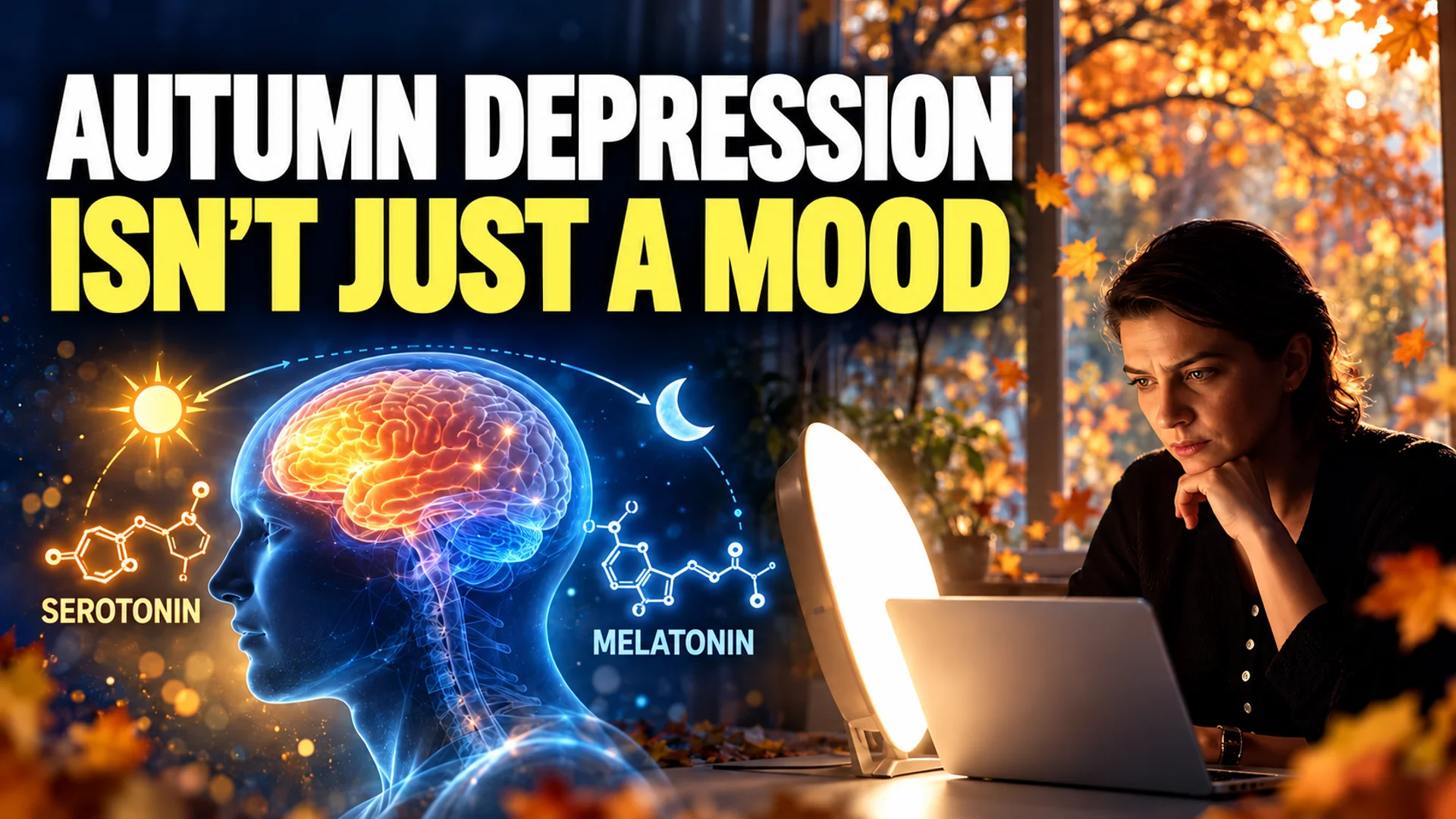
The biological starting point for autumn depression is the amount of light. Specialized neurons in the retina known as ipRGCs detect light intensity and wavelength, sending this information to the suprachiasmatic nucleus (SCN) located in the hypothalamus of the brain 3. The SCN serves as the body's biological clock, regulating sleep and wake rhythms based on day length. The problem arises when sunlight decreases, causing this reference point itself to become unstable.
When days shorten, the brain receives fewer light signals, which can prolong the secretion period of the sleep hormone melatonin or shift its timing earlier 34. In the field of nutritional neuroscience, experts point out that when the brain detects limited daylight, melatonin secretion begins much earlier than the actual bedtime 4. This disruption throws off energy levels and eating patterns, negatively affecting the brain's ability to adapt to environmental changes 4. The pronounced lack of refreshment upon waking in winter mornings, along with delayed awakening and lethargy, follows this same trajectory. Since morning sunlight serves as a reference signal to reset the biological clock, this is why exposure to natural light immediately after waking is advised as essential during the winter months 3.
The Increased Rate of Serotonin Conversion into Melatonin
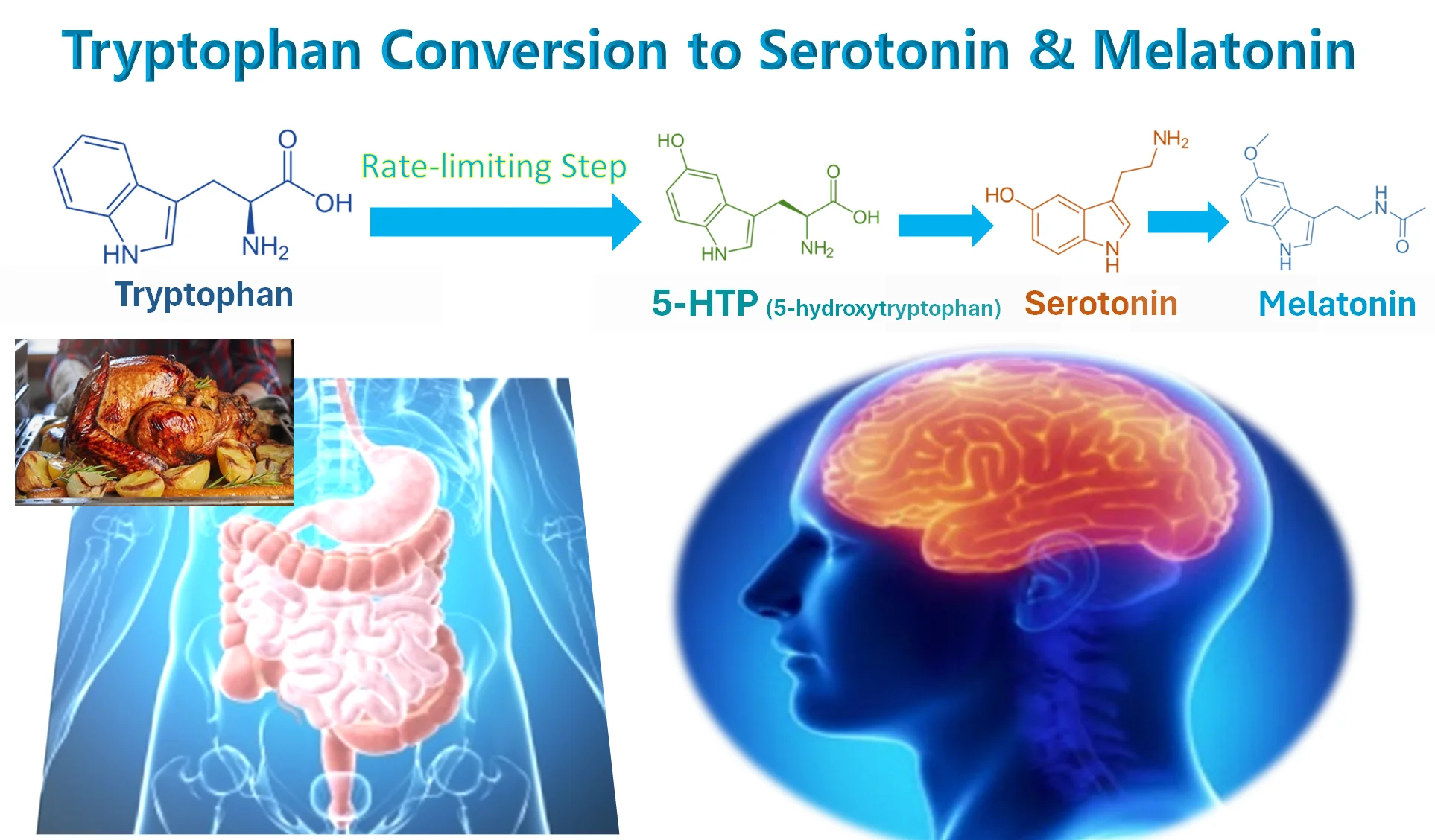
The fact that light reduction affects mood-regulating substances is the central mechanism of autumn depression. Serotonin is a neurotransmitter involved in mood regulation, appetite, and impulse control, while melatonin is a hormone that regulates the sleep-wake cycle. The issue lies in the explanation that serotonin can be more easily and rapidly converted into melatonin when light is scarce 4. Reduced light exposure leads to lower serotonin concentrations in the blood and brain 45, which is linked to typical seasonal depressive symptoms such as lethargy, decreased concentration, and increased appetite 4.
A particularly notable change is carbohydrate cravings. In a 2019 health guide, Cosmopolitan explained that decreased serotonin secretion—which governs appetite and impulse control—due to reduced sunlight leads to feeling hungry more easily 5. From a nutritional neuroscience perspective, a state of serotonin deficiency creates a vicious cycle that promotes the consumption of refined-sugar-rich snacks 4. When compounded by falling temperatures, the body's satiety center demands greater food intake to maintain body temperature 5. Therefore, asking "Why do I crave sweets so much these days?" is less about a lack of willpower and more akin to a biological signal resulting from overlapping neurotransmitter conversion and thermoregulatory demands in the brain.
Personal Risk Factors: Gender, Family History, Latitude, and Young Adulthood
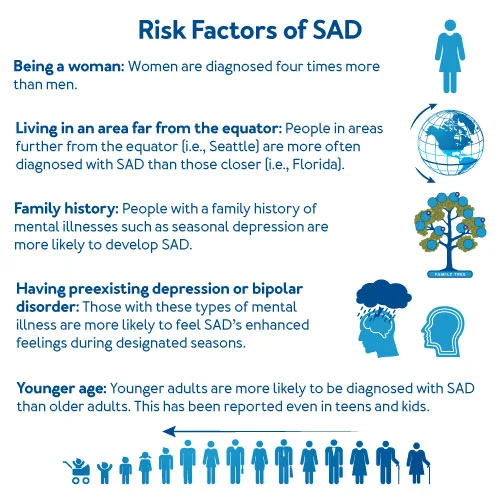
Not everyone responds to the same season to the same degree. Risk factors for the seasonal pattern include family history, female gender, living at higher latitudes, and being in the young adult age group of 18–30 years 1. Individuals with a history of mood disorders are also a more vulnerable group 4. While AAFP literature mentions these risk factors, it simultaneously qualifies that the strength of relevant evidence is limited 1. Conversely, other epidemiological data from the U.S. report that incidence rates are approximately four times higher in women than in men, with an average age of onset of 23 years 2. However, as these figures vary depending on study populations and diagnostic criteria, it is more accurate to view them as 'collective trends' rather than definitive numbers 21.
Symptom patterns also vary by seasonal type. Fall and winter types may involve atypical symptoms such as overeating and weight gain, while spring and summer types may exhibit opposite symptoms like insomnia, appetite loss, hypersensitivity to stimuli, and anxiety 1. Some sources provide more detailed descriptions of summer insomnia, appetite loss, and weight loss 2. Furthermore, like non-seasonal depression, untreated SAD can become a risk factor for self-harm, suicide, impaired academic and occupational performance, and other mental health issues 2. Therefore, mood drops recurring with seasonal changes should be subjects for observation and intervention, not dismissal with "it will pass."
Light Therapy and Morning Light Management as Recommended First-Line Treatments
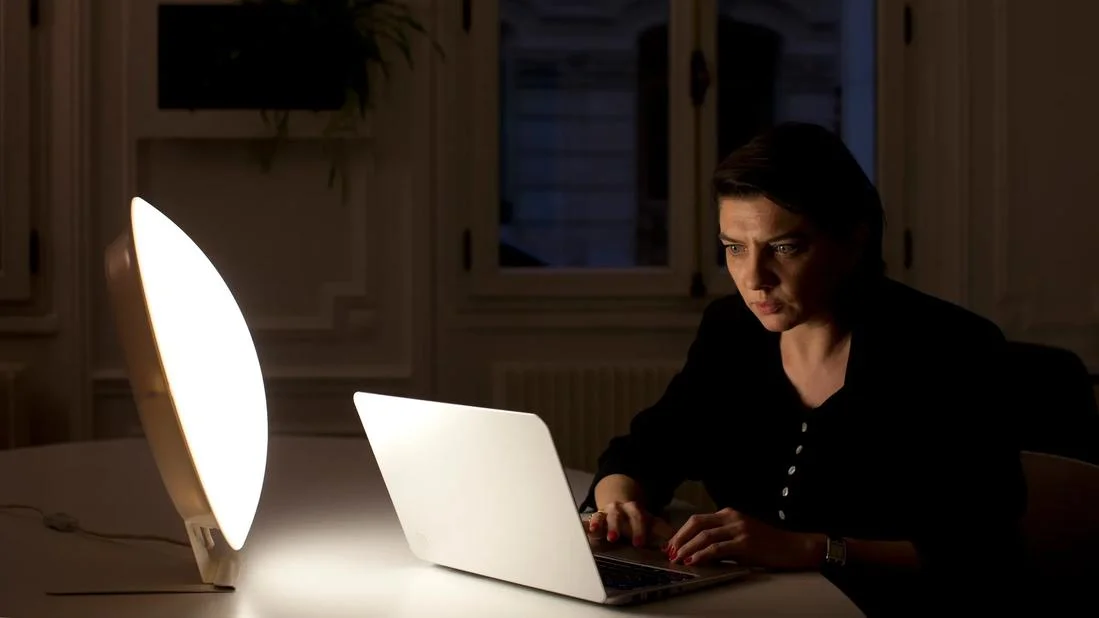
If light deprivation is the cause, then strategies to return light to the brain's biological clock are the most intuitive solutions. Light Therapy is the representative method recommended as a first-line treatment for SAD 1. Specifically, it involves exposure to bright light of 2,500–10,000 lux for 30–60 minutes at the same time each day 1. Several studies, including Cochrane reviews, have confirmed that light therapy has effects similar to antidepressants 1.
The basic home practice is morning exposure to natural light. It is recommended to receive light from natural sources or artificial light therapy devices immediately after waking up 4. Some perspectives suggest that the period around one hour after waking, when the circadian clock is most sensitive to light, is when light is most effective 4. The Cosmopolitan guide also presents daily exposure to natural light for more than one hour as a means to restore circadian rhythms 5. However, when using light therapy devices, lux levels and exposure times must be maintained according to product instructions and medical guidelines; excessive exposure can actually disrupt sleep rhythms.
Lifestyle Habits Supporting Serotonin: Exercise, Sleep Rhythm, and Diet

Medication and light therapy are not the only answers. Improving daily lifestyle habits is also a recommended component of SAD treatment 1. First, daytime aerobic exercise is introduced as a method that helps promote serotonin production and resynchronize circadian rhythms 34. The explanation that high-quality sleep rhythms are created when morning sunlight, regular sleep-wake cycles, daytime activity, low lighting in the evening, and the bedroom environment work together is an extension of this same principle 3.
Regarding diet, the focus should be on supporting serotonin synthesis. It is recommended to limit processed foods and maintain a balanced diet including proteins and complex carbohydrates 4. Low-glycemic index foods, such as oats or brown rice, can help with appetite control by maintaining satiety for longer periods 5. However, this should not be exaggerated into claims that 'specific foods cure depression.' The core goal is to reduce the vicious cycle of appetite dependent on refined sugars and to maintain stable energy metabolism. Caffeine or heavy meals before bedtime should also be monitored, as they can disrupt circadian rhythms and sleep quality 34.
Boundaries for Professional Intervention: Cognitive Behavioral Therapy, Medication, and Expert Consultation
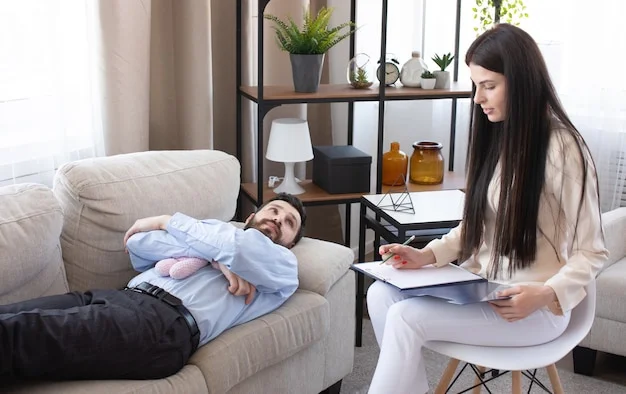
Autumn depression that cannot be resolved through lifestyle management requires more systematic intervention. First-line treatments for SAD include not only light therapy but also antidepressants, Cognitive Behavioral Therapy (CBT), and lifestyle improvements such as exercise and natural light exposure 1. Among medications, Selective Serotonin Reuptake Inhibitors (SSRIs) may play a role in treatment, but in the context of SAD, the overall quality of evidence is considered low 1. Conversely, for relapse prevention, bupropion is mentioned as an approved medication with the strongest evidence grade 1.
CBT occupies an interesting position. Studies report that CBT may be superior in the long term, showing lower winter relapse rates and higher remission rates compared to light therapy 1. Simultaneously, other sources describe CBT as an alternative showing effects equivalent to light therapy or pharmacological treatment 2. In other words, the prioritization between short-term symptom relief and long-term relapse prevention can become a key variable in treatment selection.
Finally, the limitations of self-diagnosis are also clear. SAD diagnosis should use DSM-5 criteria, while screening tools like the SPAQ have low sensitivity and specificity and are recommended only for research purposes 1. If insomnia, daytime drowsiness, or depression persists for more than three months, medical consultation is necessary, including for other sleep disorders such as seasonal affective disorder or sleep apnea 3. Ultimately, autumn depression is not just a matter of 'mood' but a physiological issue involving the interplay of light, hormones, and neurotransmitters, and recovery strategies must be designed to restore these physiological connections 3451.
References
- ↩
- Seasonal Affective Disorder (SAD): Symptoms, Treatment, Statistics · medicinenet.com↩
- 계절성 수면장애 원리|햇빛·기온·멜라토닌 변화가 숙면을 흔드는 이유 - Kori Science · koriscience.com↩
- Shorter days affect the mood of millions of Americans – a nutritional... · theconversation.com↩
- 건강도 가을 탄다, 가을 건강 주의보! · cosmopolitan.co.kr↩