"I bought it because they said it was a famous supplement, but why don't I feel any effect?"
Have you ever had this thought? If you feel like your body isn't what it used to be and you're tired no matter how much you sleep, but you are blindly following the vitamins trending on social media or the supplements others say are good, you should pay close attention to this article right now.
We are all born with different genes. Some people absorb Vitamin D very well, while others may have significantly low absorption rates due to genetics. As of 2026, the paradigm of health management has completely shifted from "what others are taking" to Precision Nutrition, which focuses on finding "what is necessary for me."
Today, I would like to provide an in-depth comparison of three nutritional intake pathways that will help solve your health concerns. Let's dive in to see whether gene-analysis-based customized supplements will be the answer for the future, or if traditional methods will still prevail.
1. Traditional Nutritional Intake: The Limits of Mass-Market Guidelines

The method we have used until now has been very simple. It involved selecting products based on recommendations from pharmacists or doctors, or choosing what "is trending these days" through TV commercials or internet searches.
This method certainly has advantages. It is affordable, highly accessible, and allows for the consumption of ingredients that have been popularly verified. For example, products like the global brand Centrum provide nutritional combinations beneficial to most people based on vast clinical data accumulated over decades. In fact, since there are research results showing that multivitamin intake can reduce sick days by 50%, it is very efficient for preventing basic nutritional deficiencies.
However, there is a decisive weakness: it "ignores individual differences."
According to a recent study by Professor Ryu Moon-sun's team at Yonsei University, it was revealed that the cause of anemia might not simply be a lack of iron, but rather the interaction between specific genetic factors and zinc. In other words, while iron supplements might be the answer for some, for those with genetically weak zinc transporter (ZIP10) function, taking only iron may not be a fundamental solution.
Ultimately, mass-market supplements may work for the "average person," but they always carry the risk of being excessive or insufficient for "you."
2. AI and Gene-Based Customized Supplements: The Optimal Solution Proposed by Science
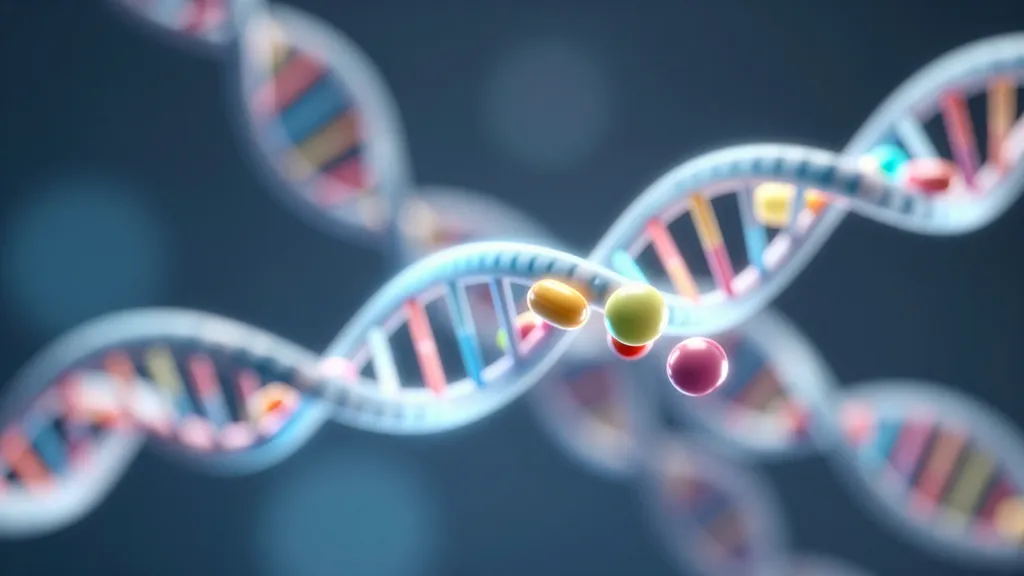
The innovation that has emerged here is gene-based customized supplements, which is the core trend of 2026. We have entered an era where you can check your genetic information with a single saliva test, and AI analyzes it to design a supplement just for you.
The greatest appeal of this method is "precision."
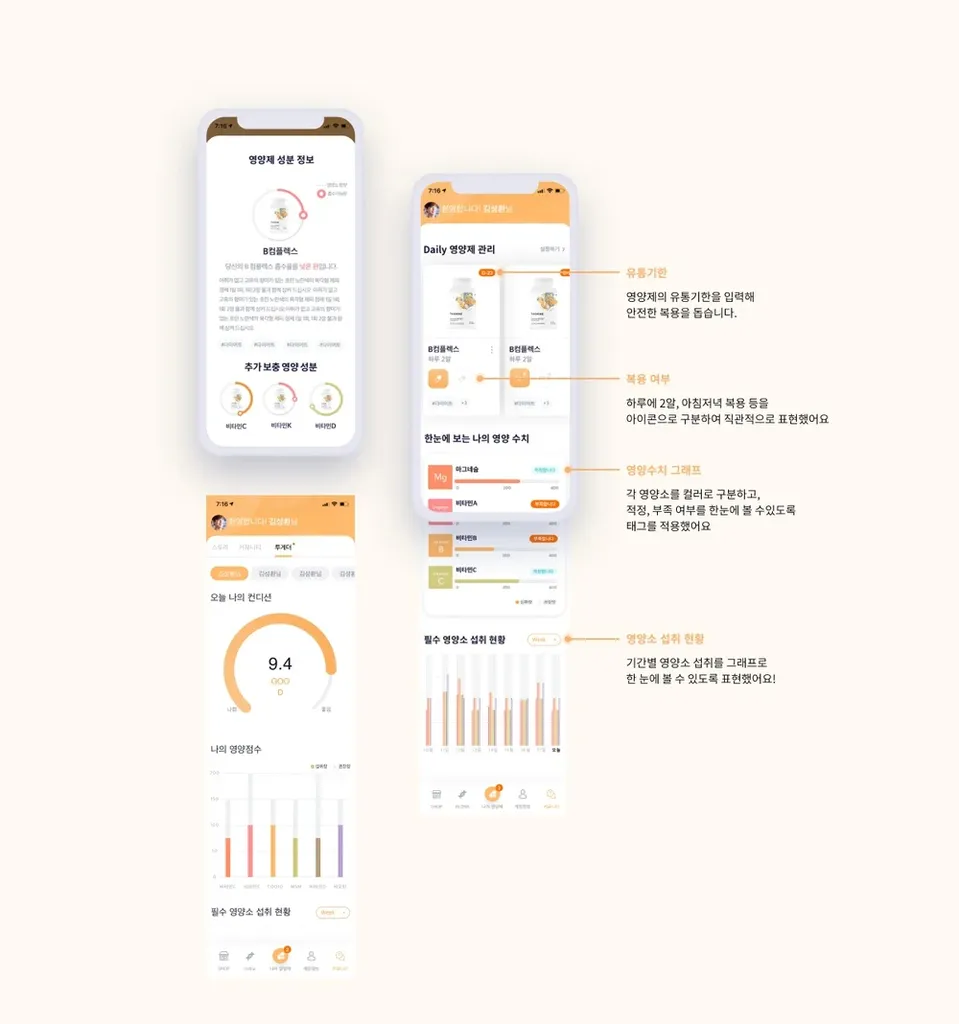
Recent AI healthcare services are combining not only genetic analysis but also microbiome (gut microbiota) analysis. For example, an AI might analyze your genes and inform you, "Your Vitamin D absorption efficiency is very low, so you need a higher dosage than the general recommended amount," or analyze your gut environment to select the probiotic that fits you best.
As of 2026, according to a survey by Macromill Embrain, consumer interest in such customized management is high, with 72% showing interest, indicating high trust and expectation for the technology. It is a very smart approach in that it supplies nutrients much like reading your body's blueprint to tailor a custom-fit outfit.
However, there are clear points of caution. First, the reliability of the data. We are still at a stage where large-scale studies (such as GWAS) are needed to perfectly prove the causal relationship between genetic information and nutrients. Second, variability. While genes do not change, our bodily condition and lifestyle habits change every day. This means that even if genetic results say, "You have a genetic predisposition to Vitamin C deficiency," it does not mean you must take only Vitamin C for the rest of your life.
Therefore, AI recommendations should be treated not as an absolute "answer," but as a "guideline" for yourself.
3. A Cold Comparison and Analysis of the Three Methods
Now, let's compare the three options at a glance to clear up any confusion.
| Category | Mass-market Supplements | Precision (Gene-based) Supplements | Balanced Diet & Lifestyle |
|---|---|---|---|
| Core Principle | Provides averages verified for the majority | Based on individual genetic/biological data | Nutrient intake through whole foods |
| Pros | Low cost, high accessibility, convenience | Targeting nutrients essential for me | The safest and most fundamental health management |
| Cons | Lack of individual optimization (excess or deficiency) | High cost, possibility of data interpretation errors | Lack of precision in nutrient regulation |
| Recommended For | General public seeking basic nutrition | Smart consumers who want to know their body's characteristics | Those looking to build the foundation of all health management |
Mass-market supplements are overwhelmingly superior in terms of cost-effectiveness. However, one cannot shake the feeling that it is a "lucky if it works" situation.
Customized supplements are very scientific and efficient. They can save money in the long run by reducing unnecessary supplement shopping. However, although the technology is advancing, it is much safer to supplement this with consultations from experts (doctors, nutritionists).
Finally, diet and exercise are the "default values" for all these technologies. No matter how good your gene-based supplements are, if you eat late-night snacks and do no exercise, the effects will inevitably be halved.
4. Conclusion: What is the Best Strategy for You?
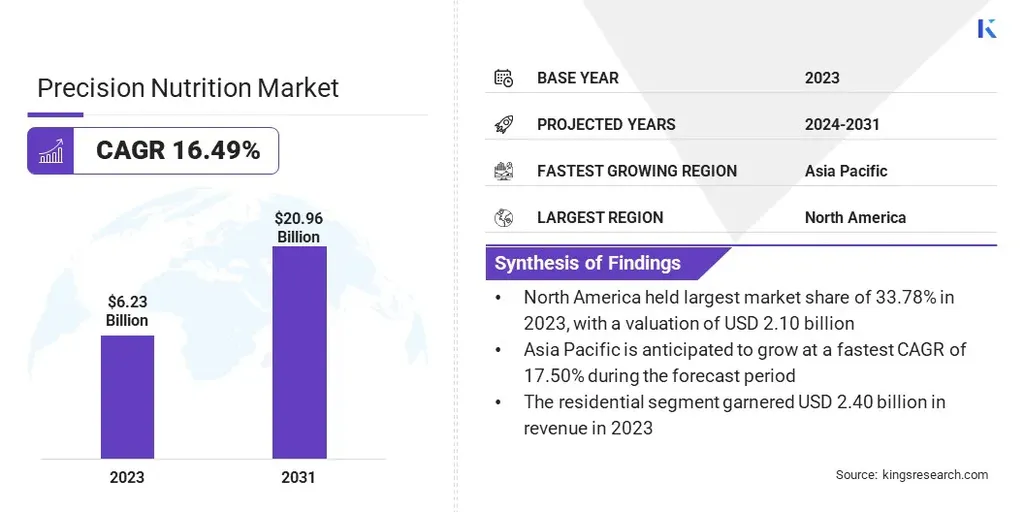
To conclude, the wisest health management strategy as of 2026 is the "combination of data-driven customized management and traditional habits."
The era of blindly following others is over. Utilizing genetic testing and AI technology to identify the vulnerabilities of your body is a very smart strategy. Simply knowing why you are sensitive to certain nutrients or which nutrients you are likely to be deficient in can drastically reduce trial and error in health management.
But do not forget. AI is a wonderful 'assistant' to help your health, not your 'master'.
The stepwise approach I recommend is as follows:
- Step 1: First, build a basic bodily foundation through regular meals and exercise.
- Step 2: Check your body's 'blueprint' through genetic testing or microbiome analysis.
- Step 3: Based on the analysis results, select customized products to fill your nutritional gaps, but do not become obsessed with the results alone; consult experts for advice.
Ultimately, health is not created by technology, but by your 'choices' and 'habits' in utilizing that technology.
What is your approach to health management? Would you be willing to find your own personalized supplements through genetic testing? Please share your thoughts in the comments!
References
- 2026년 AI 맞춤 영양제 시대! 내 몸에 딱 맞는 영양제, AI가 찾아줄까? · youtube.com
- 내 유전자, 영양제 알려줌?! 2026년 찐 트렌드! #맞춤영양제 #유전자분석 · youtube.com
- DTC(Direct-to-Consumer) 유전자 검사 기반 개인 맞춤형 식품 · ipet.re.kr
- 센트룸 데이에서 센트룸의 '과학'을 만나다 - Haleon · haleon.com
- 헤일리온, "인도·대만 임상서 멀티비타민 섭취시 아픈날 50% 낮춰 · dailymedipharm.com
- 데이터와 AI가 여는 정밀영양의 시대…영양학회, 2026 춘계 ... - 식품저널 · foodnews.co.kr
- “빈혈, 철분만큼 아연이 중요” 연세대 류문선 교수팀, 유전적 빈혈 위험 ... · news.unn.net
- Research gaps and opportunities in precision nutrition - PMC - NIH · pmc.ncbi.nlm.nih.gov