
Have you ever been on a subway or in an important meeting when a sudden, powerful sensation of intense abdominal cramping strikes?
In that moment, it feels as if the world has stopped, your mind becomes consumed by a single word—"toilet"—and cold sweat begins to pour.
This article is a Survival Guide prepared specifically for you, who are currently facing the greatest crisis of your life.
1. Emergency First Aid You Must Practice Right Now
If you are in a desperate situation where you cannot find a restroom immediately, your priority should be controlling your body's physical state.
The first thing you must do is correct your posture. Instinctively, you may want to hunch over, but this actually puts more pressure on your intestines, making the signal even stronger. Instead, sit up straight and cross your legs to apply pressure to your pelvis.
Crossing your legs can provide physical assistance in tightening the external anal sphincter. A tip for this is not to just cross your knees, but to cross your thighs while slightly leaning your upper body backward. This narrows the angle between the anal canal and the rectum, physically helping to suppress the urge for stool to pass.
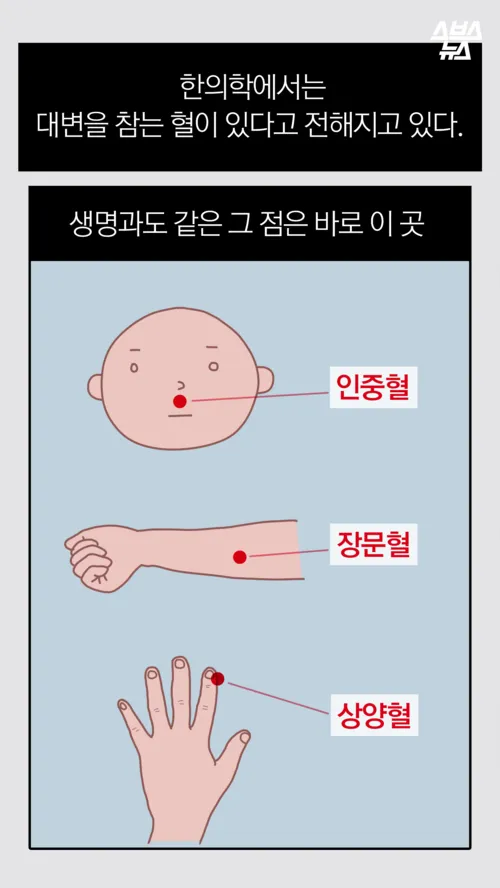
Next is acupressure. It helps greatly to remember a few acupoints recommended in traditional medicine.
- Jangmun-hyeol (章門穴): Located about 9–10 cm from the wrist toward the inner elbow on the pinky side. As the name "Gate of the Intestine" suggests, it is a point that governs the flow of the intestines. Try pressing this area firmly with your opposite thumb for 5 seconds, then rest for 3 seconds, repeating this 10–15 times.
- Hugye-hyeol (後谿穴): Located at the end of the palm line on the side of the pinky when you make a fist. In an emergency, even lightly tapping both sides of your pinky-side palm can help.
- Hapgok-hyeol (合谷穴): The indentation between the thumb and index finger. While famous for treating indigestion, it is also effective at relieving abdominal pain before diarrhea occurs by governing the large intestine.
While performing acupressure, do not forget to take deep breaths. You need to go through the process of inhaling and exhaling slowly while reassuring yourself, "I am okay." Psychological anxiety stimulates the sympathetic nervous system, which promotes intestinal movement, so you must maintain as much calmness as possible.
2. Psychological Strategy to Trick Your Brain: Distraction

As important as controlling your body is the technique of tricking your brain.
The more our brain focuses on the signal that "stool is about to come out," the more it amplifies that signal. You need powerful Distraction to prevent the brain from becoming immersed in the urge to defecate.
The easiest way is to use your smartphone. Watch a very stimulating YouTube video or engage in an endless KakaoTalk conversation with a friend to divert your brain's processing power elsewhere. Alternatively, try solving a very difficult math problem in your head or recalling the lyrics of your favorite song from start to finish.
This is not mere stalling. It is a scientific approach to making the brain temporarily deprioritize the recognition of the defecation signal. The moment you think, "I must hold it in!", your brain is already focusing on the stool, so you must forcibly shift your attention.
3. Why Is It So Painful? (The Mechanism of an Urgent Bowel Movement)
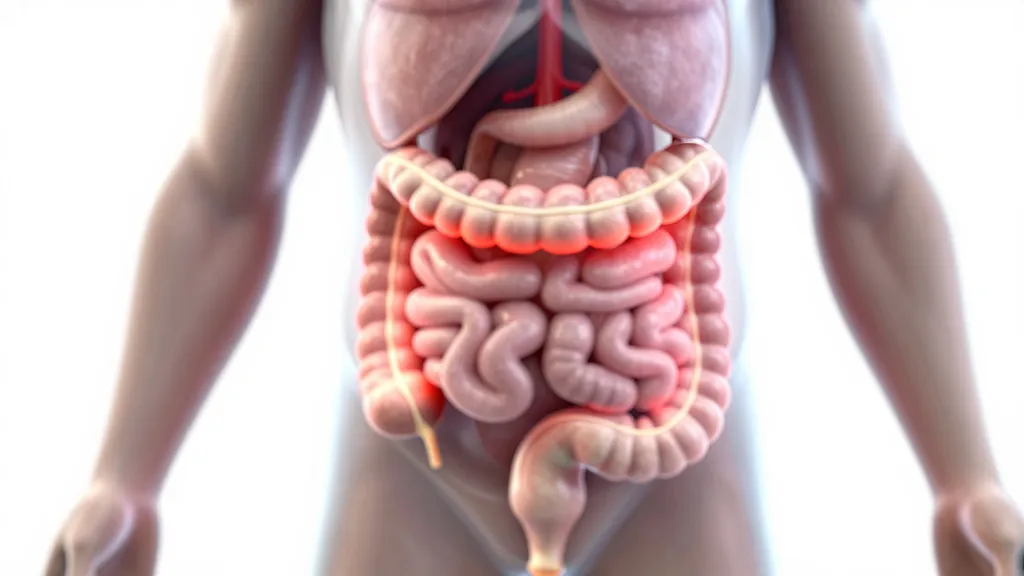
Why on earth do these sudden and powerful signals occur on certain days?
According to experts, once about 200mL of stool accumulates in the human rectum, a strong urge to defecate begins. It is said that the maximum amount a human can physically hold is about 400mL.
The problem, in particular, is the consistency of the stool. Loose stool (diarrhea) is much harder to hold than hard stool. This is because liquid stool has a strong tendency to rapidly push its way down through the gaps between the sphincters.
If you frequently experience such sudden signals, it may not simply be "bad luck." Irritable Bowel Syndrome (IBS) is a condition that plagues many modern people, sending irregular, urgent signals depending on stress or diet.
Furthermore, many studies in 2026 warn that systemic diseases such as diabetes can affect the pelvic floor muscles or the intestinal nervous system, causing loose stools. In other words, if urgent bowel movements are too frequent, it could be a health red flag from your body.
4. Is It Really Dangerous to Hold It In? (Risks to Watch For)
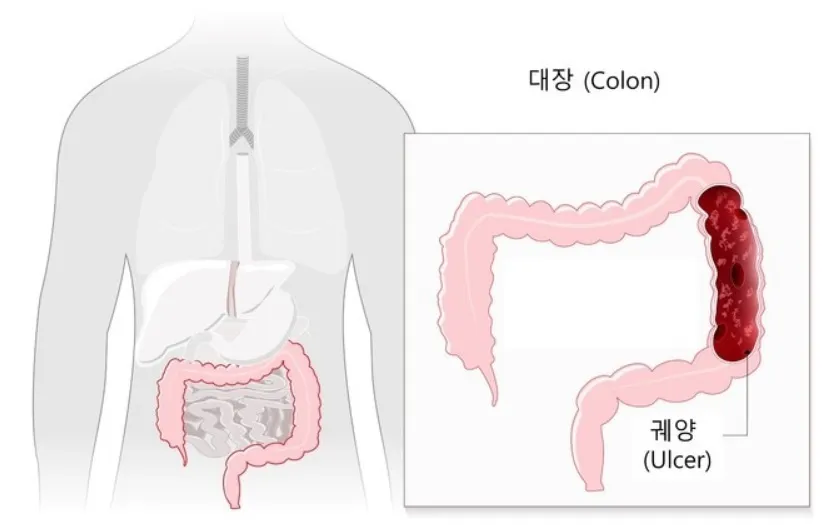
You might think, "It's just holding it for a moment, what's the big deal?" but if this situation repeats, your body will scream.
The most common risks are constipation and hemorrhoids. If you hold in stool, the large intestine absorbs excessive moisture, making the stool hard as a rock. This places immense pressure on the anus during defecation, causing hemorrhoids, or in severe cases, it can lead to fecal impaction, where the stool gets stuck in the intestine.
More serious is vasovagal syncope. While straining excessively to hold in stool, your blood pressure can change abruptly, potentially causing a temporary interruption of blood flow to the brain. This means you could experience a sudden blackout and collapse.
Though rare, there are life-threatening cases. If stool remains stagnant for too long, it can cause intestinal volvulus (twisting of the intestine), or even a life-threatening situation called intestinal perforation, where the hardened stool pierces through the intestinal wall.
Therefore, acupressure or posture correction should literally be an "improvised measure to buy time until you reach a restroom." The healthiest way is to resolve the urge as quickly as possible once the signal arrives.
5. An 'Urgent Bowel Movement Prevention Guide' for Daily Life
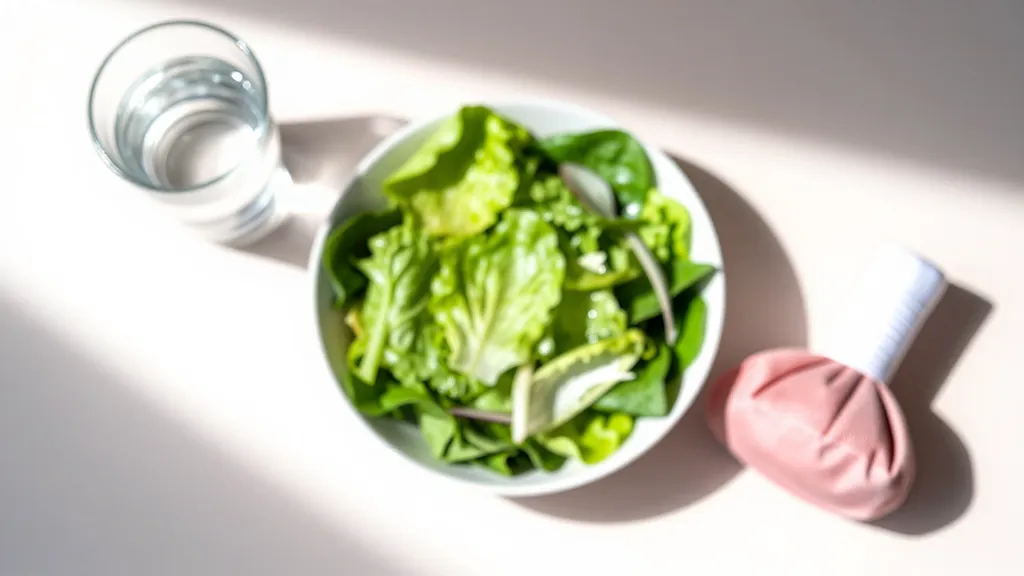
The best way to handle this is actually not to create such a situation in the first place.
First, managing your eating habits is essential. Consuming enough vegetables and fruits rich in dietary fiber helps regulate the moisture in your stool, preventing it from becoming too loose or too hard. Conversely, you should be careful with spicy foods, greasy foods, and cold beverages, as they can stimulate the intestines and trigger sudden signals.
Also, do not forget the importance of hydration. Drinking enough water—at least 1.5 liters a day—is the most fundamental and powerful preventive measure for maintaining intestinal health. Since soft drinks with high caffeine or sugar content can actually stimulate the large intestine, you should moderate your intake.
Finally, develop the habit of keeping your abdomen warm. If the abdominal area becomes cold, intestinal movement can easily become irregular.
Summary and Conclusion
Let's briefly summarize what we have covered today.
- Emergency Situation: Cross your legs and lean your upper body back to reduce physical pressure, and use acupressure on the Jangmun-hyeol, Hugye-hyeol, and Hapgok-hyeol.
- Psychological Control: Divert your attention elsewhere so your brain does not focus on the stool.
- Precautions: Holding it in is only a temporary measure, and if repeated, it can be fatal to intestinal health.
An urgent bowel movement is an uninvited guest that can visit anyone, but if you know how to handle it properly, you can overcome this crisis without panic. Remember that healthy daily eating habits are your most powerful shield in protecting your peaceful daily life.
Among the methods you have read so far, do you have your own 'secret holding technique'? Please share it in the comments!
References
- 급똥 신호 왔을 때 참는법 - YouTube · youtube.com
- 급똥 참는법, '이곳'을 지압하면 돼요! - 네이버 블로그 · m.blog.naver.com
- 당장이라도 '똥' 분출될 거 같을 때… "이렇게 참아라!" - 헬스조선 · m.health.chosun.com
- 급똥 참는법 | 지압을 포함한 효과적인 5가지 방법 - 네이버 블로그 · m.blog.naver.com
- 급똥 - 나무위키 · namu.wiki
- 똥 참았다가 '실신'까지?… 대변 참으면 안 되는 이유 3가지 - 헬스조선 · m.health.chosun.com
- 대변을 참으면 위험한 이유 5 - 코메디닷컴 · kormedi.com
- Is it bad to hold your poop? What to know - Medical News Today · medicalnewstoday.com