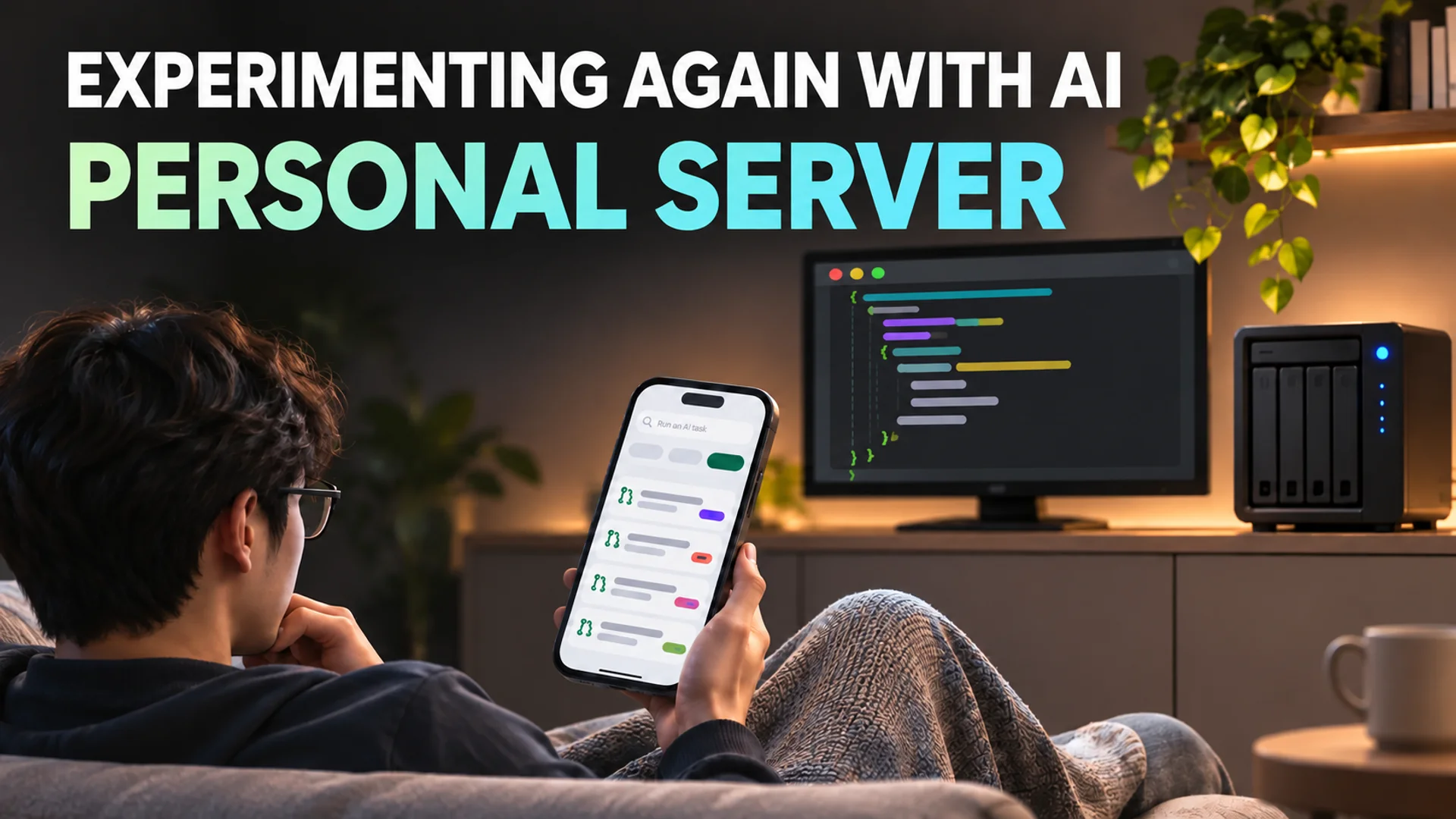
For a long-time personal server operator, an AI coding tool became an unexpected reason to revisit an experiment they had put off. They tweaked the operating system configuration on their home server and automated updates and deployments. They described the changes in a blog post on November 26, 2026. 1
Self-hosting means installing and running software on your own home computer or a rented server, rather than using a finished service provided by another company. You can configure it however you like, but you also have to handle setup and updates. What makes the author’s experience interesting is not that AI did all the work for them, but that it got them started on something they knew how to do but had struggled to find time for. 1
Returning to an operating system they’d been curious about
The author says they would often put off a task if trying a new service or changing an existing setup meant spending an evening reading change logs and documentation and troubleshooting. It wasn’t that they lacked the skills; the effort simply seemed too great for what they would get out of it. Since starting to use AI coding tools, they’ve found themselves acting on more spur-of-the-moment ideas. 1
They already had their server configuration organized in files. The author kept Docker Compose files describing how to run services, scripts, and other files in a Git repository. Git is a tool for tracking changes to files. Because the configuration was stored in files like these, the author says an AI coding agent could help with infrastructure tasks much as it would with a conventional software project. 1
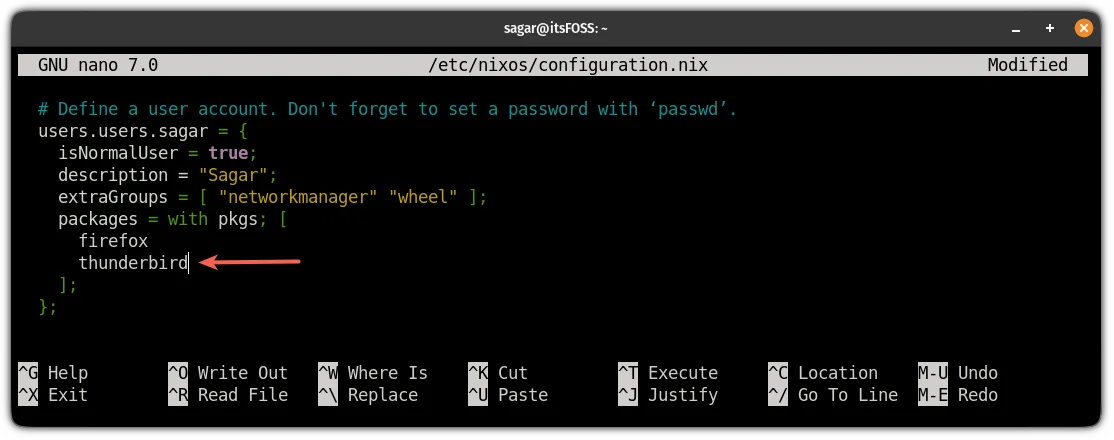
NixOS is one example of a technology they started using more on their home server. NixOS is a Linux operating system that lets you manage a system by describing its desired state in configuration files. The author had been interested in this approach before, enough to try it on a laptop, but found it difficult to get every setting just the way they wanted. Now they get started by asking AI questions and refine the configuration as they learn along the way. 1
A setup that took half a day—and an estimate of a week
The author also tried something new on a virtual server rented outside the home. They started building their own Debian-based bootc image. In this setup, the operating system’s full configuration is kept in a Git repository, and a bootable image is automatically built from it. You can think of an image as a package containing the operating system used to run a server. 1
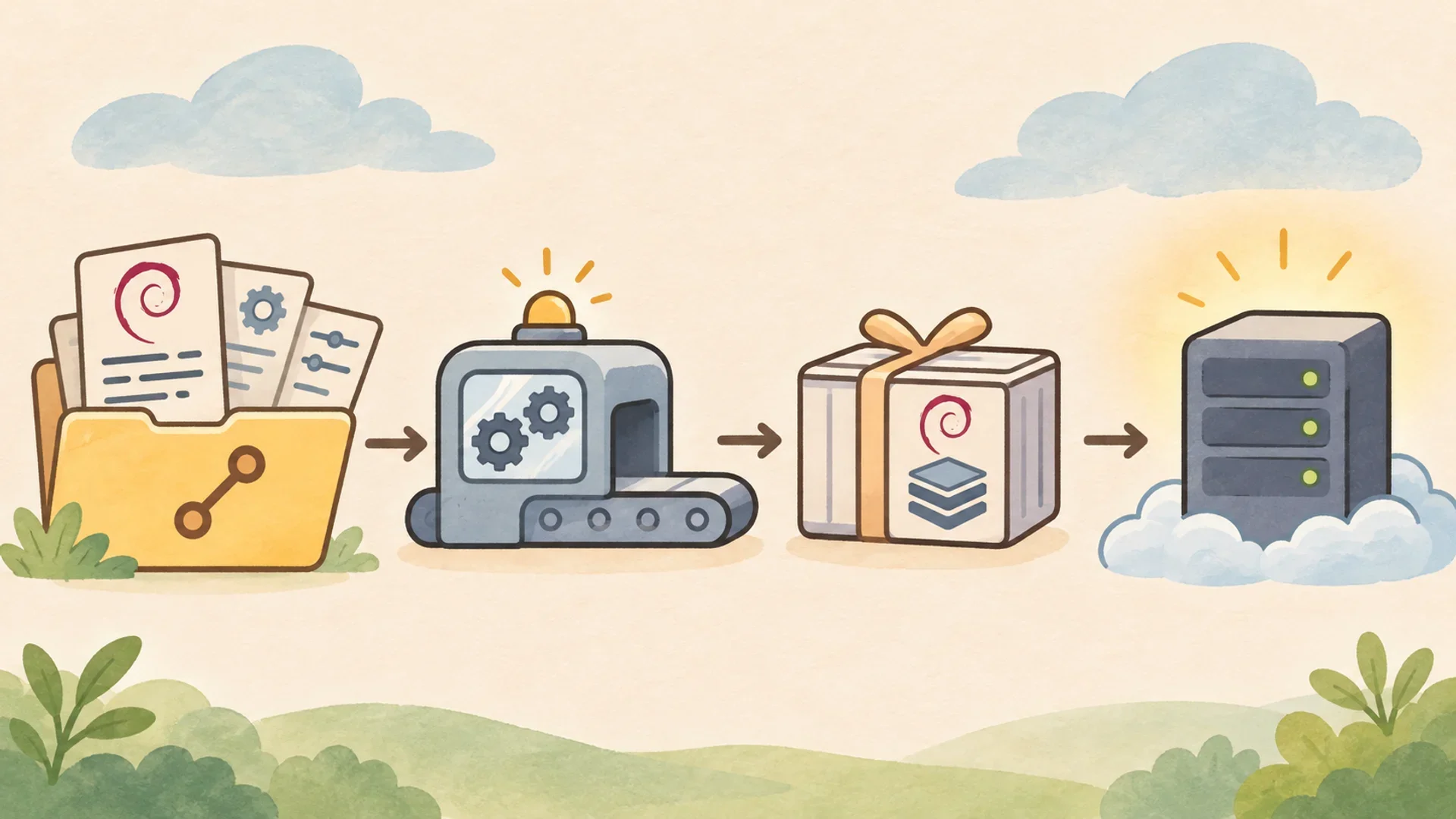
This wasn’t a one-click job, either. The author said that a few months earlier, it had taken half a day to set things up for the first time with AI’s help. They also estimated it would have taken at least a week without AI, but that was their own retrospective estimate, not the result of an experiment measuring the same task under both conditions. 1
The author says they didn’t need to understand every little detail before getting started. Instead, they asked questions as they went and gradually improved the configuration. But they had already been running servers and managing configuration files for years, so this doesn’t mean someone new to servers could finish the same work in the same amount of time. 1
Automating the process from updates to deployment
AI’s help went beyond trying out new technologies. The author automated most of the build, update, and deployment process for their services. Deployment means applying a changed program or configuration to the actual server. Checking for new versions, changing the version tags on required images, and uploading changes to the server were repetitive tasks, but ones that had to be done each time. 1
Previously, they would edit the service version and configuration files on a laptop, then push the changes to a Git repository. Next, they would connect remotely to the server, pull the changes, and deploy them manually. Now, a single action—pushing changes to the repository—is enough, and in some cases, even that action isn’t necessary, they say. 1
The key was dividing up the work and connecting the tools. Renovate checks for new software versions and creates a change proposal called a “pull request.” The author usually just needs to review the proposal and merge it into the existing configuration. Then an automation tool such as GitHub Actions or Forgejo Actions builds and deploys what’s needed in response to the change. The author says they can even review proposals on their phone from the couch. 1
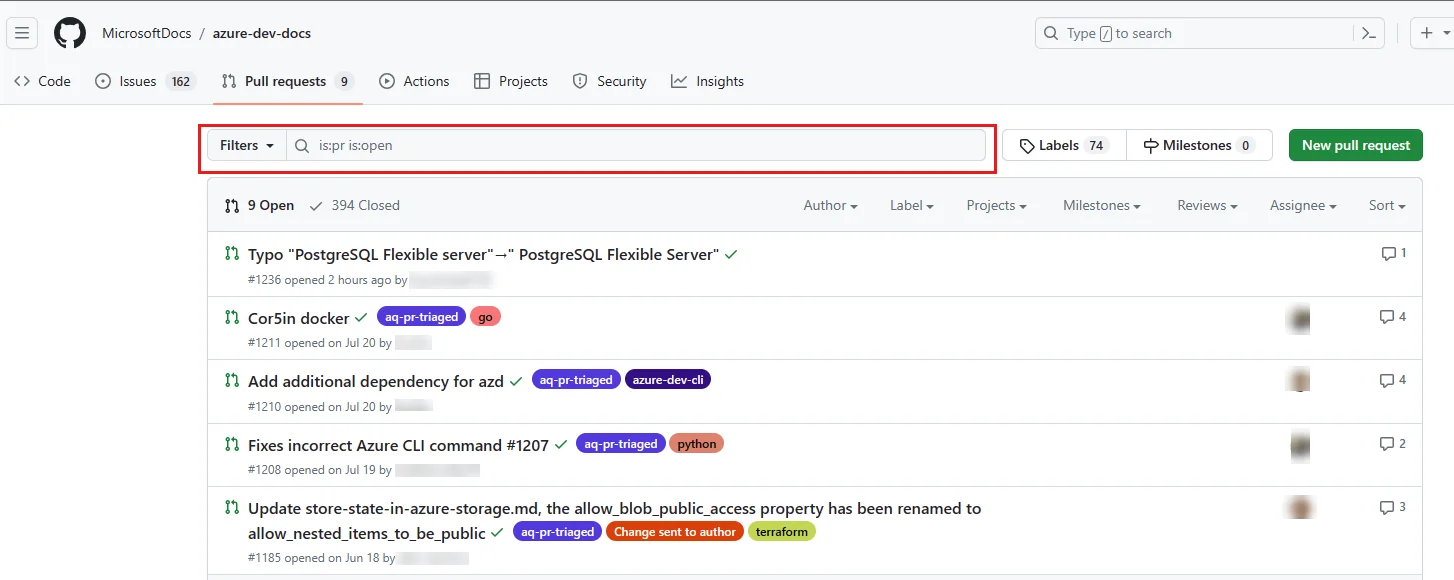
Image source · learn.microsoft.com
These automation tools existed already and could be used without AI. The author says AI’s role wasn’t to replace the tools, but to help put together pieces they had rarely found the time to connect before. Once set up, the workflow cuts down on the effort they used to repeat whenever they changed or updated a service. 1
Building small tools instead of searching for them
AI has also changed how the author tackles small problems. They used to spend time finding public software with the features they needed, comparing options, and adapting one to their use. Now, for a small problem, building a tool themselves feels like a more appealing option. Recently, they created tools to automatically download invoices, digital newspapers, and Linux installation image files. 1
These tools don’t need to satisfy every user or have a polished interface. The author says they build them in Go, their preferred programming language, sometimes with AI’s help, and tailor them to solve only the problems they need to address. There’s no need to turn them into public projects with extensive documentation or support systems for others, either. 1
The automation they set up earlier helps here, too. The author says it takes less effort than before to create a small tool, build an image for running it, and deploy it on the home server so it keeps working. In practice, they’ve started running more services, moved some from a virtual server to the home server, and brought an unused mini PC back into service to improve performance and reduce noise. 1

That doesn’t mean the cost of adding a new service has disappeared. The author points out that every service needs maintenance, and software created with AI can have bugs and security issues. Even if AI changes the server configuration, they’re still responsible for understanding that change. They say that now it’s easier to build something, it’s all the more important to ask whether it’s really needed. 1
Conclusion
The invoice downloader the author built doesn’t need to be a finished product for everyone. It just needs to do what they need. With help from AI and automation, a small idea they had been putting off became a tool that actually runs on their home server. 1
Is there a repetitive digital task you’d like to try automating yourself?
References
- AI made self-hosting fun again · janlukas.blog↩