OpenAI announced on November 24, 2026, that small proteins designed with help from a pre-release version of GPT-6.2 showed signs of binding to five types of targets in laboratory tests. Researchers tested 322 candidates, of which 35 tested positive for binding. The tests examined whether designs on a screen could be made into real substances and bind to their targets. 1
Proteins perform many roles in cells, such as helping reactions take place and fighting infections. Their functions are influenced by the order in which their building blocks, called amino acids, are connected and the three-dimensional shapes into which they fold. To create a new protein that attaches to a particular substance, researchers need to find not only the right shape but also an amino acid sequence that will fold into it. 1
First, they chose the targets and binding sites
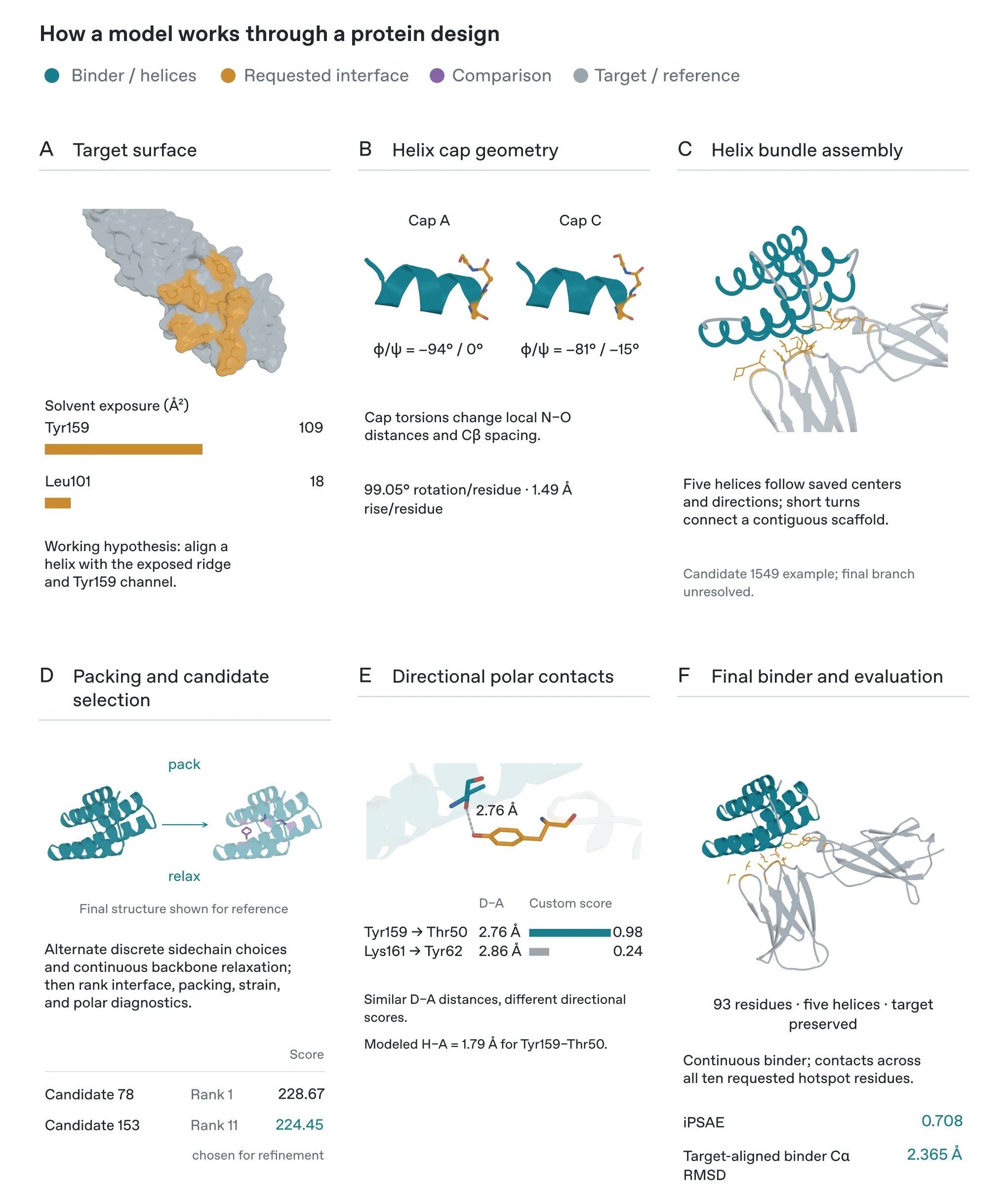
The first experiment focused on “minibinders”—small proteins designed to attach to target proteins. Researchers gave GPT-6.2 the three-dimensional structures of five targets and marked where they wanted the minibinders to bind. GPT-6.2 created the minibinders’ three-dimensional shapes by writing code, without calling on specialized AI models for proteins. 1
For example, in a design targeting IL-7Rα, the model examined the surface and proposed how the two proteins might interact. It then used code to explore different shapes and amino acid options, arranging five helical segments to see whether they could fit together with the target. In other words, researchers first specified the desired binding site, then searched for a shape that would fit there. 1
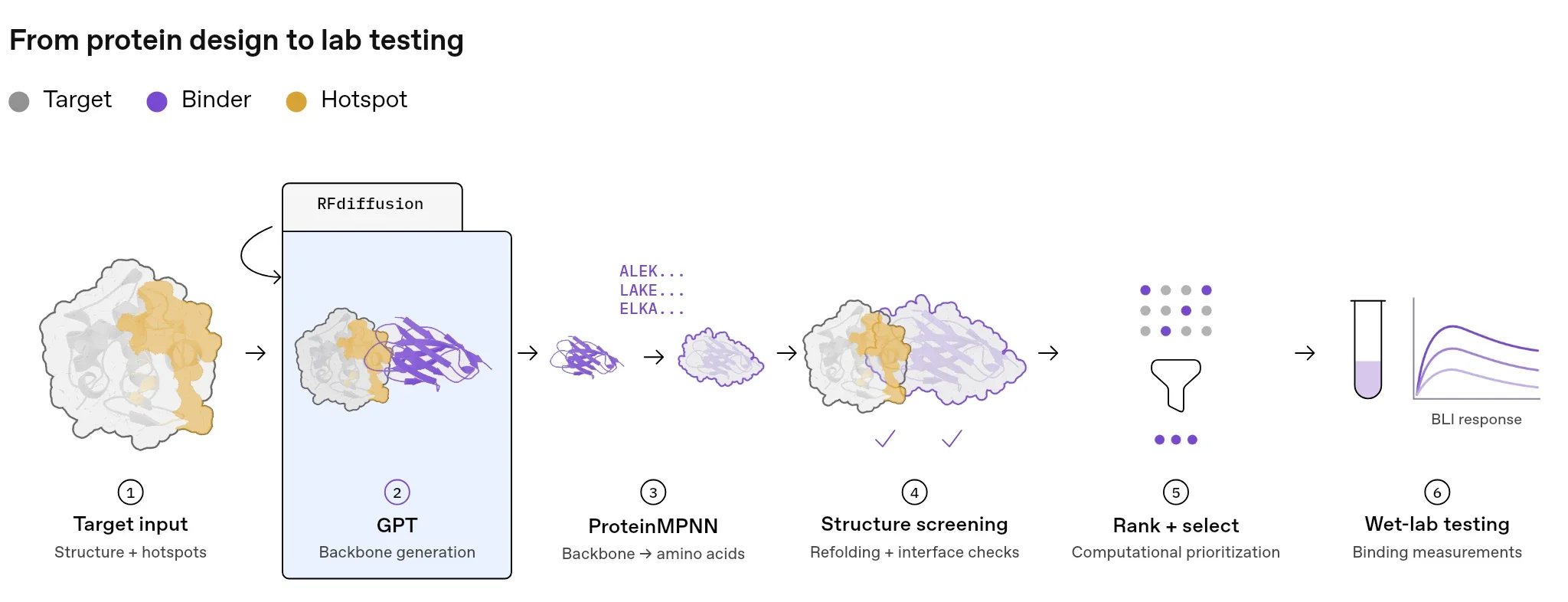
But a three-dimensional shape alone isn’t enough to make a protein for testing. Researchers used the specialized model SolubleMPNN to suggest amino acid sequences suited to each shape, then used other specialized protein models to select candidates predicted to fold as intended and bind at the desired site. Research partner Onava produced and tested those candidates. GPT-6.2 designed the shapes, but specialized models were also part of the process before testing. 1
Tests of 322 candidates found signs of binding to all five targets
Researchers tested whether 322 minibinders attached to their intended targets; 35 tested positive. That’s 10.9% of the total. The key finding was that at least one candidate showed signs of binding for each of the five targets. PD-L1, for example, is a protein that some cancers use to evade the immune system. 1
| Intended target | Number of candidates that tested positive for binding |
|---|---|
| PD-L1 | 5 |
| IL-7Rα | 3 |
| TrkA | 1 |
| VEGF-A | 8 |
| IL-17A | 18 |
| Total | 35 |
The numbers in the table show how many candidates displayed signs of binding to each target. The announcement does not specify how many candidates were tested for each target, so the numbers alone cannot be used to compare success rates across targets. A positive result is evidence, for now, that a candidate bound to its intended target in the lab—not that it works as a treatment. 1
OpenAI noted that the original research on RFdiffusion, a specialized protein-design model, reported a higher hit rate. However, it explained that the rate can vary greatly depending on how rigorously candidates are screened before testing and how binding is defined. That makes it difficult to draw conclusions about which of the two models performs better based on this 10.9% figure alone. 1
They also tested whether GPT could redesign sequences from shapes
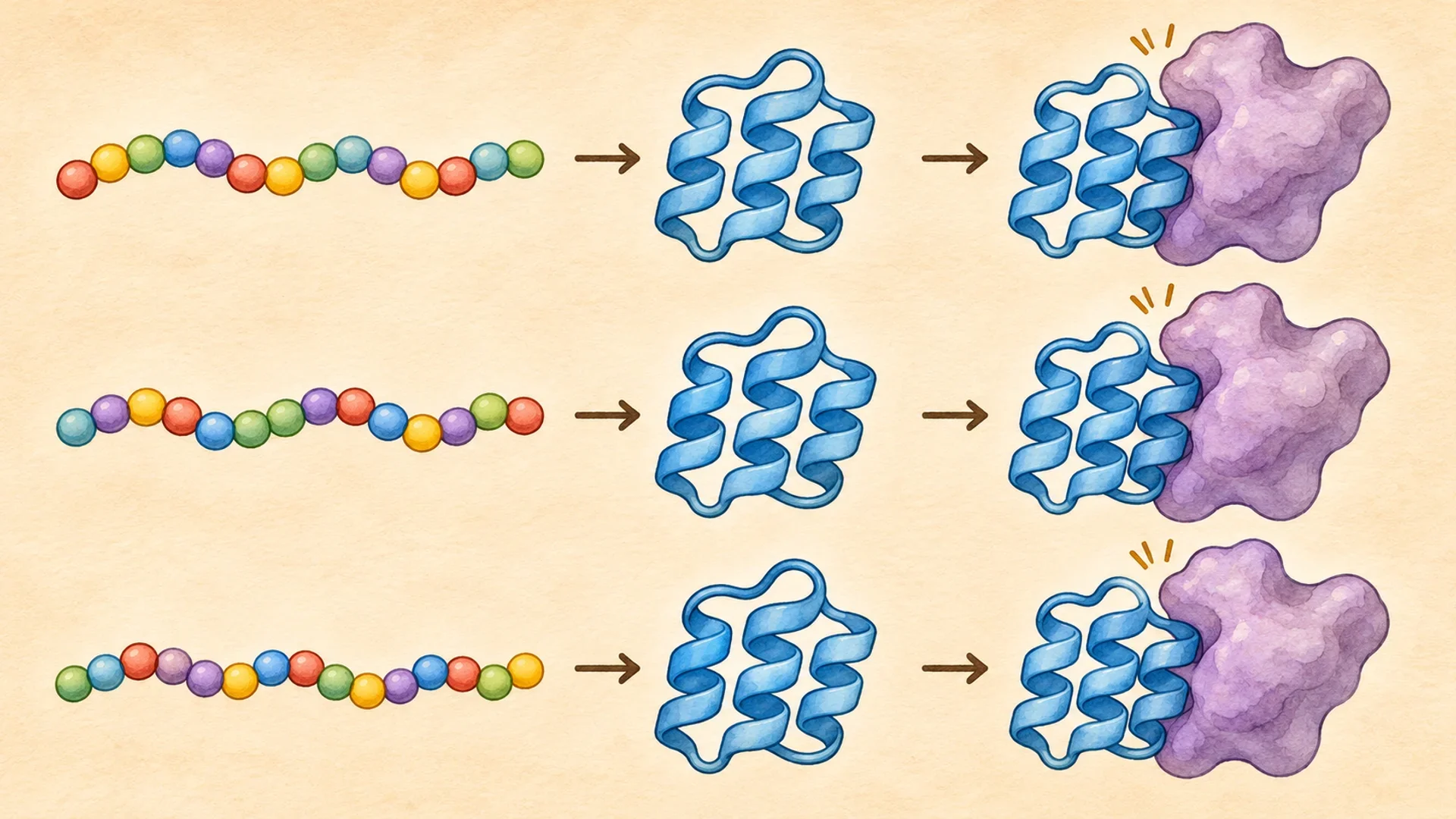
In a separate experiment, researchers examined whether GPT-6.2 could also propose amino acid sequences. They showed the model a three-dimensional model of a minibinder bound to its target, but hid the original sequence and asked it to produce a new one. Specialized models were again used to select candidates for production and testing. 1
Initial screening results from this experiment varied widely by target. Binding was observed in 75 of 88 designs targeting MDM2, 26 of 42 targeting VEGF-A, and 8 of 59 targeting PD-1. Those figures correspond to 85%, 62%, and 14%, respectively. The starting point here differed from that of the earlier experiment involving 322 candidates: instead of creating new shapes from scratch, researchers redesigned sequences based on the structures of minibinders already known to bind. 1
There was also a test using three shapes that had not previously been made public. GPT-6.2 had designed those shapes earlier, and binding had been confirmed when they were produced using sequences proposed by specialized models. This time, GPT-6.2 proposed new sequences, and 14 of the 107 proteins made with those sequences showed signs of binding. For one PD-L1 design, two sequences that differed substantially from the original both showed signs of binding to the same target. 1
They checked whether antibodies still bind after redesign
Researchers also redesigned the loop regions antibodies use to grab targets. First, they prepared six small antibodies that bind to the same target, IL-4Rα. They gave GPT-6.2 their predicted three-dimensional structures and most of their sequences, but left out the sequences for the three loops involved in binding and asked the model to fill them in. Of the 182 designs tested, 128—or 70%—showed signs of binding. 1
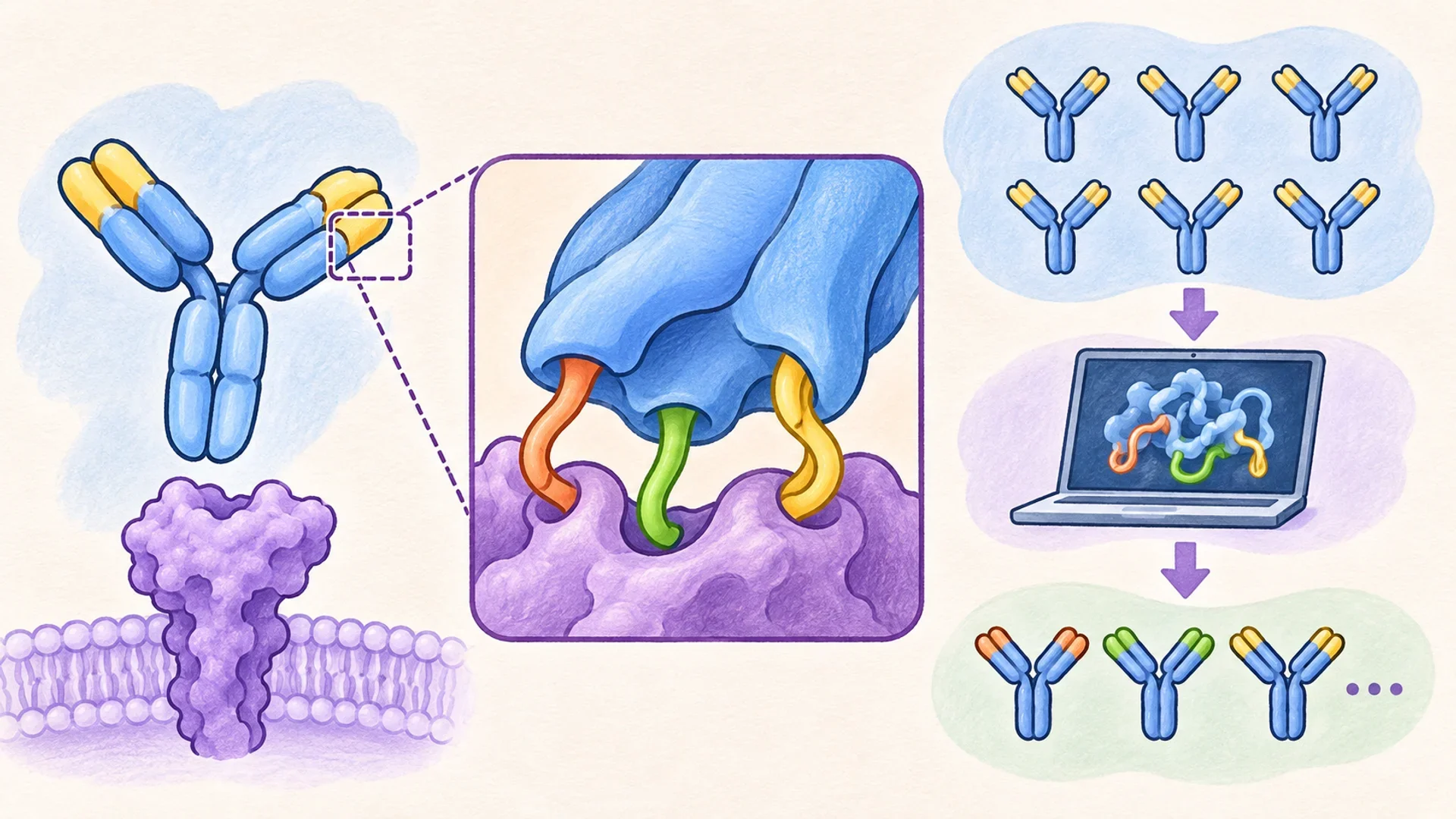
Next, researchers provided the original sequences of five therapeutic antibodies and asked GPT-6.2 to keep everything else unchanged while replacing roughly half of the amino acids in each of the three binding loops. They made the altered regions into antibody fragments and tested them; 179 of 272 bound to their original targets, PD-1 or PD-L1. That’s 66%. The question in this experiment was whether binding was maintained after the changes—not whether the antibodies bound more strongly or had improved therapeutic effects. 1
OpenAI said that in several computational evaluations, the latest model performed comparably to or better than specialized models. It also said, however, that predicting a protein’s full structure from its amino acid sequence remained a clear weakness. And because specialized structure-prediction models were used to screen candidates, the results did not demonstrate that GPT-6.2 could create new minibinders from start to finish without help from specialized models. 1
Conclusion
Returning to the initial question: among the candidates whose shapes GPT-6.2 designed, some proteins did bind to their targets. Five candidates showed signs of binding to PD-L1, which some cancers use to evade the immune system. This is an example of how AI could help with one step in the process of finding new proteins that bind to specific targets. 1
Which fields are you most curious about when it comes to potential applications for proteins that bind to specific targets?