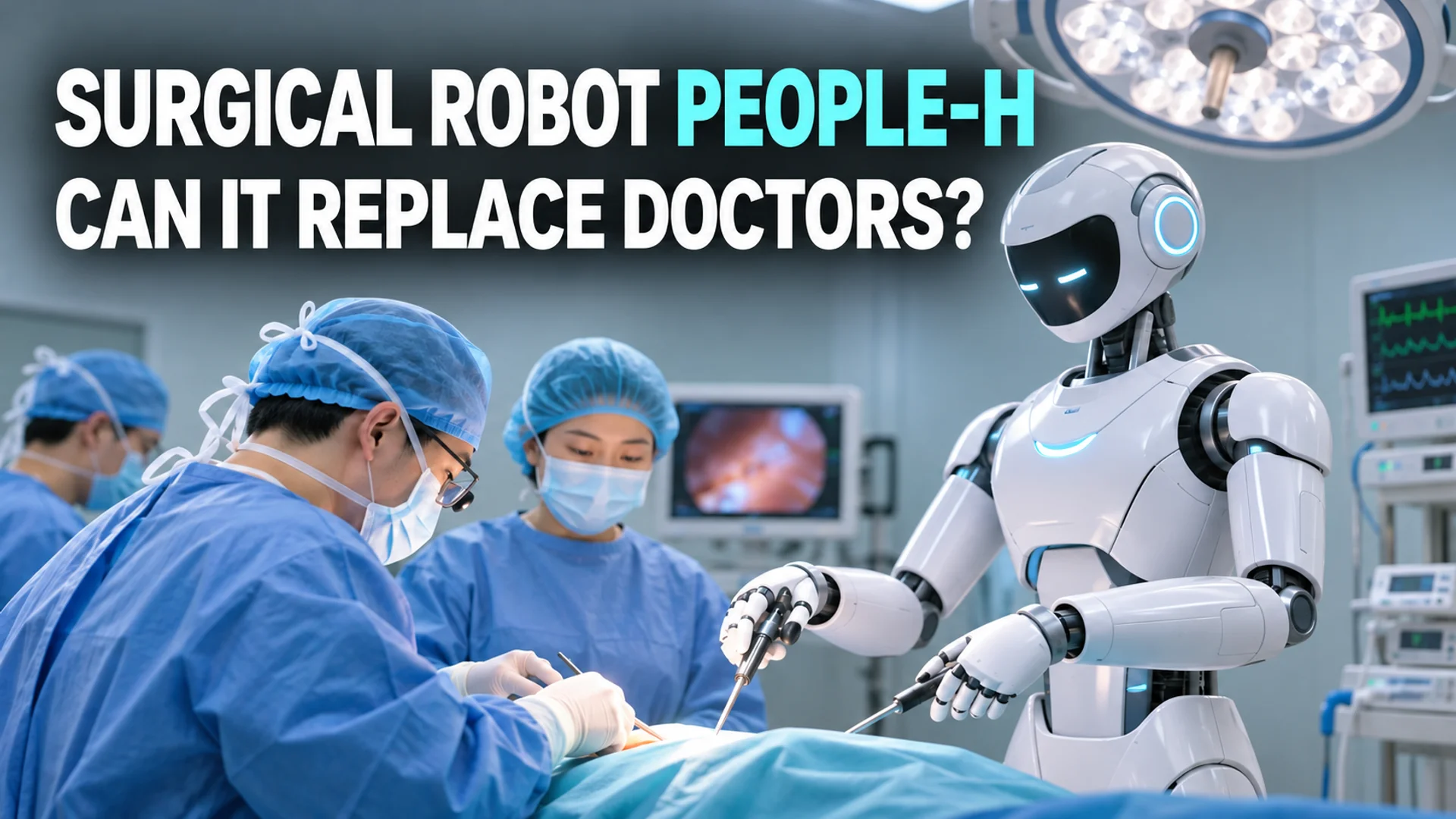
In the operating room, the surgeon says, “Pull it one more centimeter,” and the humanoid robot standing nearby moves as instructed. This is a demonstration in which “SARAM-H,” a humanoid robot developed by Pusan National University Yangsan Hospital, took part in the removal of a thyroid from a live animal. Does a robot participating in surgery mean that operations can now be performed without a doctor? 1
What the robot did in a 30-minute operation
In a report dated November 23, 2026, MBC said the animal thyroid-removal demonstration was completed in 30 minutes. A thyroidectomy is an operation to remove part or all of the thyroid gland at the front of the neck. The operating surgeon was present during the demonstration, and the robot understood the doctor’s words and followed instructions. According to the report, it also assessed the surgical situation and located the tools it needed. 1
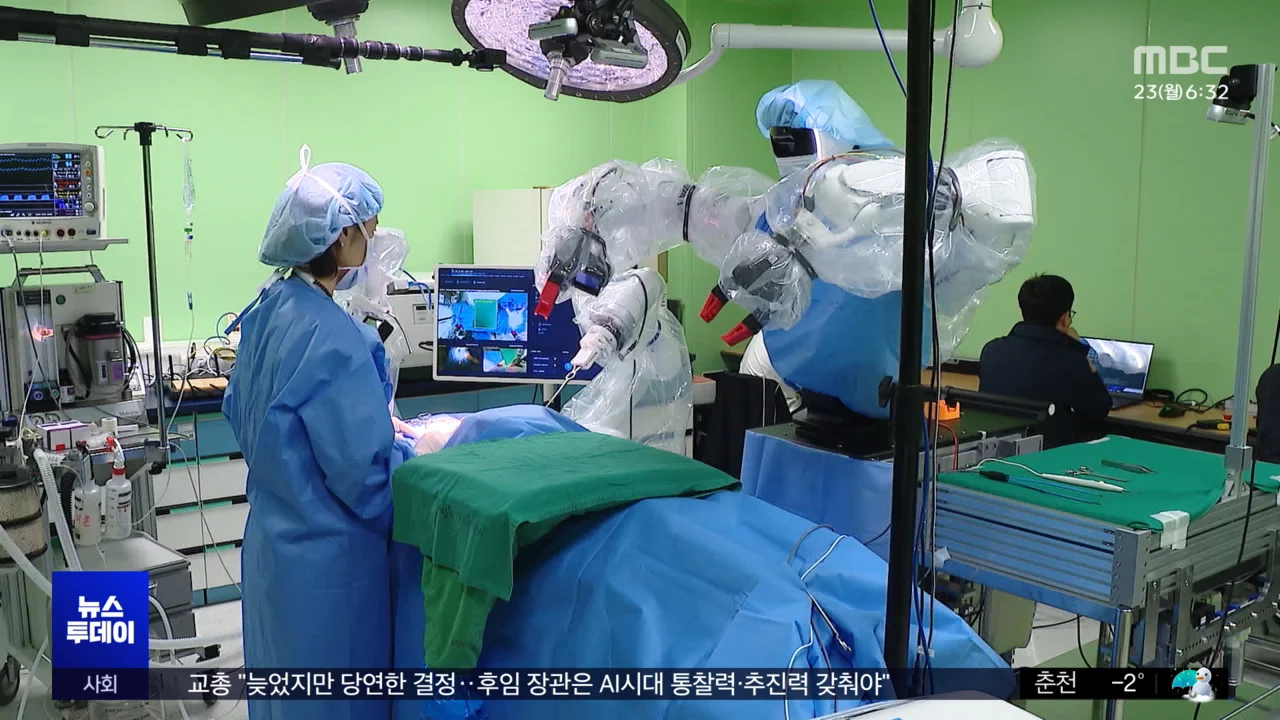
Image source · imnews.imbc.com
The key difference is that the robot worked as a member of the surgical team. This was neither an operation on a human patient nor one performed by a robot operating on its own. The robot went beyond moving solely by remote control, but its role was to assist under the doctor’s direction. 1
Could it help address a shortage of surgical assistants?
According to a description of the research project published by Pusan National University in July 2025, SARAM-H is being developed to recognize medical staff’s speech, images, and gestures, and to automatically carry out repetitive tasks such as retracting tissue, suctioning fluids, and handing over instruments. The hospital is leading the project, with universities, research institutes, and companies also taking part. A total of 15.4 billion won in research and development funding is planned for the period from July 2025 to December 2029. 2
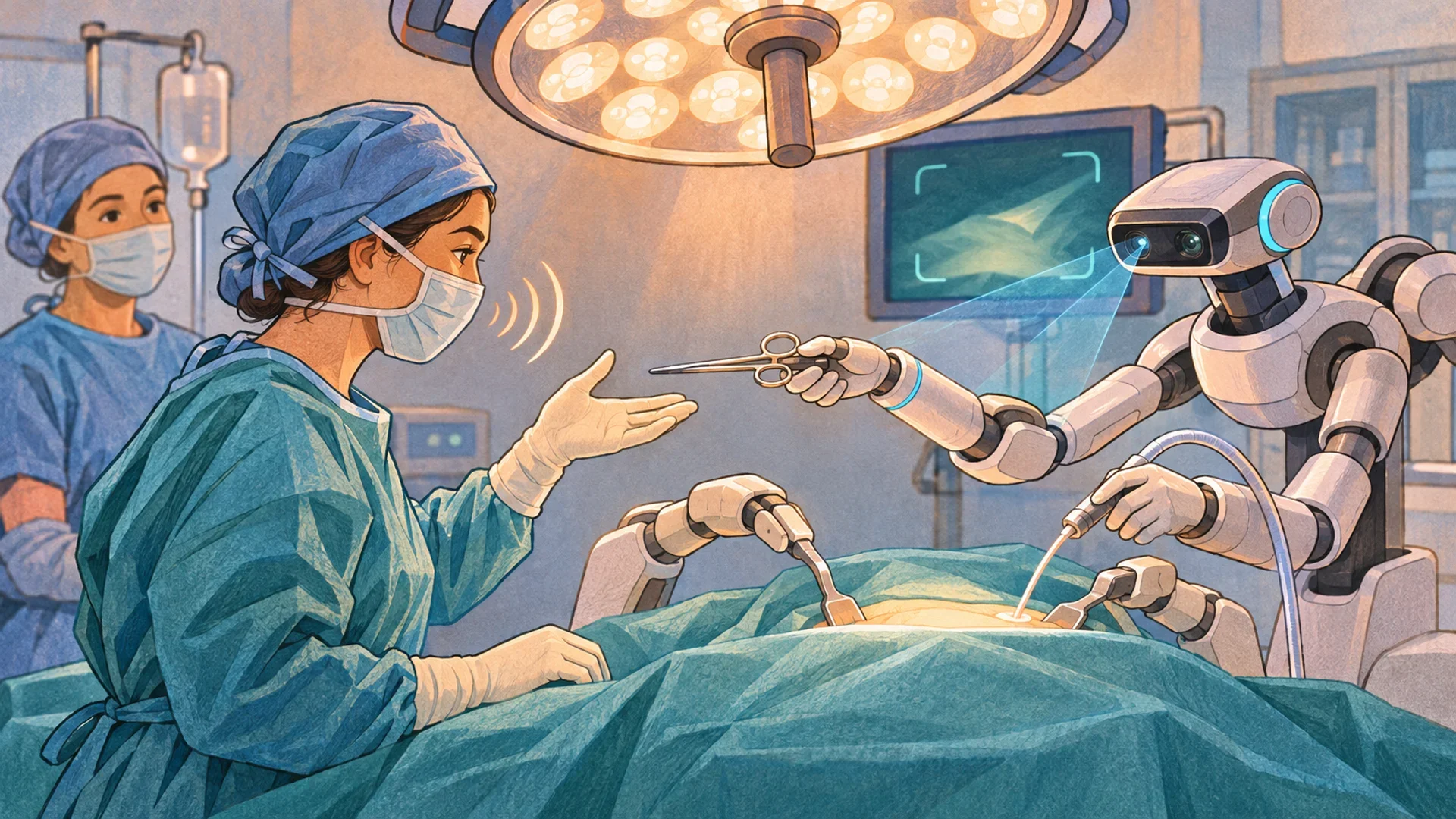
The project’s lead researcher, Professor Seong Eui-sook of Pusan National University Yangsan Hospital, pointed to cases where an operation cannot go ahead because there are no assistants, even when the surgeon is ready, and said she hopes the robot can be deployed in emergencies. It is expected to help at regional hospitals facing staff shortages or during nighttime operations. However, these are anticipated benefits; the demonstration alone does not prove that the robot has solved actual staffing shortages. 1
Further technical improvements will be needed before the robot can be used in hospitals. MBC reported that for the time being, it is expected to assist human doctors, and that institutional challenges remain, including who would be held responsible in the event of a medical accident. 1
Conclusion
What SARAM-H has demonstrated, then, is not that it can replace doctors, but that it may be able to perform some assisting tasks alongside a surgeon. Taking part in an operation on a live animal is a step forward, but its use and safety in actual hospitals still need to be established. 1
References
- 'AI 로봇 의사' 현실로‥실제 수술 첫 성공 · imnews.imbc.com↩
- PNU 포커스 내용 > 뉴스 > 홍보센터 | 부산대학교 · chinese.pusan.ac.kr↩