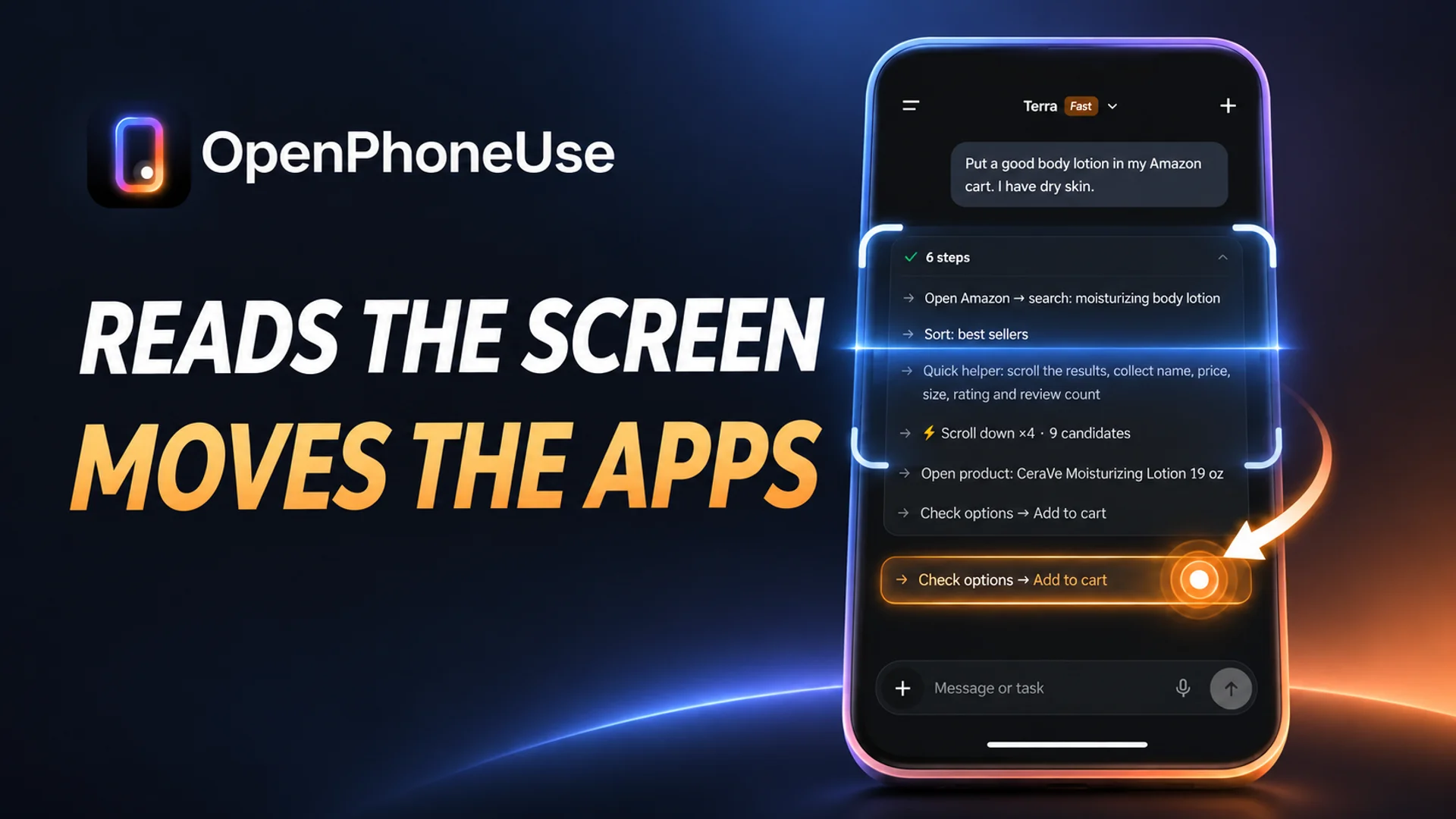
OpenPhoneUse is an open-source app that takes natural-language requests, reads Android screens, and operates apps. For example, if you ask it to set an alarm for 6:45 a.m. on weekdays in the Clock app, it opens the app, finds the alarm, sets it to repeat from Monday through Friday, and checks that the setting has been applied. These four steps are an example provided on the project’s official page. 1
It checks the screen to decide what to do next
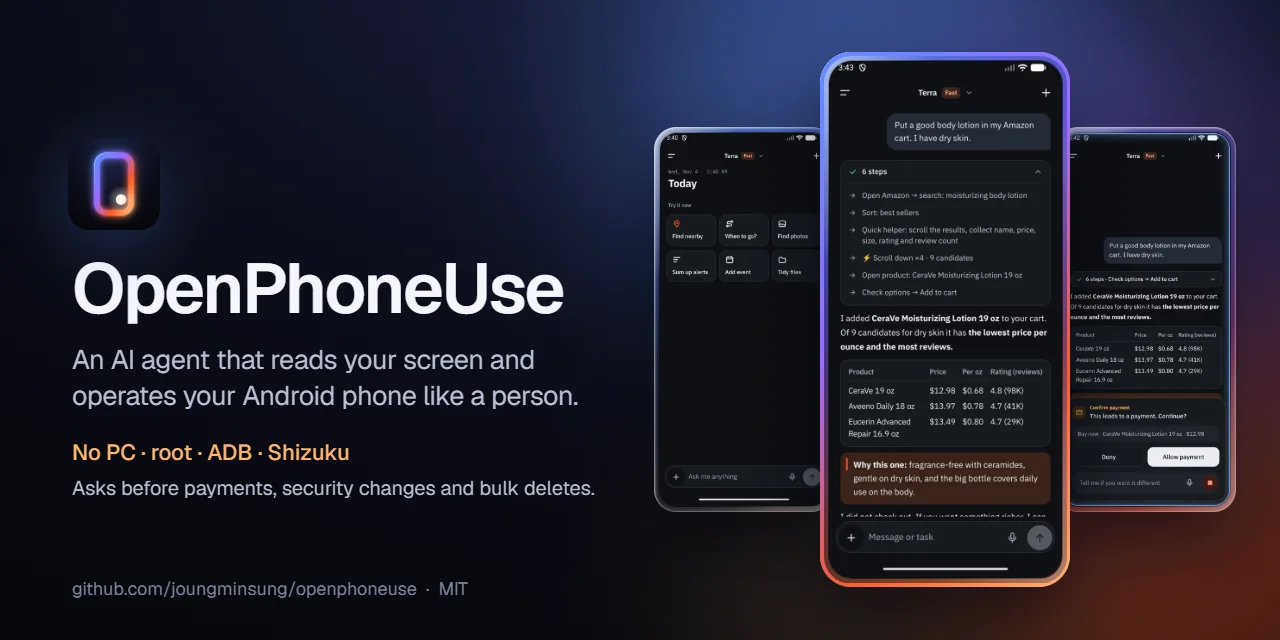
According to the project’s GitHub repository, OpenPhoneUse reads the screen in two ways using Android accessibility features. The accessibility tree conveys screen elements such as buttons and text in a structured format, while screenshots show content that can be difficult to understand from text alone, such as maps, icons, and charts. 2
Based on this information, the AI model suggests actions such as tapping, entering text, scrolling, and opening apps. Before carrying out each action, the app reads the screen again and checks that the target is still there. If the screen has changed, it does not carry out the action and instead sends the model information about the new screen. If the screen changes while the model is deciding what to do next, it incorporates the new information and starts its assessment again. 2
You can also request an alarm after looking up information
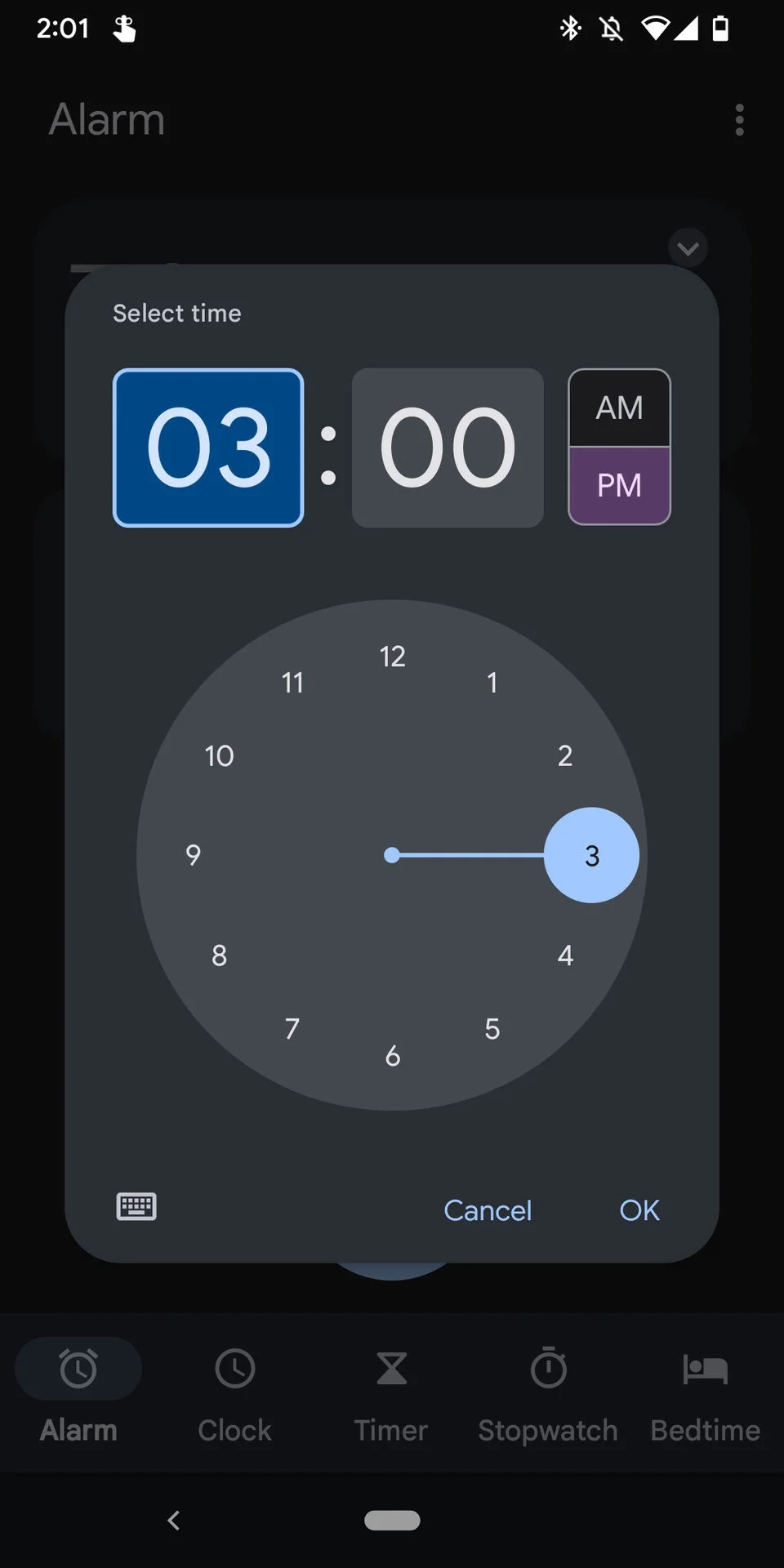
The project repository also includes examples of requests that connect multiple steps. These include finding the sunset time in Seoul and setting an alarm for 30 minutes beforehand, or checking whether the chance of rain the next day exceeds 30% and setting an umbrella reminder for 7:00 or 7:30 a.m. These are examples of tasks presented by the project, not demonstrations of the requests being carried out in practice. 2
Conclusion
OpenPhoneUse uses the accessibility tree and screenshots to understand the screen, checking it before carrying out each action suggested by the model. Its task examples therefore include not only settings such as alarms that involve multiple screens, but also requests that lead from finding information to changing phone settings. 21
References
- OpenPhoneUse: open-source Android AI agent that operates your phone · joungminsung.github.io↩
- ↩