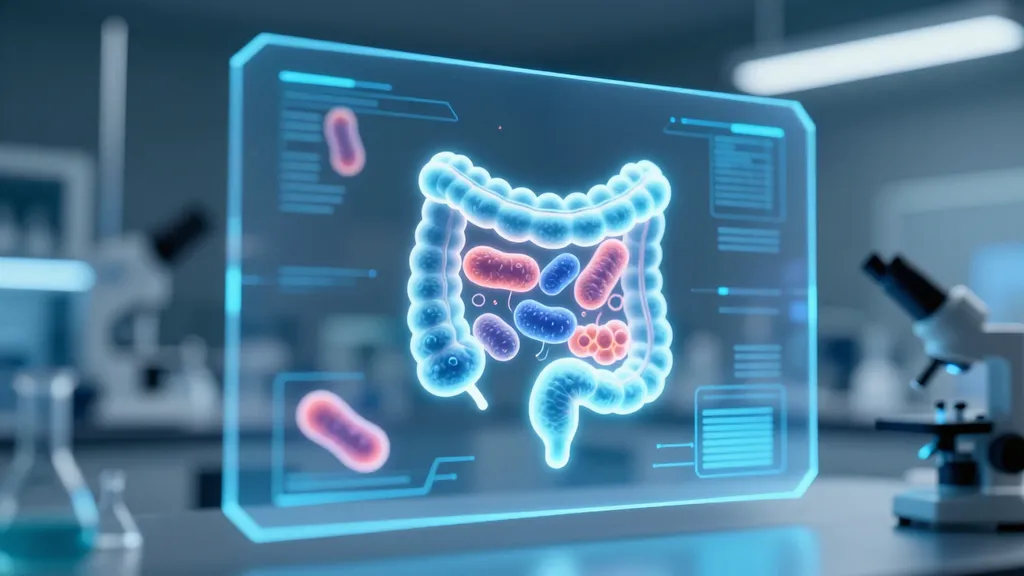
If you are still suffering from chronic fatigue and constipation despite taking expensive supplements, it is as if you are wearing "someone else's clothes."
Have you ever wondered why the probiotics that everyone says are good have no effect on you? As of 2026, the paradigm of health management has completely shifted from "what is good for everyone" to "what is right for me."
At the center of this shift lies a vast ecosystem called the microbiome. In this article, we will dive deep into why traditional probiotic consumption methods have hit a limit and how personalized strategies utilizing the latest technology can change our lives.
Why has probiotic efficacy been so minimal until now?
When choosing probiotic products, we often look at things like "how many types of strains are there?" or "what is the guaranteed number of CFUs (Colony Forming Units)?" However, this is like picking the most popular clothes in a market without knowing your own body condition.
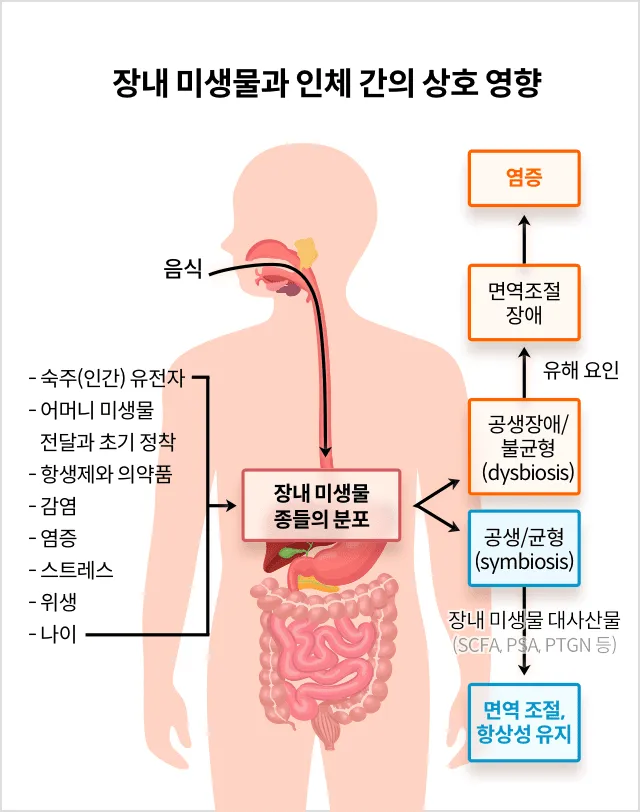
Inside our bodies, especially in the gut, exists a microbiome ecosystem inhabited by trillions of microorganisms. This ecosystem has unique characteristics that are as distinct as a human fingerprint. Some people have an abundance of certain bacteria, giving them excellent metabolic abilities, while others may be vulnerable to chronic inflammation due to a lack of beneficial bacteria and a dominance of harmful ones.
The problem is that if the general probiotics we consume do not match our intestinal environment, no matter how high the dosage, those bacteria cannot settle in the gut and are simply excreted. In particular, the overuse of antibiotics and a diet centered on processed foods can destroy our intestinal ecosystem in an instant, leading to issues beyond simple digestion, such as weakened immunity and mental health problems like depression.
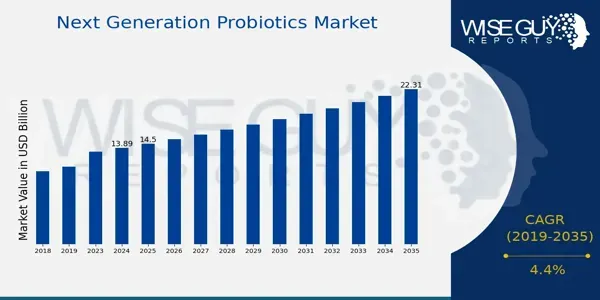
Comparative Analysis of 3 Options for Personalized Health Management
We are now in an era where management based on scientific data is required, rather than vague consumption. Let's compare the strategies currently available to us.
1. General Probiotics
The most accessible and economical method. These are products easily found in retail stores or pharmacies.
- Pros: Low cost and very easy to purchase. Helps maintain basic gut health.
- Cons: Does not consider individual intestinal environments (microbial diversity). Since you cannot know which bacteria your gut actually needs, it is highly likely to become "consumption based on luck."
- Suitable for: Those with no specific health issues who simply want to maintain basic gut health.
2. Precision Microbiome Analysis-Based Solutions
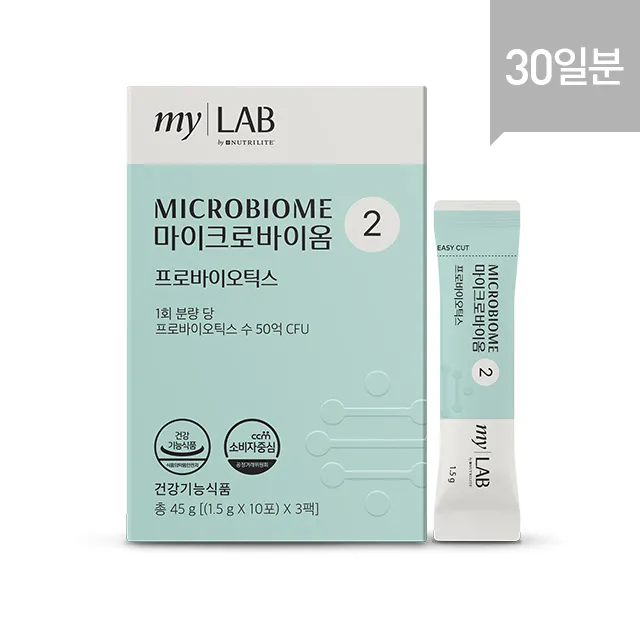
This is the most notable method recently, with services like Amway Korea's 'MyLab' being representative. It involves a precise analysis of your intestinal environment through stool samples, after which you receive recommendations for the optimal strains based on the results.
- Pros: It accurately identifies which bacteria you lack and which are in excess based on microbiome data. In particular, through patented technologies like the 'Gut Avatar,' you can digitally visualize your gut status and even check levels of postbiotics, which are beneficial metabolites. Efficiency is maximized as you are suggested six customized products.
- Cons: There are costs for purchasing the analysis kit and the testing itself, and time is required to wait for the results.
- Suitable for: Those suffering from persistent specific symptoms such as chronic fatigue, constipation, or skin problems, or those who want precise management based on scientific evidence.
3. Dietary & Lifestyle Intervention
Rather than relying on specific products, this method involves directly redesigning the intestinal ecosystem through diet (such as the Mediterranean diet) and lifestyle habits.
- Pros: Allows for fundamental improvement of constitution and is inexpensive or free. It is also highly effective in improving mental health according to the Gut-Brain Axis principle.
- Cons: Requires immense willpower and time. If the diet is not maintained, the effects disappear immediately.
- Suitable for: Those aiming for long-term extension of healthy lifespan and wishing to establish healthy lifestyle patterns.
2026's Core Technology: The Meeting of 'Gut Avatar' and AI
Then why has 'precision analysis' become the mainstream now? It is because AI (Artificial Intelligence) and Big Data technologies have combined with the microbiome.
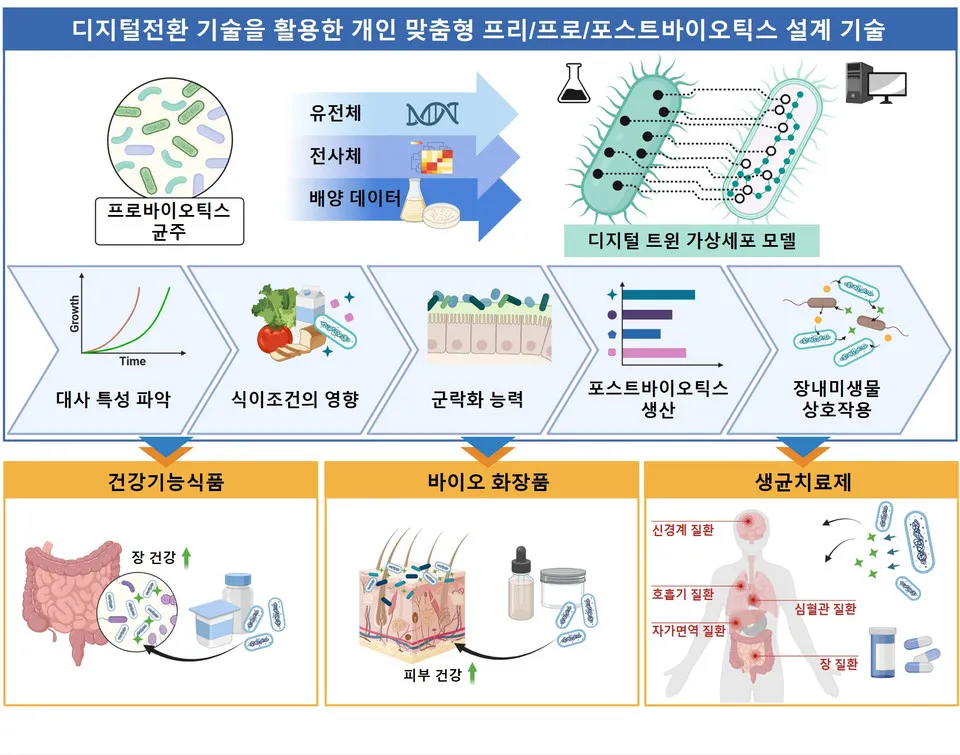
The 'Gut Avatar' system, one of the technologies gaining attention recently, has gone beyond merely counting the types of bacteria. Based on user data, it recreates the state of your gut in a digital environment. This allows one to predict in advance, "How will my gut react if I introduce this specific strain?"
In particular, what to watch for this year is the diagnosis of postbiotics. While the probiotics themselves are important, the postbiotics—metabolites produced by those bacteria as they work in the gut—play a decisive role in our body's immunity and inflammation regulation. Latest analysis technologies can even measure the levels of these metabolites (e.g., butyrate, which is crucial for intestinal barrier health), proving numerically how healthily your gut is functioning.
Health management is shifting from "I heard it's good" (hearsay) to the certainty of "My data is saying this."
Precautions Not to Miss: The Trap of 'Personalization'
Of course, technology is not a panacea. There are realistic aspects that must be considered when choosing a personalized solution.
First is variability. The microbiome changes every day depending on what we ate today and how much stress we experienced. Therefore, it is important not to stop after a single test, but to track the changes in your ecosystem by performing re-tests every 6 to 8 months.
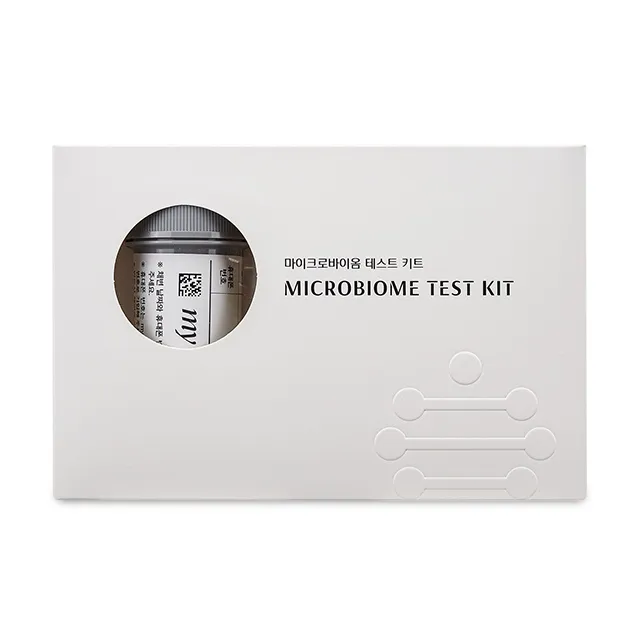
Second is the need for professional interpretation. While home test kits have become widespread, making it easy to test at home, it is difficult for laypeople to perfectly understand complex microbial values. To accurately read the messages given by the data and link them to diet or supplement intake, expert guidance or sophisticated reports are essential.
Third is the limitation of simple supplements. No matter how perfectly matched your probiotics are, if you are destroying your intestinal environment by consuming processed foods and sugar every day, it can be like pouring water into a leaking pot. Ultimately, personalized probiotics are only complete when paired with proper dietary habits.
Conclusion: What is the best choice for your 'Second Brain'?
So far, we have examined why personalized management is necessary and which strategies are efficient. To summarize:
- Traditional, uniform probiotic consumption has limits because it fails to reflect an individual's unique microbiome characteristics.
- Precision analysis solutions utilizing AI and Big Data maximize efficiency by informing you of the specific bacteria and metabolite levels you need.
- True health optimization is achieved when personalized nutritional intake is combined with healthy dietary management.
In 2026, health management is no longer a realm left to 'luck,' but one designed by 'data.' If you are suffering from chronic fatigue and irregular gut health, it is time to find your own 'Gut Avatar' and listen to the voice of your body through scientific data.
What criteria have you used to select probiotics so far? Or have you ever thought about receiving personalized management that fits you perfectly? Please share your experiences and thoughts in the comments!
References
- 만성피로·변비 숨은 원인 '장 미생물'… 맞춤 유산균으로 관리 ... · mk.co.kr
- 마이크로바이옴 치료제: 현재의 연구 동향과 미래 전망 · ibric.org
- 나에게 맞는 최적의 유산균, 특허 기술 '장 아바타'가 찾아준다 · chosun.com
- 마이크로바이옴이 뭐야? 2 암웨이 마이랩 ... · blog.naver.com
- 암웨이 마이크로바이옴 테스트 키트 개봉기 | 장내 미생물 검사 ... · seoungun.tistory.com
- 스트레스 조절하는 장내미생물…난치 우울증 등 새 치료법 될까 · m.dongascience.com
- 장내 미생물과 정신건강: 제2의 뇌를 돌보는 법 · hani.co.kr