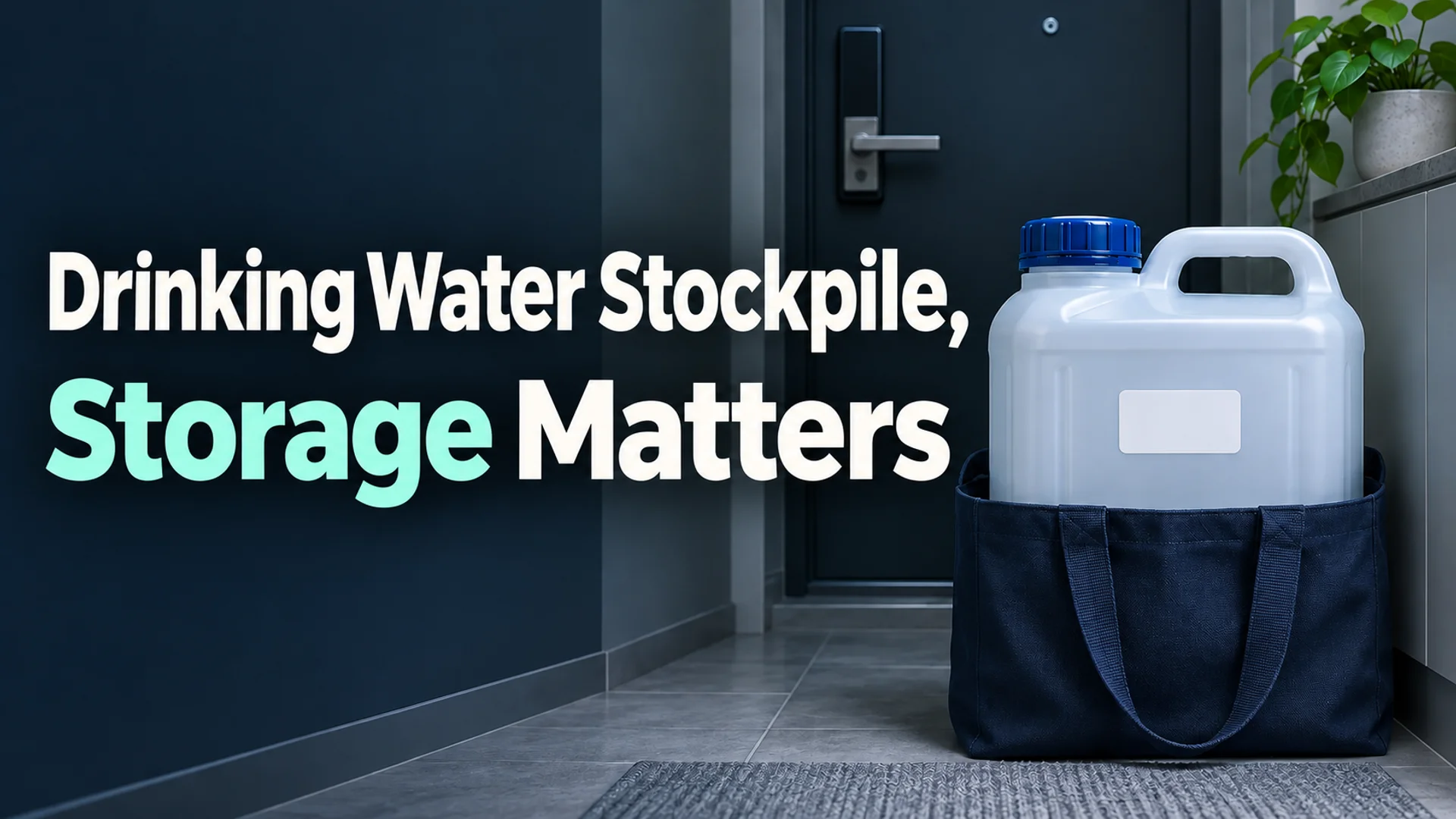
Power outages, pipe bursts from cold snaps, typhoons, hurricanes, and other unexpected situations can occur at any time.
According to a guide by the StormAtlas disaster research team, which cites standards from the U.S. Federal Emergency Management Agency (FEMA) and the Red Cross, the minimum amount of drinking water required for one adult per day is 3.8 liters (approximately 1 gallon) per person 1. This article explains why the common notion of stockpiling “3 liters” should actually align with the 3.8-liter standard, addresses the safety of storing chlorinated tap water directly, and examines how to control light and temperature in the environment of your entryway.
Why “3.8 L” Rather Than “3 Liters”
When preparing stockpiled water, the first thing to determine is the volume. Based on recommendations from FEMA and the American Red Cross, the StormAtlas guide specifies 3.8 liters per adult per day for drinking water 1. This is the minimum figure focused solely on drinking; to endure three days during a water outage or contamination event, a total of 11.4 liters per person is required 1.
The commonly cited “3-liter water stockpile” serves as a starting point to address the shortfall that occurs when the 3.8-liter standard is overlooked. If storing the full 3.8 liters in your entryway feels cumbersome, a realistic approach is to keep 1–2 liters in a tote box or dedicated carrier at the entryway and distribute the rest to cooler locations such as the kitchen or bedroom. What matters is ensuring that “water to drink right away” is within reach when the water supply is cut off by a power outage 2.
The YouTuber “Night of the End” advises in a 2022 video that tap water supply stops quickly during power outages, so drinking water and domestic water should be stored separately 2. Drinking water should be divided into small containers at 3.8 liters per person (1 standard), while domestic water for cleaning or washing should be stored separately in a bathtub or large-capacity tote box (53–75 liters), which is advantageous for long-term response 2.
Container Selection and Filling Procedures: Why HDPE Is Safe
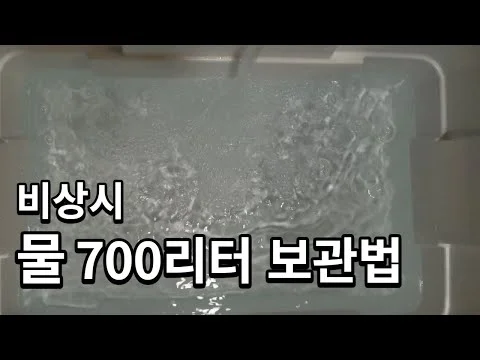
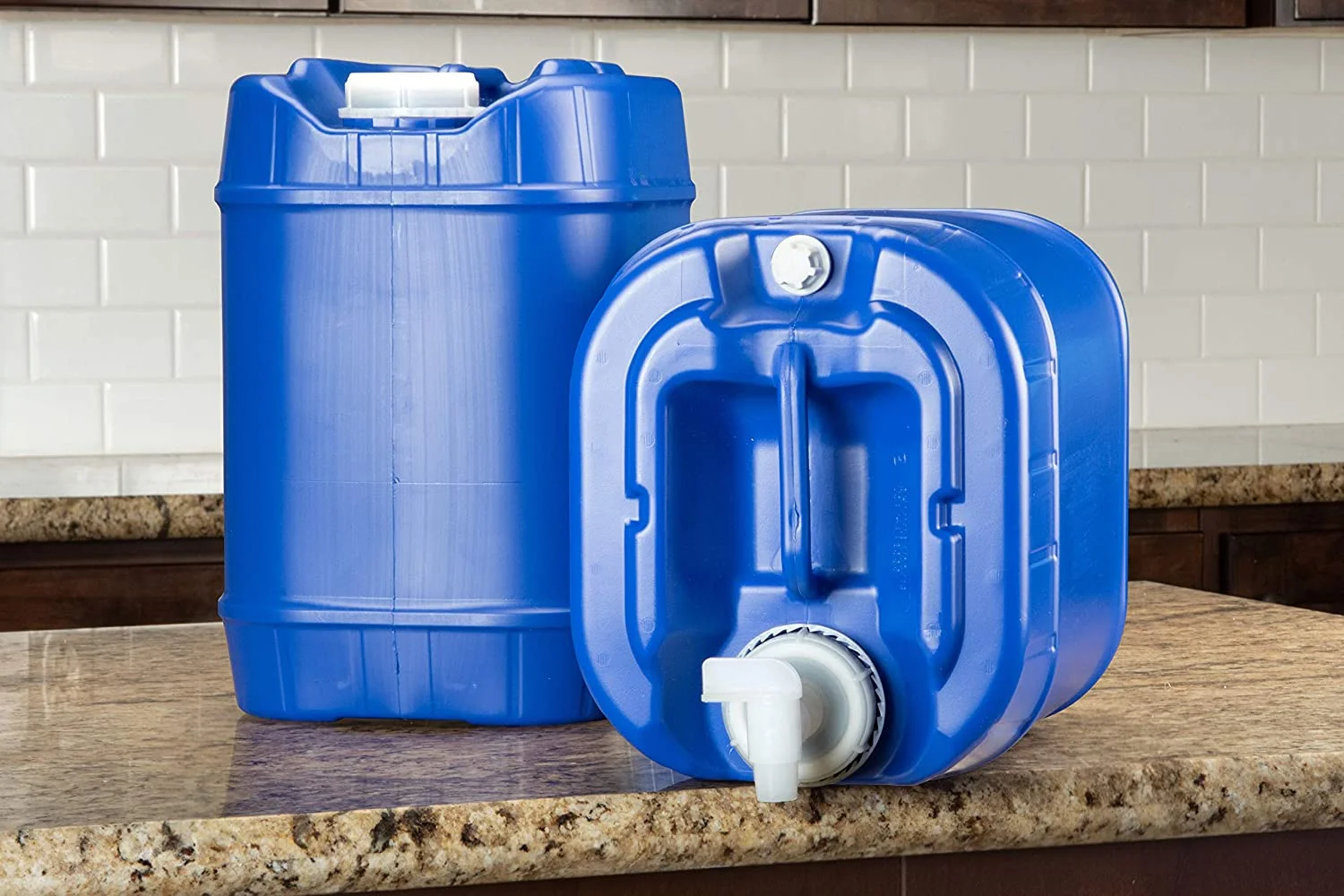
Stockpiled water containers should be selected based on light blockage, material stability, and whether they leak. The StormAtlas guide recommends food-grade HDPE (high-density polyethylene) containers 1. HDPE offers good chemical resistance and opacity, which suppresses algae growth caused by sunlight, and withstands temperature changes from -40°C to 60°C 1. In contrast, ordinary PET bottles may leach acetaldehyde over time and are therefore not suitable for long-term storage 1.
The Church of Jesus Christ of Latter-day Saints’ Preparing for Emergencies manual (2023) provides specific guidance on preparing containers for water stockpiling 3. Containers should be sturdy, unbreakable, and leak-proof. Juice or soda bottles are acceptable, but when reusing them, wash with kitchen detergent, rinse thoroughly to ensure no detergent residue remains, and dry completely 3.
To check for leaks, close the cap on an empty bottle, submerge it in water, and observe whether bubbles rise when pressure is applied 3. Bubbles indicate minute gaps, so such bottles should not be used for stockpiling 3.
The key point is that if chlorinated public water is placed in a clean food-storage container, no separate purification process is necessary 3. However, you must verify that the container is intended for food storage and, if reusing bottles, that the washing and drying procedures were followed 3. Seal lids tightly to prevent water from leaking or evaporating 2.
Entryway Storage Environment: Control Temperature and Light
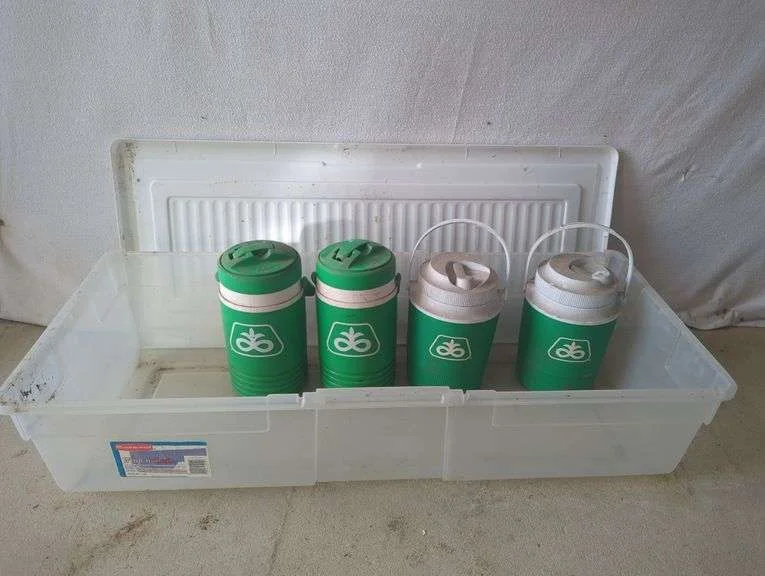
The Preparing for Emergencies manual advises avoiding heat sources and direct sunlight when storing water, and recommends storing at 24°C or below as a criterion that significantly affects the shelf life of food and supplies 3.
If daytime summer heat accumulates in the entryway or freezing pipes in winter are a concern, adjust the storage location. Take measures such as using blackout fabric or an ice chest to reduce heat, and apply light-blocking film to glass entry doors to reduce light exposure 31. Additionally, because the entryway is a high-traffic passage for people and items, heavy water containers should be placed in stable, dedicated carriers or sturdy tote boxes to prevent caps from loosening due to shaking 2.
The StormAtlas guide recommends a storage period of six months, and even if extended, quality must be managed through purification treatment 1. If the entryway environment cannot meet conditions of 15–25°C and protection from direct sunlight, it is safer to keep only the minimum amount at the entryway and move the rest to cooler locations inside the house.
Purification Steps for Turbid Water: Bleach and Boiling
When sudden turbidity renders tap water undrinkable, use stockpiled water. However, if you need to use remaining tap water, rainwater, or groundwater, a purification process is required. According to the StormAtlas guide, when purifying with household liquid bleach (sodium hypochlorite 5.25–8.25%), add 8 drops (approximately 0.4 mL) to 1 gallon (3.8 L) of clear water based on a 6% concentration, and add double that amount—16 drops (approximately 0.8 mL)—to cloudy water after filtration 1. Let the water stand for 30 minutes after adding bleach, and be sure to use only pure products without fragrances or additives 1.
The principle for treating non-chlorinated water is to add 8 drops of 5–6% liquid chlorine bleach per 4 liters 3. The YouTuber “Night of the End” added that bleach (aqueous sodium hypochlorite solution) or povidone-iodine solution can also be utilized for sterilization and disinfection 2.
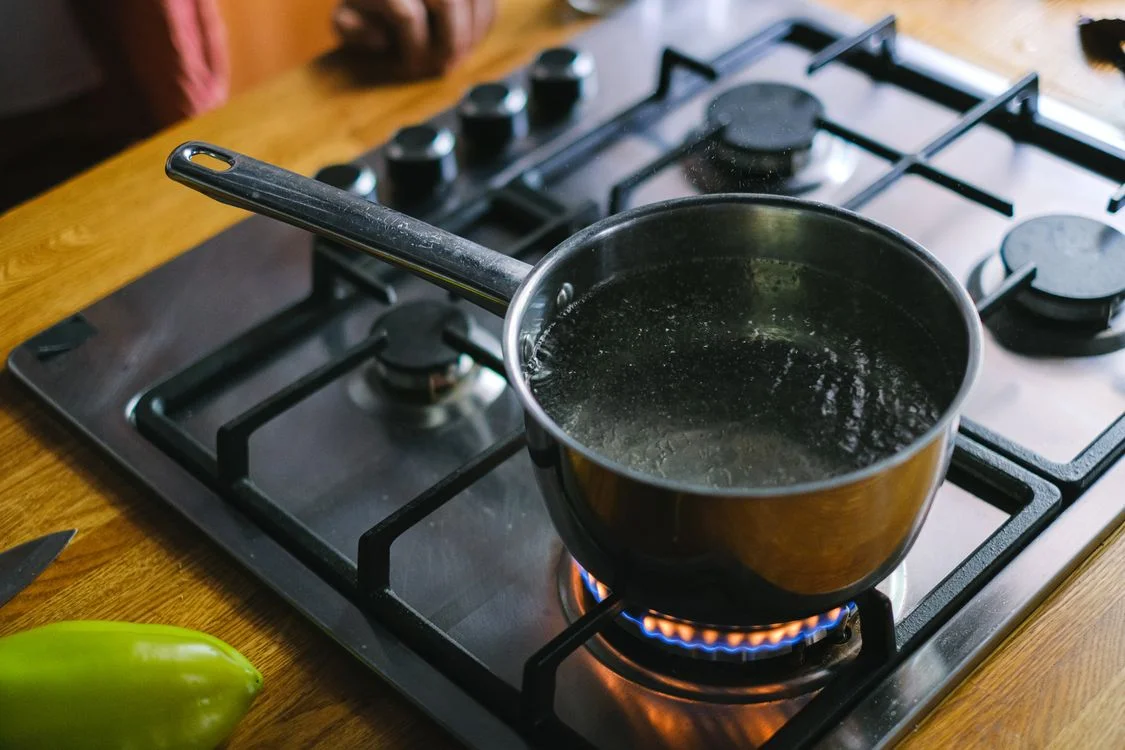
The most reliable purification method is boiling. The StormAtlas guide recommends boiling at 100°C for one minute, noting that water should be boiled for three minutes in areas above 2,000 meters in elevation 1. If the taste of stockpiled water has changed, shaking the container after 24 hours to introduce oxygen will improve the taste 1. For households using water purifiers, a useful habit is to store purified drinking water separately in bottled water containers, which proves valuable when turbidity occurs 2.
Practical Checklist for Stockpiling Water at the Entryway
To prepare for times when tap water comes out turbid, here is what to check today.
- Prepare Containers: Get food-grade, opaque HDPE containers or clean plastic bottles. Place empty bottles in water to check for leaks by observing whether bubbles form around the cap 3.
- Clean and Dry: Wash with kitchen detergent, rinse thoroughly, and dry completely 3.
- Fill with Tap Water: Fill directly with chlorinated public water and seal the cap tightly 32. No separate purification treatment is necessary 3.
- Select Location and Label: Place in or near the entryway in a cool location, and attach a label with the “stockpile date” and “replacement date (6 months later)” 1.
- Check Environment: Verify that the entryway temperature is within the 15–25°C (below 24°C) range and check for direct sunlight or heat sources. If conditions are unsuitable, install a light-blocking curtain or move the stockpile to another cool location 31.
- Prepare for Purification: Keep unscented household bleach on hand for turbidity events. Know the procedures of adding 8 drops per gallon for clear water or 16 drops for cloudy water, letting it stand for 30 minutes, or boiling at 100°C for one minute 1.
Stockpiling “3 liters of water” at the entryway is not simply stacking a few water bottles. It is a systematic management process based on the FEMA and Red Cross standard of 3.8 liters of drinking water per person per day, involving filling opaque HDPE containers with chlorinated tap water and replacing them every six months. Start today by writing and attaching one label and checking the light and temperature conditions of your entryway.
References
- 태풍·허리케인 재난 대비 완벽 가이드:72시간 고립 생존 물품과 장비 규격 - StormAtlas · stormatlasx.com↩
- 단수 대비 - 물 저장 및 보관법 (정전, 가뭄, 전쟁, 수도 동파) · youtube.com↩
- 장기 식품 및 물 비축 · churchofjesuschrist.org↩