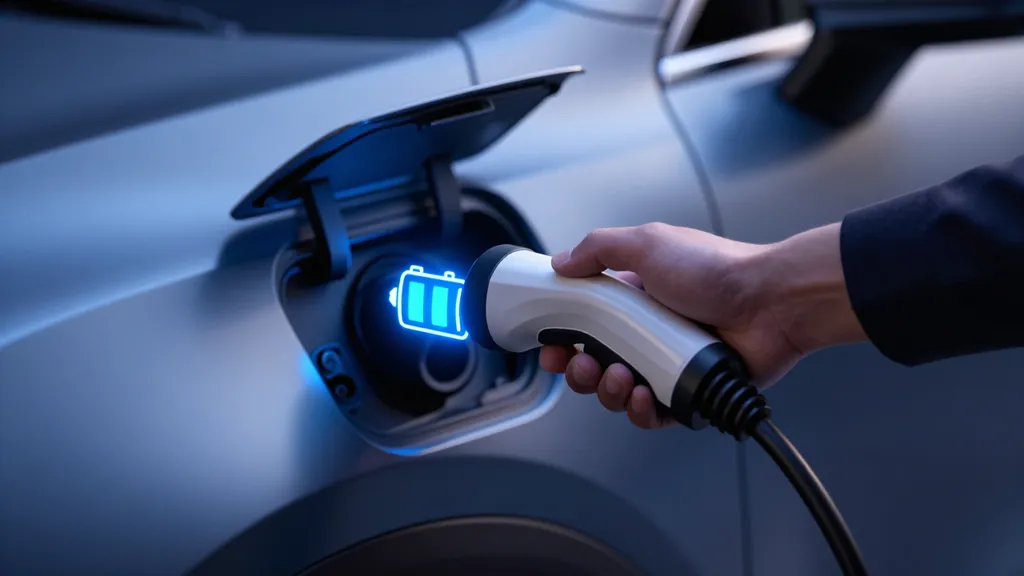
"Low mileage, clean exterior—so why is this electric vehicle so cheap?"
When browsing used EV listings, it is easy to fall for such sweet temptations. However, behind that low price, a "time bomb" might be hidden that you can never detect with the naked eye. It is the condition of the high-voltage battery, which accounts for half the vehicle's price.
If you sign a contract relying solely on the appearance or the numbers on the dashboard, you could face a "repair cost bomb"—battery replacement costs reaching tens of thousands of dollars—as soon as you bring the car home. Today, we will take an in-depth look at the core checklist emphasized by veteran experts to ensure you don't fail when purchasing a used EV.
The Trap of Numbers: Is 90% SOH Really Safe?
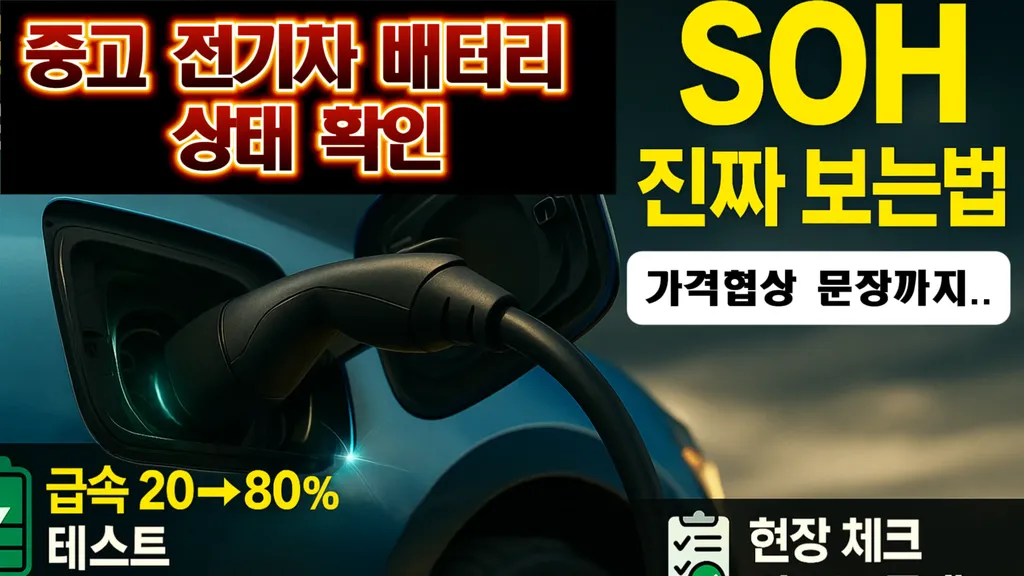
The most representative indicator of an electric vehicle's health is SOH (State of Health). This represents, as a percentage, how much energy the battery can currently hold compared to when it was a brand-new vehicle.
Generally, experts recommend purchasing a vehicle with an SOH of 80% or higher. This is because once it drops below 80%, you begin to experience performance degradation, such as noticeably shorter driving range and slower charging speeds. However, there is a "trap of numbers" that we must be aware of.
Many people place blind faith in the SOH values displayed on the vehicle's internal display or smartphone apps. However, these values can be calculated differently depending on the manufacturer or the logic of the BMS (Battery Management System). This is because the BMS tends to display values conservatively or even higher than actual levels to maintain a sort of "safety margin" for battery security.
In the case of an IONIQ 5, for example, while the internal BMS showed an excellent SOH of 99%, a precise measurement using the professional diagnostic tool, the Aviloo tester, revealed the actual SOH to be 96.8%. In other words, the visible number may not fully represent the true physical stamina of the battery. Therefore, when choosing a used EV, you need verification using professional equipment beyond simply checking the displayed digits.
How to Verify True Performance: Cell Voltage Deviation and Fast Charging Tests
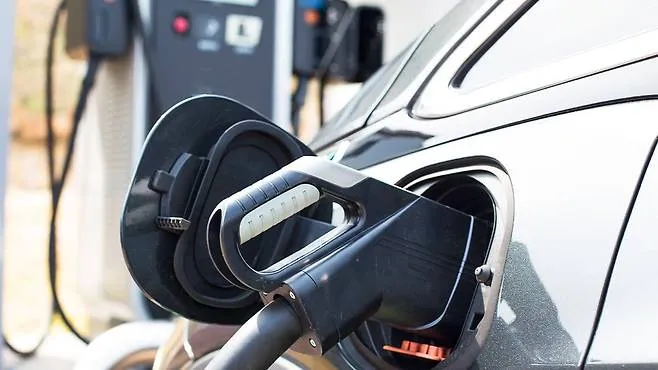
If SOH tells you the battery's "overall capacity," then cell voltage deviation represents the battery's "healthy balance." In fact, when buying a used EV, this voltage deviation is a more important item to check than SOH.
A battery pack is composed of numerous small cells. These cells must all exchange energy evenly; what happens if the voltage of a specific cell differs significantly from the others? If voltage imbalance occurs, it can cause an overload or overcharging in a specific cell, which in severe cases can lead to a fire risk. Experts advise avoiding vehicles where the voltage deviation exceeds 0.02V.
So, how can you check this imbalance in the field? One of the most effective methods is the fast charging test.
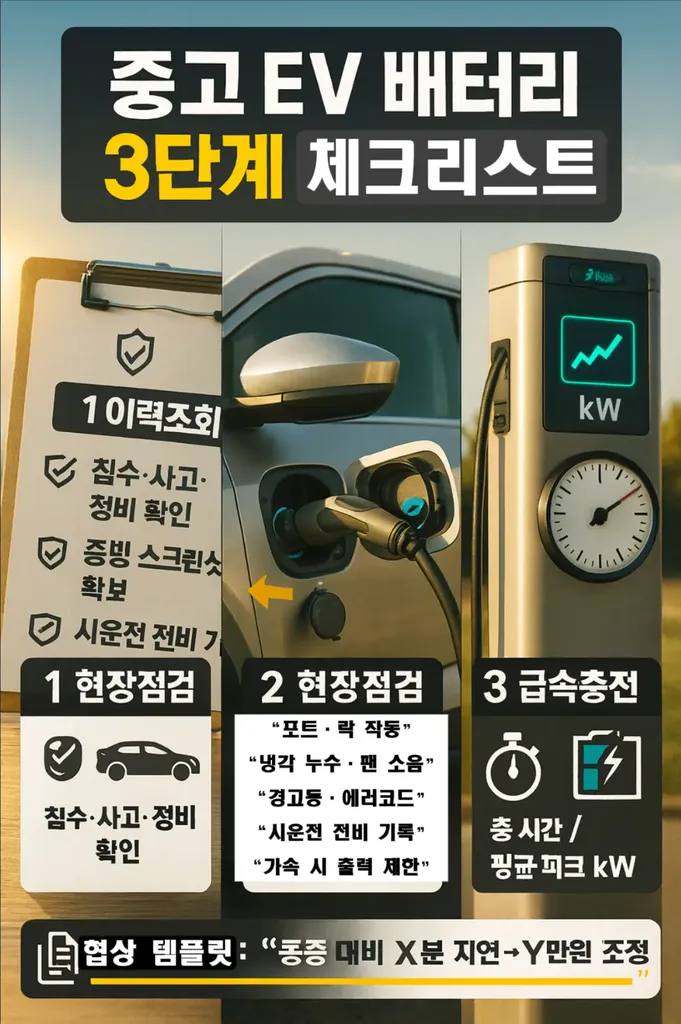
Rather than simply seeing if it charges well, you should measure how long it takes to charge when the battery level is between the 20% and 80% range. Test it at least twice using the same fast charger and compare the results. If the charging speed is significantly slower compared to other vehicles of the same model, it is a strong signal that the internal battery resistance (DCR) has increased or the cell balance has collapsed. Using this data to negotiate the price with a dealer is also a very clever strategy.
For buyers with no room for error, using an OBD-II interface and dedicated apps (such as EV Watchdog) to extract the vehicle's raw data is a good approach. By checking real-time data and cumulative capacity directly, you can make a much more precise judgment.
The Easily Missed Culprit: Undercarriage Condition and Hidden Accident History
Once you have perfectly verified the battery status, it is time to look at the car's "skeleton." Due to the weight of the battery, EVs are much heavier than internal combustion engine vehicles. This weight is transferred entirely to the undercarriage components.
When purchasing an EV, you must lift the car and visually inspect the underside of the battery pack. Since the battery pack is located at the bottom of the vehicle, it frequently hits or scrapes against road obstacles during driving. If severe scratches or dents are found on the battery case, this is not just a cosmetic issue; it is a very dangerous signal that could lead to damage of the internal battery cells.
Furthermore, the weight of an EV accelerates the wear of consumables such as suspension, ball joints, and constant velocity (CV) joints. Even if the performance record states "Good," you must carefully observe any noises coming from the undercarriage or any shaking felt during a test drive.
The final thing to check is the hidden accident history. For an EV, the key is whether the battery pack was impacted during an accident. Even if it looks fine on the outside, if the internal frame or the battery mounting area is damaged, it will result in massive repair costs later. If there are accidents omitted from the performance record, they are subject to legal compensation, so be sure to seek professional help to check for damage to internal structures.
The Final Guide for Wise EV Purchasing
Based on what we have covered, let's summarize the core points to remember when buying a used EV.
- Confirm SOH (Battery Health) is 80% or higher, but re-verify with professional equipment: Don't be fooled by the number on the screen.
- Check the cell voltage deviation: A difference of more than 0.02V can cause potential fires and performance degradation.
- Perform a fast charging test: The charging speed in the 20-80% range is an indicator of the battery's actual condition.
- Check for physical damage to the undercarriage and warranty periods: Dents in the battery pack are fatal, and the manufacturer's warranty (usually 8 years/160,000km) is your last line of defense for your wallet.
An EV can be the best mode of transportation if chosen well, but if chosen poorly, it becomes a massive moving liability. Trust data and physical condition rather than a dealer's smooth talk. If possible, the wisest choice is to use a reliable platform with a 3-day refund system or to receive a precise diagnosis from an authoritative institution.
Only prepared buyers can enjoy a safe and enjoyable EV life. What part concerns you the most when choosing a used EV? Let us know your concerns or experiences in the comments!
What do you think?
References
- 중고 전기차 배터리 정밀 진단. 구매 체크리스트 (테슬라, 아이오닉5) · youtube.com
- 중고 전기차 배터리 상태 확인: SOH 해석, 급속 20-80% 테스트, 현장 ... · youtube.com
- “이거 모르고 샀다간 큰일 납니다”.. 중고 전기차, 반드시 확인해야 할 ... · v.daum.net
- "중고 전기차, 이것만 봐도.." SOH부터 열관리까지 - 브런치 · brunch.co.kr
- 전기차 충전 : 급속충전 기술과 배터리 수명 저하(열화) - Dr. WAB · wearethebattery.tistory.com
- “중고 전기차, 이것만 봐도…” SOH부터 열관리까지, '호갱' 피하는 방법 · v.daum.net
- 현대/기아, 그리고 여타 EV들의 배터리 상태 확인하는 방법 · milemoa.com
- 전기차 배터리, 수명과 보증 기간, 수리 방법은? - 구텐탁 코리아 · gutentagkorea.com