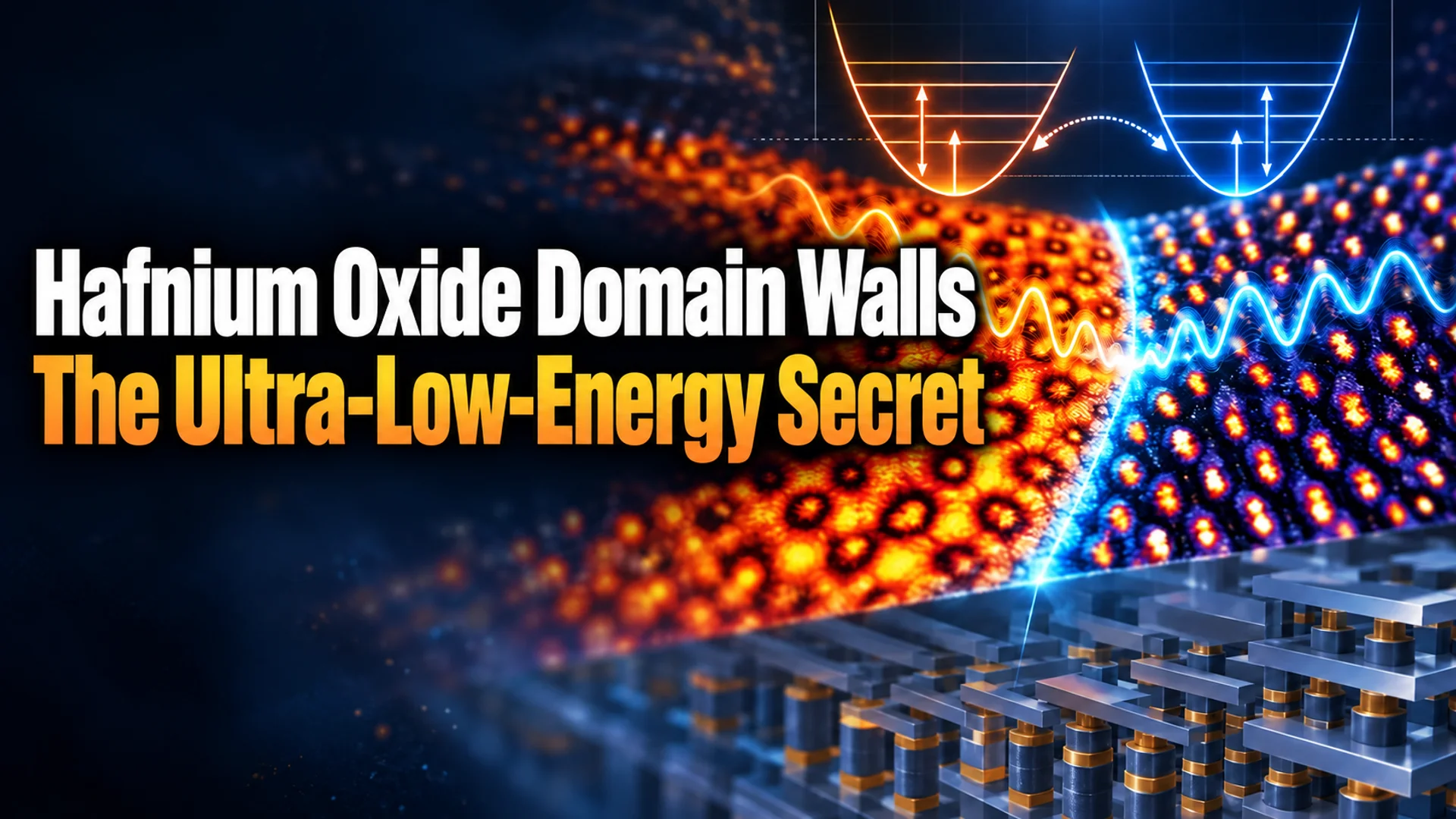
The Holy Grail of Next-Generation Memory: Overcoming the Energy Barrier of Domain Walls
Non-volatile memory, which retains data even when power is turned off, serves as a critical pillar supporting today's IT infrastructure. Among the elements attracting attention from both academia and industry to maximize the integration density and performance of such memory devices is the 'Domain Wall.' A domain wall refers to the interface crossing between regions (domains) within a material where the direction of electrical polarization is the same. Since different polarization directions are used to represent information as '0' and '1,' controlling the behavior of domain walls enables the realization of ultra-fast, ultra-low-power memory devices.
However, conventional ferroelectric materials face limitations, as forming and moving these domain walls consumes significant energy. This is because domain walls act as energy barriers by causing instability in the crystal structure when an interface forms within the material. Lowering these energy barriers has long been considered a major technical challenge hindering the micro-fabrication of memory devices and the improvement of integration density.
Limitations of Existing Physical Assumptions and the Heterogeneity of Hafnium Oxide
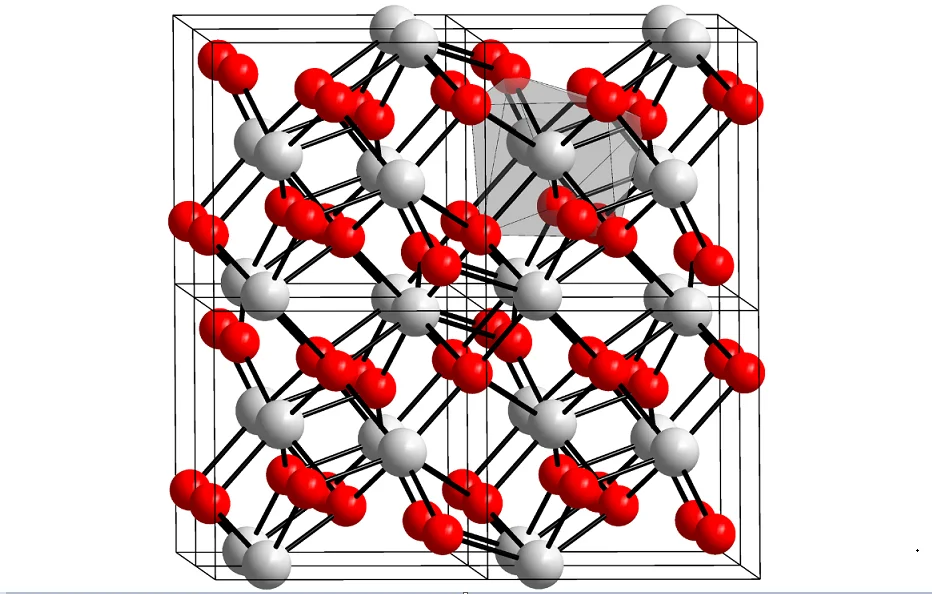
To address this issue, it is first necessary to understand why domain walls are energetically unstable in general ferroelectrics. Within conventional ferroelectrics, when a boundary forms between two domains, a phenomenon occurs where 'phonons,' vibrational modes that maintain polarization, weaken or disappear. This causes atomic arrangements around the interface to become unstable, requiring additional energy. In other words, it was established doctrine in classical solid-state physics that energy increases sharply as domain walls narrow.
It was expected that this conventional wisdom would apply equally to hafnium oxide (HfO₂), which is emerging as a next-generation memory material. Hafnium oxide is an attractive material because of its high compatibility with existing silicon-based semiconductor processes, allowing it to be easily introduced into ferroelectric memory (FeRAM) or next-generation non-volatile devices. However, Professor Jun Hee Lee's research team at UNIST previously discovered that hafnium oxide exhibits fundamentally different characteristics compared to conventional ferroelectrics. According to research published in 2025, a phenomenon was observed within hafnium oxide where the gradient energy impeding domain wall formation along specific crystal directions takes on a negative value, known as 'Negative Gradient Energy' 1. This theoretically proved that domain walls in hafnium oxide can cancel out electrostatic energy caused by charges and occupy an energetically more stable state than in the bulk region.
Discovery of the New Phenomenon of 'Phonon Pair Condensation'
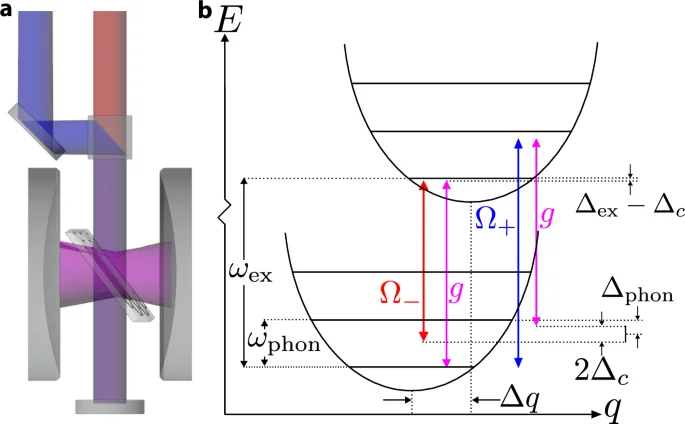
Through recent research published in 2026, the research team identified the microscopic principles generating this negative gradient energy, the key to forming ultra-low-energy domain walls. The most significant finding of this collaborative study, conducted by Professor Jun Hee Lee's team at UNIST and Professor Choi Si-young's team at POSTECH, is the 'Phonon Pair Condensation' phenomenon occurring within hafnium oxide.
The mechanism operates as follows: Even when one phonon mode weakens within hafnium oxide, a new phonon mode appears on the opposite side of the same band or at a different location, acting in a complementary manner. This structural compensation fills the vacancy created by the disappearance of one mode with another 2. Thanks to this complementary interaction, instability in the crystal structure is dramatically suppressed. As a result, even atomically thin domain boundaries, which were previously too high in energy to form in conventional ferroelectrics, can naturally and stably form in a low-energy state, i.e., an 'ultra-low-energy state.'
Precise Validation Where Theory and Experiment Align
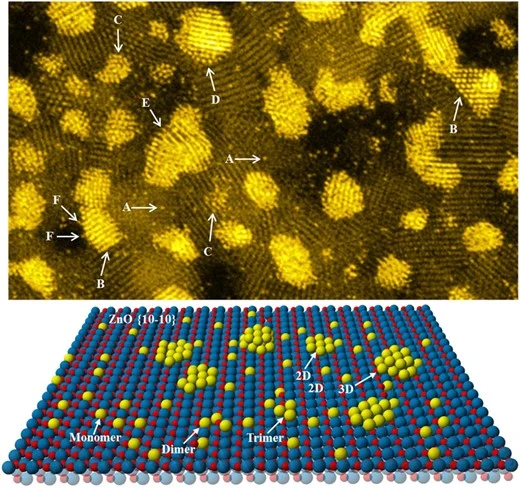
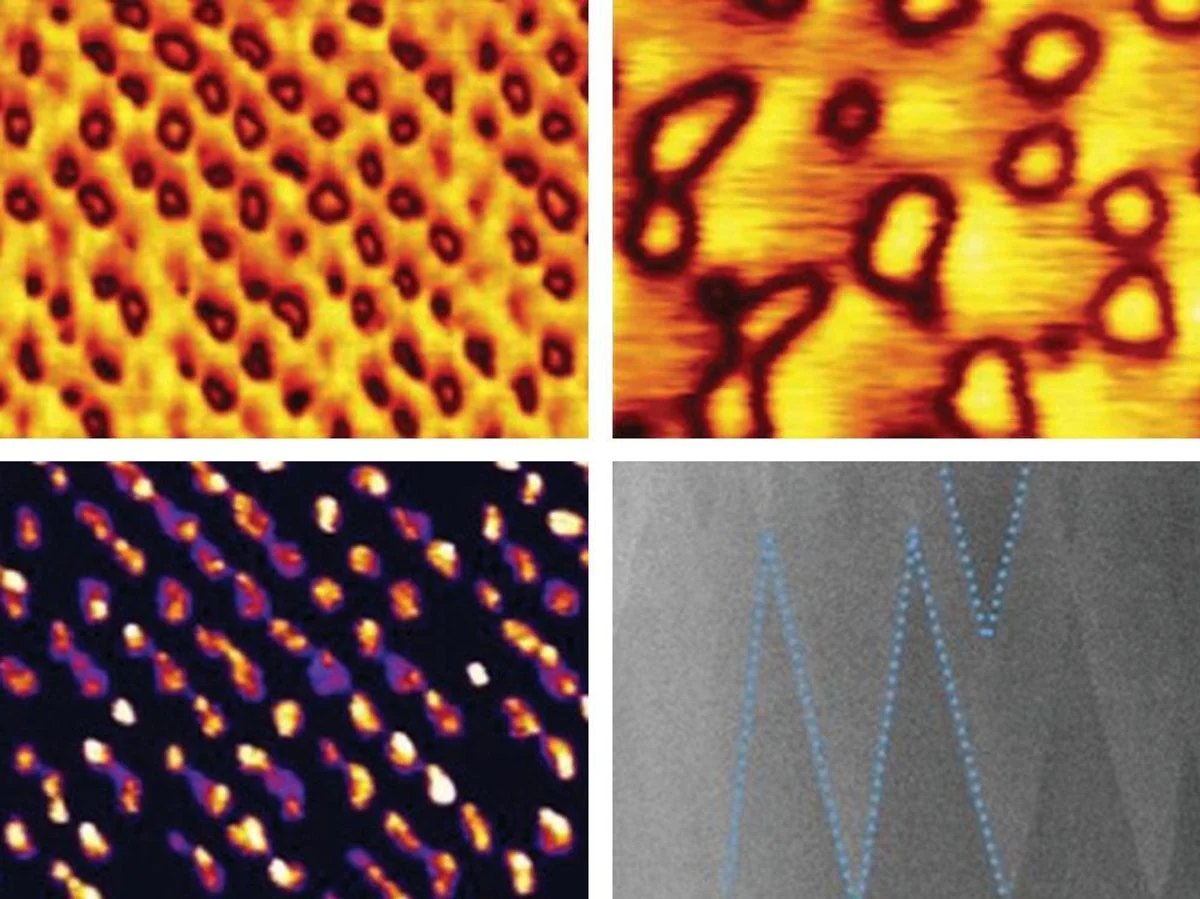
These phenomena, previously limited to theoretical predictions and calculations, have been confirmed to exist through actual atomic-scale experimental observations. Professor Choi Si-young's research team at POSTECH utilized an ABF-STEM (Annular Bright-Field Scanning Transmission Electron Microscope) to observe the fine structure within hafnium oxide. This precise analysis directly confirmed the unique arrangement and movement of oxygen atoms located at the domain boundaries within hafnium oxide. The actual arrangement data of the observed oxygen atoms matched exactly with the results of the phonon pair condensation theoretical model calculated in advance by the UNIST side 2.
This achievement was published on August 18, 2026, in Physical Review X, an international journal of the American Physical Society. Dr. Lee Hyun-jae from UNIST and Dr. Pawan Kumar led the research as co-first authors 2.
| Category | Conventional Ferroelectrics | Hafnium Oxide (HfO₂) |
|---|---|---|
| Phonon Mode Behavior | Disappearance of phonons upon boundary formation | Weakening of one mode compensated by another (Phonon Pair Condensation) |
| Gradient Energy | Positive (+) value impeding domain wall formation | Possible negative value stabilizing domain walls |
| Thin Domain Wall Formation | Difficult due to high energy consumption and instability | Stable, atomically thin formation due to low energy barrier |
Implications for High-Integration and Low-Power Memory Implementation
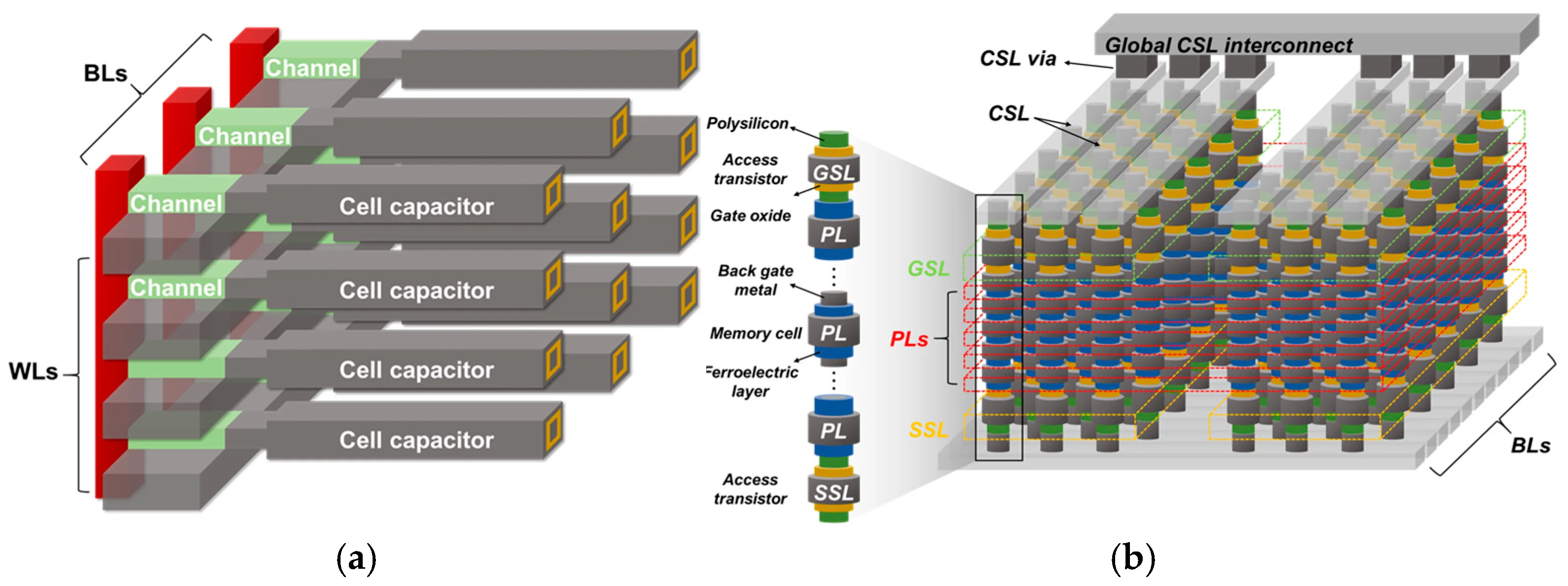
Elucidating the principle of ultra-low-energy domain wall formation provides a practical blueprint for the development of next-generation semiconductor memory devices. First, it clearly shows a path to resolving physical limitations. When the energy barrier required for domain walls is extremely reduced and the structure is stabilized, physically stable information storage becomes possible even when the gap between domain walls is much narrower than before. This means that more domain walls, i.e., more information units (0s and 1s), can be densely packed within a semiconductor chip, significantly boosting memory integration density.
Furthermore, this research outcome is expected to serve as the core physical foundation for the development of low-power, high-capacity memory semiconductors in the future. By reducing the energy required for domain wall movement and enabling stable control of extremely thin interfaces, possibilities have opened for advancing the technical standard of ferroelectric memory (FeRAM) to the next level. Considering that hafnium oxide is a material well-matched to existing silicon-based CMOS processes, these physical properties could be a crucial turning point in preempting commercialization technology standards in the future spintronics or next-generation non-volatile memory markets 3. This research holds significant meaning not merely as a theoretical discovery, but as providing strong physical evidence for improving design constraints in actual semiconductor processes and simultaneously resolving energy loss and heat generation issues in device structures.
References
- 반도체 소재 상식 뒤집었다!.. ‘도메인 벽’의 안정성 규명 | UNIST · ie.unist.ac.kr↩
- '차세대 메모리 소재 핵심 열쇠' 도메인벽 형성 원리 밝혔다 | 뉴시스 · newsis.com↩
- 차세대 메모리 소재 내 초저에너지 도메인벽 형성 원리 규명 | UNIST · unist.ac.kr↩