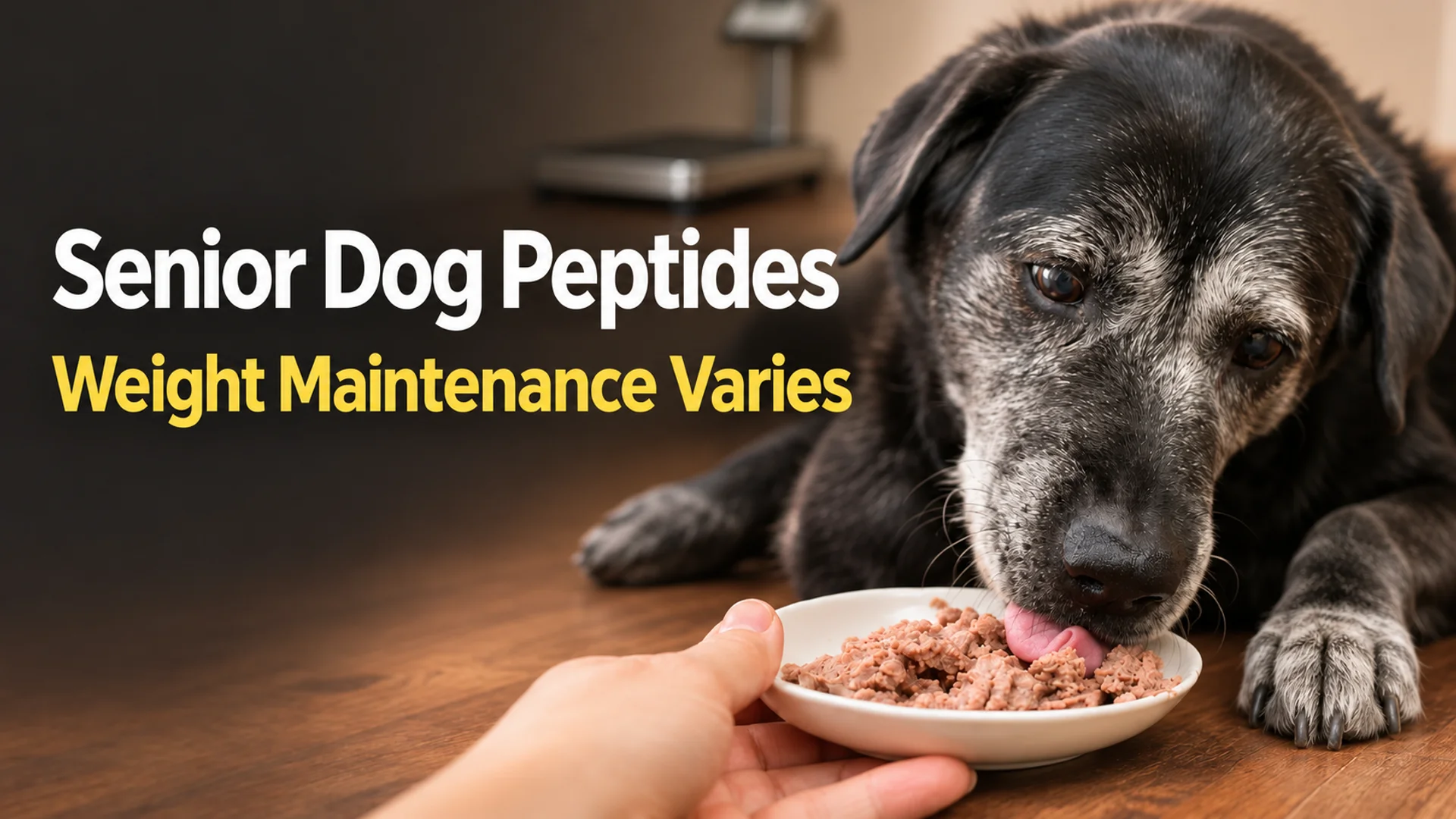
Autumn is a season that easily alters pets’ activity levels and appetites. As the weather cools down and time spent indoors increases, a moment of carelessness can lead to uncontrollable weight gain in pets. Obesity is not merely a matter of body shape; it is a key factor that heightens the risk of serious metabolic diseases such as joint disorders and diabetes 1. While many owners meticulously scrutinize the ingredients and components of commercial foods in search of healthy options, homemade food prepared at home can easily cause nutritional imbalances and hygiene issues 2. By 2026, pet food selection criteria are shifting from simply “premium ingredients” to “personalized safety based on scientific evidence” 2. We have compiled principles and precautions for preparing homemade food to effectively prevent obesity and diabetes.
Seasonal Factors Inviting Obesity and Diabetes and the Role of Diet

Obesity in pets is a primary cause of life-threatening conditions such as heart disease, joint problems, and diabetes 3. In particular, feline diabetes is similar to Type 2 diabetes in humans, where insulin resistance caused by obesity serves as a key mechanism for disease onset. If weight loss is successfully achieved in the early stages, weight management and diet play a decisive role in reaching remission without the need for insulin injections 4.
In 2026, the pet food industry is rapidly introducing new alternatives, such as animal proteins produced via Precision Fermentation technology, to meet owners' heightened standards. This method, which uses microorganisms to produce animal proteins, lowers the risk of pathogen contamination and improves digestion and absorption rates; Hill’s and Bond Pet Foods have received No-Objection Letters from the FDA 2. While technology in commercial foods becomes increasingly advanced, owners’ interest in homemade foods that fully meet nutritional requirements based on a pet’s age, breed, and existing health conditions remains intense 5, 6.
Nutritional Design Principles for Safe Weight Loss and Diabetes Prevention
To prevent obesity and diabetes through homemade food, one must understand the correct nutritional ratios and rate of weight loss.
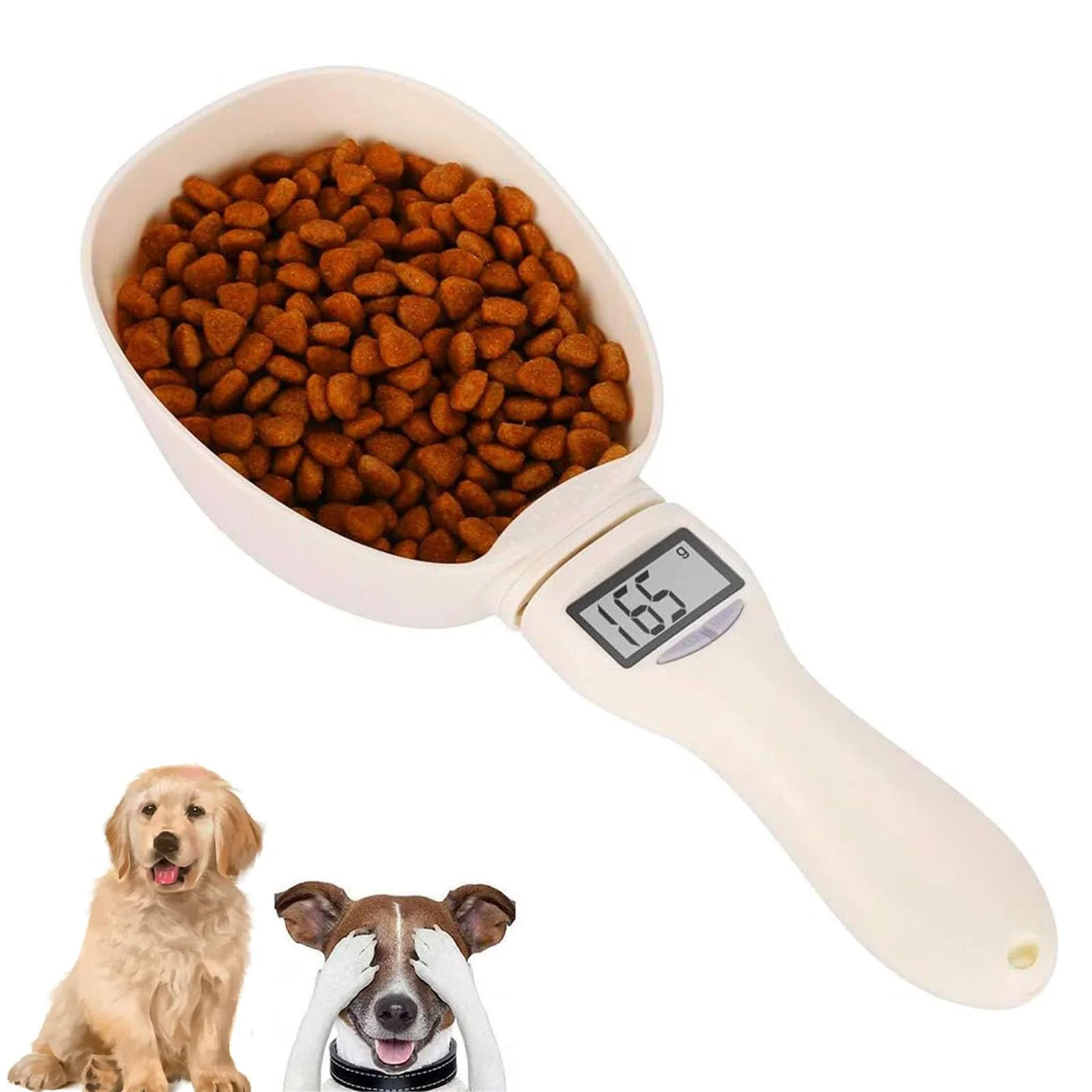
1. Sustainable Rate of Weight Loss and Portion Control When helping a pet lose weight, the most important factor is avoiding rapid weight loss. Losing weight excessively fast can cause muscle loss and metabolic issues, so the rate should be regulated to 1–2% of body weight per week 1, 7. To achieve this, it is essential to break the habit of eyeballing food portions without a scale and to measure precisely using a kitchen scale capable of 0.1g increments 7.
2. High-Protein, Low-Carbohydrate Diet for Diabetes Prevention To prevent and manage diabetes, intake of carbohydrates that cause rapid blood sugar spikes must be strictly limited. For a diet aimed at preventing feline diabetes, it is desirable to source over 50% of calories from animal proteins and reduce the carbohydrate ratio to below 10% (below 5% if necessary) 4.
For dogs as well, excessive starch heavily used during the extrusion process of commercial kibble can be a major cause of excessive carbohydrate intake and obesity 8. Even for senior dogs, carbohydrates should be reduced while increasing the protein ratio 8.
| Nutrient Category | Recommended Calorie Ratio for Diabetes Prevention (Cat) 4 | Example of General Homemade Diet 6 |
|---|---|---|
| Protein | Over 50% (Animal Protein) | 40% |
| Fat | 40% | - |
| Carbohydrate | Below 10% (Below 5% if necessary) | 50% |
| Fruits/Vegetables | - | 10% |
As shown in the table above, there is a significant difference between the recommended ratio for a diabetes-prevention diet and that of a general homemade diet. This suggests that pets at risk of diabetes require extremely strict carbohydrate restriction, meaning personalized design must precede the unconditional application of any homemade recipe.
Practical Homemade Food Recipes and Cooking Methods
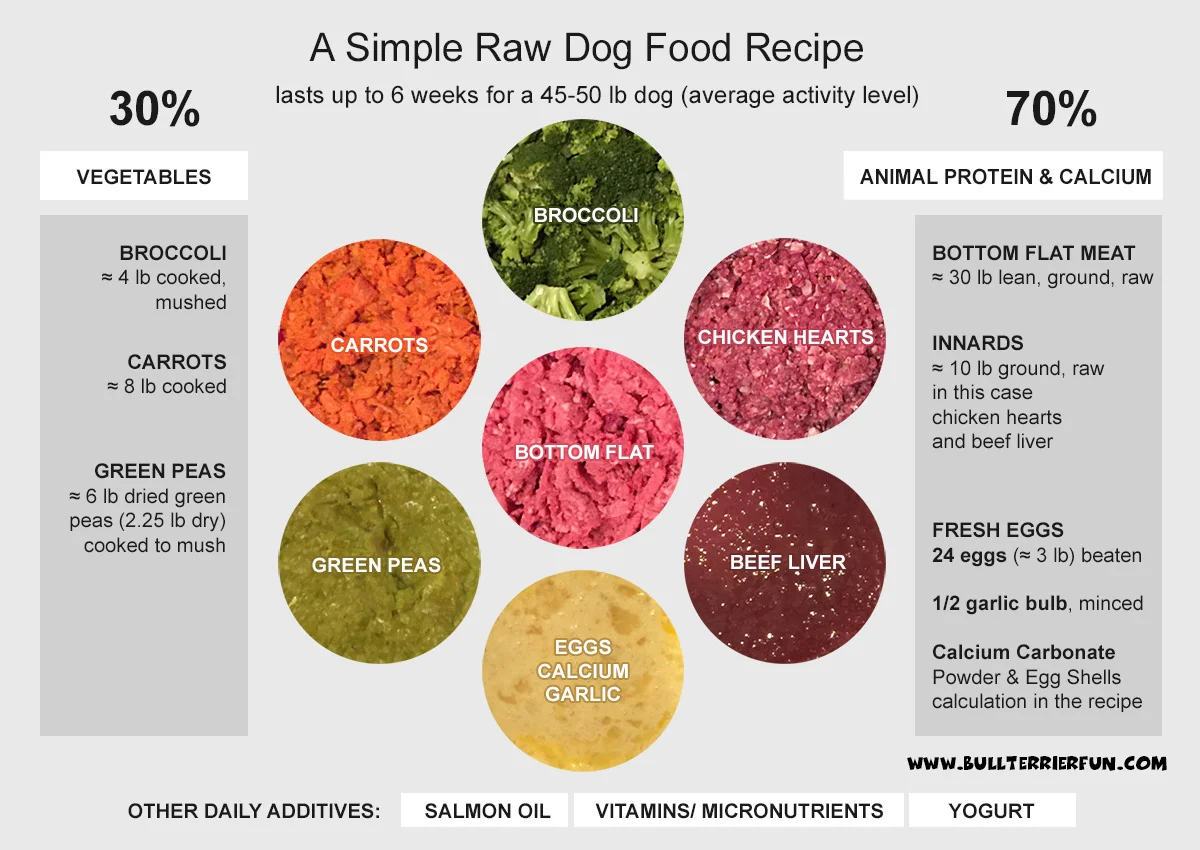
A representative homemade food recipe shared online uses 2 cups of water, 1 cup of white rice, 1/2 cup of chicken, 1/2 tablespoon of corn oil, 1/4 teaspoon of salt, 1/2 cup of mung beans, and 1 teaspoon of dicalcium phosphate. The cooking process involves boiling the rice and oil for 15 minutes after the water boils, then mixing all remaining ingredients for another 10 minutes until fully blended. After cooling, it is served at approximately 1/2 cup per 20 pounds of dog weight (adjustable up to 3/4 cups depending on activity level), but it is crucial to consult with an expert to determine if the diet is suitable for diabetes prevention 5.
Temperature during the cooking process is also a critical factor. Instead of high-heat cooking, low-temperature cooking or steaming at 200–250°F (approx. 93–121°C) is recommended to preserve nutrients and enzymes and aid digestion 6, 9. When utilizing safe low-calorie vegetables like broccoli or carrots, lightly cook them to minimize nutrient loss and consider using the cooking liquid 9.
If serving as a complete diet is not feasible, start with a gradual transition—such as topping kibble (dry food) with boiled vegetables—to minimize gastrointestinal discomfort. However, it is recommended to replace only up to 10% of kibble with fresh food; exceeding this may lead to nutritional imbalances and risk of obesity 9.
Fatal Nutritional Imbalances and Ingredients to Avoid
Homemade food can be a better choice than commercial food because it excludes industrial additives and allows for flexible ingredient adjustments tailored to the pet’s condition 6. However, this does not always guarantee success.
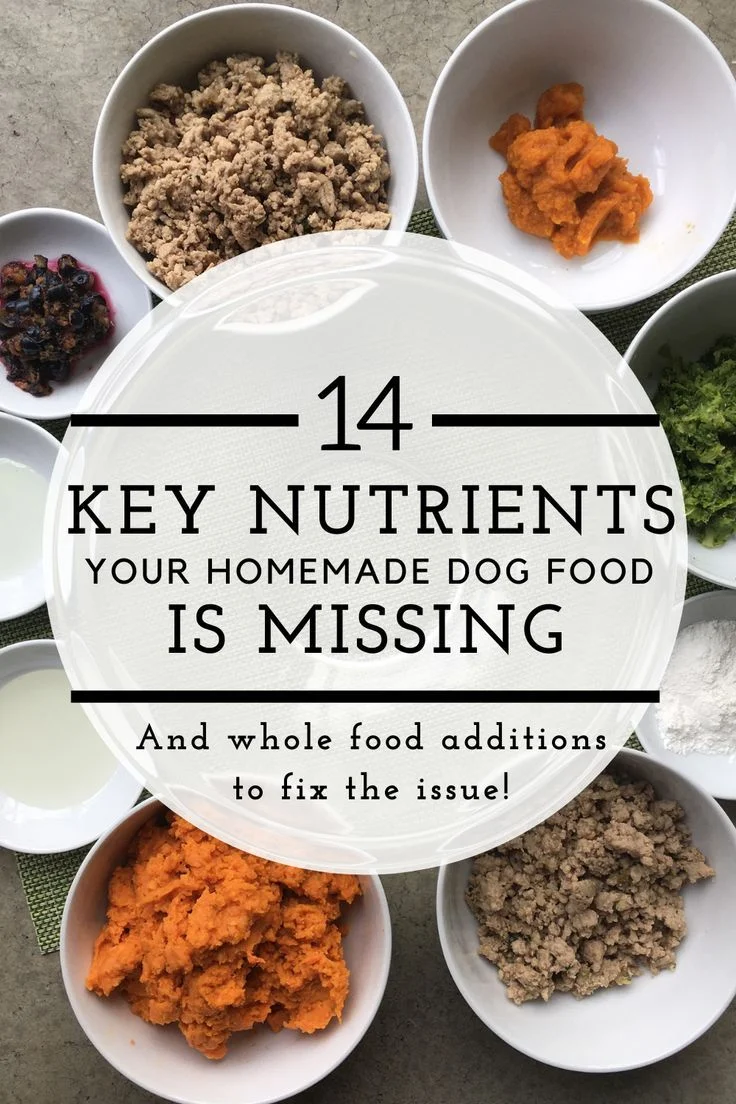
Experts warn that achieving a complete nutritional balance with only proteins, carbohydrates, and vegetables without specific supplements is nearly impossible. In fact, most home-cooked diets have been found to potentially lack at least 8 to 10 essential nutrients, including calcium, phosphorus, vitamin E, and vitamin D 3, 9.
The phenomenon of “recipe creep”—arbitrarily modifying recipes—also poses a significant problem. Arbitrarily changing online recipes to suit one's own standards can lead to long-term bone and joint issues, as well as neurological disorders 9. Additionally, specific supplements like dicalcium phosphate should not be indiscriminately added to all dogs. Dogs already consuming sufficient calcium face the risk of hypercalcemia if they ingest more 5.
Hygiene Management and Owner Responsibility
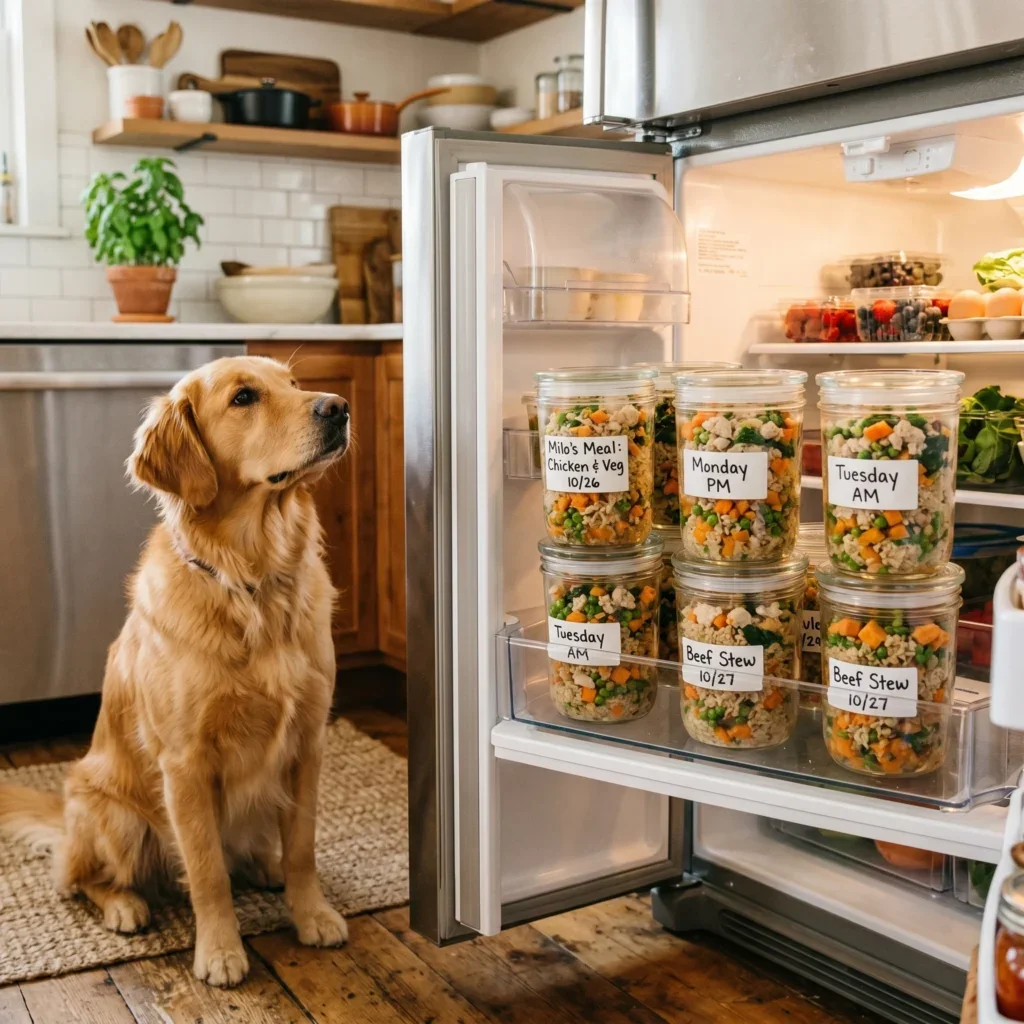
While the use of quality ingredients is emphasized in 2026 pet food trends, safety cannot be guaranteed if hygiene management fails, no matter how high-quality the ingredients are. Recent recall incidents involving Salmonella contamination, among others, have increased awareness that Salmonella can be fatal, especially for pets with sensitive digestive systems 2.
Homemade diets should be stored in sealed containers after cooking and consumed within 1 to 2 days in the refrigerator 9. For long-term storage, portion the food into glass containers or BPA-free zipper bags for freezing; avoid thawing at room temperature and always thaw slowly in the refrigerator overnight to prevent bacterial growth 9.
The biggest gaps in hygiene and nutritional management stem from unconscious mistakes by owners. Most diet failures are attributed to environmental and habit issues on the owner's side 7. If any family member gives unplanned treats by eyeballing them or rewards a pet with a treat after a walk, the impact is fatal. Just 5 to 10 small treats a day can account for 10 to 20% of total calorie intake, so treats must be limited to within 10% of the day's total calories 7, 2.
Instead of letting pets grab treats directly from the treat jar, accurately measure only the daily allowance and store them in portions 1. Replace emotional feeding with treats when a pet whines with non-caloric interactions such as additional play or praise 7.
Scientific Nutritional Management Using Expert Tools

The greatest weakness of homemade food is the probability of nutritional imbalance, but it is nearly impossible for owners to diagnose such imbalances with the naked eye. To achieve accurate nutritional balance, consultation with a veterinarian or veterinary clinical nutrition expert is essential 1, 10.
For pets with specific diseases or allergies, human health food habits should not be blindly applied; guidance from an animal nutrition expert is mandatory 2. Recently, AI-based platforms supporting veterinary nutritional management have emerged. 'PetFoodis.AI,' introduced as a supervised AI solution specifically for veterinarians, can reportedly generate over 2 million personalized homemade prescription diet combinations based on data from more than 2,000 diseases and health conditions according to the venture. This solution comprehensively analyzes the pet’s age, breed, health status, and activity level to propose nutritionally balanced recipes and offers functions to track body condition score (BCS) and muscle condition score (MCS) 10.
Tools supporting professional and precise nutritional design are increasingly proliferating. By utilizing these professional systems to design a diet tailored to our pet’s unique metabolic state, safe hygiene management and quantified feeding will ensure autumn health free from worries about obesity and diabetes.
References
- 반려동물 비만관리 가이드: 안전하게 체중 줄이는 방법 | 건강 관리 | 멍냥성장 · pet-growth-timeline.sundry-know.com↩
- ↩
- Pet Obesity: Weight Management Dog and Cat Food - Know Better Pet Food · knowbetterpetfood.com↩
- Best Food for Cats with Diabetes | PetMD · petmd.com↩
- 수제 당뇨병 강아지 사료 레시피 - 애완동물 · ko.226248.com↩
- 개를 위한 최고의 수제 레시피: 건강하고 균형 잡혀요! · ko.mundoperros.es↩
- 다이어트 실패를 부르는 보호자의 5가지 행동 패턴 | 포옹 · po-ong.com↩
- 반려동물 ‘비만’ 원인, 사료에 포함된 전분 때문? — FAM타임스 · famtimes.co.kr↩
- How to make homemade dog food - Care.com · care.com↩
- PetFoodis.AI | 수의임상영양 포뮬레이션 소프트웨어 · petfoodis.ai↩