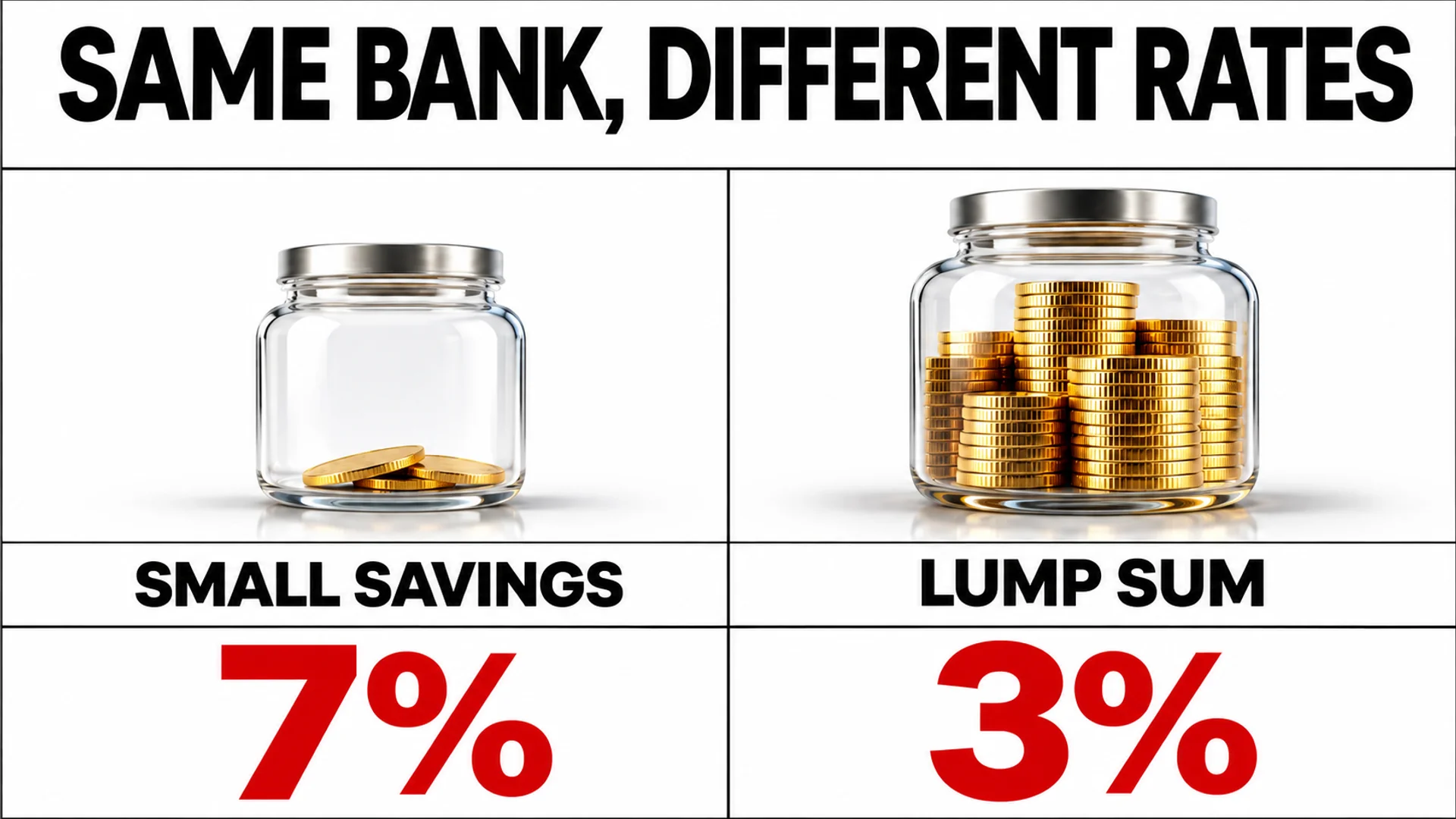
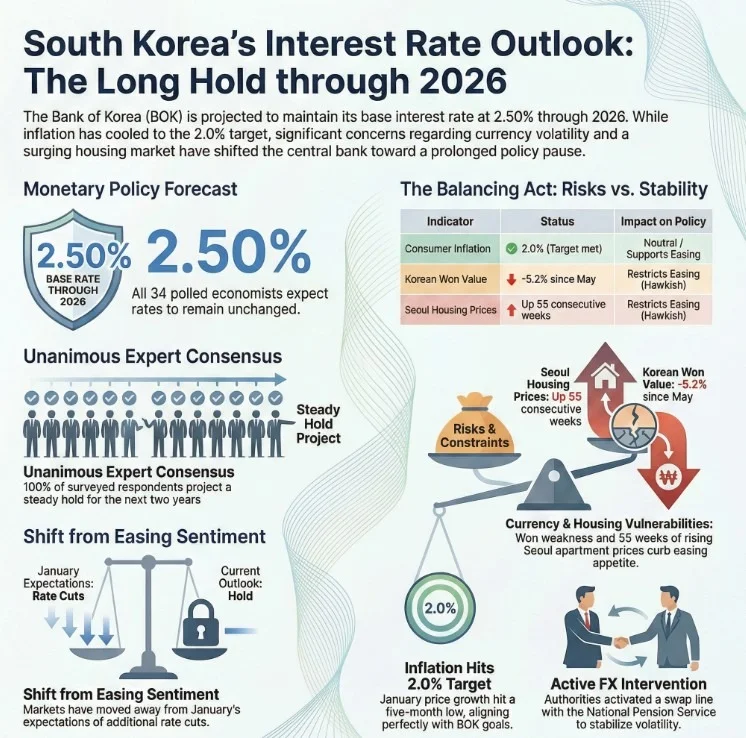
As of 2026, the South Korean economy is in an environment where high interest rates are expected to persist for a considerable period. The Bank of Korea raised its base rate from 2.50% to 3.00% per annum in two steps during July and August 2026 and kept the current level (3.00%) unchanged at its October 22 monetary policy decision meeting 1, 2, 3. In this high-interest-rate environment, investors who have unwound their "debt investing" ("bit-tu," investing with borrowed funds) urgently need a strategy that simultaneously reduces interest burdens from remaining debt and stabilizes cash flows. This article explains how to efficiently manage remaining debt and redesign your investment portfolio for stability in line with the high-interest-rate era of 2026.
Understanding the High-Interest-Rate Environment and the Current State of Debt-Investing Unwinding in 2026
The process of unwinding debt investing goes beyond simply selling assets; it involves restructuring remaining debt. In September 2026, new loan rates at deposit-taking banks rose to 4.57% per annum on a new-origination basis, increasing households' actual interest burdens 1, 3. In particular, under the third-stage stress DSR regulation introduced in July 2025, an additional 1.50% add-on rate was applied to loans in the Seoul metropolitan area, resulting in a roughly 15% reduction in new loan limits 4. Borrowers who previously engaged in debt investing through variable-rate loans must recognize that "rollover refinancing"—switching to a new loan to repay existing debt—has become effectively impossible due to tightened regulations 5. Under the dual constraints of high interest rates and stricter regulation, leaving remaining debt unmanaged can lead to accumulating interest costs, which may hinder asset recovery.
Reassessing Interest-Rate Types and Refinancing Strategies
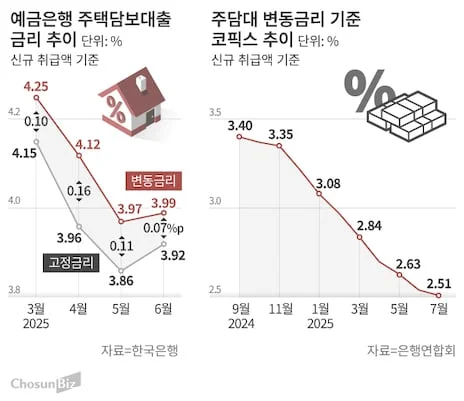
The first step to reducing interest burdens on remaining debt is to reassess your interest-rate type. As of January 2026, an unusual "rate inversion" occurred in which fixed rates (3.49–4.16%) were lower than variable rates (4.14–5.06%) 4; however, the situation remains fluid as market rates have since fluctuated. In fact, based on new mortgage loans originated in June 2026, variable rates (4.27%) were lower than fixed rates (4.53%), yet the share of borrowers choosing variable rates fell for the eighth consecutive month to its lowest level in 12 years and 4 months (37.7%) 2. Therefore, borrowers left with variable-rate loans after unwinding debt investing should consider locking in rates by comparing the latest market rates and utilizing preferential rates on the Bogumjari loan (from as low as 2.90%) or fixed-rate refinancing loans 4. When refinancing, be sure to check for potential early-repayment penalties and the likelihood of reapplication of LTV (loan-to-value) and DSR (debt-to-income) ratios 4.
The Debt Avalanche Principle and Interest-Saving Strategies
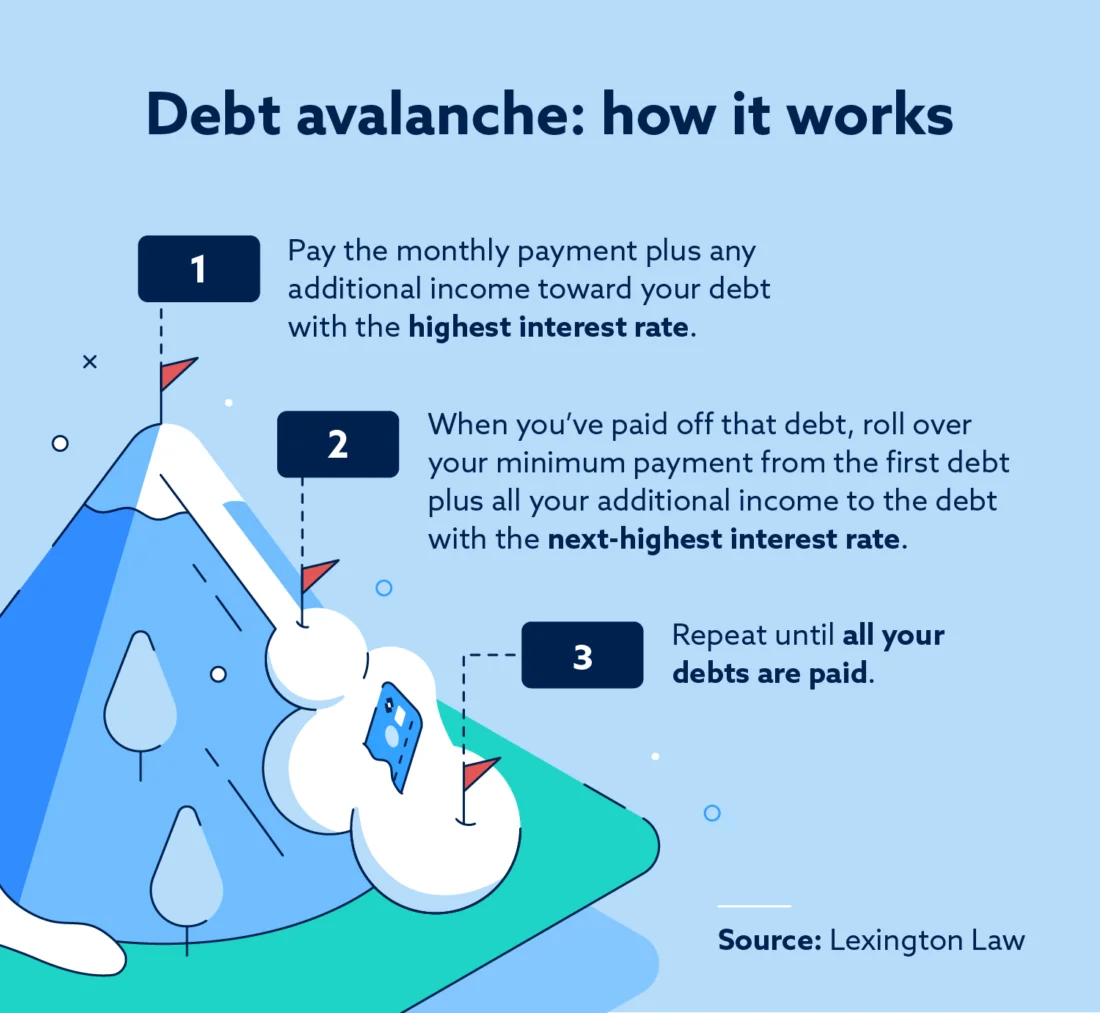
The most economically advantageous approach to repaying debt is to apply the debt avalanche principle 5. This logical method focuses on paying off the loan with the highest annual interest rate first, regardless of loan type or balance. In a high-interest-rate environment, lowering your average interest rate determines the speed of asset recovery. If you have outstanding ultra-high-interest unsecured loans such as credit card revolving services or card loans (at around 15–19% per annum), prioritize them above all else 5. For debt investing in equities financed by loans, high-interest structures in which loan interest exceeds expected returns make it highly likely that real returns turn negative 4. Thus, after creating a debt list, channeling repayment funds into debts in descending order of interest rates is the key strategy to prevent interest leakage across your total liabilities 5.
Liquidity Securing and Credit-Score Management
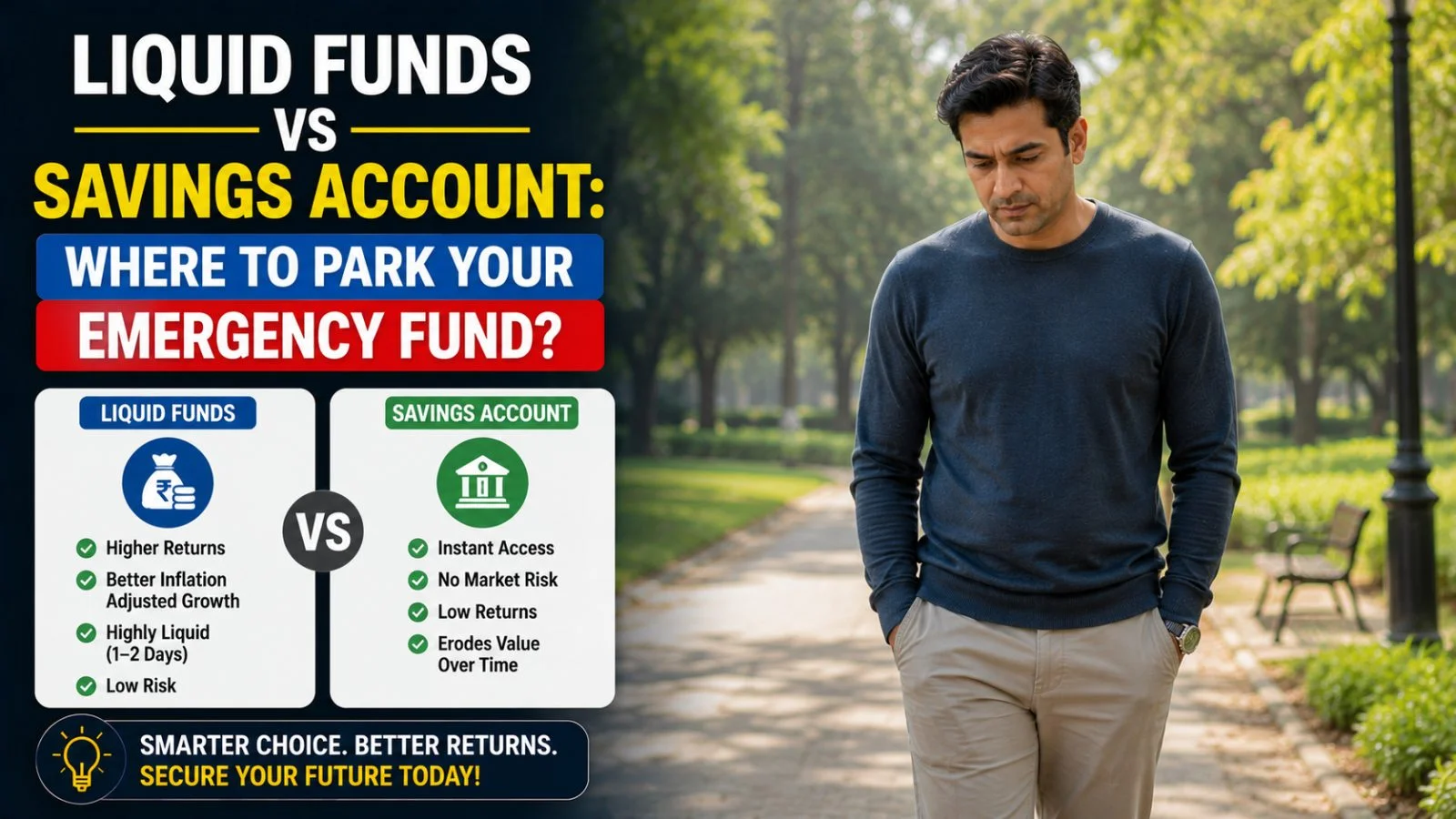
If your credit score dropped during the debt-investing unwind, or if you frequently used cash advances due to immediate cash needs, securing liquidity becomes the top priority. Households should maintain emergency funds equivalent to at least three months of living expenses if both spouses earn income, and six months or more if it is a single-income or one-person household, keeping these funds in short-term financial products with low principal-risk such as CMA accounts, parking accounts, and money market funds 4, 5.
Borrowers needing credit-score recovery require careful financial habits. Using card loans or cash advances negatively affects credit scores, so it is recommended to use debit cards for expenses that can be repaid immediately 4, 5. Especially after public records of bankruptcy discharge have been deleted, avoid financial institutions where past debt histories remain recorded, and steadily build a track record of small savings deposits and debit-card usage for at least six months with a new card issuer to expect credit-score recovery 6.
Redesigning Your Investment Portfolio in the High-Interest-Rate Era
For investors who have experienced losses from debt investing, "young-kkeul" (pulling every last penny, even one's soul, into investments) is off-limits. When reinvesting remaining funds, you must adhere to the principle of operating only within your own equity without taking on additional debt 4. In a high-interest-rate era, a paradigm shift in investing is needed that prioritizes cash-flow stability and principal preservation over short-term stock price fluctuations 4.
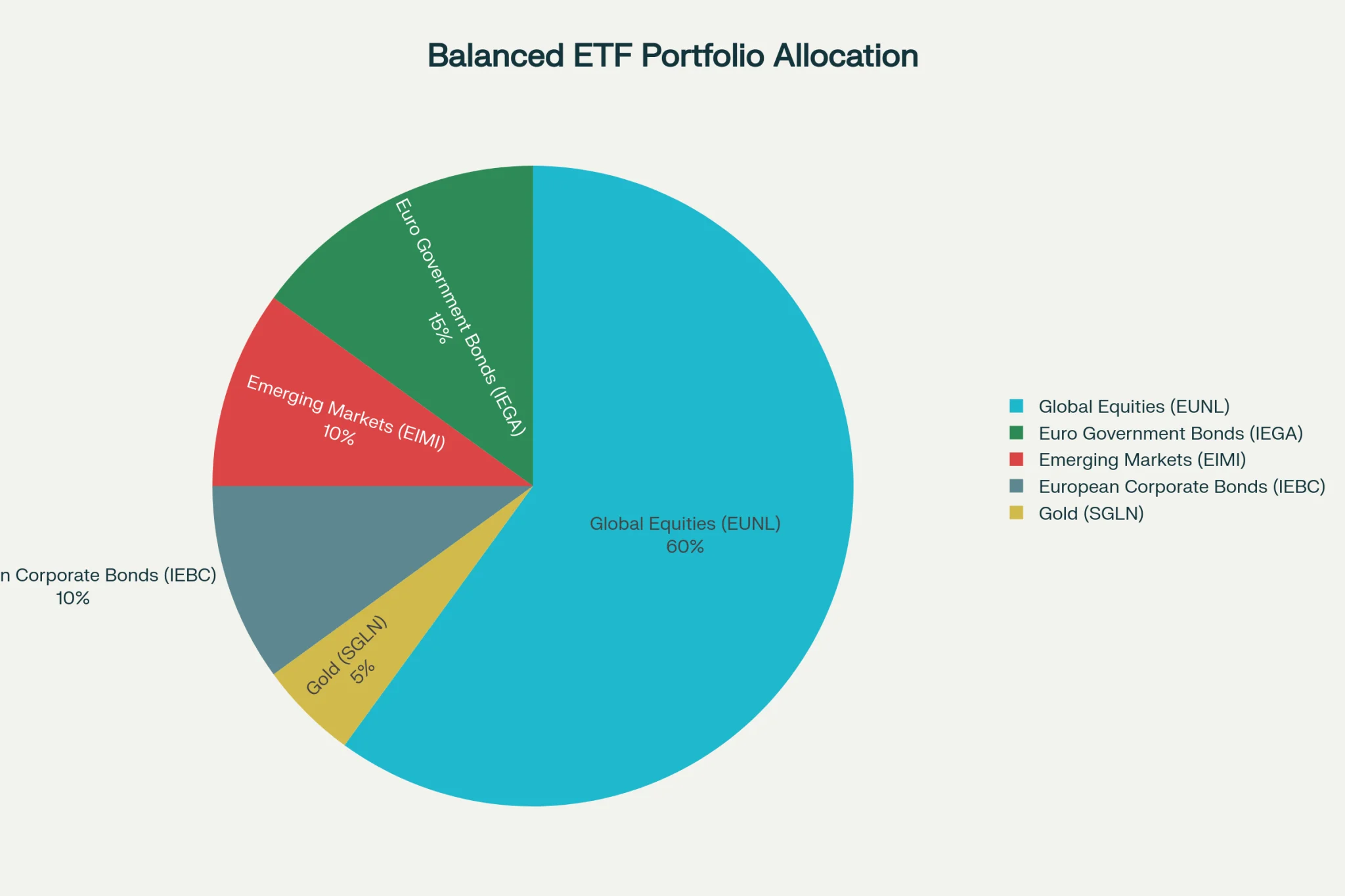
For stable investing, an asset-allocation model recommending 20–30% in cash assets, 20–30% in bonds, and 30–40% in dividend stocks and covered-call ETFs is advisable 4. For the bond portion, considering that savings-deposit rates at deposit-taking banks are currently around 3.45%, you can secure a certain level of interest income 1. In the equity portion, focus on dividend stocks or covered-call ETFs that reduce volatility, and achieve diversification benefits by making regular installment purchases of a fixed amount monthly or quarterly rather than buying all at once 4.
A Balanced Asset Perspective to Overcome the High-Interest-Rate Era

The experience of failing at and unwinding debt investing serves as an important turning point to reassess the fundamentals of household asset management. In the 2026 market, where high interest rates persist, securing structural stability that avoids paying high interest means greater protection of returns than aggressive asset growth through excessive leverage.
Accurately identify the types and interest rates of your liabilities, adjust your loan structure in a way favorable to interest savings, and then secure liquidity. Built on this foundation, evenly blending cash assets, bonds, and dividend-focused equities to construct a portfolio far more resilient than before debt investing should be the ultimate goal of asset management in 2026.
References
- ↩
- 3년 6개월 만의 금리 인상인데 집값 기대는 4년 10개월 만에 최고... · merci-news.com↩
- 한국은행 3% 기준금리 인상: 물가·성장·금융안정의 동시 점검 · umanking.github.io↩
- 2026 경제위기 탈출 로드맵: 현금흐름·부채·투자까지 한 번에 점검 - Smart Life · smartlife.pe.kr↩
- 가계 부채 줄이기: 2026년 최신 금융 정책 활용 및 실전 상환 가이드 · worldwideinfonet.com↩
- 다시 시작하는 법률가이드: 4월 2026 · law-restart.blogspot.com↩