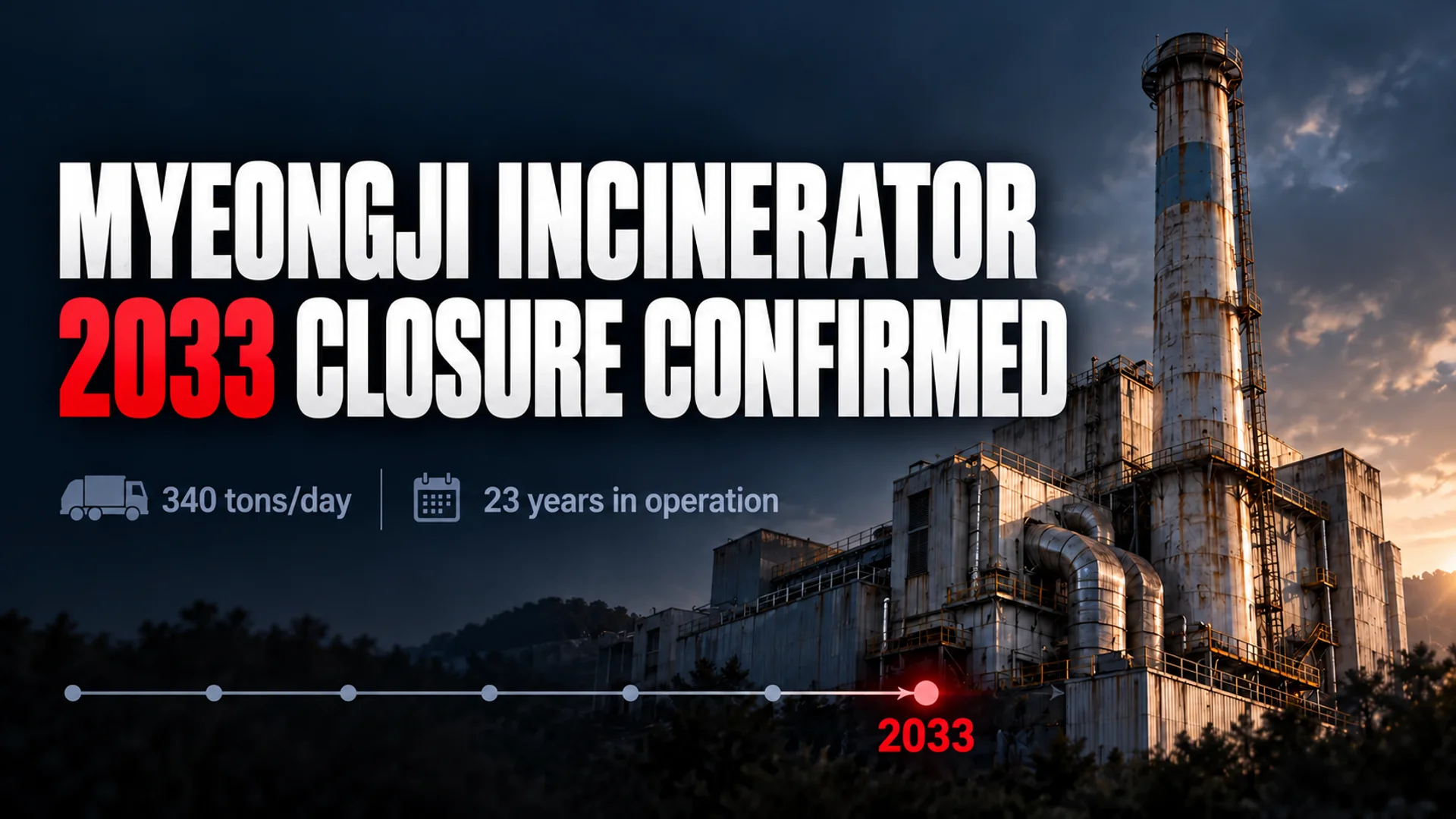
The city of Busan has officially decided to close the Myeongji Incineration Plant (Myeongji Resource Energy Center), which has exceeded its service life, by 2033. Busan Mayor Jeon Jae-su announced at a press conference on October 30, 2026, that severe aging of the Myeongji Incineration Plant, which had been in operation for 23 years, was deemed too extensive for large-scale renovations to effectively extend its usable life 12.
According to the city, this decision is an independent judgment based on the condition and safety of the existing facility, rather than an issue linked to plans for expanding new incineration facilities (the Saenggok Incineration Plant) 12. Currently processing 340 tons of household waste per day, the Myeongji Incineration Plant's closure makes securing alternative facilities and restructuring the waste disposal system critical tasks. This article examines the grounds for this decision and its potential impact on local communities and the city of Busan.
Legal Basis and Background of the 2033 Closure Decision for Myeongji Incineration Plant
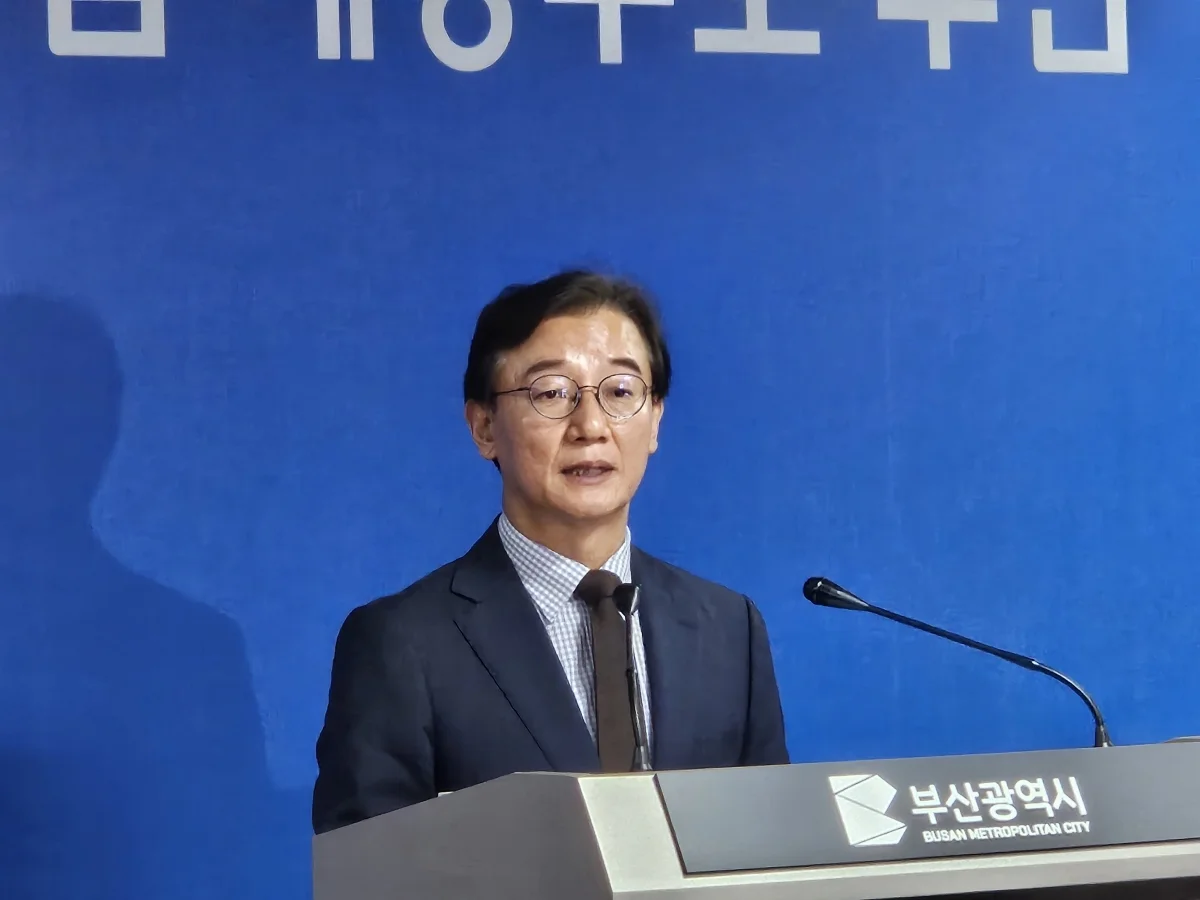
The city's decision to close the Myeongji Incineration Plant reflects the final report of the technical diagnostic assessment conducted under Article 13 of the Framework Act on Environmental Technology and Industry Support and the official request from the Gangseo District Office head 13. Mayor Jeon Jae-su held a press conference in the city hall briefing room on the afternoon of October 30, 2026, clearly stating that the Myeongji Resource Energy Center would be closed by 2033 2.
Completed in 2003, the Myeongji Incineration Plant has been key infrastructure responsible for processing household waste in the Busan region for a total of 23 years 13. The city temporarily suspended the related service contract on October 31, 2025. Although the facility's exterior is in good condition, the recent technical diagnostic assessment strongly raised the need for closure. The city emphasized that closure is an unavoidable task and stated that the decision was made through formal procedures and reviews to enhance administrative reliability and predictability 12.
In particular, Park Sang-jun, the head of Gangseo District Office, submitted an official request to Busan City on October 28, 2026, asking for the closure of the facility and the establishment of a concrete implementation plan 13. Given the rapid population increase in the area due to the development of Myeongji International New Town and Eco Delta City, local communities strongly demanded that the closure of the existing facility should not be delayed under the pretext of constructing new incineration facilities 3.
Aging Condition of Facility Operated for 23 Years as Revealed by Technical Diagnostic Assessment
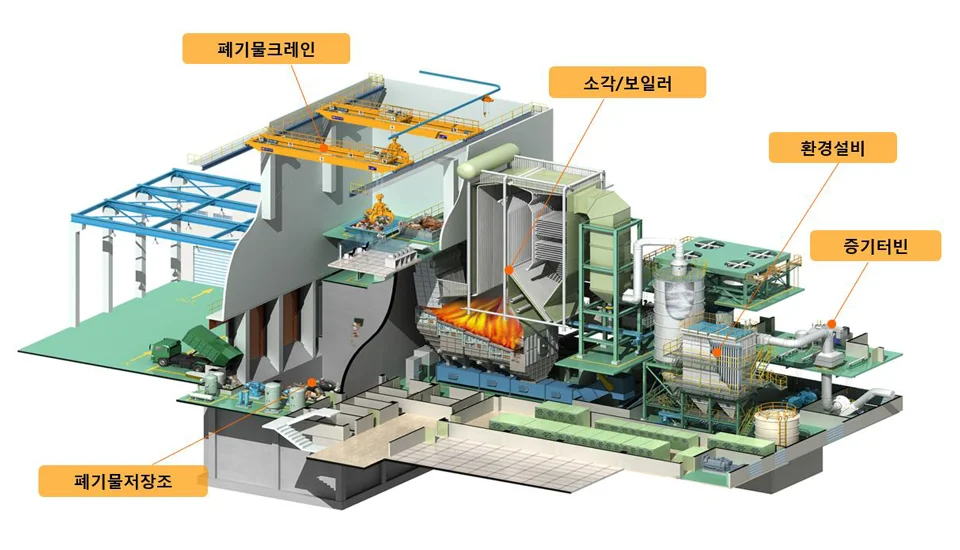
The technical diagnostic assessment revealed that significant aging has accumulated across all major equipment at the Myeongji Incineration Plant, including incineration equipment, boilers, cranes, and transformers 12. The design life of the Myeongji Incineration Plant expired in 2024 4.
The city of Busan analyzed that even with large-scale renovation projects, it would be difficult to expect a significant extension of the facility's usable life. Mayor Jeon Jae-su acknowledged, "The design life has already been exhausted," explaining that ensuring safety and operational adequacy is difficult with major renovations alone 2. Ultimately, the technical judgment that the physical lifespan of the Myeongji Incineration Plant had essentially reached its limit was the key driver behind the closure decision.
Additionally, Gangseo District expressed concerns to the city about the aging of major equipment due to long-term operation and the resulting increase in maintenance burdens 3. Viewing large-scale life extension measures as potentially increasing risk factors, the city finalized a roadmap for closure by 2033.
Preparing for 2030 Direct Landfill Ban and Replacement Plan for 340 Tons of Waste
With the closure of the Myeongji Incineration Plant, the daily capacity to process 340 tons of household waste (consisting of two 170-ton units) will be lost 12. The city set the closure date at 2033 after comprehensively considering factors such as the period during which operation can be maintained through minor repairs and cases of excess volume handling at facilities in other metropolitan areas 2.
The most critical issue is how to fill the gap in the waste disposal system. Under the amended Enforcement Rule of the Waste Management Act in 2021, direct landfilling of household waste will be completely banned in Busan, a non-metropolitan region, starting in 2030 4. To prepare for the direct landfill ban from the closure date, the city plans to establish a joint response system with the 16 districts and counties and share responsibilities 12.
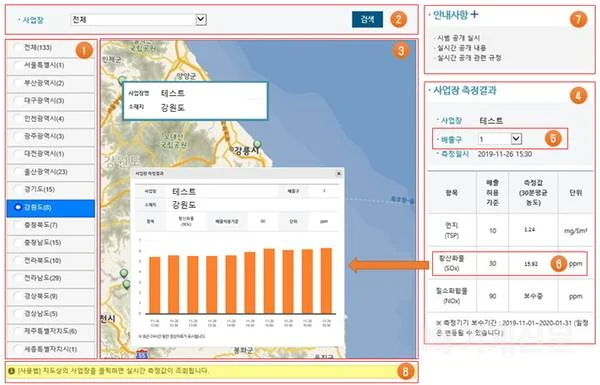
In particular, to ensure facility safety until the closure date, the city plans to continuously measure and publish emission gas data through Automatic Measuring Devices (TMS) and conduct thorough environmental impact assessments of the surrounding area 1. Just prior to closure, the city of Busan and Gangseo District are also moving to sign a Memorandum of Understanding (MOU) for stable waste disposal to minimize local conflicts 1.
| Key Indicators and Status Related to Myeongji Incineration Plant Closure | Details |
|---|---|
| Closure Date | By 2033 |
| Official Decision Date | October 30, 2026 (Former Mayor's Press Conference) |
| Legal Basis | Article 13 of the Framework Act on Environmental Technology and Industry Support (Technical Diagnostic) 1 |
| Current Processing Capacity | 340 tons/day (Two 170-ton units in operation) 2 |
| 2030 Issue | Complete ban on direct landfilling of household waste takes effect |
Local Residents' Opposition and Conflicts Over Construction of Alternative Facilities
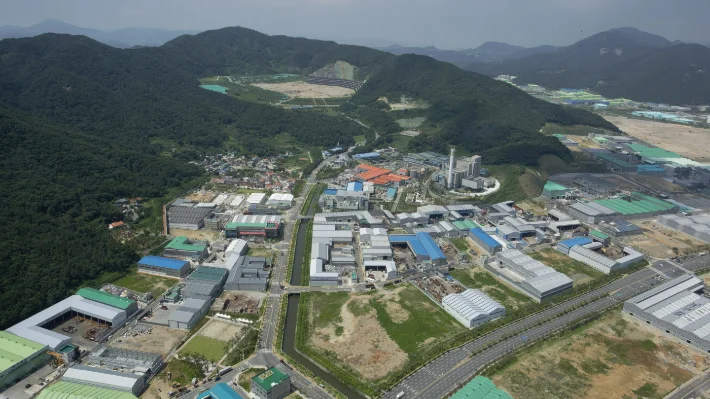
The closure of the Myeongji Incineration Plant must be premised on securing new alternative facilities to prevent disruptions to waste disposal across Busan. However, strong opposition from local residents continues regarding the construction of the Saenggok Incineration Plant (Saenggok Resource Circulation Complex Town), the new alternative incineration facility promoted by the city. With a total project cost of 337.6 billion won, the Saenggok Incineration Plant is scheduled for completion in 2033 according to the plan, but issues of local acceptability have become the core dispute 32.
Strong public opposition has formed, particularly among residents of Eco Delta City near the planned site for the Saenggok Incineration Plant. Park Sang-jun, head of Gangseo District Office, strongly criticized that waste disposal facility construction must not force sacrifice only on specific areas, expressing concern that environmental equity among regions could be seriously undermined 35. In the case of Eco Delta City, residents clearly opposed the plan, citing the rapidly changed residential environment marked by sharp population inflows since the first apartment sales announcement in October 2021, and pointing to the potential infringement of residents' health rights if an incineration plant is built 34.
Gangseo District also made it clear that the processing burden resulting from the closure of the Myeongji Incineration Plant must not be shifted to other regions or facilities 3. The city of Busan is concentrating on existing Saenggok Village for alternative facilities rather than developing various alternatives.
Concerns Over Chain Reactions Due to Delays in Saenggok Incineration Plant
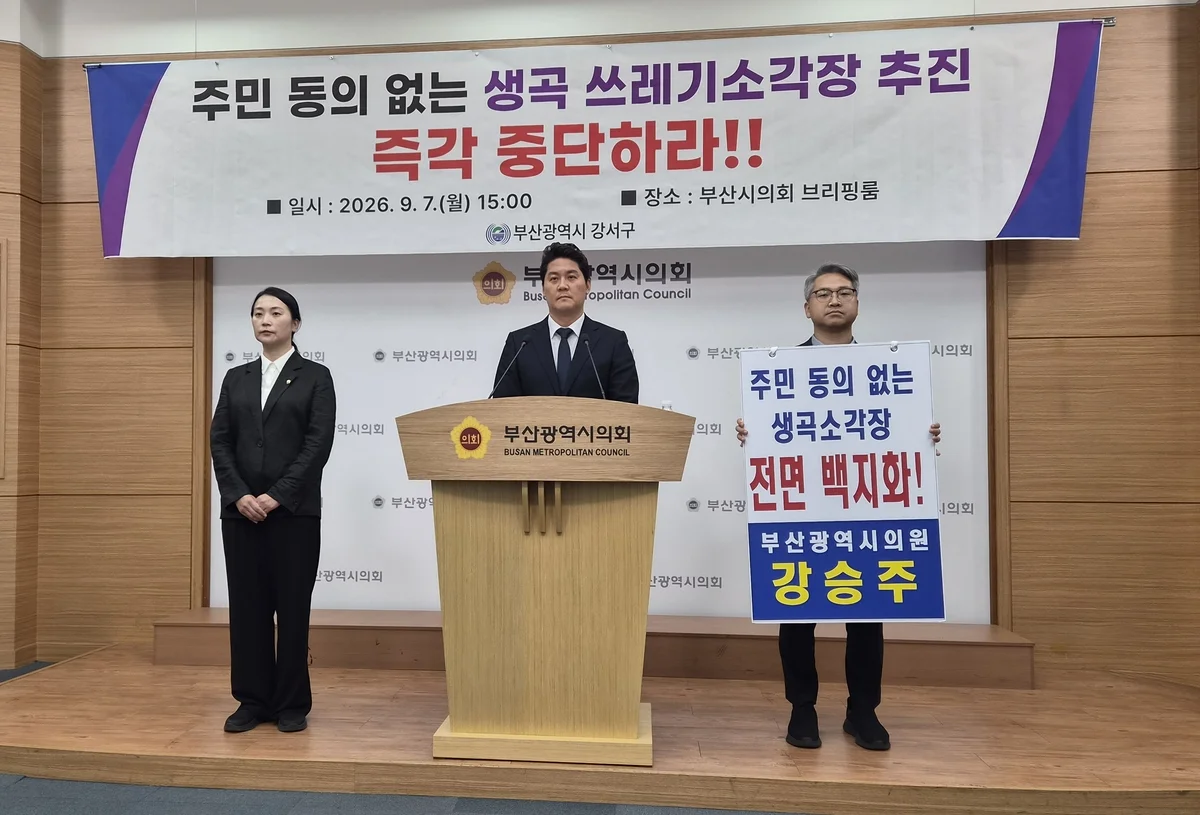
Since the closure schedule for the Myeongji Incineration Plant is directly linked to the securing of new alternative facilities, local political circles warn that delays in the construction of the Saenggok Incineration Plant could also postpone the closure schedule of the Myeongji Incineration Plant. If the Myeongji Incineration Plant, whose design life expired in 2024, must continue operating without a secured replacement facility, safety issues will inevitably resurface 4.
In fact, political circles in Gangseo District argue that the city's claim that selecting an alternative site for the Saenggok Incineration Plant requires enormous cost and time lacks evidence. Additionally, they contend that the sunk costs presented by the city (82–90 billion won) represent only relocation costs due to deteriorating living conditions for residents, not essential costs directly linked to incineration plant construction 4. Although the closure of the Myeongji Incineration Plant has been finalized, communication and negotiation between local communities and administrative agencies over waste disposal issues have only just begun.
The city of Busan maintains its policy of sharing responsibilities among the 16 districts and counties over the remaining period and specifying alternative facility plans to ensure no disruptions until closure. As the moment approaches when the massive aging equipment of the Myeongji Incineration Plant will disappear into history, local communities are closely watching how the city's efforts to restructure its waste disposal infrastructure in preparation for the era of the 2030 direct landfill ban will conclude.
References
- 부산시 2033년까지 명지소각장 폐쇄 - 부산일보 · m.busan.com↩
- 부산시, 명지소각장 폐쇄 결정···전재수 시장 “폐기물 문제, 더는 못 미뤄” - 포인트경제 · chemicalnews.co.kr↩
- 부산 강서구, 명지소각장 조속한 폐쇄 촉구…시에 건의문 | 뉴시스 · newsis.com↩
- [뉴스 분석] 생곡소각장 건립 지연땐 명지까지 영향 | Daum | 국제신문 · v.daum.net↩
- 박상준 강서구청장 "부산시 쓰레기소각장 재추진 반대…독단행정..." · newspim.com↩